

What Cancel Culture Says About The Woke World Versus The Real World
Premium domains for sale
Freedom Is Back In Style
The media wants you to get canceled and stay canceled.
Freedom Is Back
In Style
Premium domains for sale
Journalists didn’t complain about Cancel Culture during woke’s darkest days. Instead, they fed the beast. And they haven’t stopped, even if what Elon Musk dubbed the “woke mind virus” is fading.
Cancel Culture took down all comers for a good, long while. Think of those who committed legitimately awful acts (Louis C.K., Harvey Weinstein), comedians who shared “problematic” jokes (Kevin Hart), or singers saying ugly words off stage (Morgan Wallen).
For the worst offenders, the media insisted that the parties in question have no redemptive arc. Apologies were demanded but not accepted.
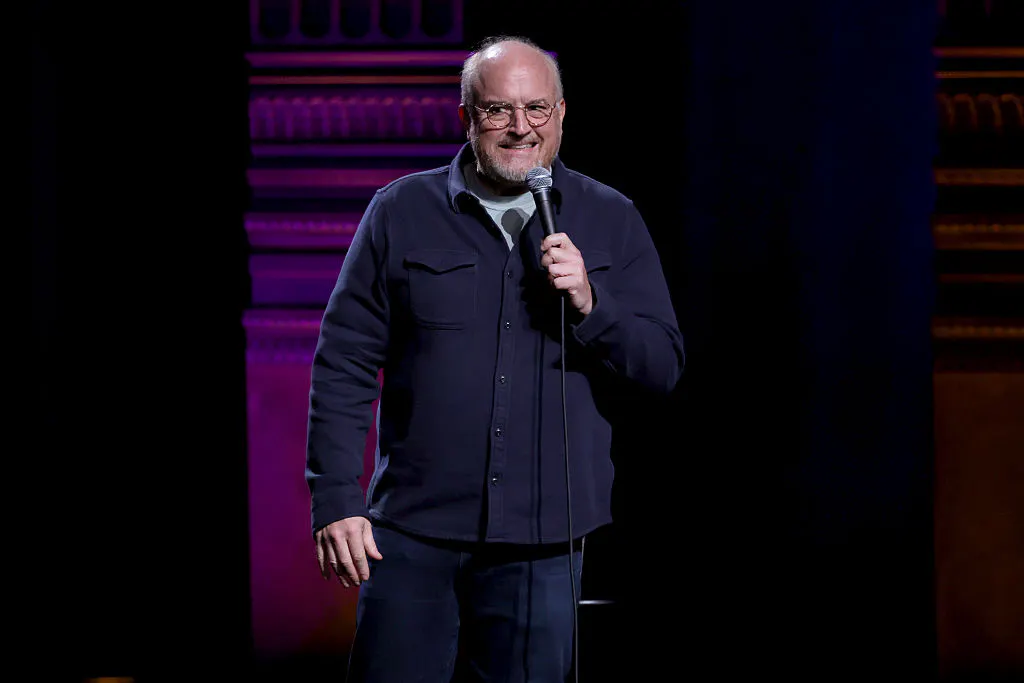
Louis C.K. is the poster child for this trend.
The “Louie” star was one of the most respected comics in the industry circa 2017. His FX series earned endless praise, his edgy stand-up material wowed critics, and he seemed poised for a Woody Allen-style directorial career with his upcoming film, “I Love You, Daddy.”
Then he confirmed reports that he had sexually exposed himself to multiple women. He apologized and said he’d go away for a while.
And he did, but not before his career collapsed. He lost that FX series, a role in “The Secret Life of Pets 2,” and any other gigs from his once-thriving career. Oh, and the distributor behind “I Love You, Daddy” yanked the film from the schedule. It remains unreleased.
C.K. eventually returned to comedy stages nationwide. He did so on his own, flexing his email list of supporters and trusting his comedy could lure some folks back to his side.
He suffered for his actions. He lost millions. He will never lose the label that many have affixed to him for his actions. And, of course, some fans will never support him.
That’s their choice, and it’s reasonable.
He still deserves the chance to win back an audience and make people laugh. And they came, slowly at first, and his audiences eventually grew large enough that he played Madison Square Garden.
But he’s not allowed that chance for redemption if the media has anything to say about it.
His new Netflix special, “Ridiculous,” is his first mainstream Hollywood project since the revelations went public nine years ago. Variety’s review suggests his comeback, both on Netflix’s part and the media reception, remains problematic:
The release of “Ridiculous” also culminates a tour that saw C.K. make inroads with the kind of liberal-coded publications that once covered his reputational nadir, with favorable writeups in both The Times and The New Yorker.
Other outlets have played a similar refrain about his slow-motion comeback. The Guardian filled its “Ridiculous” review with regret that the special even exists:
It’s less a triumphant return than a gradual slinking back, an unspoken assumption that no one really cares that much about his behavior; no particular defense or apology, just a shruggy emoticon.
Cracked.com, a far-Left site allegedly dedicated to pop culture, trashed C.K.’s fans for laughing at the R-rated jokes told in “Ridiculous.”
Wallen’s cancellation story may be the most absurd. He was caught on camera using the “n-word,” but not aimed at anyone or, more specifically, targeting a black person. His career also collapsed overnight.
He donated thousands to black organizations to stem the career damage, apologized profusely and took a break from touring. He lost access to major awards shows, found his music stripped from radio stations and lost his representation.
The Washington Post used his cancellation to attack all of country music.
He, too, slowly came back, and his fans were all too eager to forgive and forget. But when radio stations started playing his music again, Rolling Stone magazine cried out in horror.
In the end, Wallen’s massive fan base un-canceled him. He grew more famous, more unstoppable, and the media hand-wringing eventually subsided.
All for saying one ugly, offensive word.
Dave Chappelle’s sin proved the most bewildering. The comedy giant poked fun at the trans community during a 2019 Netflix special dubbed, “The Closer,” that wrapped with a moving tribute to a late trans comic.
The Cancel Culture mob ignored the latter and laser focused on the former. Chappelle’s skin color and comedy god status didn’t protect him from said mob. Netflix workers picketed their employer and media outlets turned on Chappelle with a ferocity that likely caught him by surprise.
His plans to release a documentary got canceled, a project that has yet to see the light of day several years later.
And, through it all, reporters piled on Chappelle.
Rolling Stone, once a free speech bastion, often led the charge.
Despite the rightful criticism many have shared in the wake of that special’s release, Chappelle’s career seems to be doing just fine if the arena-wide standing ovation he received upon arrival on Thursday is any indication.
Darn it!
Others piled on, demanding he apologize for … jokes.
- Dave Chappelle Inducts Jay-Z Into Rock Hall With Unapologetic Speech: ‘He Is Hip-Hop’ (The Hollywood Reporter)
- Dave Chappelle addresses Netflix controversy, remains unapologetic about anti-trans material: ‘I said what I said’ (New York Daily News)
In most cases, the obligatory narrative followed. Think variations of “What Cancel Culture?” That ignores the massive punishments the aforementioned stars endured along the way.
You’ll likely read just that as disgraced actors Armie Hammer and Kevin Spacey rebuild their professional careers.
The people who behave badly but don’t endure this brand of media attack? Democratic politicians like Graham Platner. He was never canceled by the press in the first place. That’s all you need to know about “cancel culture.”
***
Christian Toto is an award-winning journalist, movie critic and editor of HollywoodInToto.com. He previously served as associate editor with Breitbart News’ Big Hollywood. He’s also the host of The Hollywood in Toto Podcast. Follow him at @HollywoodInToto.
More from this network:
Domains for Sale · GOTPeople.org · TheDSAPlatform · The Truth About Socialism
What's Your Reaction?
 Like
0
Like
0
 Dislike
0
Dislike
0
 Love
0
Love
0
 Funny
0
Funny
0
 Wow
0
Wow
0
 Sad
0
Sad
0
 Angry
0
Angry
0

I am just an average American. My teen years were in the late 70s and I participated in all that that decade offered. Started working young, too young. Then I joined the Army before I graduated High School. I spent 25 years in, mostly in Infantry units. Since then I've worked in information technology positions all at small family owned companies. At this rate I'll never be a tech millionaire. When I was young I rode horses as much as I could. I do believe I should have been a cowboy. I'm getting in the saddle again by taking riding lessons and see where it goes.
Premium domains for sale







Comments (0)