

9 must-have devices for detecting leftist threats in your area
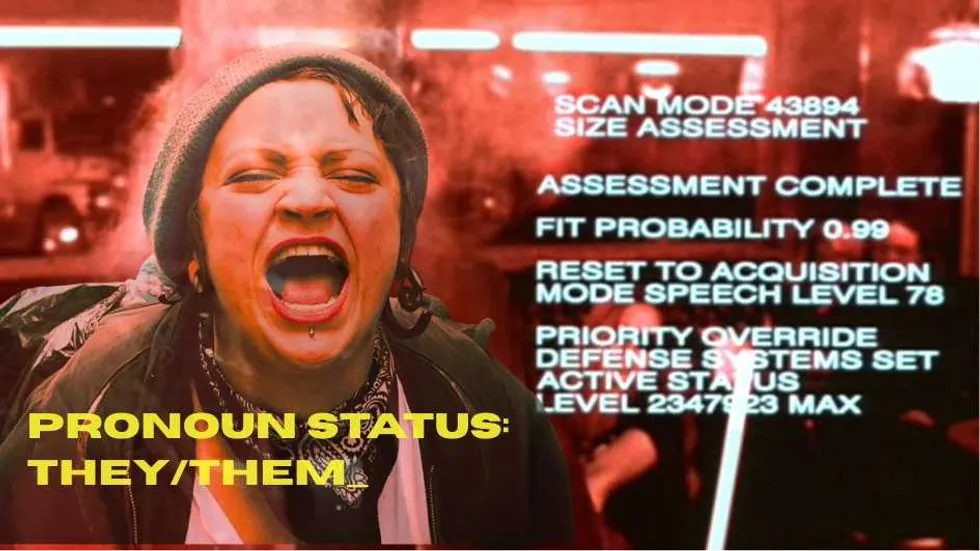
A recent story in Wired celebrated the culture of “maker resistance,” casting hobbyists and hackers as neighborhood sentinels guarding against federal immigration enforcement.
Live Your Best Retirement
Fun • Funds • Fitness • Freedom
All over the country, makers are 3D-printing thousands of whistles to help people on the ground alert others to nearby ICE activity. But the whistles are far from the only tools being used to respond to the surge of federal agents. Protesters are DIY-ing a wide array of gadgets like camera mounts, mobile networking gear, and handheld eye washers to clear away pepper spray, tear gas, and irritants used to quell protests.
For a conservative audience that supports the rule of law and ICE’s work, the story reads less like grassroots resilience and more like a blueprint for obstruction dressed up in DIY chic.
A pocket unit that emits a courteous chime when declarations of moral purity rise in direct proportion to personal insulation from consequences.
The federal government is charged with enforcing immigration law enacted by Congress. ICE agents are not an invading army; they are civil servants tasked with carrying out policies shaped through democratic processes. That fact rarely survives the romantic renderings of resistance culture.
Muddled makers
The maker movement itself has long embodied ingenuity and independence. In another era, that spirit wired towns, built radios, and launched small businesses. Today, the same tools that once fueled invention are repurposed to shadow enforcement and surveil federal agents.
The technical skill is undeniable. The intent is harder to defend. When creativity shifts from creation to confrontation, the balance between citizen and state tilts toward disorder.
Supporters frame these efforts as mutual aid. Critics see something more troubling: a normalization of defiance against lawful authority. The line between observation and obstruction blurs quickly in tense moments. A mesh network that alerts neighbors to approaching agents may also alert traffickers. A whistle meant to warn a family may also warn a fugitive. Technology is neutral; its consequences are not.
RELATED: Zohran Mamdani: NYC's pimp mayor
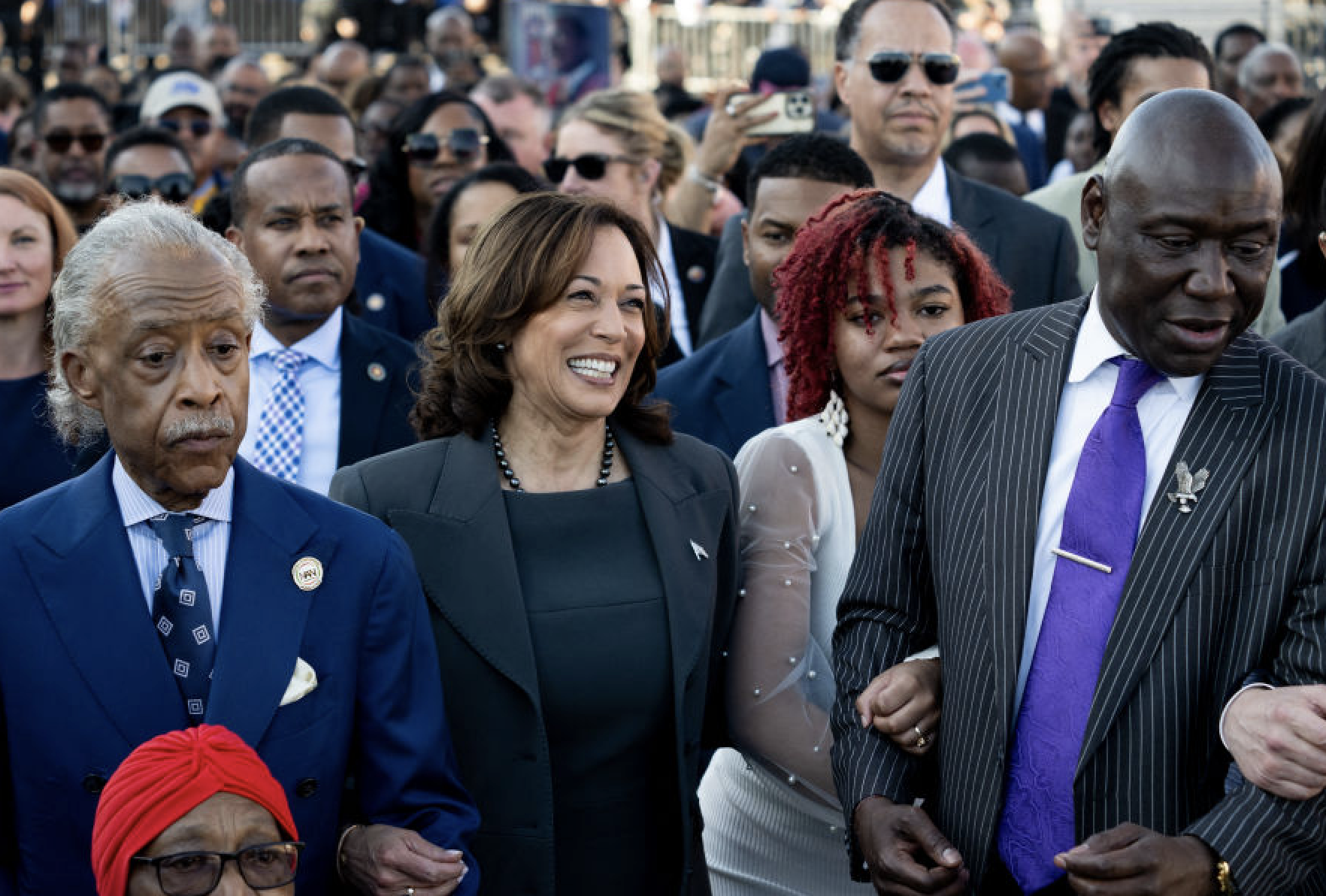
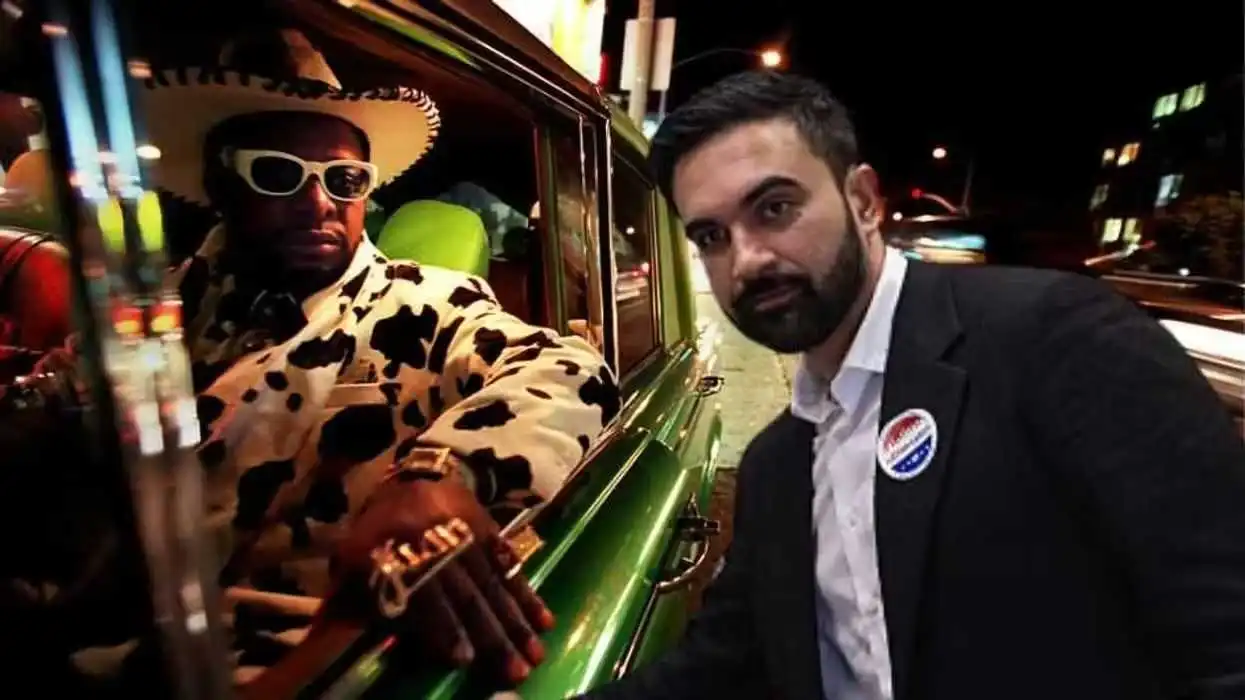 Wally Skalij/Bloomberg/Getty Images
Early-warning ingenuity
There is also an irony worth noting. Many of the same voices that champion strict regulation in speech, commerce, firearms, and energy now celebrate decentralized networks designed specifically to evade oversight. Authority is applauded when convenient and denounced when it isn’t.
Still, the celebration of gadget-driven resistance invites a certain tongue-in-cheek response. If protest culture can engineer mesh nodes, mobile camera rigs, and tactical “mutual aid” kits, perhaps the rest of the country should respond in kind.
After all, this is a nation that can detect a tremor thirty miles beneath the Pacific shelf, triangulate a hurricane from orbit, and deliver neighborhood-by-neighborhood pollen counts to your phone. Surely we can apply that same early-warning genius to the domestic climate.
Consider the following prototypes. Currently seeking investors.
1. Calm before the outrage monitor
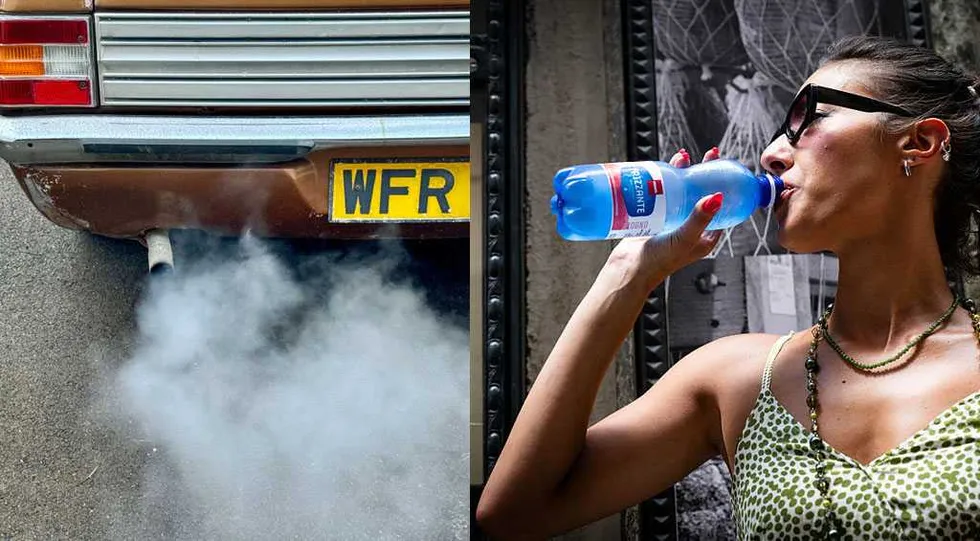
A wristband calibrated to tremble whenever emotional intensity outruns factual content.
It hums peacefully at food banks and flood cleanups, then begins to vibrate like a malfunctioning espresso machine the moment a megaphone appears and nuance slips quietly out the side door.
Engineers report one prototype briefly achieved low orbit during a campus forum after the phrase “this is violence” was applied to a seating chart.
2. Virtue-signal radar
A pocket unit that emits a courteous chime when declarations of moral purity rise in direct proportion to personal insulation from consequences. The indicator slides from blue to amber, then bright red once self-righteous certainty reaches escape velocity.
In beta tests, it rang like cathedral bells when someone began, “As I stand here on stolen land.”
3. Aesthetic alarm
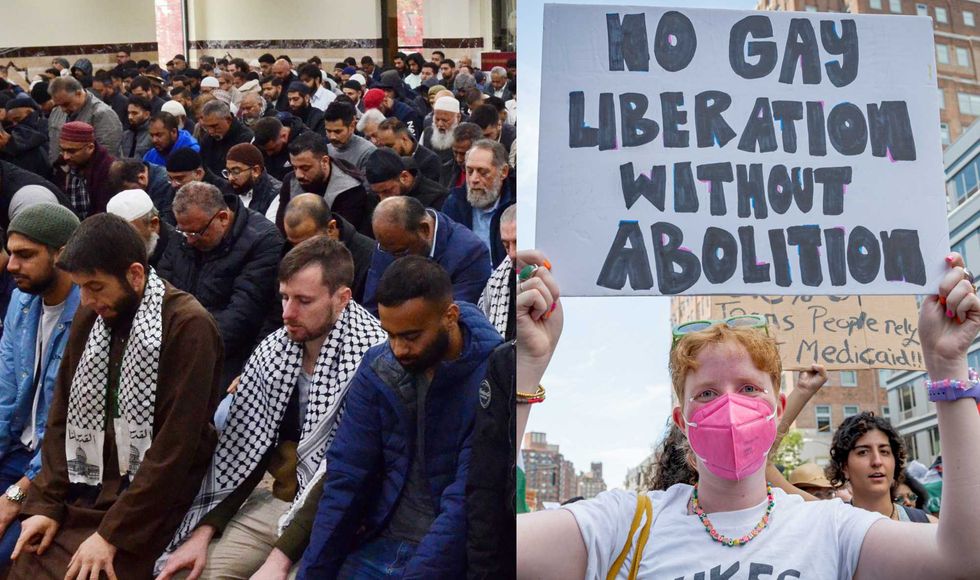
If you’re attempting to gauge ideological intensity, hair, wardrobe, and visual branding provide surprisingly reliable data. Developers are currently refining the aesthetic alarm, which activates when political identity is communicated primarily through costume, accessories, and hair shades normally reserved for highlighters.
It measures symbolism per square inch. A recent firmware update allows it to distinguish between genuine individuality and curated outrage aesthetics, though field reports suggest the two often arrive looking remarkably similar.
4. Radical credentials authenticator
Verifies whether an anti-capitalist has a trust fund or whether a housing activist owns property.
5. Consensus individualist counter
Counts how many people in a given room have independently arrived at identical opinions about every major issue. Particularly useful in university settings and progressive book clubs.
6. Platform purity gauge
Detects lectures on digital colonialism delivered from an iPhone while using two-day shipping to order the works of Noam Chomsky.
7. Oppression Olympian scoreboard
Ranks competitors in real time as new marginalized identities are introduced mid-conversation. Features an automatic podium update when a previously undisclosed condition alters the standings.
8. Therapist’s fingerprints analyzer
Identifies the precise moment unresolved personal grievances become public policy positions.
9. Transference detector
Detects when a policy disagreement begins to carry the emotional voltage of a Thanksgiving argument about authority that predates the current administration by at least 15 years.
In a country built by barn-raisers, radio tinkerers, and backyard engineers with coffee cans full of bolts, answering gadgets with better gadgets feels almost patriotic.
What's Your Reaction?
 Like
0
Like
0
 Dislike
0
Dislike
0
 Love
0
Love
0
 Funny
0
Funny
0
 Wow
0
Wow
0
 Sad
0
Sad
0
 Angry
0
Angry
0

I am just an average American. My teen years were in the late 70s and I participated in all that that decade offered. Started working young, too young. Then I joined the Army before I graduated High School. I spent 25 years in, mostly in Infantry units. Since then I've worked in information technology positions all at small family owned companies. At this rate I'll never be a tech millionaire. When I was young I rode horses as much as I could. I do believe I should have been a cowboy. I'm getting in the saddle again by taking riding lessons and see where it goes.








Comments (0)