

All dressed up with nowhere to report
Premium domains for sale
Freedom Is Back In Style
There is an old Army saying that sometimes the leader is simply the person who “remembers where the jeep is parked.”
Freedom Is Back
In Style
Premium domains for sale
Lately, I have wondered whether American journalism remembers at all.
Journalism is not finished when the reporter has sought the truth. It is finished when the public can see the truth clearly enough to act on it.
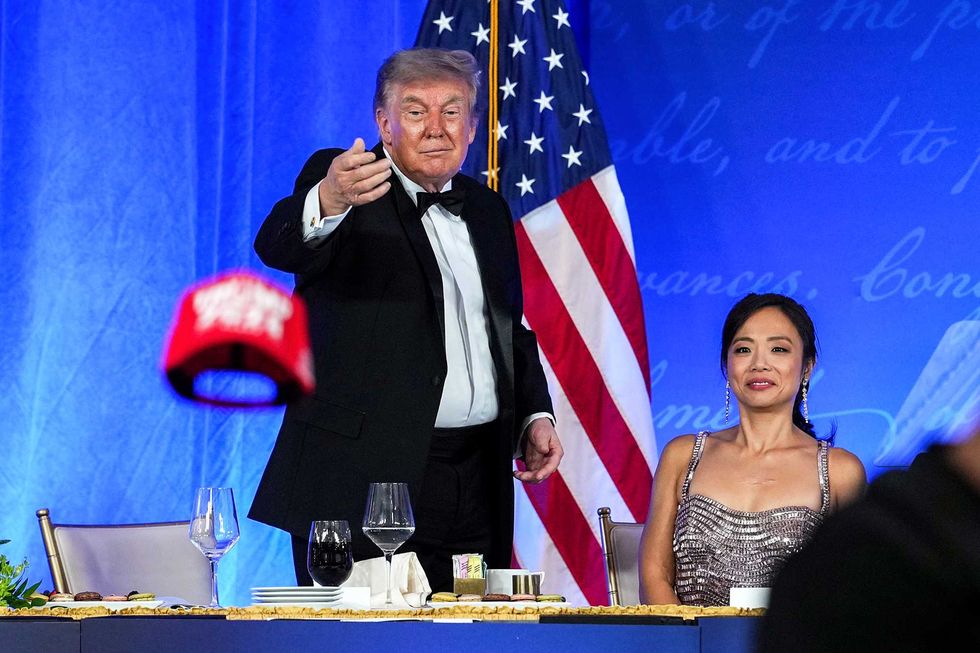
At the White House Correspondents’ Dinner on Saturday, the nation’s premier access participants gathered for their annual prom. Evening wear is nice, but it does make searching for a parked jeep more difficult.
Watching them, I kept thinking about access: who receives it, why they receive it, and what they owe the people who cannot enter those rooms.
I have spent 40 years in rooms where vague answers could cost someone dearly. Journalists occupy rooms where vague answers can cost a country dearly.
Over those four decades, I have accompanied my wife through scores of surgeries, intensive care units, and more medical conversations than I can count. At times, Gracie was intubated, sedated, and unable to speak for herself.
I was not in those rooms to express my worldview, impress physicians, or cultivate relationships. I was there to communicate her history, understand the plan, and ask the next question.
The physicians knew medicine. I knew Gracie. Good care required both.
Journalists occupy a similar position.
They enter the Oval Office, travel aboard Air Force One, and question people whose decisions affect millions. They are there because ordinary citizens cannot enter those rooms themselves.
That access is borrowed authority.
RELATED: Holy cow, the climate crowd is full of bull
 Michael Ciaglo/Getty Images
Caregiving taught me that access fulfills its purpose only when it produces clarity for everyone affected, both inside and outside the room.
Reporters are not there to advance their careers, protect relationships, reward politicians they admire, or spar with those they dislike. They represent the whole country, including people they may neither understand nor respect.
Let the truth have its say, and let the chips fall where they may.
Caregivers quickly learn that vague language has consequences. I never allowed an important medical conversation to end with, “We will wait and see.”
My response was always, “Wait how long?”
An answer without a timetable is often not an answer.
Journalists should apply the same discipline.
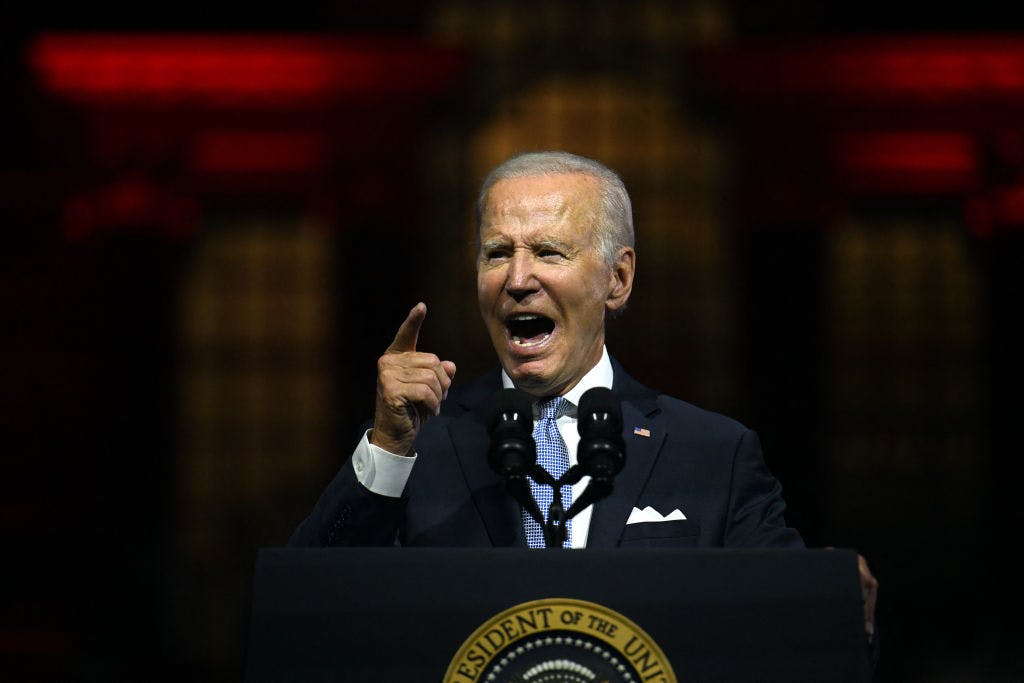
For years, President Joe Biden and Homeland Security Secretary Alejandro Mayorkas maintained that the border was secure while insisting that meaningful action required new legislation and more spending.
The question is not whether reporters agreed with them. The question is whether the public received clarity.
What did “secure” mean? What evidence supported the claim? What authority did the administration already possess? What required congressional action? What would success look like, and when would the public know whether it had been achieved?
If the administration were mistaken, the public deserved to know how such a grave error persisted. If officials knew the claim was false, the public deserved to know that too.
Either possibility demanded relentless questioning.
Instead, too many reporters received the statement, recorded it, and moved on.
That is stenography masquerading as accountability.
The same standard must apply in every direction. When Donald Trump filibusters, changes the subject, or wanders away from a question, conservative journalists who like him personally or support his policies should bring him back.
“Mr. President, that did not answer the question.”
Then ask it again.
That isn’t “hostility.” It’s basic stewardship.
RELATED: The new kid in the waiting room
 coldsnowstorm/iStock/Getty Images
I am friends with many of my wife’s medical providers. Friendship may make a conversation warmer. It never makes the questions less necessary.
Reporters may like the people they cover. They may admire them, agree with them, or enjoy being welcomed into the room. None of that changes the assignment.
The goal is fidelity to the public.
Most journalists would say they sincerely seek the truth. I believe many do. But sincerity is not the final measure. An entire unit may sincerely search for the jeep, but until someone can say where it is, the unit still cannot move.
The White House Correspondents’ Dinner is over. The evening wear is back in the closet.
Now tell the country where the jeep is parked.
Journalism is not finished when the reporter has sought the truth. It is finished when the public can see the truth clearly enough to act on it.
Journalists, however, have little incentive to change while audiences reward performance, partisanship, and evasion with their time and attention. Most of us will never enter the Oval Office or travel aboard Air Force One, but we can decide whom we trust to enter those rooms on our behalf.
Access is not a prize. It is borrowed authority. Those entrusted with it owe the public clarity, and the public must demand it.
Otherwise, we will get another porous border, another visibly diminished president eating ice cream, and another roomful of smiling reporters assuring us that there is nothing to see.
More from this network:
Domains for Sale · GOTPeople.org · TheDSAPlatform · The Truth About Socialism
What's Your Reaction?
 Like
0
Like
0
 Dislike
0
Dislike
0
 Love
0
Love
0
 Funny
0
Funny
0
 Wow
0
Wow
0
 Sad
0
Sad
0
 Angry
0
Angry
0

I am just an average American. My teen years were in the late 70s and I participated in all that that decade offered. Started working young, too young. Then I joined the Army before I graduated High School. I spent 25 years in, mostly in Infantry units. Since then I've worked in information technology positions all at small family owned companies. At this rate I'll never be a tech millionaire. When I was young I rode horses as much as I could. I do believe I should have been a cowboy. I'm getting in the saddle again by taking riding lessons and see where it goes.
Premium domains for sale


















Comments (0)