

BACK IN BUSINESS: More Oil Is Coming From The Gulf Than Before Iran War, Trump Admin Touts
Premium domains for sale
Freedom Is Back In Style
Oil is now flowing out of the Persian Gulf at higher levels than before the war with Iran, according to the Trump administration, even as the U.S. and Iran exchanged strikes this week.
Freedom Is Back
In Style
Premium domains for sale
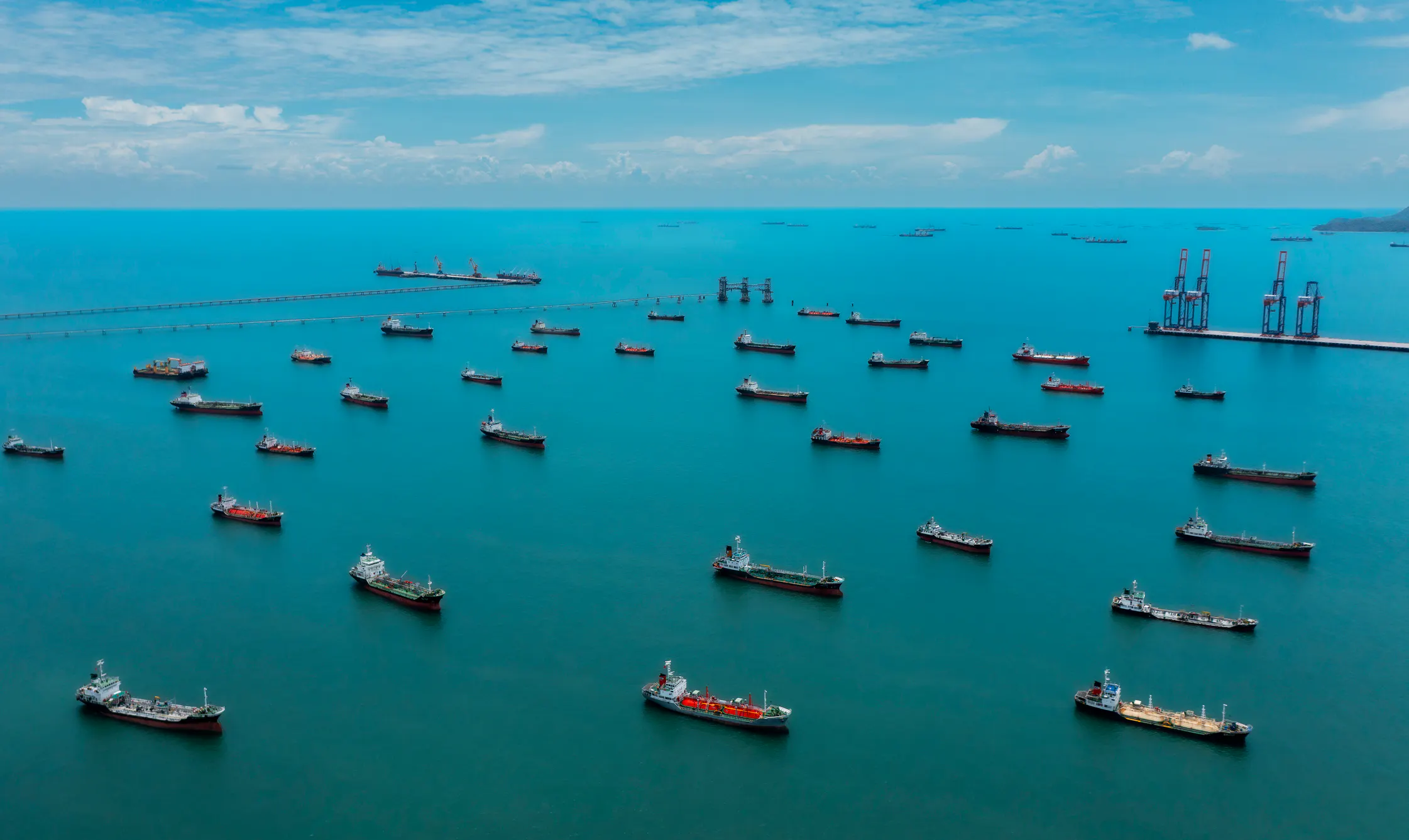
Forty commercial vessels carrying roughly 18 million barrels of oil moved through the Strait of Hormuz Tuesday, marking a wartime high, CNN reported, citing U.S. officials.
The latest figure follows U.S. Energy Secretary Chris Wright’s claim to CNBC that more than 17 million barrels of oil crossed the Strait on Monday. He added that total regional exports have surged above pre-war levels when including oil from pipelines that bypass the strait.
“With or without Iran, oil and gas will flow out of the Arabian Gulf region,” Wright said.
Before the conflict began on February 28, roughly 20 million barrels of crude oil and petroleum products moved through the Strait each day. That took a nosedive once Iran moved to restrict traffic through the critical waterway, making reopening the Strait a new central objective for the Trump administration.
American forces have established a shipping corridor along Oman’s coast for tankers from allied Gulf states, with some vessels making the passage at night and turning off their tracking signals to make them harder to target. Iran has repeatedly threatened commercial shipping in the narrow waterway that carried roughly one-fifth of the world’s oil shipments before the war.
The military said last month that it had cleared Iranian sea mines from the Strait. But Trump said Wednesday that Iran had attempted to develop missiles capable of deploying new mines, as he pointed to the U.S. strikes on Iranian military assets aimed at limiting Tehran’s ability to threaten commercial shipping this week.
The administration’s figures are higher than those from independent trackers. Kpler recorded just five confirmed crossings through Hormuz on Monday, down by half from the previous day. U.S. officials say the discrepancy comes from tankers moving covertly at night, sometimes with help from the Navy and with their transponders turned off.
The continued flow of oil has not, however, brought prices back to pre-war levels. Crude, which traded at about $70 a barrel before the conflict, has climbed to roughly $90 or more. The average price of gasoline in the United States has risen from about $2.98 a gallon on the eve of the war to roughly $4.14 on Thursday.
The war has also accelerated efforts by Gulf states to find ways to bypass the Strait of Hormuz chokepoint altogether. Treasury Secretary Scott Bessent said last month that new pipeline capacity could eventually make shipping through Hormuz “irrelevant.”
The United Arab Emirates is moving the fastest. Abu Dhabi is expanding the pipeline connecting its oil fields to the port of Fujairah, on the Gulf of Oman, allowing crude to reach the open sea without using the strait. Kpler estimates the project could raise the UAE’s bypass capacity from roughly 1.8 million barrels a day to 3.6 million, with the new line expected to begin operating in 2027.
Saudi Arabia is looking at expanding its East-West pipeline, which can already move as much as 7 million barrels a day from the kingdom’s eastern oil fields to Yanbu on the Red Sea. But increasing exports would require additional capacity at Yanbu’s terminals, making a major expansion a longer-term project.
The Iraqi government is considering routes that would connect its southern oil fields to Turkey and Syria, potentially giving Iraqi crude another path to Mediterranean markets without relying on Hormuz, though diplomatic disagreements between Turkey and Iraq have slowed efforts.
Still, analysts caution that the new pipelines will not replace the Strait’s capacity anytime soon, reported Axios. Goldwyn Global Strategies president David Goldwyn has estimated that projects expected to come online over the next several years would add only about 10 million to 12 million barrels a day of bypass capacity, compared with roughly 20 million barrels a day that moved through Hormuz before the war.
“I think that we have to accept that this crisis in the Strait of Hormuz, the constraints on exports are going to be a somewhat permanent feature for the next few years,” said Goldwyn to Axios.
And pipelines cannot solve the problem for every Gulf energy producer.
Liquefied natural gas, unlike crude oil, cannot simply be sent through oil pipelines. Qatar, one of the world’s largest LNG exporters, remains heavily exposed to the Strait because its offshore gas reserves are connected to the same giant field Iran calls South Pars.
“There is no bypass pipeline for LNG,” Goldwyn said. Qatar, he added, could therefore remain dependent on Iran for the safe movement of its exports, creating a risk that could eventually reach natural gas markets around the world.
The Strait has become a central focus of Trump’s campaign against Iran. On Wednesday, he took that focus a step further, suggesting on social media that it should be renamed.
“Should we change the name Hormuz Strait to TRUMP STRAIT???” he wrote.
More from this network:
Domains for Sale · GOTPeople.org · TheDSAPlatform · The Truth About Socialism
What's Your Reaction?
 Like
0
Like
0
 Dislike
0
Dislike
0
 Love
0
Love
0
 Funny
0
Funny
0
 Wow
0
Wow
0
 Sad
0
Sad
0
 Angry
0
Angry
0

I am just an average American. My teen years were in the late 70s and I participated in all that that decade offered. Started working young, too young. Then I joined the Army before I graduated High School. I spent 25 years in, mostly in Infantry units. Since then I've worked in information technology positions all at small family owned companies. At this rate I'll never be a tech millionaire. When I was young I rode horses as much as I could. I do believe I should have been a cowboy. I'm getting in the saddle again by taking riding lessons and see where it goes.
Premium domains for sale




















Comments (0)