

BREAKING: Supreme Court Rules on Trump Mail-In Ballot Rules
Premium domains for sale
Freedom Is Back In Style
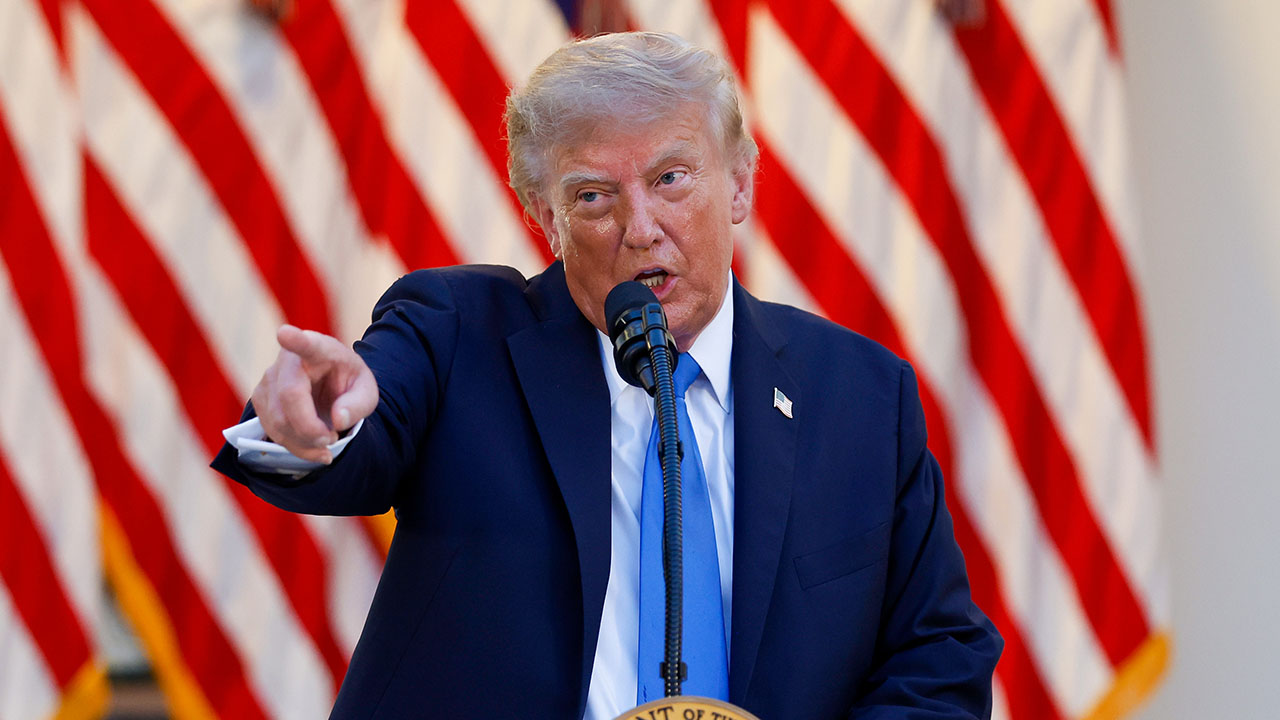
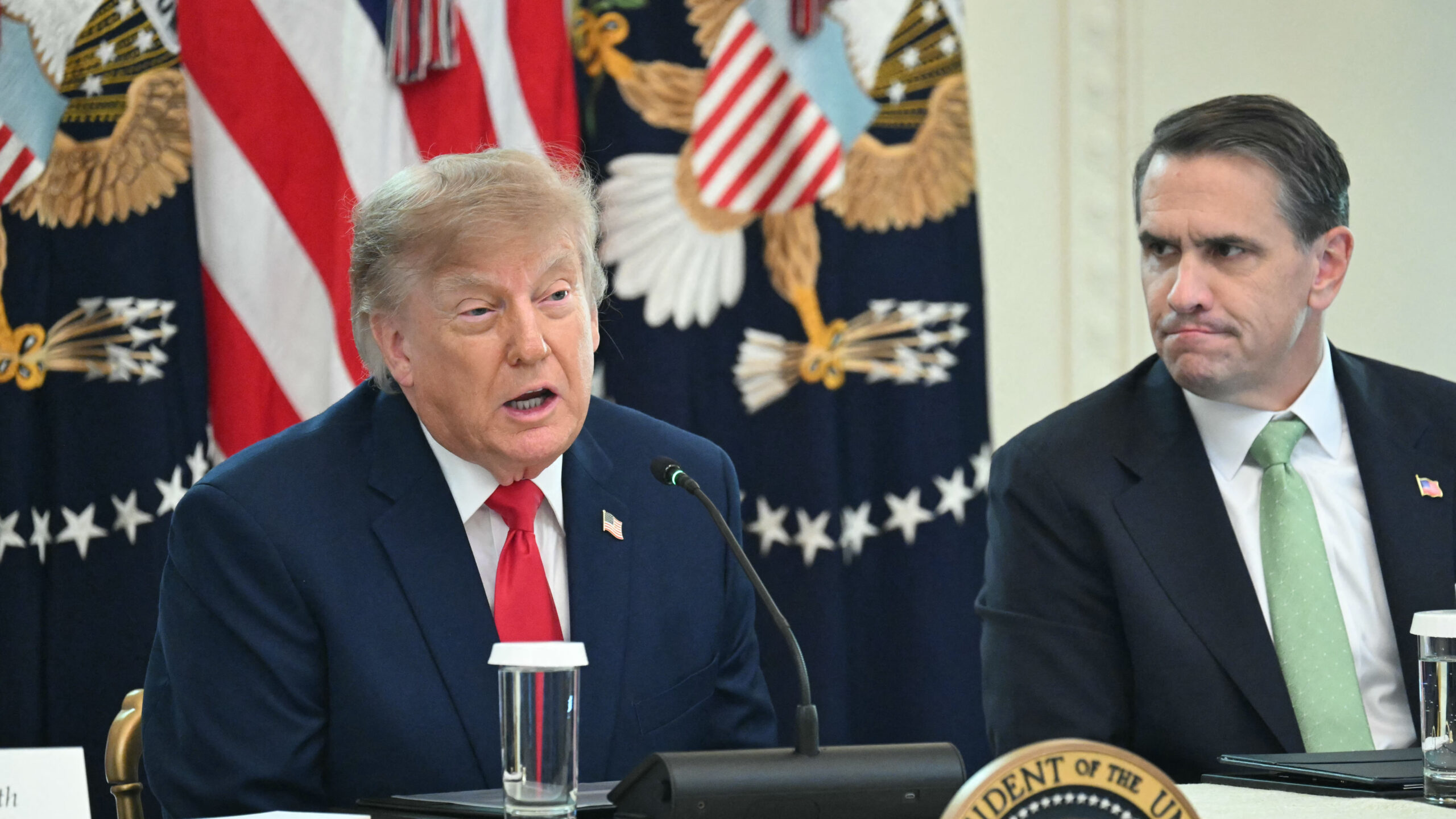
The Supreme Court blocked President Donald Trump’s mail-in ballot rules to go into effect Monday, upholding a federal judge’s preliminary injunction blocking them.
Freedom Is Back
In Style
Premium domains for sale
“The government is unlikely to succeed on the merits of its challenge to the district court’s preliminary injunction,” the court ruled in an unsigned order. The court ruled that “the equitable factors applicable for obtaining emergency relief from this court do not favor a stay.”
Justice Samuel Alito, with whom Justice Clarence Thomas concurred, dissented. In his dissent, Alito wrote “the plaintiff States and the courts bear a substantial share of the blame for the rule’s timing.”
In April, the plaintiff States sued to challenge the President’s internal directive to subordinates mandating a rulemaking. For months, this litigation cast a cloud over the Government’s ability to issue a final rule. The District Court entered several injunctions months later prohibiting the Government from undertaking that rulemaking.
Not only was the Government subject to months of premature litigation and a series of injunctions that this Court later determined were likely issued without jurisdiction, the Government had to wait nearly another full month for this Court to issue its decision so holding. Indeed, this Court spent from late July to the end of August drafting nearly 40 pages of opinions, including two dissents, despite the Government’s public notice that it would not publish a final rule while subject to the injunctions … and its representation that it had a strong interest in issuing its rule in early to mid-August to allow time to implement it.
The plaintiff States cannot claim the timing of the rule tilts the equities in their favor when they, and courts hearing their claims, are responsible for so much of the delay.
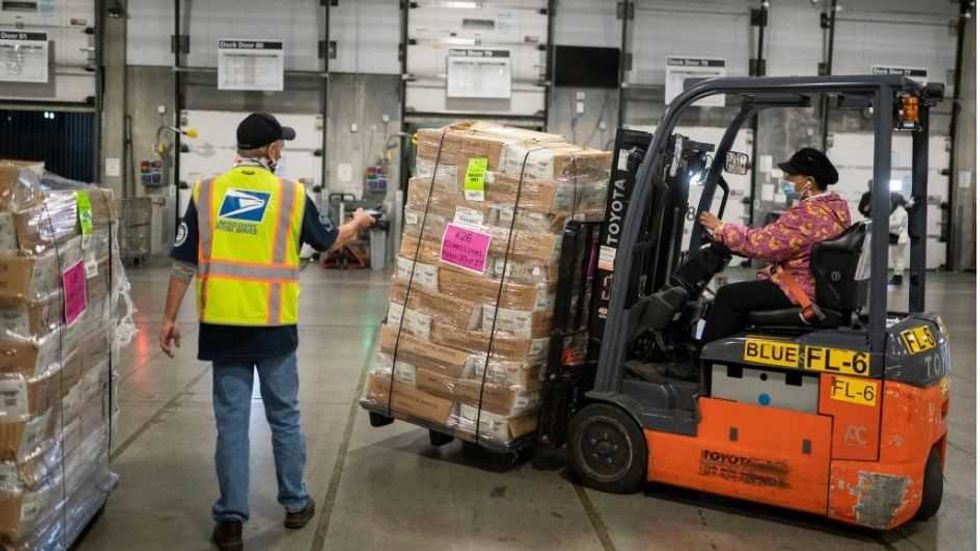
The decision blocks the USPS from enforcing a rule ahead of the Nov. 3 midterm elections.
Trump signed an executive order in March titled “Ensuring Citizenship Verification and Integrity in Federal Elections.”
The order directs the Department of Homeland Security to create lists of U.S. citizens in each state and send those lists to states at least 60 days before a federal election. It directs the U.S. attorney general to prioritize the prosecution of state and local officials who issue federal ballots to ineligible voters, and it directs the U.S. Postal Service to obtain lists of voters to whom states intend to send mail ballots, and directs USPS not to deliver ballots to voters who are not on the state-provided lists.
The attorneys general of 23 states and the District of Columbia, led by California Attorney General Rob Bonta, sued to block the government’s implementation of the order. They argued the executive order conflicts with the Constitution’s provision giving states the authority to determine voter eligibility and to set the “Times, Places, and Manner” of holding elections. Nonprofit groups led by the League of Women Voters of Massachusetts also sued.
U.S. District Judge Indira Talwani issued an injunction blocking the government from implementing the rules on or before the election in the 23 states and D.C. The government appealed, and the Supreme Court ultimately blocked Talwani’s order last month, ruling that the lawsuit was premature because USPS had not finalized regulations implementing the order. The Supreme Court stated that future challenges could proceed once USPS finalized the rule.
USPS published its rules on Aug. 21, requiring states to provide USPS with information on intended mail-ballot recipients and requiring ballot envelopes to use specified election-mail designs and barcodes. The states and nonprofits sued again, and Judge Talwani issued another temporary restraining order blocking the rule. She concluded that the rule likely exceeded federal authority and that it threatened to disenfranchise voters because states had already begun to mail ballots.
The administration returned to the Supreme Court, asking the court to block Talwani’s order, arguing that the judge had blocked the rule without providing substantive reasons for doing so.
“The rule’s regulation of the U.S. mail—not federal elections—is plainly constitutional,” Solicitor General John Sauer wrote in the application. He argued that “the Postal Service’s final rule imposes only modest envelope-design and addressee-information requirements for federal-election ballots sent via U.S. mail.”
Sauer argued that the denial of a stay in this case will cause the government irreparable harm, because many states will mail out ballots this week. He quoted the prior Supreme Court ruling that “the District Court’s errors deal ‘a serious setback’ to the executive’s ‘goals’ while this litigation unfolds.”
Justice Brett Kavanaugh, a Trump appointee, wrote a concurring opinion, stating that “there is at least a fair prosepct that the final rule falls within the Postal Service’s statutory authority.” Yet he ruled that “applying the rule in the 2026 elections would be arbitrary and capricious in violation of the Administrative Procedure Act because state and local officials do not have sufficient time to reasonably implement the rule before the elections.”
North Carolina has already begun mailing absentee ballots, and other states are scheduled to begin doing so in the coming days.
This article may be updated.
More from this network:
Domains for Sale · GOTPeople.org · TheDSAPlatform · The Truth About Socialism
What's Your Reaction?
 Like
0
Like
0
 Dislike
0
Dislike
0
 Love
0
Love
0
 Funny
0
Funny
0
 Wow
0
Wow
0
 Sad
0
Sad
0
 Angry
0
Angry
0

I am just an average American. My teen years were in the late 70s and I participated in all that that decade offered. Started working young, too young. Then I joined the Army before I graduated High School. I spent 25 years in, mostly in Infantry units. Since then I've worked in information technology positions all at small family owned companies. At this rate I'll never be a tech millionaire. When I was young I rode horses as much as I could. I do believe I should have been a cowboy. I'm getting in the saddle again by taking riding lessons and see where it goes.
Premium domains for sale







Comments (0)