

DOJ Defends Election Fraud Probes in California as Legal Battle Over Voter Rolls Intensifies
Premium domains for sale
Freedom Is Back In Style
The Justice Department defended its authority to ensure “fair” elections in California after it launched multiple election fraud investigations coupled with litigation over voter registration.
Freedom Is Back
In Style
Premium domains for sale
California has long been known for liberal practices such as ballot harvesting, with a universal mail-in voting system that allows ballots to arrive a week after Election Day, and no voter ID requirements.
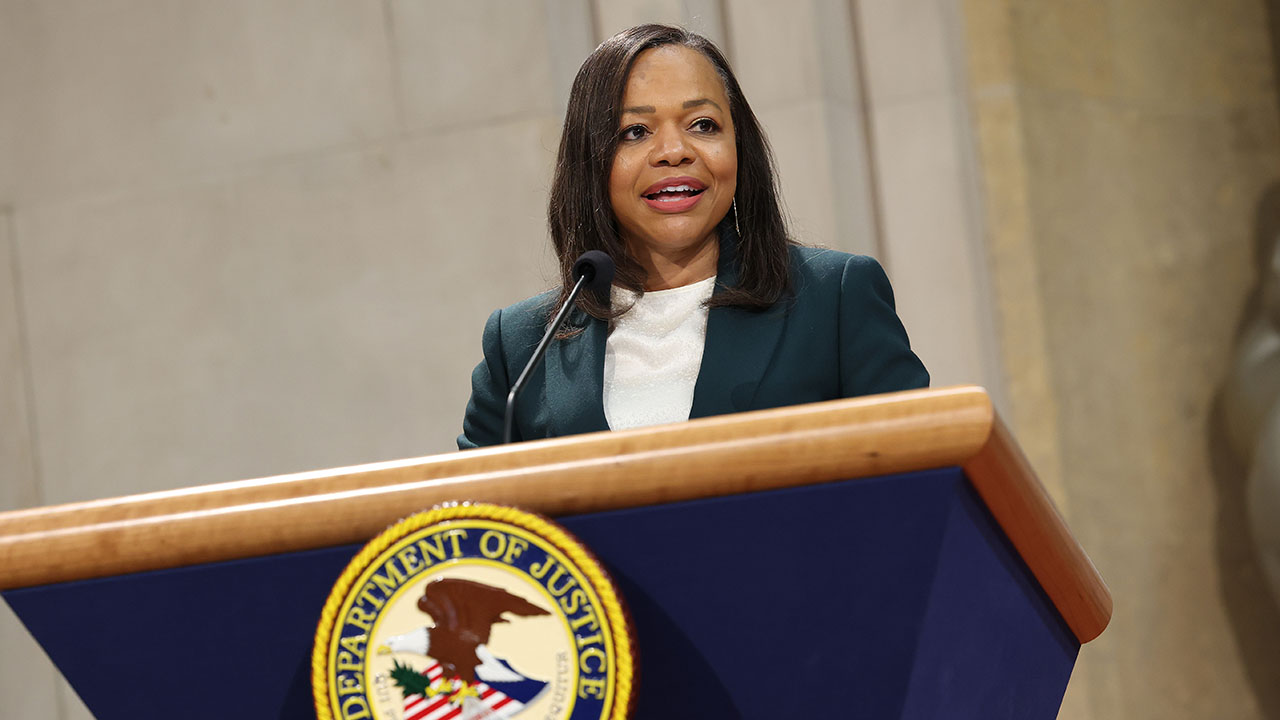
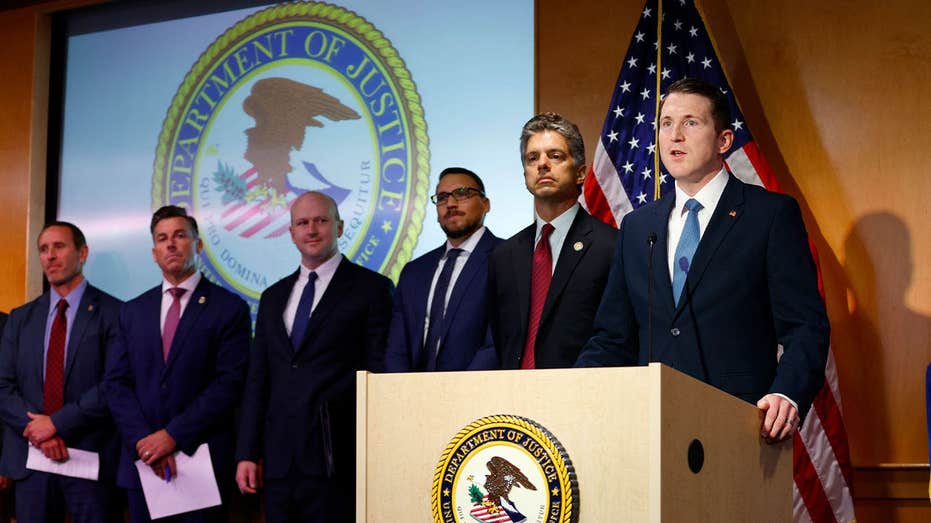
“The Department of Justice has statutory authority to enforce our nation’s election laws, including through requesting state voter rolls and monitoring returns when candidates for federal office are on the ballot,” Justice Department spokeswoman Natalie Baldassarre told the Daily Signal.
“The department’s investigations into voter fraud in California are in line with this authority and will continue despite the state’s unwillingness to comply and reassure voters that their elections are, in fact, free, fair, and transparent,” Baldassarre continued. “Protecting election integrity is a top priority for the Trump administration.”
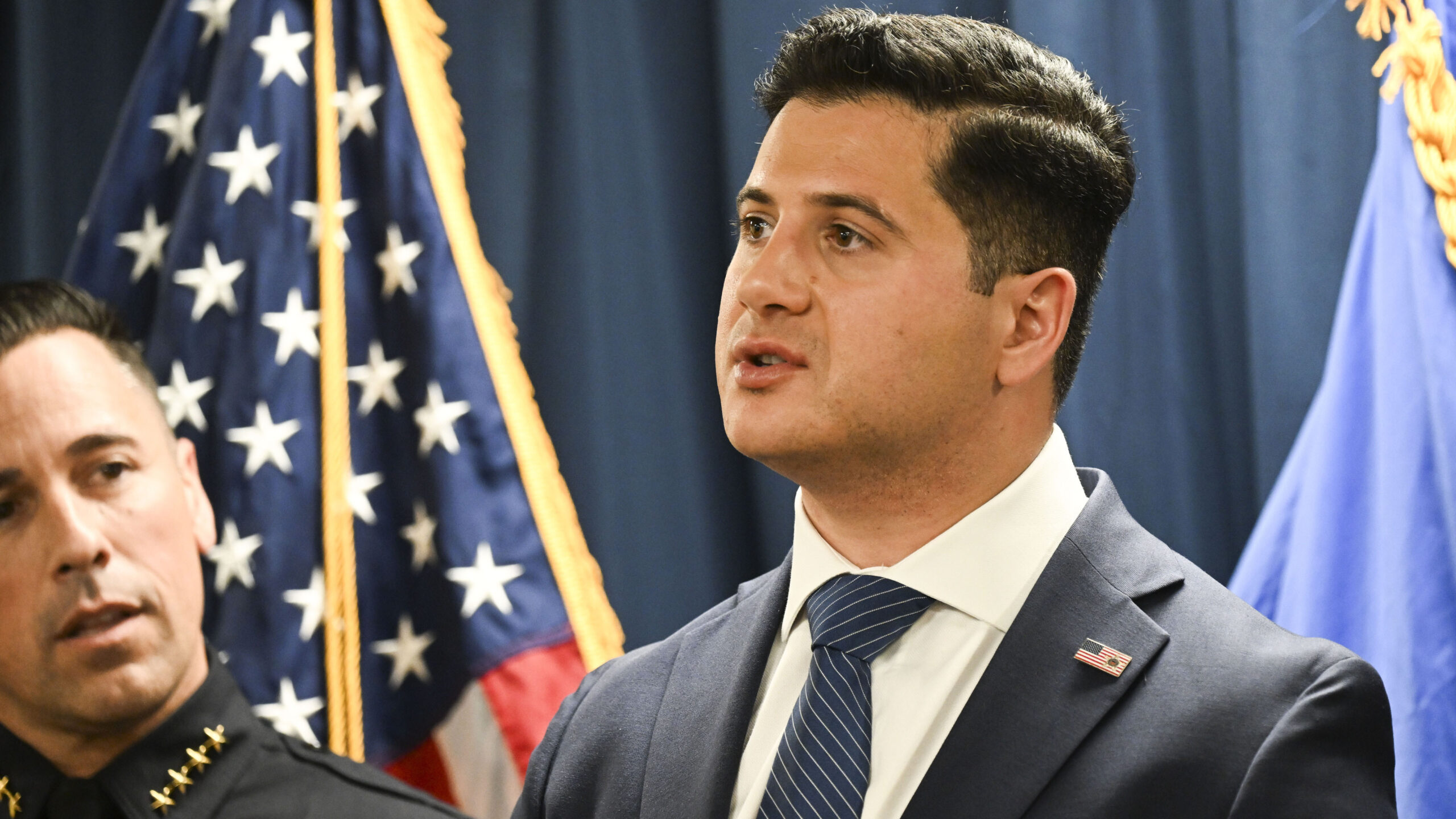
Bill Essayli, first assistant U.S. attorney for the Central District of California, posted on X just days after the recent contentious primary elections that his office launched fraud investigations and would “follow the evidence.”
“Without commenting on any specific investigation, my office has multiple election fraud investigations underway in coordination with @FBILosAngeles,” Essayli posted June 5 on X. “We will follow the evidence wherever it leads and prosecute any violations of federal election law to the fullest extent.”
California, which takes a long time to count ballots in most years, garnered significant attention this year over the Los Angeles mayor’s race. On election night, it appeared Republican Spencer Pratt would be among the top two finishers to advance to the November general election before he was overtaken days later, with two Democrats—incumbent Mayor Karen Bass and City Council member Nithya Raman—advancing.
“California may not be cheating because cheating is legal in the state,” Jason Snead, executive director of the Honest Elections Project, told the Daily Signal. “Mass harvesting of votes, and stuffing mailboxes full of votes are all legal in California.”
Well before the California primary season, the Justice Department Civil Rights Division sought access to the state’s voter registration information to ensure compliance with the National Voter Registration Act and the Help America Vote Act.
In January, U.S. District Judge David O. Carter of the Central District of California ruled the state did not have to provide the data to the Justice Department. The federal government appealed to the 9th Circuit Court of Appeals, where a three-judge panel heard arguments in May.
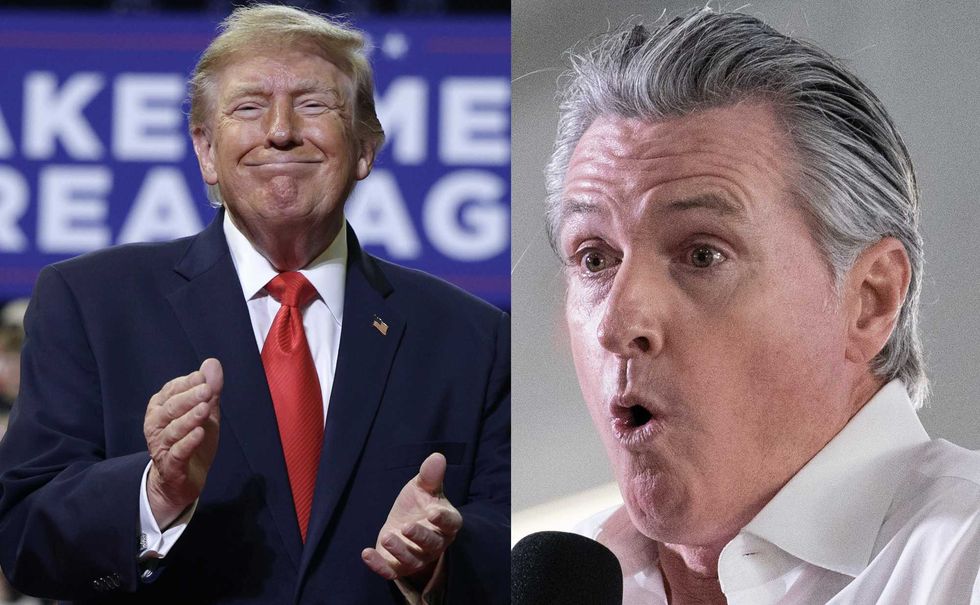
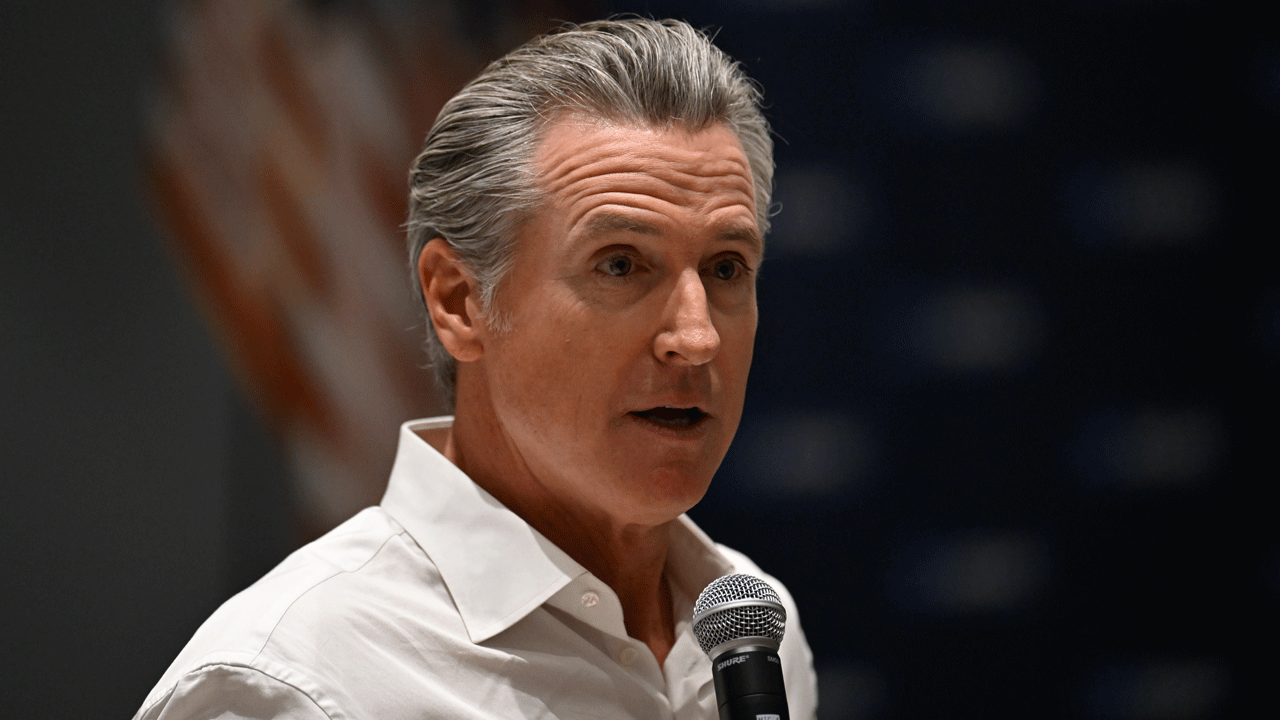
In late May, Gov. Gavin Newsom signed a bill to create legal barriers to prevent the federal government from accessing voter rolls, voter lists, or certified voting technology without a specific court order.
“California will not allow our elections to be commandeered by political intimidation, abuse of power, or chaotic interference from extremists chasing conspiracy theories,” Newsom said in a public statement. “This law protects voters, election workers, and the integrity of the democratic process from election-deniers who want to undermine democracy.”
California has automatic voter registration for residents completing driver license, identification card, or change of address transactions. It allows universal mail-in voting where ballots are automatically mailed to every registered voter. Other states require voters to request a ballot for mail-in voting.
A ballot postmarked by Election Day may arrive for counting up to seven days after Election Day. Further, the state has a 22-day grace period after Election Day for people to “cure” defective mail ballots.
Further, the Public Interest Legal Foundation, a watchdog group that reviews voter registration data nationally, found more than 23,000 deceased registrants on the voter rolls as of 2018. It also found 7,244 registered voters with non-residential addresses.
“The California legislature enacted laws to protect their power,” Don Palmer, a former chairman of the U.S. Election Assistance Commission, now a senior legal fellow at The Heritage Foundation, told the Daily Signal. “It is damning that officials mail ballots out to addresses and they don’t even know if the voter is there.”
Although the primary contests for the California governor and Los Angeles mayor drew national attention, federal candidates for the U.S. House of Representatives are also on the ballot this year in California. The Justice Department would have oversight of federal elections.
The Daily Signal contacted the offices of both California Attorney General Rob Bonta, who oversees legal matters for the state, and Secretary of State Shirley Weber, the state’s chief election official. Neither responded.
Essayli, the top federal prosecutor in the Los Angeles area, posted in a separate message on X, “We also have serious concerns about how California maintains its voter rolls. There are open questions about whether the state is promptly removing deceased voters, people who have moved, and individuals convicted of disqualifying felonies.”
“On top of that, California allows third parties to collect and turn in ballots on voters’ behalf (a practice known as ballot harvesting) with few restrictions,” he continued in the post. “This makes it difficult to track who actually received, completed, and submitted each ballot.”
More from this network:
Domains for Sale · GOTPeople.org · TheDSAPlatform · The Truth About Socialism
What's Your Reaction?
 Like
0
Like
0
 Dislike
0
Dislike
0
 Love
0
Love
0
 Funny
0
Funny
0
 Wow
0
Wow
0
 Sad
0
Sad
0
 Angry
0
Angry
0

I am just an average American. My teen years were in the late 70s and I participated in all that that decade offered. Started working young, too young. Then I joined the Army before I graduated High School. I spent 25 years in, mostly in Infantry units. Since then I've worked in information technology positions all at small family owned companies. At this rate I'll never be a tech millionaire. When I was young I rode horses as much as I could. I do believe I should have been a cowboy. I'm getting in the saddle again by taking riding lessons and see where it goes.
Premium domains for sale






Comments (0)