

Exclusive: CBP stops 300+ hatching eggs at the border — possibly preventing bird flu outbreak
Premium domains for sale
Freedom Is Back In Style
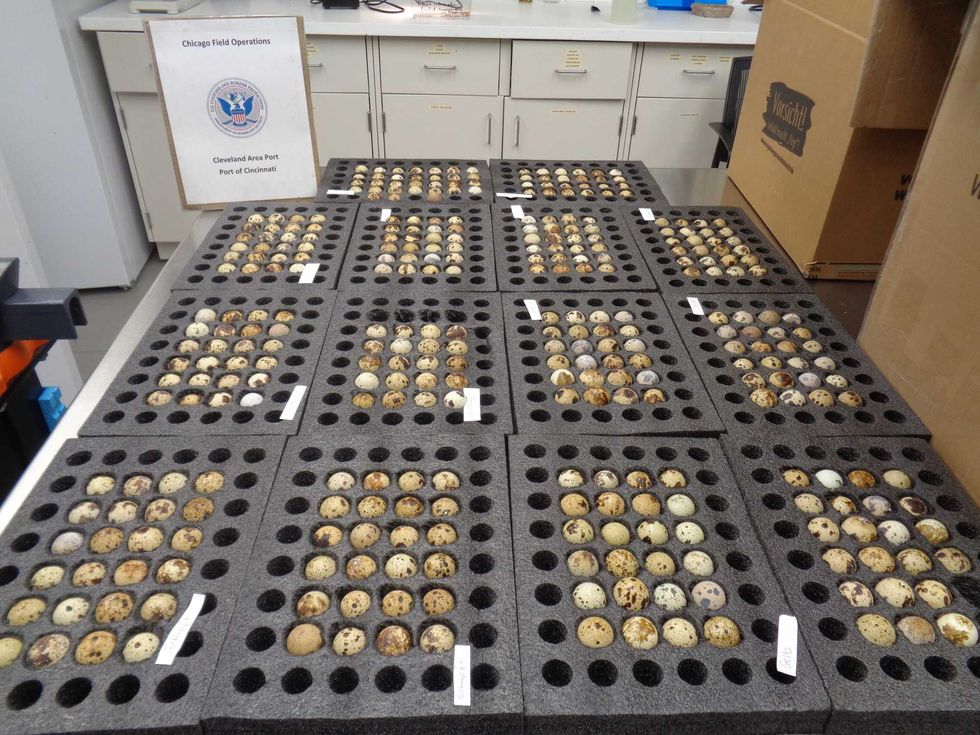
Customs and Border Protection agriculture specialists have discovered hundreds of hatching eggs that could be carrying infectious diseases packed in layers of foam, according to a press release obtained exclusively by Blaze News.
Freedom Is Back
In Style
Premium domains for sale
The 337 eggs, incorrectly manifested as “winter jackets,” were shipped from Germany and headed to Alaska. CBP revealed that the items, seized on May 27, lacked proper documentation.
‘These interceptions highlight the vigilance and dedication our CBP agriculture specialists demonstrate daily.’
“Hatching eggs include all avian species, including poultry, game birds, racing pigeons, and other birds,” the CBP reported.
“These live eggs are shipped to the United States for hatching or reproductive purposes. Upon arrival, the eggs would be incubated, hatched, and raised,” the CBP continued. “For agricultural purposes, hatching eggs fall under regulations for live animals and are highly regulated because they can carry Newcastle disease and avian influenza.”
The eggs were seized and turned over to the local U.S. Department of Agriculture Animal and Plant Health Inspection Service. The CBP noted that the USDA does not allow the importation of hatching eggs from countries that have highly pathogenic avian influenza.
 Ian Waldie/Getty Images
The department warned that such unauthorized shipments risk spreading diseases that could impact the U.S. food supply.
Since the start of an avian influenza outbreak in Feb. 2022, nearly 207 million birds in the U.S. have been affected, according to the USDA Animal and Plant Health Inspection Service. Outbreaks have occurred in over 2,000 flocks in all 50 states and one territory.
RELATED: PAYBACK: No $10K fine for owners of slain ostriches
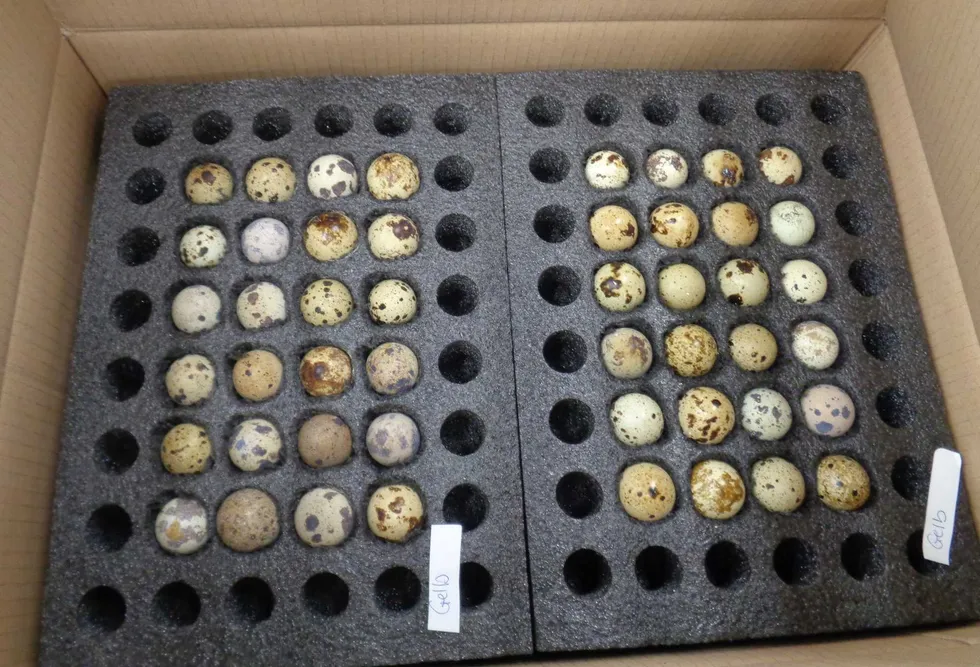 Image source: Customs and Border Protection
“Our nation’s food supply is constantly at risk from diseases not known to occur in the United States,” stated Eric Zizelman, the port director for the Port of Cincinnati. “These interceptions highlight the vigilance and dedication our CBP agriculture specialists demonstrate daily. Our specialists mitigate the threat of non-native pests, diseases, and contaminants entering the United States. They ensure the United States is safe from harmful diseases that could affect our food supply.”
CBP encouraged international travelers to declare all items acquired abroad and advised those who wish to bring plant and animal materials or other agricultural items to first consult the CBP Information Center section on the agency’s website.
Like Blaze News? Bypass the censors, sign up for our newsletters, and get stories like this direct to your inbox. Sign up here!
More from this network:
Domains for Sale · GOTPeople.org · TheDSAPlatform · The Truth About Socialism
What's Your Reaction?
 Like
0
Like
0
 Dislike
0
Dislike
0
 Love
0
Love
0
 Funny
0
Funny
0
 Wow
0
Wow
0
 Sad
0
Sad
0
 Angry
0
Angry
0

I am just an average American. My teen years were in the late 70s and I participated in all that that decade offered. Started working young, too young. Then I joined the Army before I graduated High School. I spent 25 years in, mostly in Infantry units. Since then I've worked in information technology positions all at small family owned companies. At this rate I'll never be a tech millionaire. When I was young I rode horses as much as I could. I do believe I should have been a cowboy. I'm getting in the saddle again by taking riding lessons and see where it goes.
Premium domains for sale
























Comments (0)