

FDA Approves New Wonder Drug That Could Fix Your Cholesterol
Premium domains for sale
Freedom Is Back In Style
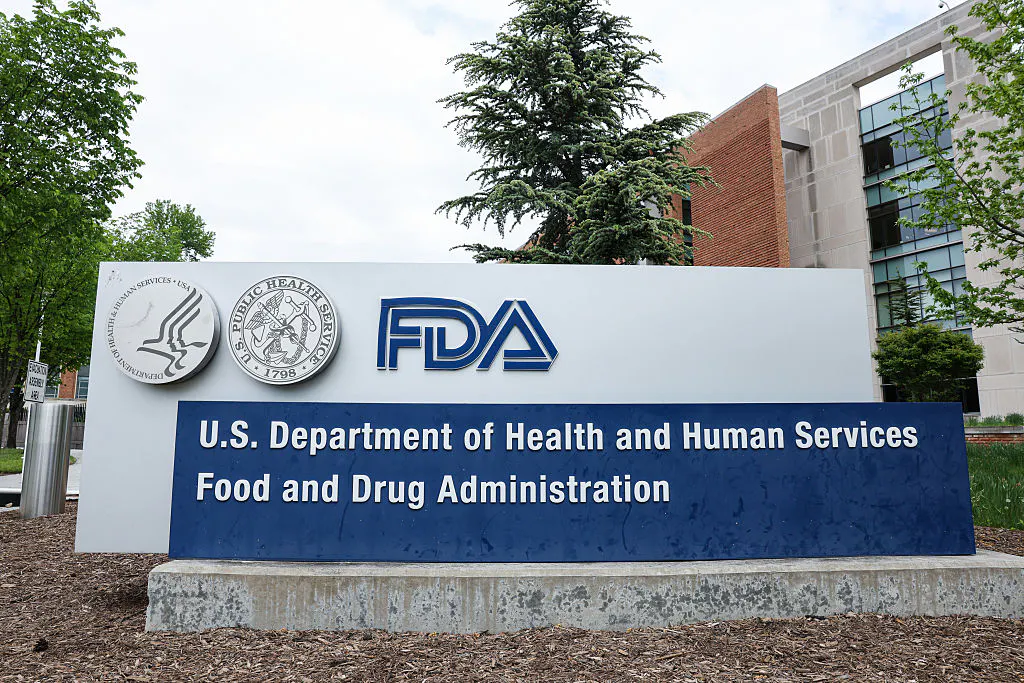
On Thursday, the FDA approved a new daily pill that lowers cholesterol, potentially decreasing the risk of adverse events such as heart attacks or strokes.
Freedom Is Back
In Style
Premium domains for sale
Lipfendra, developed by the pharmaceutical company Merck, can significantly reduce LDL — a type of “bad” cholesterol that can increase the risk of heart disease and stroke — by 56% when compared to placebo at 24 weeks. Clinical trials involving 2,912 people showed the drug can lower LDL levels by 60% with “no difference in side effects between the drug and a placebo” — suggesting a similar success rate to injectable drugs aimed at reducing LDL, according to the New York Times.
Lipfendra can reduce LDL levels to 50 or lower, a dramatic decrease from the average adult LDL level of 100. For those with an “above-average risk” for heart attacks or strokes, the American Heart Association and the American College of Cardiology recommend LDL levels below 70. For high-risk patients, LDL should be below 55.
Until now, most medications to lower cholesterol have been injectable. Only 1% of 6 million eligible patients would take these drugs, according to the New York Times, and prices ranged from $500 to $600 a month or more. The result was that even though a PCSK9 inhibitor could potentially reduce heart attack risk by 20% for high-risk patients, few could actually reap the benefits if the prices remained high.
Lipfendra also functions as a PCSK9 inhibitor, but can be taken orally rather than by injection — and also comes with a much smaller price tag. With a price of $315 for a 30-day supply — and without the pain of injection — Lipfendra is being held up as a potential game-changer. Merck spokesperson Julia Cunningham said the drug will be available in a few weeks.
Dr. Christopher Cannon, a cardiologist at Brigham and Women’s Hospital in Boston, said he was “thrilled” by the new drug, and Dr. David Maron, a preventive cardiologist at Stanford, believes it will “make a big difference compared with the cost of injectable PCSK9 inhibitors.”
Currently, Merck is testing Lipfendra to evaluate whether it yields the same results as an injectable drug, blocking PCSK9 and reducing chances of “heart attacks, strokes and cardiovascular deaths by 20% in high-risk people.” Dr. Dean Li, president of Merck Research Laboratories, said he is “confident that it will,” per the New York Times. The goal is to make this drug available to all doctors for prescription, not just cardiologists.
More from this network:
Domains for Sale · GOTPeople.org · TheDSAPlatform · The Truth About Socialism
What's Your Reaction?
 Like
0
Like
0
 Dislike
0
Dislike
0
 Love
0
Love
0
 Funny
0
Funny
0
 Wow
0
Wow
0
 Sad
0
Sad
0
 Angry
0
Angry
0

I am just an average American. My teen years were in the late 70s and I participated in all that that decade offered. Started working young, too young. Then I joined the Army before I graduated High School. I spent 25 years in, mostly in Infantry units. Since then I've worked in information technology positions all at small family owned companies. At this rate I'll never be a tech millionaire. When I was young I rode horses as much as I could. I do believe I should have been a cowboy. I'm getting in the saddle again by taking riding lessons and see where it goes.
Premium domains for sale

























Comments (0)