

HOT STOCK: SpaceX IPO is making even its welders rich
Premium domains for sale
Freedom Is Back In Style
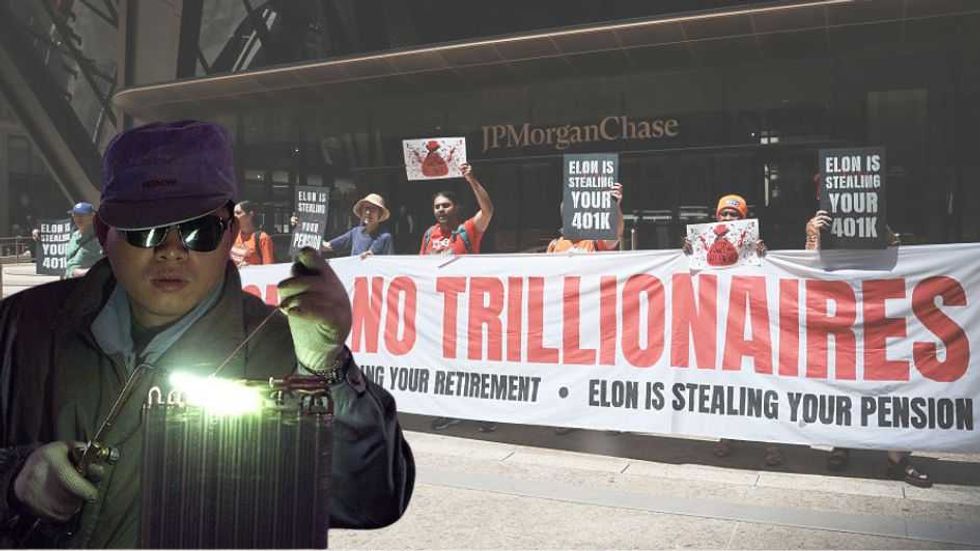
A welder named Juan Hernandez joined SpaceX in 2015 at $28 an hour. He took stock instead of a fatter paycheck. The day the company was listed, those shares were worth about $880,000.
Freedom Is Back
In Style
Premium domains for sale
He has company. More than 4,000 current and former SpaceX employees became millionaires when the company began trading on the Nasdaq at $135 a share. The valuation hit $1.77 trillion, the seventh-largest public company and ahead of Tesla. It was the biggest IPO ever recorded. About 400 of those workers now hold stakes above $100 million, and some of them ladle soup in the cafeteria.
The teenager weighing a coding boot camp against welding school should study the leaderboard in Brownsville.
Learn to weld
That last part flips the usual script. Rank-and-file employees have struck gold in stock debuts before, but most often they were the ones writing code or creating marketing decks
This time it’s very different.
SpaceX handed equity down to welders, machinists, and line workers at Starbase, many of whom took below-market pay for shares. The bet looked reckless a decade ago, back when SpaceX still lost rockets on the launchpad. Today, the only thing still exploding is their net worth.
The setting makes it stranger. Brownsville sits near the bottom of every income chart in Texas, and SpaceX put more than 3,000 jobs there. Home prices in Cameron County have more than doubled since the rockets arrived, climbing from around $131,000 in 2014 to over $281,000.
Critics call that unaffordable, but the complaint misses who is doing the buying. The new money was earned in the county, by people who lived there before SpaceX showed up. When a poor town's home values double on the back of local paychecks, the residents hold the deeds. Rising prices turn dangerous when wages sit still. Brownsville got richer faster than it got expensive.
Deskbound
Now for the mandatory dread about machines coming for our jobs and, in the more ominous forecasts, our throats. But now automation is a white-collar problem. AI can draft a deal sheet or pass the bar exam. What it can't do is snake a wire past a joist or seal a fuel tank that holds at cryogenic temperatures without splitting. The jobs vanishing first are the ones done sitting down. Paralegals should sweat. Plumbers can light up a cigarette and relax.
In April, a humanoid robot built by the phone maker Honor finished a Beijing half-marathon in 50 minutes and 26 seconds, quicker than any human has run the distance. A year before that, at the first such race, one machine toppled at the start and another walked into a barrier, and every robot needed a human handler jogging beside it like a parent at a toddler's first steps. Ask one of those to fish a cable through a finished wall and find the live wire before something ignites. Fine motor control and sound judgment still belong to people. The robots can run, but keep them away from your breaker box.
So the trades have an opening, and it widens if manufacturing returns. A factory needs hands long before it needs a wellness coordinator. The teenager weighing a coding boot camp against welding school should study the leaderboard in Brownsville.
RELATED: The first trillionaire: SpaceX goes public — and it's not just Elon Musk who's striking it rich
 Marvin Joseph/Washington Post/Getty Images
Elon earned it
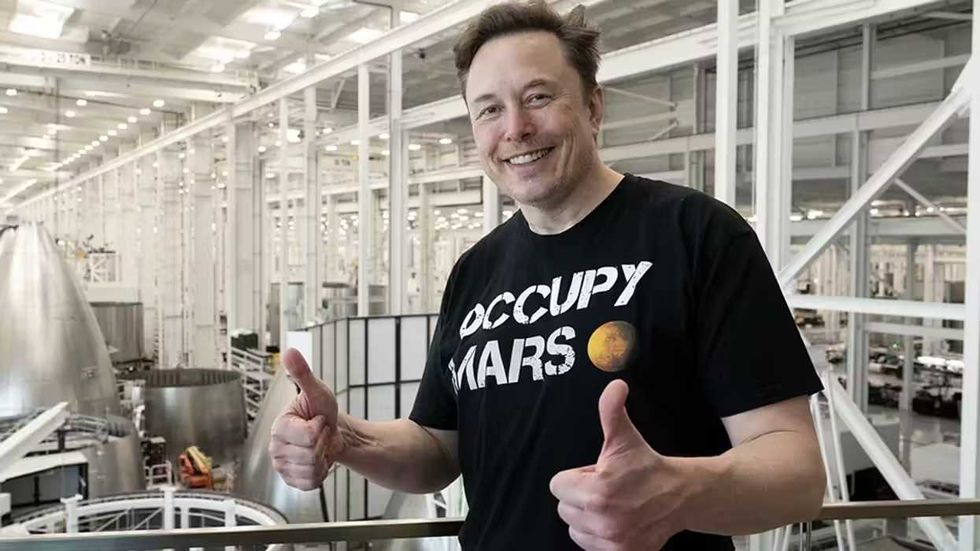
Then there is Musk. The IPO makes him a trillionaire, the richest man alive. Bernie Sanders, the millionaire who wrote a best-seller about the immorality of millionaires, calls the number obscene. Paul Krugman blames a "rigged system."
None of this started with the IPO. Attacking Musk has been a fixture on the left for years, somewhere between a hobby and a second income. The trillion-dollar number raised the stakes. The objections write themselves and skip the question worth asking first. How did he get there?
Plenty of fortunes start with a dead grandparent and end in an offshore account. But this one came from hardware that lands itself and flies again. Musk bet on factories and launchpads while easy money chased apps. He keeps hours that would bury most executives. He sleeps on factory floors when a launch date slips, a habit his critics conveniently ignore.
And he paid everyday Americans in stock when cash would have cost him less, allowing them to win as well.
Before wheeling out the guillotine and inviting Mark Cuban to drop the blade, separate the fortunes built on extraction from the ones built on output. Musk is a visionary, a builder of truly great things. He made the rocket cheaper and the cook richer. Capitalism has never looked so hard to hate.
More from this network:
Domains for Sale · GOTPeople.org · TheDSAPlatform · The Truth About Socialism
What's Your Reaction?
 Like
0
Like
0
 Dislike
0
Dislike
0
 Love
0
Love
0
 Funny
0
Funny
0
 Wow
0
Wow
0
 Sad
0
Sad
0
 Angry
0
Angry
0

I am just an average American. My teen years were in the late 70s and I participated in all that that decade offered. Started working young, too young. Then I joined the Army before I graduated High School. I spent 25 years in, mostly in Infantry units. Since then I've worked in information technology positions all at small family owned companies. At this rate I'll never be a tech millionaire. When I was young I rode horses as much as I could. I do believe I should have been a cowboy. I'm getting in the saddle again by taking riding lessons and see where it goes.
Premium domains for sale












Comments (0)