

Medicare for All Means More Government Control—Just Look at Monoclonal Antibodies

Premium domains for sale
Freedom Is Back In Style
Here we are in another election cycle, and just like the migratory birds that return every season, so has the progressive cause célèbre of single-payer universal health coverage, also being marketed as Medicare for All.
Freedom Is Back
In Style
Premium domains for sale
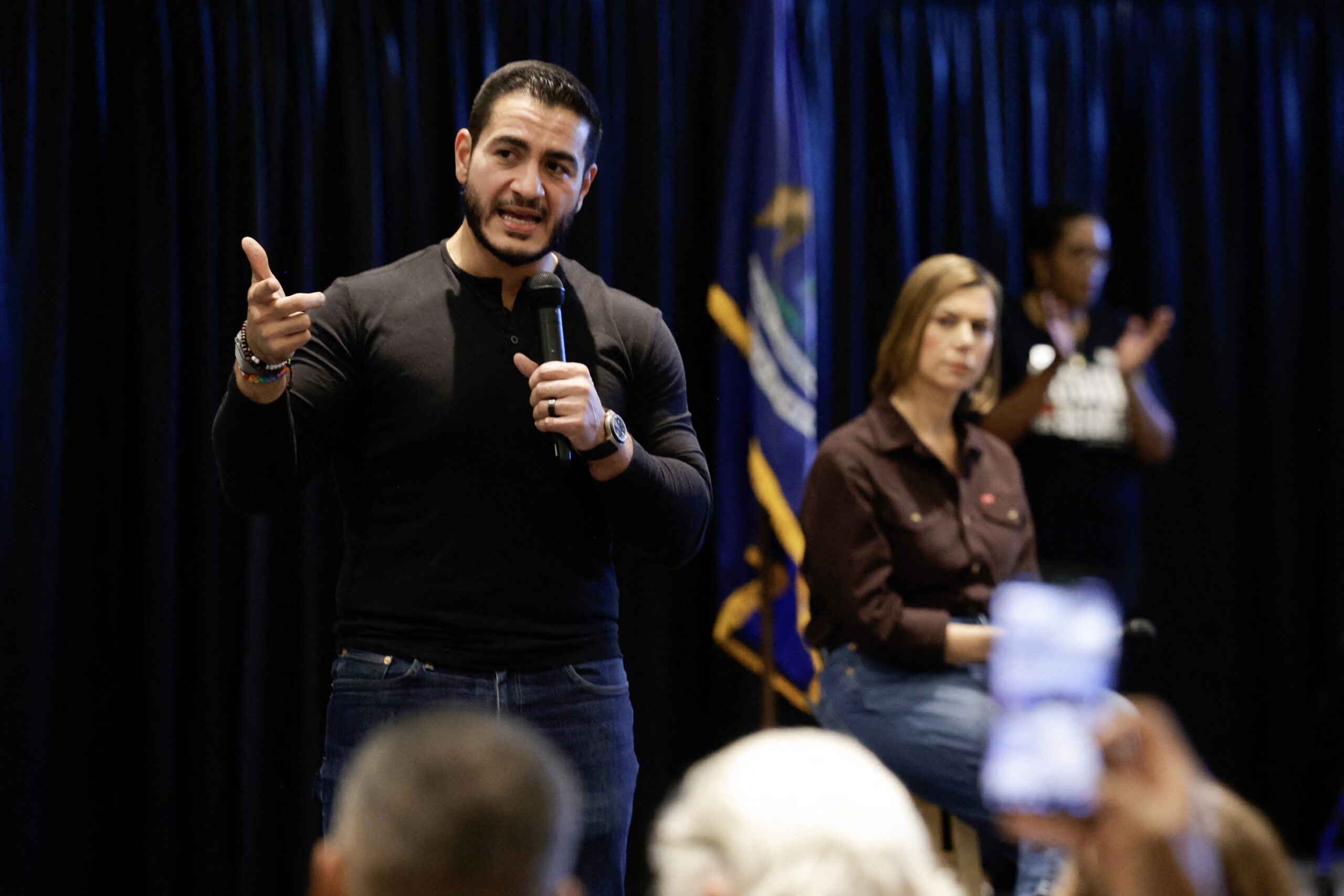
This has become a central part of the socialist platform and is the cornerstone of the Senate campaigns of Abdul El-Sayed in Michigan and James Talarico in Texas, among scores of other socialists running as Democrats this year.
This is not a new concept, yet with more dissatisfaction regarding the high cost of healthcare and frustrations with medical insurance, its message may be gaining traction.
Sen. Bernie Sanders, I-Vt., has been the driving force behind this effort, but it has fallen short in the past. In his home state of Vermont, the Green Mountain Healthcare Plan was considered but quickly abandoned because of exorbitant costs. Every resident was going to see a state tax of 9.5% and businesses an 11.5% tax to pay for this plan.
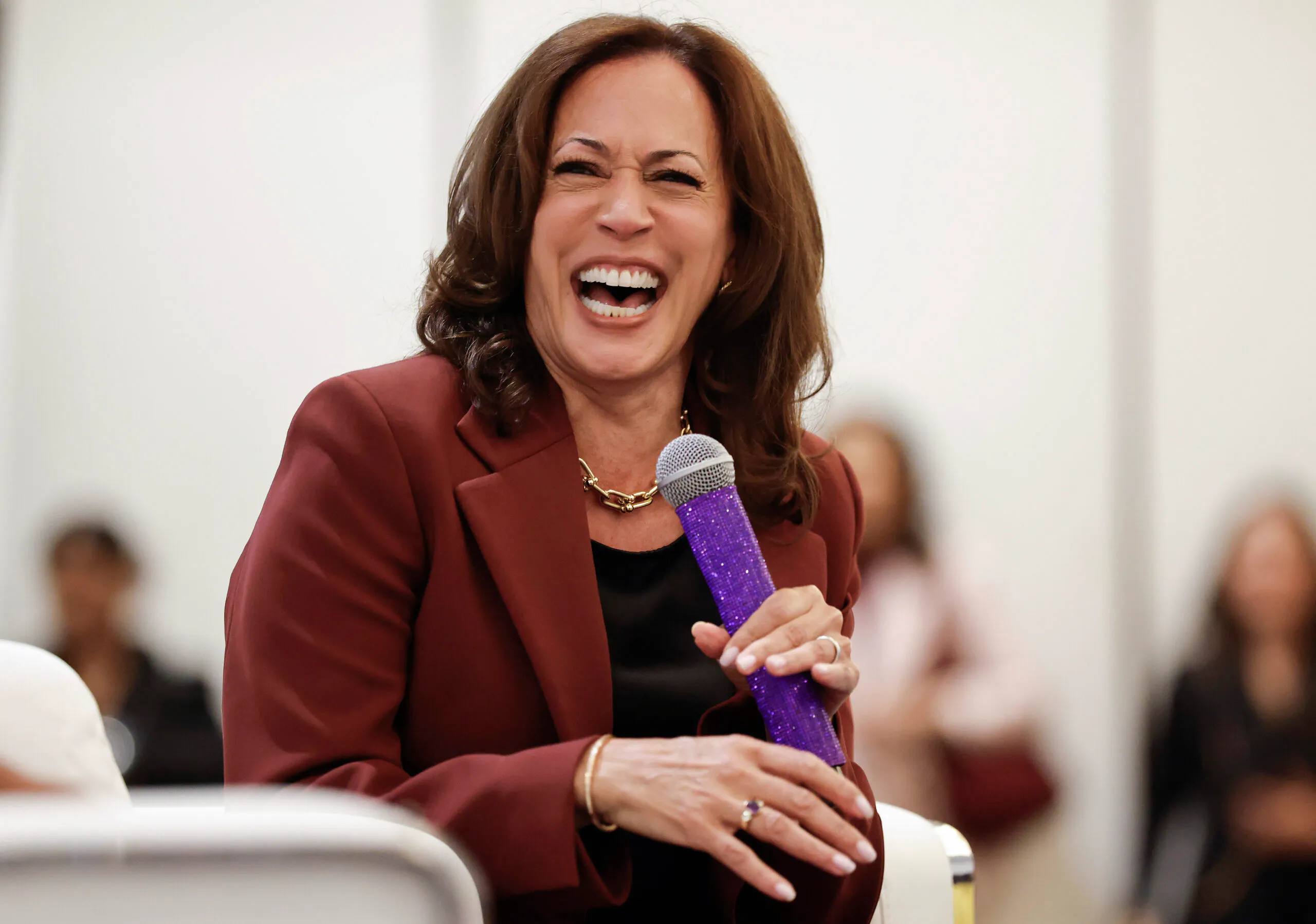
In 2019, the progressive Senate Democrats, including Sanders, Kamala Harris, Kirsten Gillibrand, D-N.Y., Elizabeth Warren, D-Mass., and Cory Booker, D-N.J., tried unsuccessfully to get through a Medicare for All bill, which would fundamentally change healthcare in America, ending private healthcare insurance and giving the government total control over healthcare.
The price tag at the time was estimated at $33 trillion over 10 years, but it was expected to cost much more, as these programs always do.
The problem with these plans is that they are unaffordable, difficult to administer, and the only way to control costs is to ration care. This is not conjecture. It’s reality in countries that have single-payer healthcare, like Canada and the United Kingdom.
The Fraser Institute reported that in 2025, 100,000 Canadians came to the United States for medical treatment, largely because of prolonged wait times to see a specialist or get urgent treatment. Patients in Canada could expect to wait 13 weeks for medically necessary treatment after seeing a specialist, not including the 15-week wait to see the specialist.
In the UK, the National Health Service (NHS) relies on National Institute for Health and Care Excellence (NICE) guidelines to determine who receives care for certain conditions, including cancer. They use QALYs (quality-adjusted life years) to measure the health benefits and cost-effectiveness of certain treatments for patients before approving them. In both Canada and the UK, more patients have opted for private care because the state-run systems are failing them. They work if you are healthy or need minimal or uncomplicated care but often fall short beyond that.
Here in the U.S., there have been attempts to limit care for patients. The U.S. Preventive Services Task Force (USPSTF) made recommendations limiting Prostate-Specific Antigen (PSA) testing for prostate cancer and subsequent treatment, which ultimately resulted in an uptick in cases of advanced cancers that could have been completely cured with earlier diagnosis or more aggressive treatment.
Medicare for All is a Trojan Horse for government-controlled healthcare.
It will not be better healthcare when bureaucrats make decisions for patients. Fraud and abuse have long been a problem with Medicaid and Medicare, but only now is it receiving the attention it deserves. This problem will explode in a system that the government is unprepared to police.
The danger is not merely that Washington would pay every medical bill. It would increasingly determine which treatments reach patients in the first place, and which ones are worth covering.
We already see how arbitrary regulatory distinctions can shape the treatment options available to doctors, especially at the Food and Drug Administration (FDA), which picks winners and losers, preventing important, potentially life-saving treatments from reaching the market quickly.
Monoclonal antibodies are a great example of this. These laboratory-created proteins can be engineered to target cancer, autoimmune disorders, infectious diseases, and other serious conditions with great precision, yet they are held up while other treatments such as vaccines get fast-tracked for approval.
As The Heritage Foundation’s Pete St. Onge aptly put it, “Updating a vaccine often takes less than a year; updating an antibody treatment takes significantly longer because the government treats changes in vaccines as a ‘composition update,’ while they treat updates to monoclonal antibodies as ‘biologics changes.’ That delay can outlast an outbreak while shielding large drugmakers from smaller competitors.”
Under Medicare for All, the same federal government responsible for these regulatory disparities would also become the nation’s dominant healthcare payer. That would give bureaucratic decisions enormous power over medical innovation and the doctor-patient relationship.
Medicare for All is really Medicare for none. The current Medicare budget of $1.2 trillion annually will get redirected, and seniors’ benefits will change. Bureaucrats will decide the availability of certain treatments like hip replacements or cancer care, as is done in the UK.
People need to stop falling for slick advertising slogans or social media influencers. The answer to the healthcare problems comes from less government, not more. Candidates that are pushing this concept don’t want better healthcare for you; they want to control you. Hopefully the voters are smart enough to see through this.
We publish a variety of perspectives. Nothing written here is to be construed as representing the views of the Daily Signal.
More from this network:
Domains for Sale · GOTPeople.org · TheDSAPlatform · The Truth About Socialism
What's Your Reaction?
 Like
0
Like
0
 Dislike
0
Dislike
0
 Love
0
Love
0
 Funny
0
Funny
0
 Wow
0
Wow
0
 Sad
0
Sad
0
 Angry
0
Angry
0

I am just an average American. My teen years were in the late 70s and I participated in all that that decade offered. Started working young, too young. Then I joined the Army before I graduated High School. I spent 25 years in, mostly in Infantry units. Since then I've worked in information technology positions all at small family owned companies. At this rate I'll never be a tech millionaire. When I was young I rode horses as much as I could. I do believe I should have been a cowboy. I'm getting in the saddle again by taking riding lessons and see where it goes.
Premium domains for sale



















Comments (0)