

More than 76,000 Canadians have been killed through MAID. One province has had enough.
Premium domains for sale
Freedom Is Back In Style
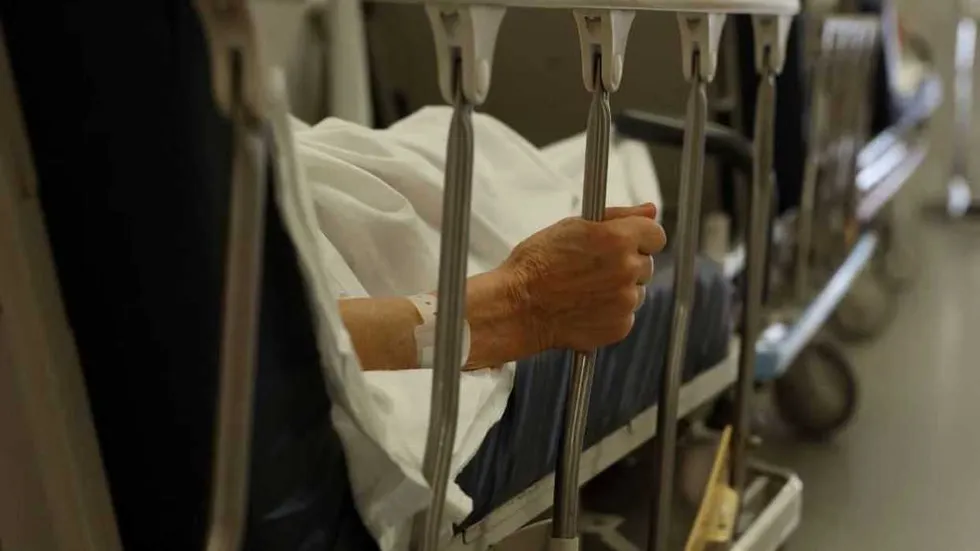
The Canadian federal government under former Prime Minister Justin Trudeau legalized medically assisted suicide nationwide in 2016.
Freedom Is Back
In Style
Premium domains for sale
As critics predicted, the state-facilitated suicide program — referred to as medical assistance in dying — was grossly liberalized in a short of period of time, maximizing both the number of accepted rationales and the number of those killed.
The province of Alberta appears keen to rein in Canada's sick experiment and protect its would-be victims, especially ahead of the Carney government's planned MAID eligibility expansion next year.
Background
In its first year, MAID offed 1,108 Canadians. That number tripled the following year, and by 2021, the number of Canadians killed by their government had climbed to over 10,000 in a single year.
'MAID should not be a substitute for robust health care.'
The Canadian government revealed in its latest MAID report that a total of 16,499 people were euthanized under the program in 2024, accounting for over 5% of all deaths in Canada that year. Of those euthanized, at least 4.4% nationally were not terminally ill. In Alberta, the number was 4.6%.
By the end of 2024, the number of Canadians who have died through MAID crested 76,000.
Originally, MAID applicants had to be 18 or older and suffering from a "grievous and irremediable medical condition" causing "enduring physical or psychological suffering that is intolerable" to them.
Within years, the country's eugenicist-founded health care system had given the green light to effectively execute those struggling with anxiety, autism, depression, economic hardship, PTSD, and other survivable issues.
RELATED: Canada’s conservative challenger Pierre Poilievre wins big on Joe Rogan's podcast
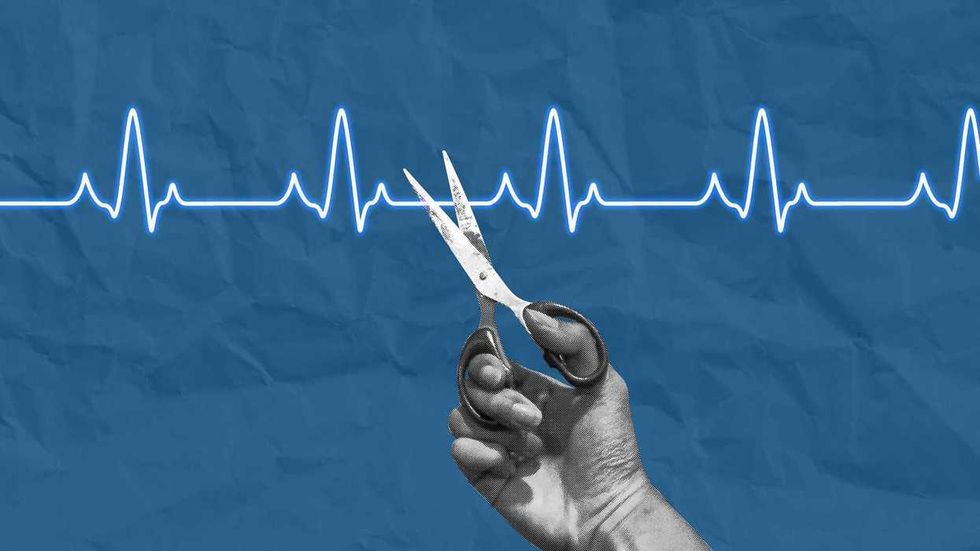 Mininyx Doodle/Getty Images
Persons suffering solely from a mental illness will be eligible for MAID beginning March 17, 2027.
Alberta takes action
Alberta Attorney General Mickey Amery, who is also the justice minister of the ruling United Conservative government, introduced legislation last month — the Safeguards for Last Resort Termination of Life Act — that would "increase oversight, introduce necessary safeguards, and provide greater clarity around eligibility requirements for medical assistance in dying ... in the province."
The bill would, among other things, prohibit MAID in Alberta for: persons under 18; persons whose sole underlying medical condition is a mental illness; individuals lacking the capacity to make their own health care decisions; and advance requests.
It would also prohibit euthanasia for individuals whose natural death is not reasonably foreseeable; restrict the display of MAID propaganda; empower health practitioners and institutions to refuse participation in the euthanasia regime; and bar Alberta health professionals from referring individuals for MAID eligibility assessments outside the province.
The legislation would also introduce penalties for doctors and nurses who violate the proposed provincial rules.
"Canada has the fastest growing death rates in the world when it comes to MAID. Far from being an option of last resort, MAID is now the fifth leading cause of death in Canada," Amery told the Alberta Legislature last week. "The country is currently projected to reach its 100,000th death by MAID in June, becoming the first nation in the modern era to measure its total assisted deaths in the six figures, more than the totals of any other jurisdiction with some form of legal, doctor-assisted death."
Alberta Premier Danielle Smith said in a statement, "Those struggling with severe mental health challenges need treatment, compassion and support, not a path to end their life at what may be their lowest moment. In Alberta, a patient whose sole underlying condition is mental illness will not be eligible for MAID."
'The state refusing to fund and provide a killing service is the baseline.'
Rebecca Vachon, health program director for the Canadian think tank Cardus, said in a statement, "We support the adoption of these enhanced protections for Albertans and urge all legislators to work collaboratively to implement them."
While the Catholic Bishops of Alberta underscored that "the Church teaches that 'euthanasia and assisted suicide are always the wrong choice,'" they similarly characterized the bill as an important step in the right direction, stating, "A just society is one that protects the vulnerable, upholds the dignity of every person, and chooses to accompany them in times of illness and dying. The Alberta government is taking some significant steps that respect these necessary values."
Gabrielle Peters, a disabled writer and co-founder of Disability Filibuster, recently noted in a piece for the Macdonald-Laurier Institute,
The state refusing to fund and provide a killing service is the baseline we build from. Without that, there is simply no foundation. If disability — and only disability — makes one killable, then why would a state build the infrastructure, policies, and programs necessary to support disabled life? Particularly when one is an expense and the other represents considerable cost-saving?
Some euthanasia advocates have joined state media in framing the life-affirming legislation in negative terms.
The Canadian Civil Liberties Association, for instance, suggested that the legislation "would significantly restrict access to medical assistance in dying ... and undermine constitutionally protected rights."
Michael Trew, Alberta's former chief addiction and mental health officer, recently wrote that the bill "amounts to taking away choice from many who are fully competent" and that "this loss of choice INCREASES pain and suffering."
Like Blaze News? Bypass the censors, sign up for our newsletters, and get stories like this direct to your inbox. Sign up here!More from this network:
Domains for Sale · GOTPeople.org · TheDSAPlatform · The Truth About Socialism
What's Your Reaction?
 Like
0
Like
0
 Dislike
0
Dislike
0
 Love
0
Love
0
 Funny
0
Funny
0
 Wow
0
Wow
0
 Sad
0
Sad
0
 Angry
0
Angry
0

I am just an average American. My teen years were in the late 70s and I participated in all that that decade offered. Started working young, too young. Then I joined the Army before I graduated High School. I spent 25 years in, mostly in Infantry units. Since then I've worked in information technology positions all at small family owned companies. At this rate I'll never be a tech millionaire. When I was young I rode horses as much as I could. I do believe I should have been a cowboy. I'm getting in the saddle again by taking riding lessons and see where it goes.
Premium domains for sale















Comments (0)