

My new hack for a long, healthy life? Getting married
Premium domains for sale
Freedom Is Back In Style
Admittedly, planning a wedding is a strange time to start reading cancer research. The seating chart had 17 unresolved feuds in it; the oncology journals felt like lighter reading.
Freedom Is Back
In Style
Premium domains for sale
Public health researchers call this 'social monitoring.' In practice, it means someone loving you enough to be annoying about your symptoms.
A recent American study, drawing on more than 4 million cancer cases, found that adults who never married face considerably higher cancer rates than those who did. Never-married women saw rates dramatically elevated. Never-married men weren't far behind.
The gap widens after age 55, which is when a lifetime of accumulated habits, poor decisions, and missed appointments begins sending invoices.
Settling for less?
Marriage rates in America have fallen steadily for decades. What was once expected is now optional — and sometimes viewed with suspicion. The language around "settling down" carries a faint odor of defeat, as though building a life with someone else were a concession rather than a choice.
The cultural conversation, meanwhile, circles endlessly around diet, exercise, and whatever superfood is currently being flown in from a distant rainforest. Billions flow into wellness industries. Podcasts dedicate entire seasons to optimizing sleep. And yet the data keeps returning to something far less marketable: whether you have someone in the next room who gives a damn.
The researchers are careful to avoid claiming that a wedding ring makes tumors vanish. But the pattern holds and appears across most major cancer types. Cancers linked to smoking, alcohol, and infections showed the biggest gaps between married and never-married adults. That concentration is telling. It points at behavior, environment, and the kind of low-level interference that only someone who genuinely cares about you will bother to sustain.
Buddy system
A man living alone can ignore a cough for months. A wife will drag him to a doctor. A woman juggling everything on her own might postpone a checkup indefinitely. A husband will plead, push, insist, and escalate if necessary. Public health researchers call this "social monitoring." In practice, it means someone loving you enough to be annoying about your symptoms.
Then there's the physiological cost of chronic loneliness. Without someone else setting the rhythm, sleep suffers, meals become erratic, and the basic architecture of self-maintenance gradually gives way. A person alone sets his own standards, and standards, without a witness, tend to decline. Freedom looks like a luxury until it tips into neglect.
The research on loneliness as a health risk has been mounting for years. Chronic isolation produces measurable changes in stress hormones, inflammatory markers, and immune function. The body registers abandonment, and it responds accordingly.
Previous generations were hardly models of healthy living. They smoked heavily, drank liberally, and regarded dietary advice as a personal affront. The average mid-century American male was not tracking his resting heart rate. Yet many of them were embedded in something we have spent decades dismantling: long marriages, tight families, a reliable social unit that caught problems early and addressed them without being asked. The neighbor who checked in. The sibling who showed up uninvited. The spouse who had the kettle on before the door had closed behind you.
Noticing matters enormously.
RELATED: Aging is inevitable — catastrophic decline is not
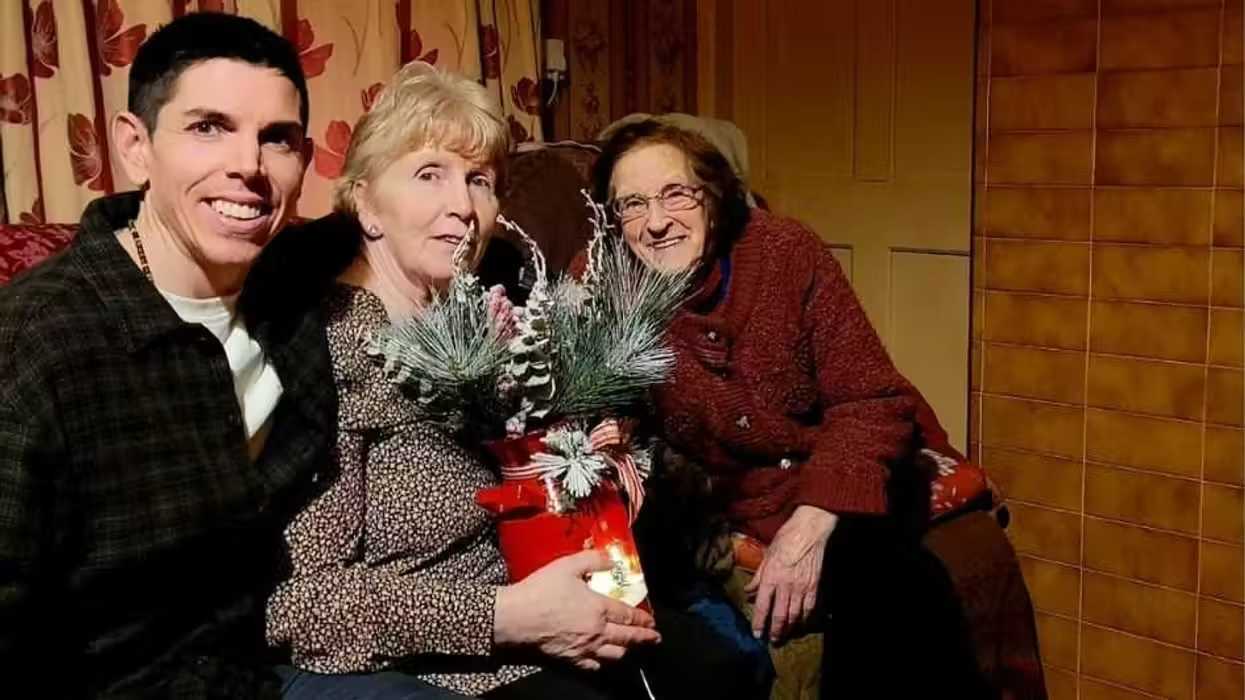 The author with his mother and grandmother. Photo courtesy of John Mac Ghlionn
The cure of community
Cancer rates in younger Americans have been climbing. The old assumption — that serious disease waits its turn at the end of a long life — has expired. It is arriving earlier, frequently without warning, and the reflexive response has been to scrutinize diet, sleep, and screen time. All valid. All insufficient on their own.
There are complications worth acknowledging. Marriage has its limits as a medical intervention. As Tina Turner and Johnny Depp demonstrated at considerable personal cost, not all marriages are protective. Some are so destructive that they make solitude look like sensible doctor's orders.
Nevertheless, the directional evidence holds.
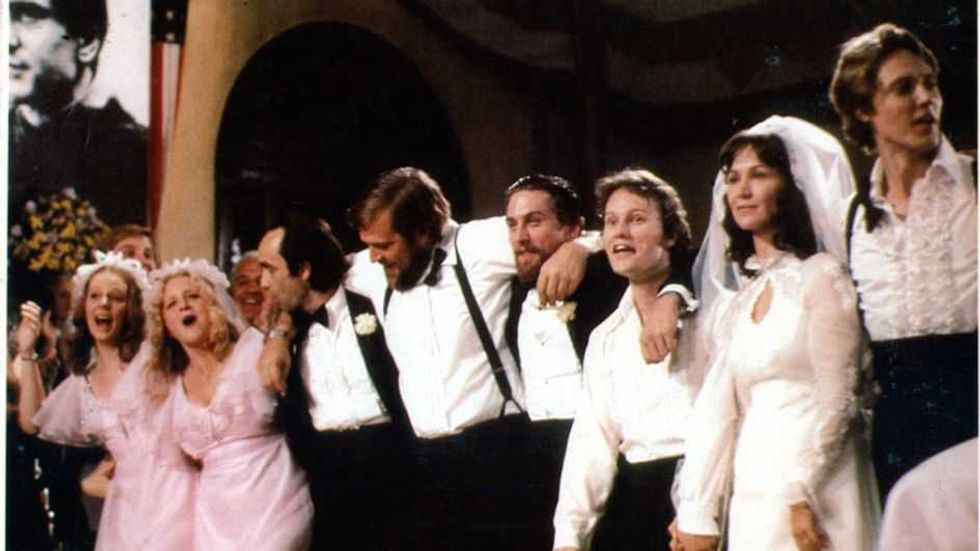
Knee-deep in wedding planning, I keep returning to what this whole undertaking actually represents. Families reactivate. Old friendships resurface. Obligations form. The ceremony is a public declaration that someone will be watching, intervening, and on occasion refusing to let you get away with things.
The vows carry legal and emotional weight. They're also a mutual surveillance agreement, entered into willingly, which turns out to be rather good for your health.
We've built an entire cultural vocabulary around independence. Self-optimization. Personal growth. The solo journey. These are not entirely worthless ideas, but they have crowded out an older and more durable understanding. Humans aren’t built for sustained isolation. The people around us, intrusive and imperfect as they are, perform functions that no app, no routine, and no amount of cold-plunge evangelism can replicate.
A culture that treats relationships as provisional and commitment as one lifestyle choice among many is making a collective wager. The evidence suggests the odds aren't favorable. In ways we're only beginning to quantify, permanence appears to be protective.
More from this network:
Domains for Sale · GOTPeople.org · TheDSAPlatform · The Truth About Socialism
What's Your Reaction?
 Like
0
Like
0
 Dislike
0
Dislike
0
 Love
0
Love
0
 Funny
0
Funny
0
 Wow
0
Wow
0
 Sad
0
Sad
0
 Angry
0
Angry
0

I am just an average American. My teen years were in the late 70s and I participated in all that that decade offered. Started working young, too young. Then I joined the Army before I graduated High School. I spent 25 years in, mostly in Infantry units. Since then I've worked in information technology positions all at small family owned companies. At this rate I'll never be a tech millionaire. When I was young I rode horses as much as I could. I do believe I should have been a cowboy. I'm getting in the saddle again by taking riding lessons and see where it goes.
Premium domains for sale










Comments (0)