

Spencer Pratt And The New Populism
Premium domains for sale
Freedom Is Back In Style
This piece is part of MI x DW, a collaboration that brings Daily Wire readers exclusive commentary and research from the Manhattan Institute’s world-class team of scholars.
Freedom Is Back
In Style
Premium domains for sale
***
Spencer Pratt will not advance to November’s runoff election for Los Angeles mayor. While some on the Left have rushed to portray his narrow defeat as a wholesale rejection of his message and some on the Right have flirted with election denialism, the truth is more mundane: Pratt’s loss is best understood as a testament to the extraordinary difficulty of winning office as a registered Republican reality TV star in the largest progressive city of a deeply liberal state, under an electoral system that may itself confer structural advantages to Democrats.
But amid the rush to dismiss Pratt’s campaign as a failed and dangerous experiment in West Coast MAGA revivalism, Democrats would do well to consider a more instructive question: Why, despite his defeat, did so many Angelenos find his candidacy compelling?
The problems facing Los Angeles’s four million residents require no policy expert to diagnose. The city faced a nearly $1 billion budget deficit in 2025-2026, addiction-driven homelessness currently afflicts more than 40,000 Angelenos, and residents have watched their tax burden rise steadily while struggling to identify what they receive in return.
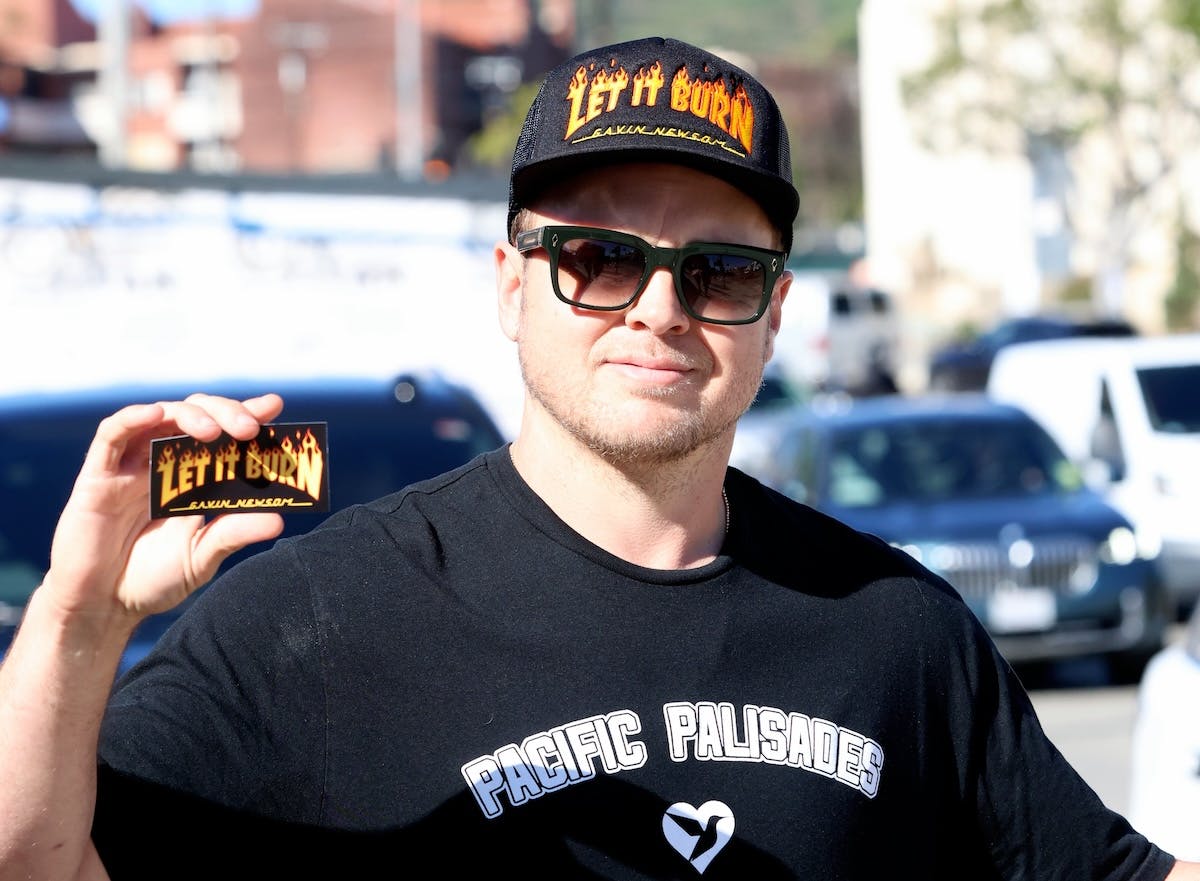
Nowhere has that question been more acute than in the aftermath of the January 2025 Palisades Fire, which tore through the Pacific Palisades neighborhood and destroyed 7,000 structures. The disaster also claimed Pratt’s home, and his subsequent demands for accountability over drained reservoirs, absent warning sirens, and more than $100 million in undelivered relief funds became the basis for his 2026 mayoral campaign.
While many Angelenos agree that the city has lately failed to deliver on its basic governing responsibilities, Pratt scandalized much of the political class by saying so publicly. He then built a campaign around that very premise, branding himself the “look-around candidate.”
The self-given nickname rests on a simple proposition: voters — and candidates for office — need not master the intricacies of municipal governance or subscribe to any particular ideological worldview to notice that something in their city is broken. They need only look around. The homeless encampments, broken sidewalks, rampant disorder, rising costs, and lingering failures exposed by the Palisades Fire are arguments enough.
“There’s no R next to my name, there’s no D next to my name,” Pratt wrote in a May 23rd post on X that garnered more than two million views. “I’m a pissed off Angeleno who loves my city and is fed up with what corrupt politicians have done to her.”
Click here for more Manhattan Institute content.
Pratt’s invocation of corrupt politicians did evoke the same populist spirit that has animated Donald Trump’s MAGA movement. Yet unlike Trump, and unlike the Left-wing populism of Bernie Sanders, Pratt’s campaign introduced a third, “local,” type of populism.
While both Left- and Right-wing populism ask voters to identify an ideological enemy — whether corporations, the media, coastal elites, or the deep state — localized populism asks voters to reckon with the political reality before them. Rather than blame distant actors for national problems, it directs grievances closer to home: toward those responsible for an empty reservoir, uncleared encampments filled with drug-addled vagrants (Pratt called them “zombies”), or a home that has yet to be rebuilt.
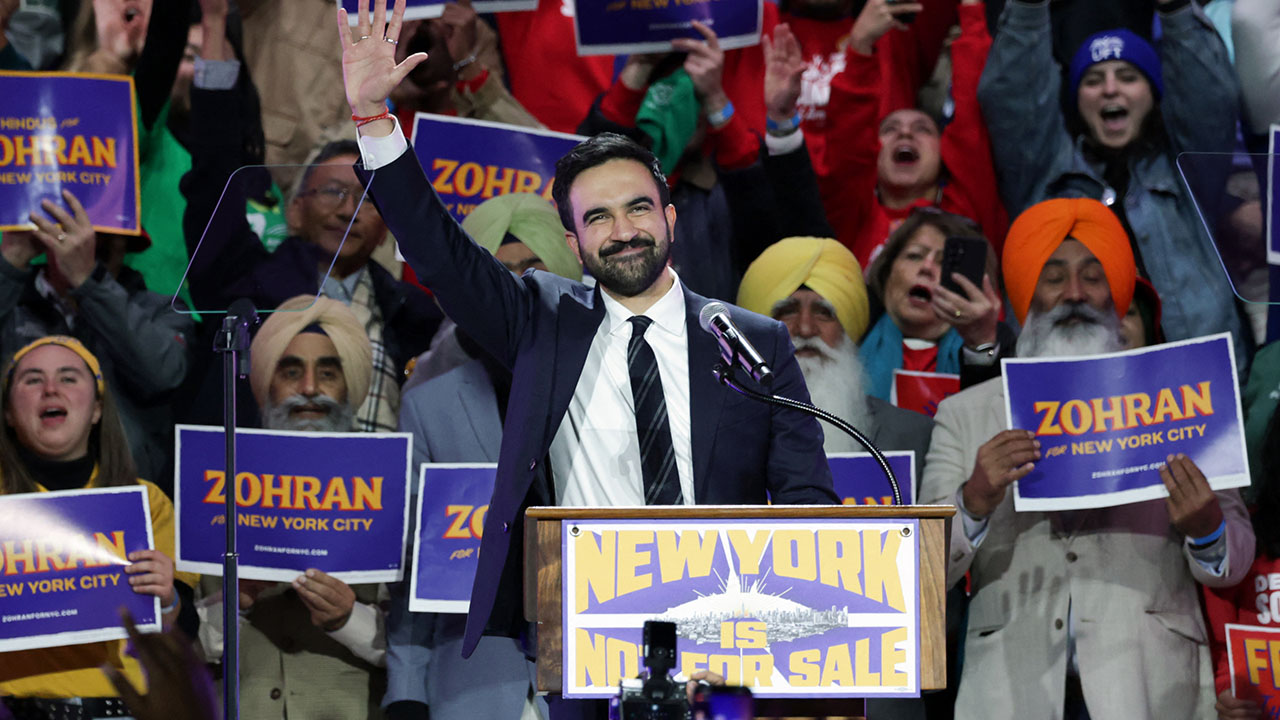
Though Pratt has made this brand of politics viral, its appeal extends well beyond the confines of his mayoral race. In 2024, Daniel Lurie won the San Francisco mayor’s race through a campaign focused on residents’ homelessness and public safety concerns. Indeed, even Zohran Mamdani was elected mayor of New York City in 2025, winning not on the widespread popularity of his socialist maximalism or obsessive anti-Israelism, but because he spoke relentlessly about New York City’s housing and affordability crisis.
But not all ostensibly nonpartisan politics deserve the localized populist label. Dan Osborn, Nebraska’s independent Senate candidate, has cultivated the aesthetic of a working-class outsider while accepting millions in donations from Chuck Schumer’s Senate Majority PAC and campaigning on positions indistinguishable from the national Democratic platform. Osborn’s independence, unlike Pratt’s, appears more strategic than substantive.
Spencer Pratt failed in his ambitious — if somewhat quixotic — quest to become mayor of Los Angeles, but his primary campaign has nonetheless introduced an appealing form of politics, particularly for non-far-Left candidates interested in competing in big, blue cities. The lesson is that populism need not traffic in radical, fringe conspiracism to gain ground. Voters, at least a sizable chunk of them, it turns out, appreciate a candidate willing to speak narrowly about the city he wants to govern.
***
Jesse Arm is vice president of external affairs at the Manhattan Institute. Danielle Shapiro is the institute’s external affairs associate.
More from this network:
Domains for Sale · GOTPeople.org · TheDSAPlatform · The Truth About Socialism
Originally Published at Daily Wire, Daily Signal, The Blaze, or Fox News
What's Your Reaction?
 Like
0
Like
0
 Dislike
0
Dislike
0
 Love
0
Love
0
 Funny
0
Funny
0
 Wow
0
Wow
0
 Sad
0
Sad
0
 Angry
0
Angry
0

I am just an average American. My teen years were in the late 70s and I participated in all that that decade offered. Started working young, too young. Then I joined the Army before I graduated High School. I spent 25 years in, mostly in Infantry units. Since then I've worked in information technology positions all at small family owned companies. At this rate I'll never be a tech millionaire. When I was young I rode horses as much as I could. I do believe I should have been a cowboy. I'm getting in the saddle again by taking riding lessons and see where it goes.
Premium domains for sale











Comments (0)