

Supreme Court Delivers Unanimous Blow To Gun Law Used In Hunter Biden Case
Premium domains for sale
Freedom Is Back In Style
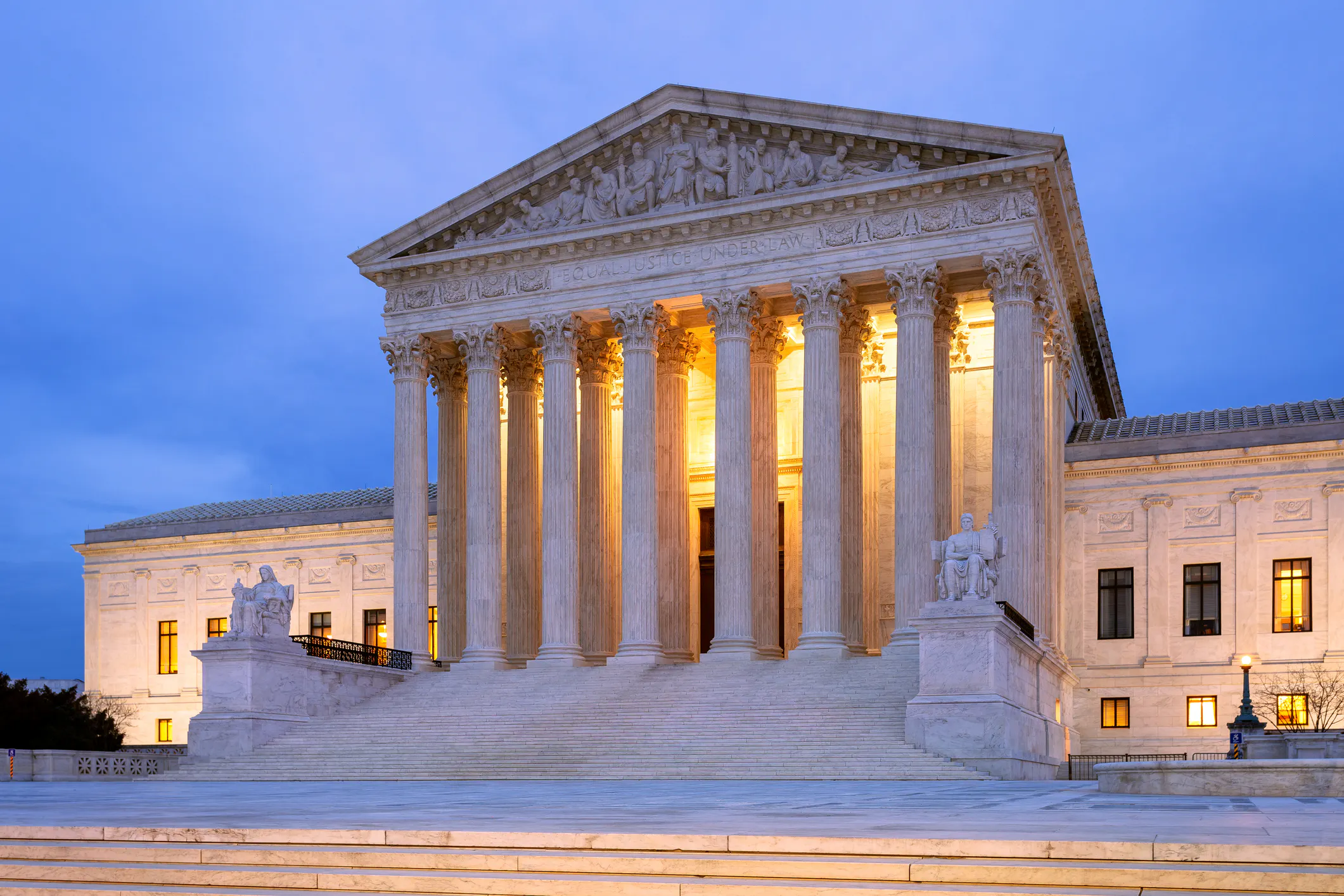
The U.S. Supreme Court unanimously ruled Thursday that the federal government unconstitutionally applied a gun restriction law to a Texas man who regularly used marijuana, narrowing the reach of the same federal statute that was used in the prosecution of Hunter Biden.
Freedom Is Back
In Style
Premium domains for sale
In United States v. Hemani, the Court held that prosecutors violated the Second Amendment when they charged Ali Hemani under a federal law prohibiting firearm possession by unlawful users of controlled substances.
Justice Neil Gorsuch, writing for the majority, emphasized that the ruling was limited and did not eliminate the government’s ability to disarm dangerous individuals, addicts, or people actively under the influence.
“We do not address efforts to ban addicts, or those presently intoxicated, from possessing a firearm,” Gorsuch wrote.
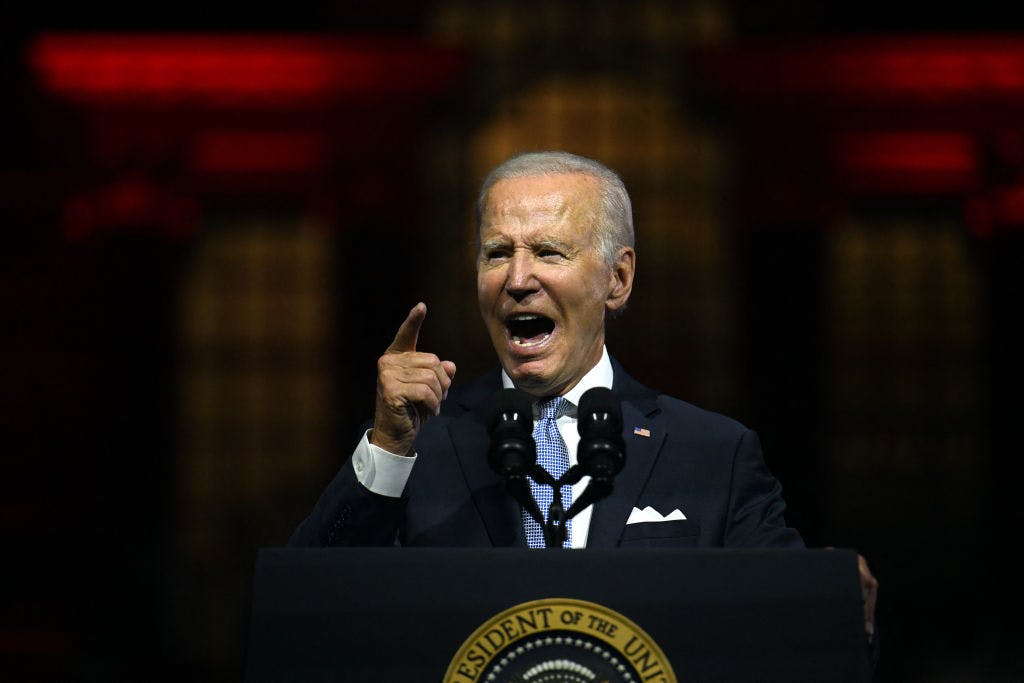
Hunter Biden was convicted in June 2024 before his father, President Joe Biden, pardoned him. “Those prosecuted under the law can face up to 15 years in prison and a permanent ban on owning firearms,” per NBC News.
The case centered on Hemani, a 27-year-old man who admitted to smoking marijuana approximately every other day. FBI agents later found a handgun in his home that he said he kept for self-defense.
Prosecutors argued that historical restrictions on so-called “habitual drunkards” justified modern restrictions on firearm ownership by illegal drug users. The Court disagreed.
“The government’s analogy fails under every measure it asks us to consider,” Gorsuch wrote. “The historical laws on which it relies targeted different kinds of people, did so for different reasons, and operated in different ways.”
According to the Court, historical laws focused on people whose substance abuse rendered them incapable of managing their lives. The modern federal statute broadly covers regular drug users regardless of whether they pose a threat or not.
Gorsuch also warned that the government’s interpretation could surpass marijuana users.
Under the government’s theory, he wrote, the law could apply to “a college student who routinely uses a friend’s Adderall to cram for exams” or “a husband who regularly takes his wife’s prescription Ambien to sleep.”
The Court noted that prosecutors never alleged Hemani was addicted to marijuana, used a firearm while intoxicated, threatened anyone, or posed a danger to himself or others.
The ruling drew praise from Second Amendment advocates.
Judicial Crisis Network President Carrie Severino called the decision a significant affirmation of constitutional protections.
“Can habitual drug users be disarmed? The Supreme Court, looking to history and tradition *unanimously* says no in United States v. Hemani,” Severino wrote on X. “This case inspired strange bedfellows like pro-drug organizations allying with gun rights groups — and so perhaps it’s not surprising that it’s also a case where Justices Thomas and Jackson can agree.”
Severino also noted that the Court’s decision relied heavily on the historical tradition framework that has become central to recent Second Amendment cases.
The ruling carries additional significance because the same federal statute, 18 U.S.C. § 922(g)(3), played a central role in the prosecution of Hunter Biden, who was convicted in 2024 of illegally possessing a firearm while using illegal drugs.
However, the Court stressed that Thursday’s decision was narrowly focused on Hemani’s circumstances and did not invalidate the statute altogether.
In a separate opinion, Justice Samuel Alito, joined by Justice Elena Kagan, agreed with the outcome and argued that the government simply failed to demonstrate that Hemani resembled the severely impaired individuals historically subject to firearm restrictions.
The justices repeatedly emphasized that the ruling does not prevent the government from restricting firearm possession by dangerous individuals, addicts, felons, or people shown to pose a genuine threat.
Still, the unanimous ruling marks another major Second Amendment decision from a Court that continues to require the government to justify firearm restrictions through the nation’s historical tradition of gun regulation.
More from this network:
Domains for Sale · GOTPeople.org · TheDSAPlatform · The Truth About Socialism
What's Your Reaction?
 Like
0
Like
0
 Dislike
0
Dislike
0
 Love
0
Love
0
 Funny
0
Funny
0
 Wow
0
Wow
0
 Sad
0
Sad
0
 Angry
0
Angry
0

I am just an average American. My teen years were in the late 70s and I participated in all that that decade offered. Started working young, too young. Then I joined the Army before I graduated High School. I spent 25 years in, mostly in Infantry units. Since then I've worked in information technology positions all at small family owned companies. At this rate I'll never be a tech millionaire. When I was young I rode horses as much as I could. I do believe I should have been a cowboy. I'm getting in the saddle again by taking riding lessons and see where it goes.
Premium domains for sale













Comments (0)