

The Beginning of the End for the US Department of Education
Premium domains for sale
Freedom Is Back In Style
Bad news: Tax Day is just one month away. But the U.S. Department of Treasury just announced a rare gift for taxpayers: A dose of sanity on college loans.
Freedom Is Back
In Style
Premium domains for sale
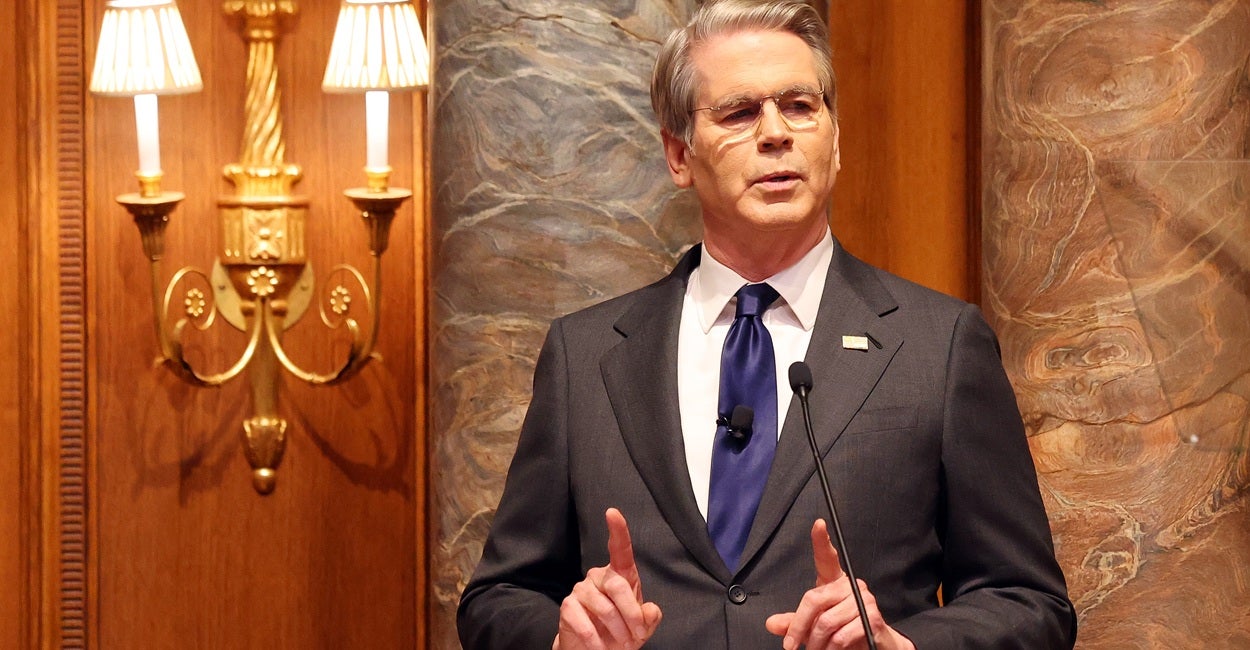
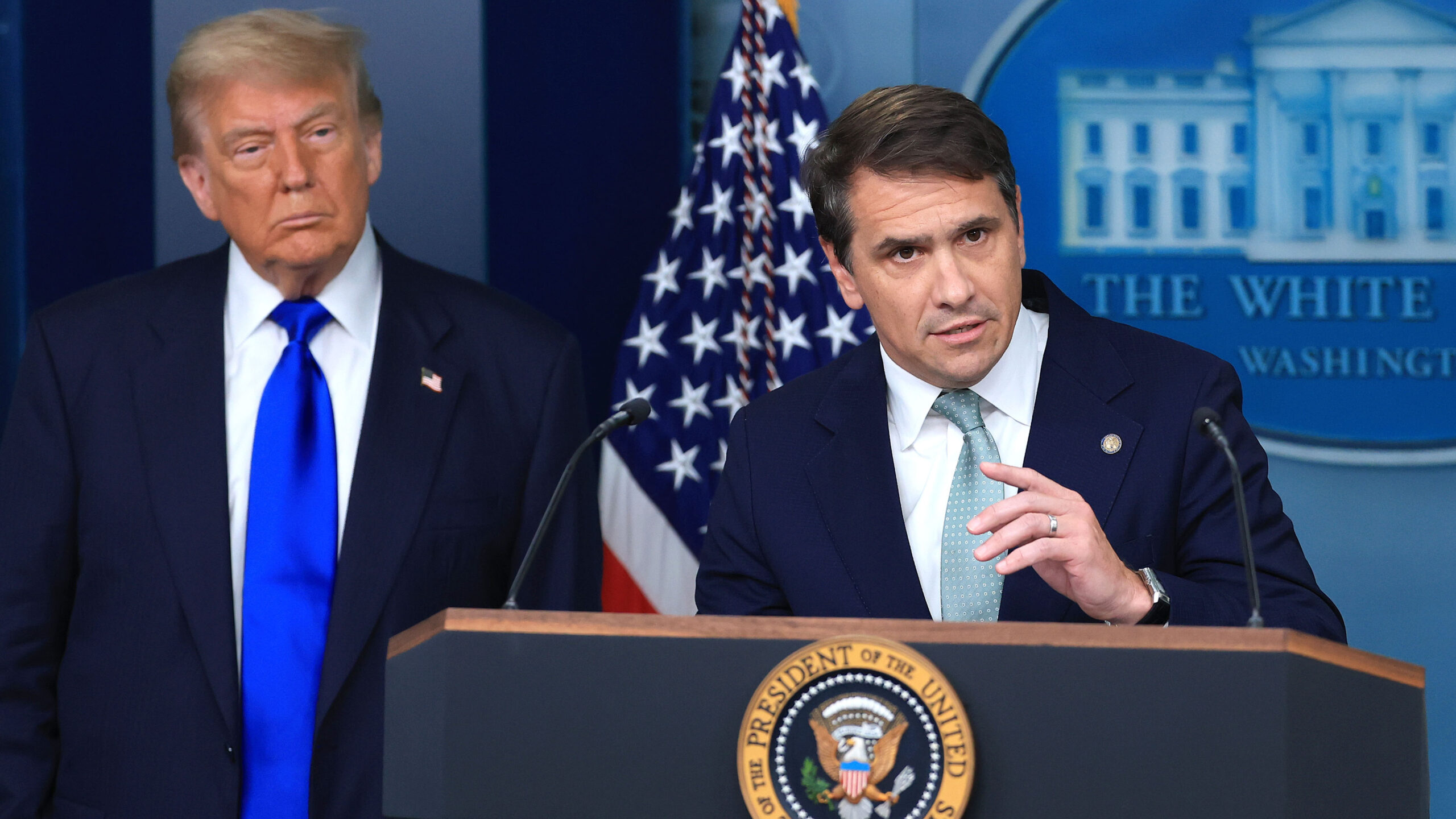
Today, the U.S. Department of Education and Treasury Department signed an agreement that helps wind down the Education Agency, moves more responsibilities over college loans to Treasury, and simplifies the college lending process.
This is the tenth interagency agreement between the Education Department and other federal agencies. These agreements follow the White House executive order issued one year ago this week calling for the end of the Education Department.
And this is a big one. Student loans make up two-thirds of the Education Department’s budget, and just under half—40 percent—of borrowers are not making any payments on their loans. Student loan debt has ballooned to $1.7 trillion and affects more than 42.8 million student borrowers. For decades, the Treasury Department has worked with the Education Department to collect on defaulted student loans. Treasury also handles general debt collections through the IRS, all of which makes this agreement a logical move for student loans.
And the announcement continues to build on the Department’s promise to streamline federal education functions and cut red tape.
The move comes after years of instability in federal student loan policy. In 2023, President Joe Biden’s administration attempted to transfer up to $20,000 per student in outstanding debt from students to taxpayers, a plan the Supreme Court ultimately struck down as unlawful.
Shortly after, President Biden also introduced a new sweeping income-driven repayment plan projected to cost taxpayers nearly $500 billion, effectively a large-scale debt transfer plan, which was ultimately halted by courts.
Pandemic-era policies further distorted the system. The student loan payment pause, extended six times under the Biden administration via executive action, delayed repayment obligations for more than three years, and closer to four when accounting for the administration’s “on-ramp,” during which borrowers were not penalized for missed payments. This lapse in repayment cost taxpayers $258 billion in forgone interest and other benefits.
Against this backdrop, recent reforms enacted through the One Big Beautiful Bill Act aim to restore accountability and place the student loan system on a better, more sustainable path. These changes include the introduction of a new income-driven repayment plan, the Repayment Assistance Plan, which requires accurate and timely income data from borrowers to function effectively, information that Treasury has access to.
In 2019, Heritage Foundation research recommended moving student loans to Treasury in our blueprint for closing the Education Department. Cato Institute researcher Andrew Gillen has also noted that transferring the student loan program to the Treasury could prove especially valuable by simplifying the financial aid application process. The aid application already requires information from students and their parents’ tax forms, and the Treasury already has this information because the agency collects it directly.
The new partnership has three phases. First, Treasury will assume responsibility for collecting outstanding student loan debt, the giant $1.7 trillion figure mentioned above. Once this process is underway, Treasury will begin servicing loans (including collections of existing loans). Finally, the agency will control student applications for assistance, otherwise known as FAFSA. Under the Biden administration, the Education Department had fumbled FAFSA, releasing the application late in the year and with technical glitches.
Crucially, Treasury officials are not announcing new “forgiveness” policies that would transfer college loan debts to taxpayers, but collection procedures. This agreement will protect taxpayers from paying someone else’s loan, and appropriately so.
Just like the other interagency agreements the Education Department has signed, this partnership downsizes Washington. The agreement moves certain functions from an ineffective agency (Education) to an office that already performs those functions (Treasury).
Ultimately, the federal government should not be in the business of student loans. Such activity puts taxpayers at risk and has created a dysfunctional bureaucracy. The new interagency agreement begins repairing the harm to students and taxpayers.
The post The Beginning of the End for the US Department of Education appeared first on The Daily Signal.
More from this network:
Domains for Sale · GOTPeople.org · TheDSAPlatform · The Truth About Socialism
What's Your Reaction?
 Like
0
Like
0
 Dislike
0
Dislike
0
 Love
0
Love
0
 Funny
0
Funny
0
 Wow
0
Wow
0
 Sad
0
Sad
0
 Angry
0
Angry
0

I am just an average American. My teen years were in the late 70s and I participated in all that that decade offered. Started working young, too young. Then I joined the Army before I graduated High School. I spent 25 years in, mostly in Infantry units. Since then I've worked in information technology positions all at small family owned companies. At this rate I'll never be a tech millionaire. When I was young I rode horses as much as I could. I do believe I should have been a cowboy. I'm getting in the saddle again by taking riding lessons and see where it goes.
Premium domains for sale
















Comments (0)