

The Dangerous Spectacle Of An Almost-Public Execution
Premium domains for sale
Freedom Is Back In Style
On December 3, Nidal Malik Hasan, the man responsible for murdering 13 people and wounding 32 others at Fort Hood in 2009, is scheduled to be executed by firing squad. And up until today when President Trump announced that the execution would not be live-streamed, the American public was invited to watch.
Freedom Is Back
In Style
Premium domains for sale
Live-streamed. For anyone with an internet connection. Thankfully this will not happen, but the culture that allowed it in the first place still exists, and those involved in the actual execution will still pull the trigger.
When I first heard that the firing squad execution would be live-streamed, I immediately thought of “The Hunger Games.” A society so desensitized to violence, so consumed with spectacle, that the deliberate taking of human life becomes something people gather to watch. Something to anticipate. Something to share.
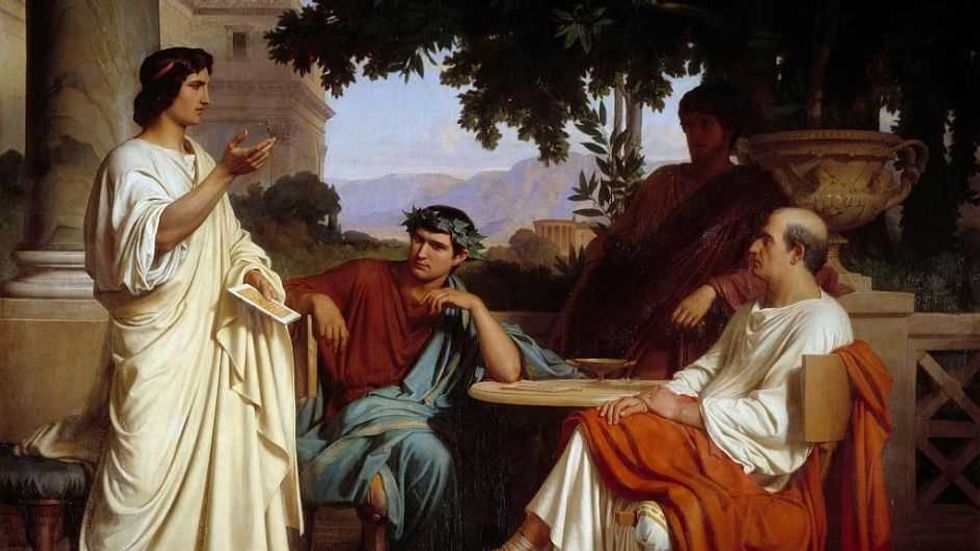
We read books like The Hunger Games and are horrified by the society they depict. We look back at the Roman Colosseum and wonder how a supposedly civilized people could gather together to watch human beings die. And yet, here we are.
Have we somehow traveled backward into the brutality of ancient Rome? Or have we traveled so far forward, become so technologically advanced, that we have completely forgotten the humanity of the human person?
We have replaced the arena with a screen. Spectators no longer have to gather in one place; they can watch from their living rooms, offices, or the phones in their hands. But the fundamental question remains.
What happens to a society when we turn human death into a spectacle and something to be celebrated? What happens when we decide as a society who has human dignity and who doesn’t?
Let me be very clear about something. Nidal Hasan committed an unspeakably evil act. Thirteen innocent people lost their lives. Thirty-two others were wounded. Families were shattered. Children lost parents. Loved ones were taken in an act of horrific violence that can never be undone. Those victims deserve to be remembered. Their families deserve justice. Hasan should never again be allowed to threaten another innocent life. But justice and vengeance are not the same thing. And I fear we are beginning to confuse the two.
We are told that this execution will send a message. That it will demonstrate the consequences of terrorism. That knowing this man will die by firing squad will somehow deter others from committing similarly horrific acts. But will it? The research on capital punishment has not established that executions provide a deterrent beyond other severe punishments. And I am particularly unconvinced that an execution will deter individuals motivated by violent Islamist extremism.
In fact, I fear the opposite. What happens when the man we intend to make an example of becomes a martyr in the eyes of extremists? While footage will not be available publicly, extremists will most certainly use his death as a rallying cry.
And then I think about something that seems to be almost entirely absent from this conversation.
The soldiers.
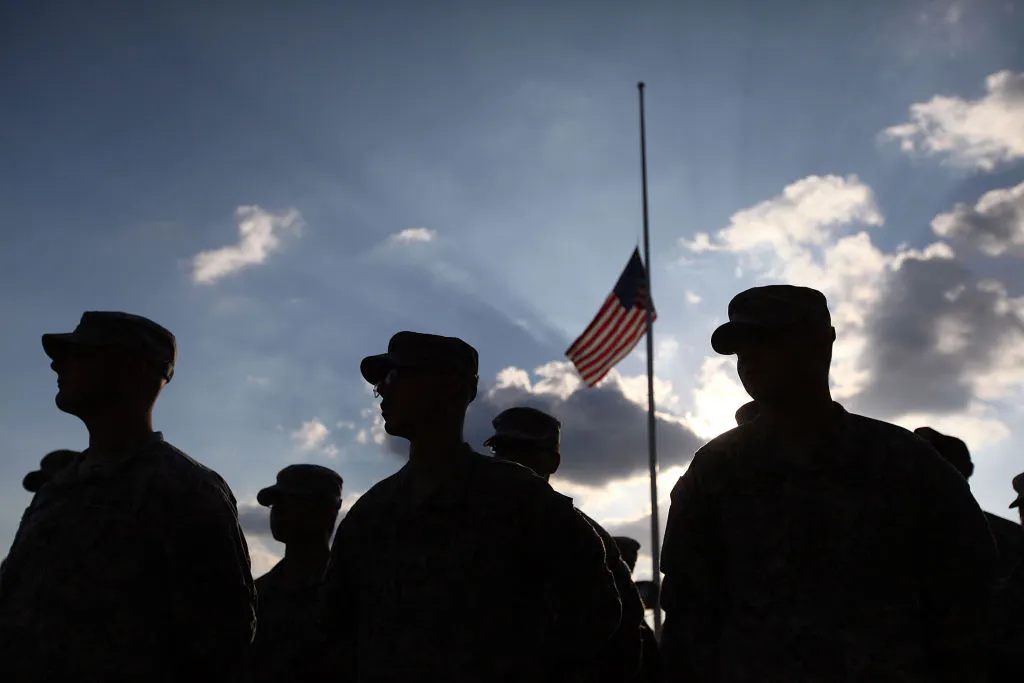
The men tasked with carrying out this execution. Who is thinking about them? These are individuals who have dedicated themselves to serving our country. And now they will be asked to stand before another human being, raise their weapons, and deliberately take his life. Some may believe they are avenging their fallen brothers and sisters. Perhaps they will believe they are fulfilling an important duty. Perhaps they will feel nothing but resolve in the moment.
But what about afterward? What happens when they go home and when the public has moved on to the next story? We know from research involving correctional officers who participate in executions that this responsibility can carry a tremendous emotional and psychological burden. Even those who believe they are fulfilling their professional duty can experience profound internal conflict. And I think we have an obligation to consider that burden.
Because this is not war. This is not a battlefield where soldiers must make terrible, split-second decisions to protect innocent lives. This is a prisoner in custody. A man we have the ability to securely imprison for the rest of his natural life. We do not need to kill him to stop him from killing again. So what exactly are we asking these soldiers to do? And why? We talk so much about what the condemned man deserves. But what about the humanity of the people we are asking to kill him? What about their consciences? What about their souls? And then there is another group of people I cannot stop thinking about.
Our children.
Again, thankfully children won’t see this live-streamed because it is not happening. But they will see adults celebrating the execution. They will see comments about how people are thrilled this man is being executed for his crimes.
They will learn of a human life snuffed out. But will they understand why? Will they understand the gravity of what is being celebrated? Will they comprehend the complicated moral questions surrounding justice, punishment, mercy, and human dignity? Or will they simply learn that there are certain people whose deaths we are permitted to celebrate?
As a mother of eight children, this troubles me deeply. We spend years trying to form the consciences of our children. We teach them that life is sacred. That violence is not entertainment. That every human being possesses dignity. That we should never take pleasure in the suffering of another person. And then what? We hand them a phone and allow them to witness people celebrating the execution of a human person? How do we reconcile those messages? How do we teach our children to recognize the dignity of every human being while simultaneously celebrating someone’s death?
And before someone tells me that this man forfeited his dignity when he murdered innocent people, I want to challenge that idea.
Human dignity is not something we earn through good behavior.
It is not a reward for being virtuous. It is not something that belongs only to the innocent, the kind, or the morally upright. Human dignity is inherent. As Catholics, we believe every human being is created in the image and likeness of God.
Every human being. Even the guilty. Even the murderer. Even the abortionist. Even the terrorist.
This does not mean that evil acts should go unpunished. It does not mean that justice should be abandoned or that dangerous people should be released into society. It means that the inherent dignity of a human being does not disappear because that person has committed a horrific crime.
I have spent much of my adult life defending the dignity of human life. And I cannot abandon that conviction when the life in question belongs to someone whose actions I find morally repulsive. In fact, that may be precisely when the conviction matters most. It is easy to defend the humanity of someone we love. It is easy to speak about the sanctity of innocent life. But do we actually believe that human dignity is inherent, or do we believe it is conditional? Because those are two very different things.
I’m really not asking us to have a large conversation about the morality of the death penalty, although we certainly could. I am asking us to consider what this execution does to us as a society. What does it do to the soldiers ordered to pull the triggers? What does it do to the children who see people celebrating this man’s death? What does it do to a society that treats the death of another human being as something to celebrate and, until today, broadcast? And what does it say about our understanding of justice when we have the ability to protect society through lifelong imprisonment, yet choose to make a spectacle of death?
The thirteen people murdered at Fort Hood deserved to live. Their lives mattered. Their humanity mattered. Their families deserve our compassion, our remembrance, and our commitment to justice. But I do not believe their lives are honored by disregarding the dignity of the person who murdered them.
The measure of our humanity cannot simply be how fiercely we defend the innocent. It must also include how we treat the guilty.
Because if human dignity belongs only to those we believe deserve it, then it was never inherent in the first place. And if we lose sight of that truth, I fear we will have lost something far greater than we realize.
***
Abby Johnson is CEO and Founder of And Then There Were None and ProLove Ministries.
More from this network:
Domains for Sale · GOTPeople.org · TheDSAPlatform · The Truth About Socialism
What's Your Reaction?
 Like
0
Like
0
 Dislike
0
Dislike
0
 Love
0
Love
0
 Funny
0
Funny
0
 Wow
0
Wow
0
 Sad
0
Sad
0
 Angry
0
Angry
0

I am just an average American. My teen years were in the late 70s and I participated in all that that decade offered. Started working young, too young. Then I joined the Army before I graduated High School. I spent 25 years in, mostly in Infantry units. Since then I've worked in information technology positions all at small family owned companies. At this rate I'll never be a tech millionaire. When I was young I rode horses as much as I could. I do believe I should have been a cowboy. I'm getting in the saddle again by taking riding lessons and see where it goes.
Premium domains for sale










Comments (0)