

The Left’s Answer to AI Is Simple: More Government
Premium domains for sale
Freedom Is Back In Style
Artificial intelligence is moving at a speed that makes government look like it is stuck in the horse-drawn carriage era. By the time regulators figure out what the latest AI technology can do, chances are it has already been surpassed.
Freedom Is Back
In Style
Premium domains for sale
New models appear, capabilities improve, and businesses find new uses for AI at a breathtaking pace. Policymakers will inevitably have to confront the risks that come with it. The real question is how.
One approach holds that innovation is best driven by private companies competing and experimenting, while government sets clear rules against potential harm such as fraud, abuse, and threats to national security.
The other, which is increasingly embraced on the Left, operates under a very different instinct: When a new technology creates uncertainty, just rein it in, regulate it more heavily, and give public officials much more control.
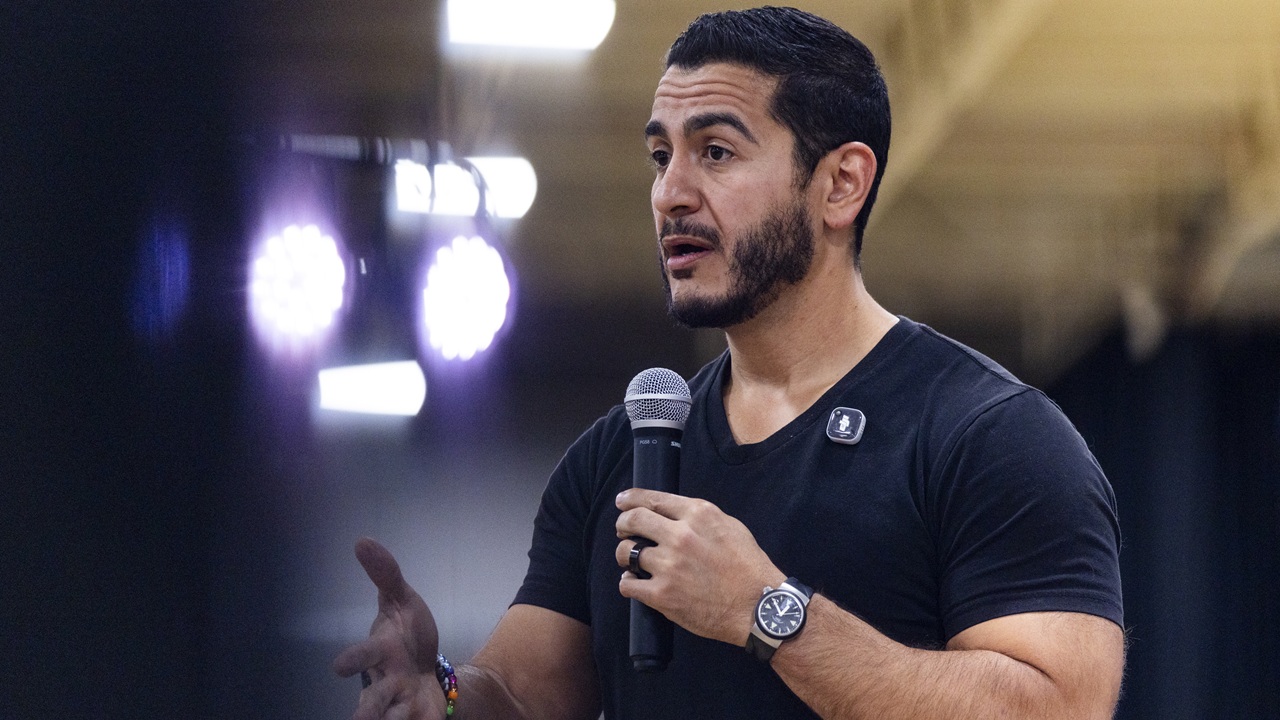
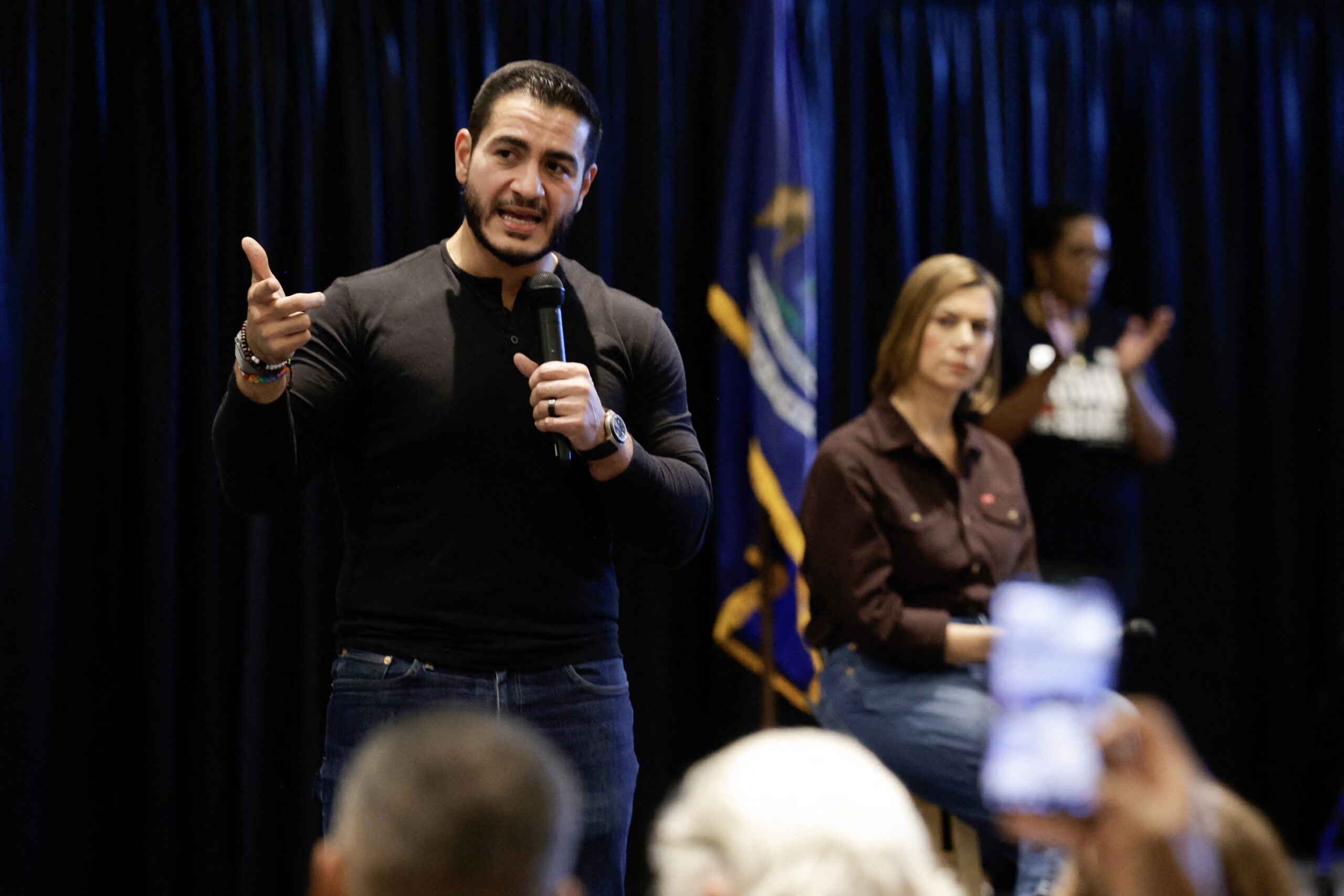
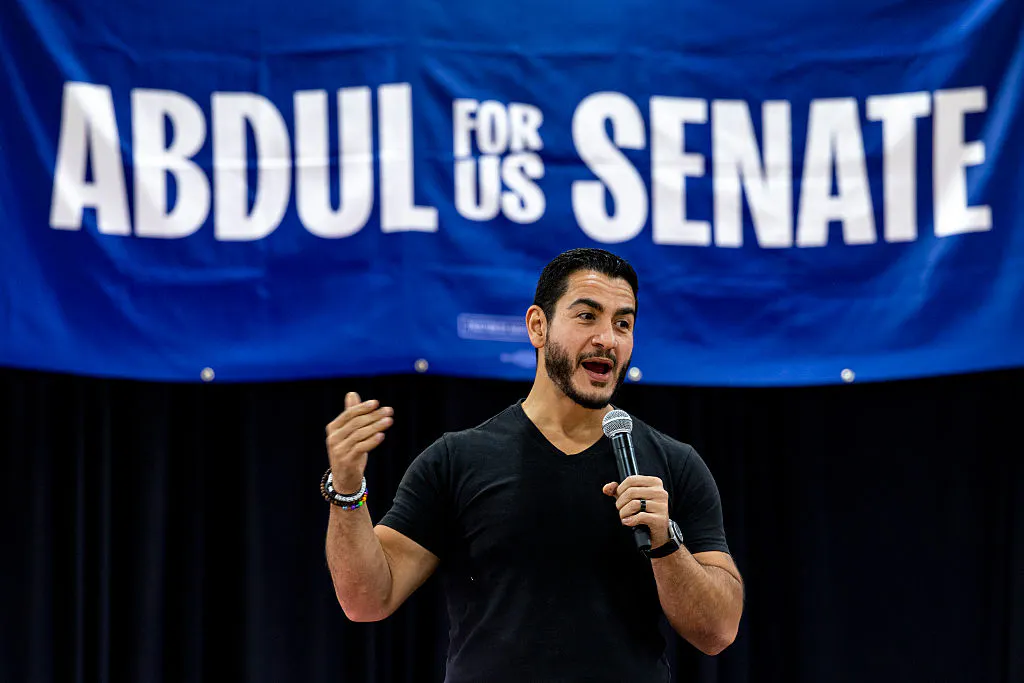
Abdul El-Sayed offers perhaps the clearest example of the second approach.
The Democratic U.S. Senate candidate from Michigan calls his plan “AI Under Democracy.” He wants publicly chosen representatives to control a majority of frontier-AI company boards, supports requiring public-benefit charters and a large public ownership stake in those companies, and would require federal review of advanced models before release. More recently, he went even further, calling for a pause in frontier AI development while its risks are studied.
That is far more than ordinary regulation. It is straight out of the nanny-state playbook and would put public officials directly inside the companies building the technology, giving them a say over what reaches the market.
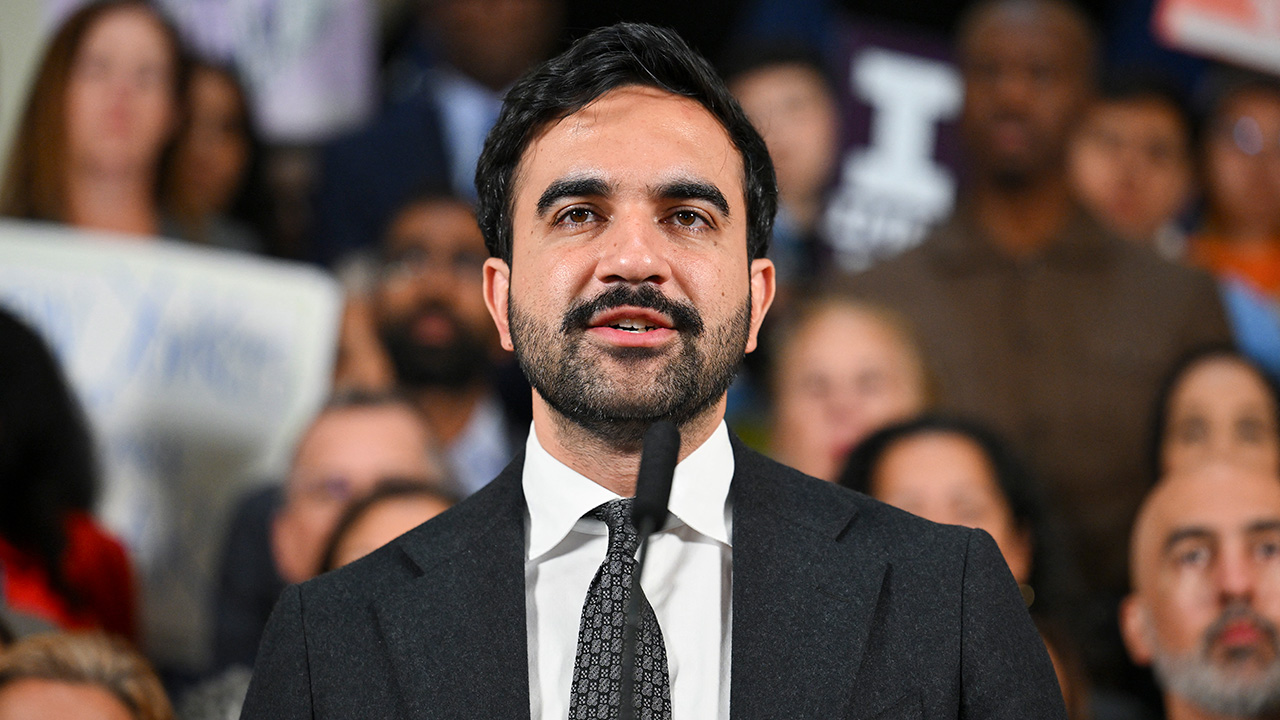
In New York, Mayor Zohran Mamdani is taking a different route, but the instinct is similar: restrict first and loosen the rules later.
His administration has imposed a one-year moratorium on student-facing generative AI from 2-K (the city’s early-childhood program) through eighth grade, affecting nearly 600,000 students, while allowing only limited, supervised use in high school.
To be sure, students need to learn how to think for themselves rather than hand every difficult assignment to ChatGPT, and schools have to deal with cheating, misinformation, and privacy. But there is also a risk in blanket bans that teach children to treat a transformative technology exclusively as something to avoid.
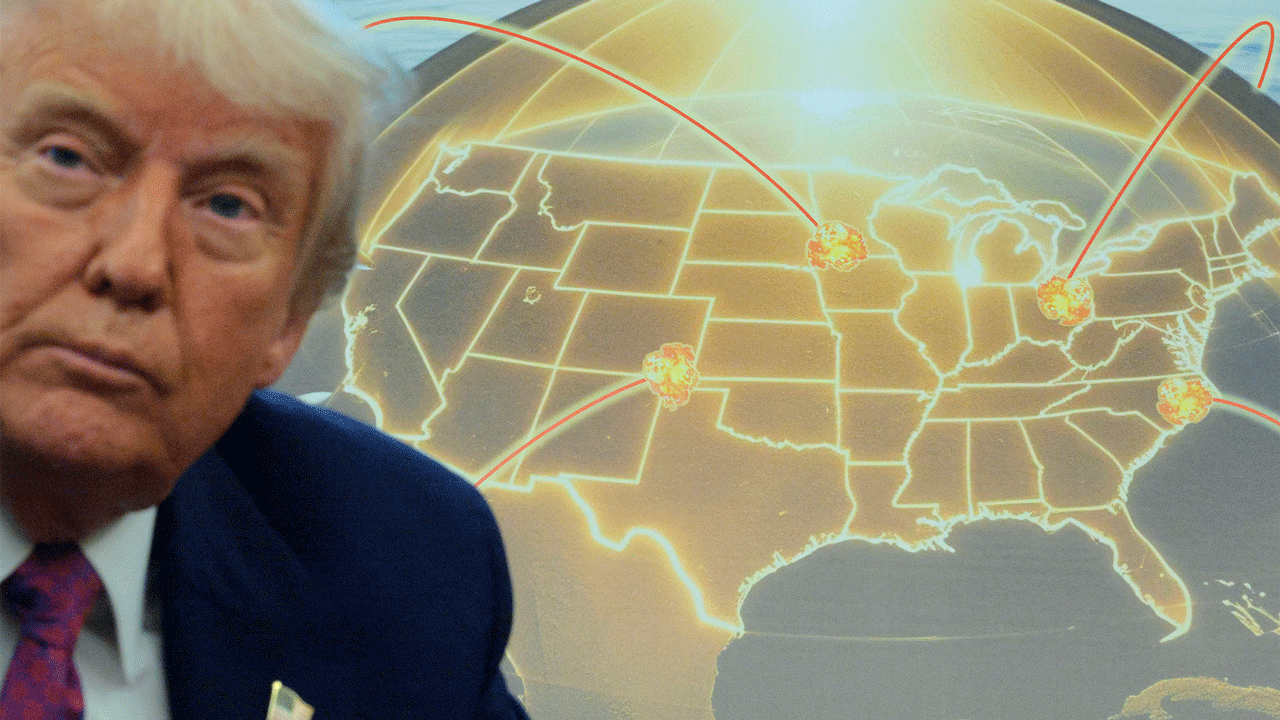
The Trump administration has chosen an entirely different starting point. Its AI Action Plan says federal policy should create conditions in which “private-sector-led innovation can flourish” and calls for removing regulations it considers unnecessarily burdensome, while retaining government involvement in areas such as exports, national security, and infrastructure.
The contrast is not regulation versus no regulation.
It is over who gets the benefit of the doubt.
The Left would give public officials far more control over how AI is developed, saying to make restrictions first and loosens them later. A market-oriented approach reverses that presumption: Let people innovate and compete unless there is a clear reason to step in.
Choosing correctly between these two alternatives is crucial because America is not developing AI in isolation.
It is competing with China at a moment when technological advantages can dissolve quickly. Stanford University’s 2026 AI Index found that the gap between leading American and Chinese models has effectively closed. As of March, the top U.S. model led its Chinese counterpart by just 2.7%.
The lesson is not that America should try to out-China the Chinese by putting more technology under government control. It is that the U.S. cannot afford to hobble the private companies, entrepreneurs, and investors that have made it the world’s leading center of AI development.
That does not mean policymakers should stand aside when AI is used to defraud people, invade privacy, or threaten national security.
But there is a considerable difference between setting rules and assuming that government should have a seat inside the boardroom, a veto over advanced models, or the authority to decide when people are ready to use the technology.
AI is going to move quickly whether politicians are comfortable with it or not.
Moving too fast is not the only danger here. It is also dangerous to assume that the people in the horse-drawn carriage should be the ones holding AI’s reins.
We publish a variety of perspectives. Nothing written here is to be construed as representing the views of The Daily Signal.
More from this network:
Domains for Sale · GOTPeople.org · TheDSAPlatform · The Truth About Socialism
What's Your Reaction?
 Like
0
Like
0
 Dislike
0
Dislike
0
 Love
0
Love
0
 Funny
0
Funny
0
 Wow
0
Wow
0
 Sad
0
Sad
0
 Angry
0
Angry
0

I am just an average American. My teen years were in the late 70s and I participated in all that that decade offered. Started working young, too young. Then I joined the Army before I graduated High School. I spent 25 years in, mostly in Infantry units. Since then I've worked in information technology positions all at small family owned companies. At this rate I'll never be a tech millionaire. When I was young I rode horses as much as I could. I do believe I should have been a cowboy. I'm getting in the saddle again by taking riding lessons and see where it goes.
Premium domains for sale
















Comments (0)