

The moment George W. Bush showed me what true compassion looks like

Premium domains for sale
Freedom Is Back In Style
Many years ago, a man approached me after church.
Freedom Is Back
In Style
Premium domains for sale
“I heard about you and your wife’s journey,” he said. “I know exactly what you’re going through. I know how you feel.”
What happened to the people in pain? Did their burdens lift? Did their circumstances change?
I remember being surprised. I didn’t know anyone in that city who walked a road like ours. By that point, both of my wife’s legs were gone, and we were somewhere around surgery number 75.
“Oh?” I said.
“Yeah,” he replied earnestly. “My wife broke her ankle last month.”
Of the many gifts our heavenly Father has bestowed, sarcasm didn’t make the cut, so I bit my tongue and learned to like the taste of blood. After a brief but violent collision between my brain and my mouth, I responded the way any good Southerner would.
“Bless your heart.”
Yet his words stayed with me. That word “exactly” was doing a lot of work. He didn’t ask to understand. He announced that he already did.
A broken ankle is certainly nothing to be minimized, but it is not the same as a life marked by decades of surgeries and a body that no longer has ankles. And treating those two things as the same doesn’t honor suffering. It distorts it.
RELATED: You don’t have to engage with crazy
 Michael S. Schwartz/Getty Images
We do this more than we realize. Not just in church hallways, but on far larger stages.
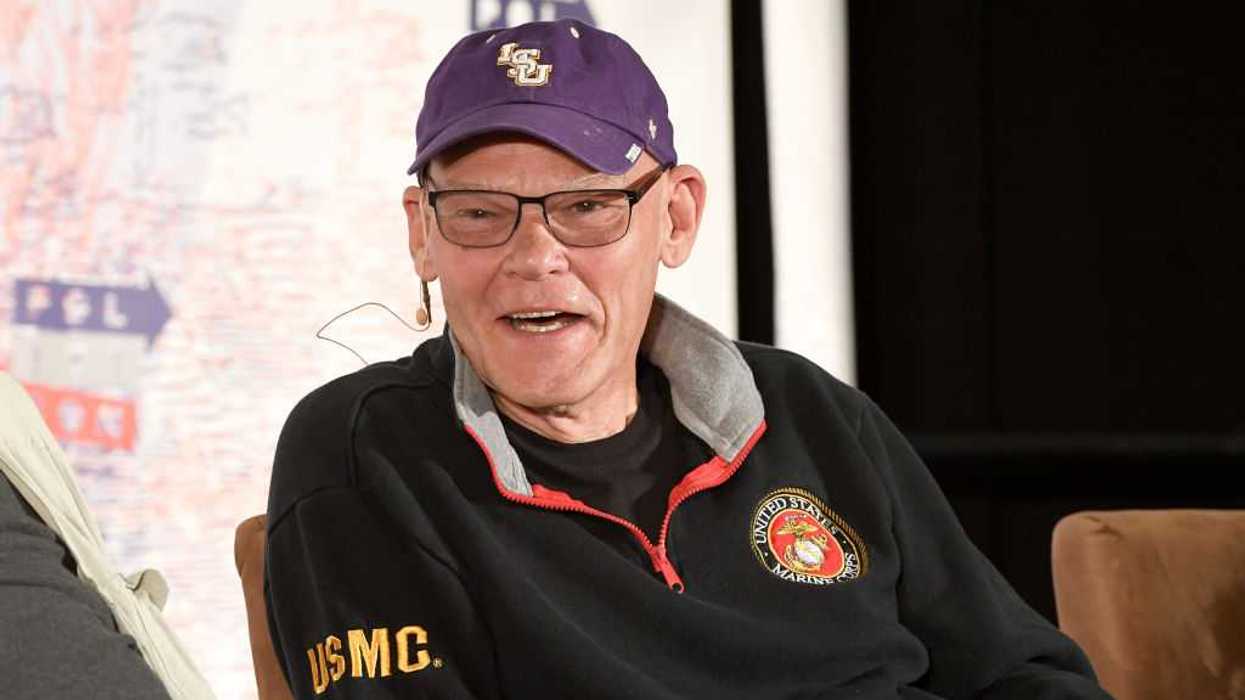
One of the most famous moments was during the 1990s when Bill Clinton leaned in to a camera during a presidential town hall debate, softened his voice, and told a distressed audience member, “I feel your pain.”
Or, as he said it, “Ah feel your pain.”
It worked. He connected with enough people to win. But it raises questions.
What happened to the people in pain? Did their burdens lift? Did their circumstances change?
When suffering is approached with certainty rather than humility, it becomes toxic empathy. It sounds like compassion, but it satisfies the speaker and leaves the sufferer untouched. It doesn’t just fail to help; it often abandons people in the very moment they asked not to be.
Understanding is claimed. Burden is often avoided.
When someone shares their pain, he's not asking you to take over. He's inviting you in — but not to rearrange the furniture.
Too often, we grasp for words that sound right instead of doing what is right. Words are how we connect, but in moments like these, too many of them get in the way.
I never know exactly how someone else feels. But I can listen. I can pay attention. I can show up. And I can resist the urge to insert myself into something I haven’t carried. I learned that from my wife, Gracie.
A woman once started to share something painful with Gracie, then stopped and said, “My situation doesn’t compare to yours.”
Gracie didn’t let that stand.
“Don’t minimize your pain by comparing it to mine,” she said. “If you’re going to compare anything, compare this: If I’ve found God to be faithful in my journey, then hold on to that while you trust Him in yours.”
Somewhere along the way, that woman probably learned to measure her pain before she spoke of it. To decide whether it qualified. Gracie didn’t accept that. She let her know she deserved to be seen.
We tend to mishandle each other’s and our own pain. Sometimes we insert ourselves into someone else’s pain. Sometimes we talk ourselves out of our own. And in both cases, something essential gets lost.
Suffering doesn’t need a spokesperson. It needs someone willing to see and stay.
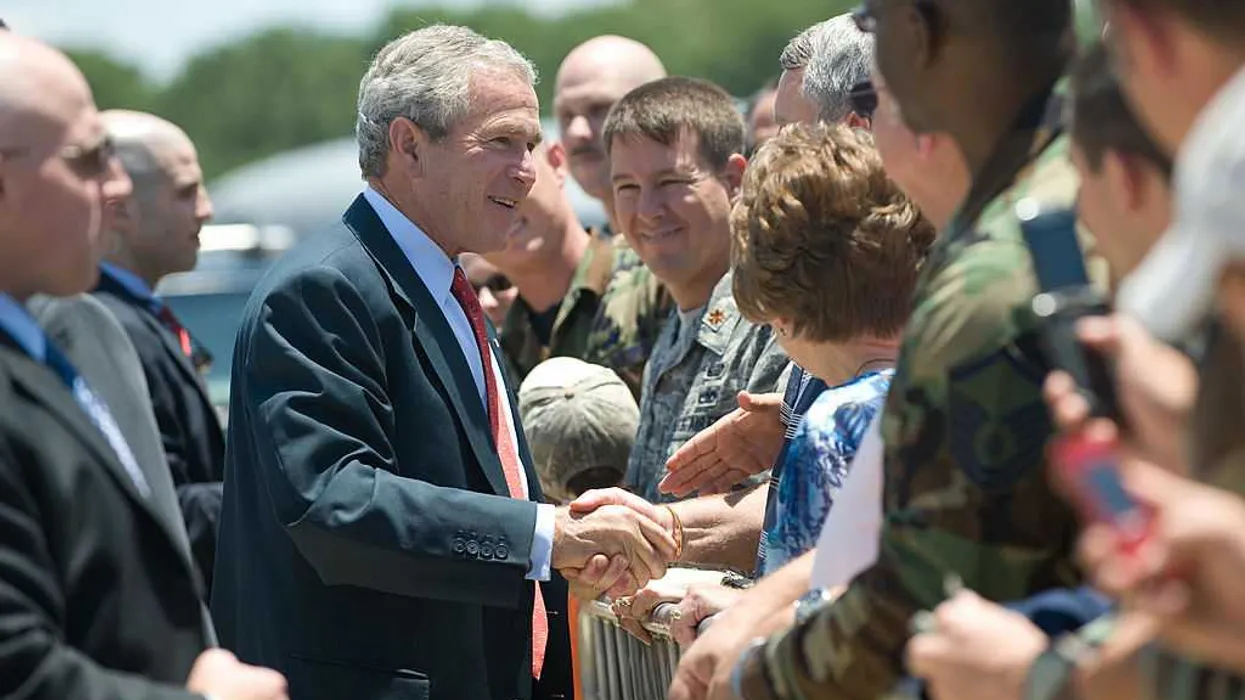
Years ago, Gracie and I waited in line to meet President George W. Bush. When our turn came, he reached out to greet me, then turned to her. He noticed her uncovered prosthetic legs below her skirt. This was long before people displayed them the way they do now, especially women.
He didn’t say anything. He met her eyes, took her hand, and held it in both of his. I watched his expression change. His eyes softened. There was a hint of moisture there. And he just stayed with her for a moment that seemed to stretch.
The most powerful man on the planet at the time didn’t insert himself into her story. He didn’t try to prove he understood it. He simply met her in it.
We see the opposite often enough. Public figures stand under bright lights and assure people that they understand. They speak quickly, confidently, sometimes even spiritually, about pain they have never carried. It sounds compassionate. It polls well and is usually offered in exchange for votes or money.
But it leaves people alone. Because the moment someone claims to fully understand another person’s pain, he has stopped listening. And when suffering becomes a platform, the work of carrying it gets left to someone else.
Respecting someone’s pain doesn’t involve saying, “I know exactly how you feel.” It starts with admitting you don’t and staying anyway.
More from this network:
Domains for Sale · GOTPeople.org · TheDSAPlatform · The Truth About Socialism
What's Your Reaction?
 Like
0
Like
0
 Dislike
0
Dislike
0
 Love
0
Love
0
 Funny
0
Funny
0
 Wow
0
Wow
0
 Sad
0
Sad
0
 Angry
0
Angry
0

I am just an average American. My teen years were in the late 70s and I participated in all that that decade offered. Started working young, too young. Then I joined the Army before I graduated High School. I spent 25 years in, mostly in Infantry units. Since then I've worked in information technology positions all at small family owned companies. At this rate I'll never be a tech millionaire. When I was young I rode horses as much as I could. I do believe I should have been a cowboy. I'm getting in the saddle again by taking riding lessons and see where it goes.
Premium domains for sale























Comments (0)