

To Save American Movies, I’m Taking California To The Supreme Court
Premium domains for sale
Freedom Is Back In Style
If you were to ask almost any Iowa family what they have noticed about digital entertainment or “the shows they watch,” they will say that even though there are more streaming services, there are fewer quality shows, and that what they are watching just gets more expensive. That’s what happens when one company gets too far out in front, and the companies chasing it are too small to catch up. In other words, not enough real competition means everyday Iowans — and everyday Americans — are paying more.
Freedom Is Back
In Style
Premium domains for sale
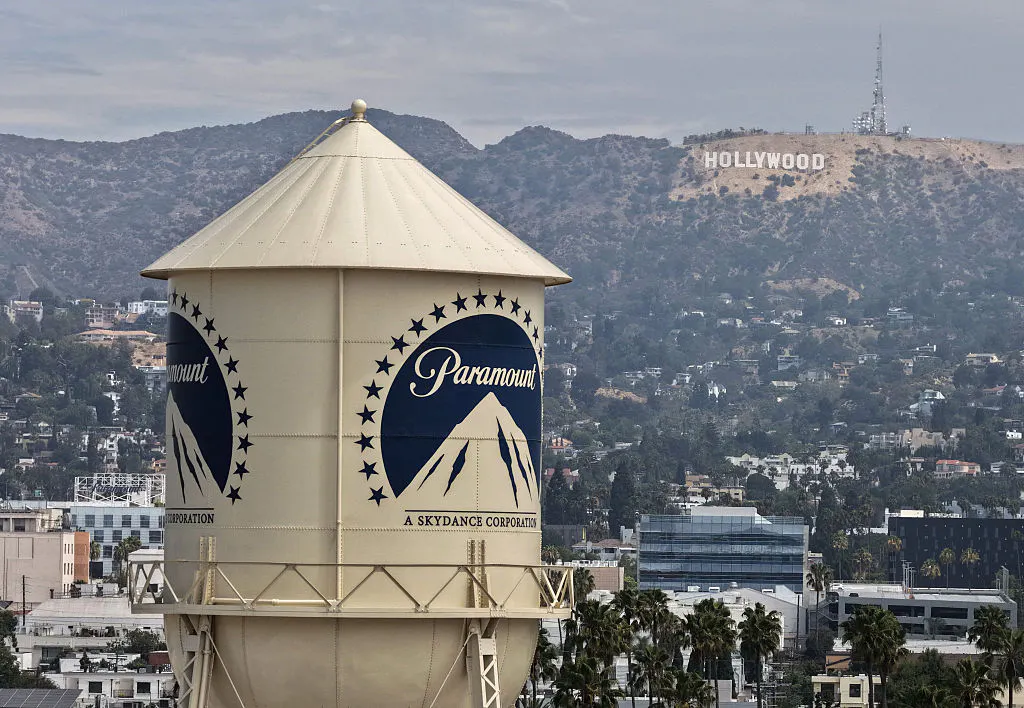
A successful Paramount-Warner Bros. merger would change that. Netflix dominates the market for streaming. Paramount+ and HBO Max together are smaller than Netflix, smaller than Disney, and smaller than Amazon. The merger could create a company to compete: an estimated $6 billion in savings to reinvest, and a public commitment to release at least 30 movies in theaters every year. More movies mean more entertainment — and more competition means lower prices.
A commitment to release 30 films a year is a big deal. That means more real choice for the family deciding which subscription to keep and which to cancel; more entertainment for small-town theaters to put on the marquee; and even more work for the crews who build sets and run cameras. Iowans do not need an economist to explain that.
Now think about what California’s delay is doing. Beginning in October, Paramount is contractually obligated to pay Warner Bros. roughly $7 million a day for as long as this transaction sits in limbo, and the trial that 12 state attorneys general have engineered will not even start until March 2027. That money could have lowered streaming costs but instead is being burned on a lawsuit that federal antitrust enforcers and 68 regulators around the world already concluded was unnecessary.
The hard costs are only half of it. Two storied American companies are frozen. Warner Bros. cannot confidently green-light a film, upgrade its technology, or sign a long-term contract without knowing whether it will exist as an independent company next year. Paramount cannot execute its plans without a merger either. Employees cannot plan careers. And a movie that does not get made this year may never get made at all. Financing expires, talent moves on, and production slates are abandoned. No court ruling in 2027 can go back and produce the film that was never shot. And no Iowan will ever get to see that movie either.
So what exactly is California’s lawsuit protecting us from? The Department of Justice spent more than eight months turning over every stone and checking every stalk for blight. Career investigators reviewed more than 2 million documents and interviewed participants across the industry, including the competing bidders. State attorney general offices — including California’s — had access to that same record. The Department’s conclusion was that the merger will “increase competition across the media and entertainment ecosystem, with benefits for American consumers and workers.”
The Department examined this deal market by market and found a benefit in each one. In streaming, it concluded the combined firm is likely to increase competition by giving consumers “a more robust competitive alternative” to the dominant players. In television, it found a market in steady decline from streaming pressure but still a robust competitive landscape, one this merger does not change. In movies, it found competition intensifying rather than shrinking, from Disney, Sony, Universal, Lionsgate, and Amazon’s MGM, from independents like A24 and Blumhouse, and from Netflix and Apple, which now make theatrical films of their own. More movies are being made, and more workers are being hired. That is the opposite of a monopoly problem.
Regulators on nearly every continent reached the same answer. The European Commission conducted its own extended review and cleared the deal. So did Canada, the United Kingdom, Australia, China, and dozens more. California and its coalition of the unwilling find themselves more hostile to this pro-competition merger than Europe and China.
California argues that the Department of Justice waved this through as a political favor to Paramount’s owners. Then someone should explain how the Department managed to get approval in China, Europe, Canada, and the other 60-plus jurisdictions. When regulators in 68 jurisdictions with different laws, different politics, and no stake whatsoever in American elections all reach the same conclusion, the outlier is not the consensus. California is just dreaming up something radical.
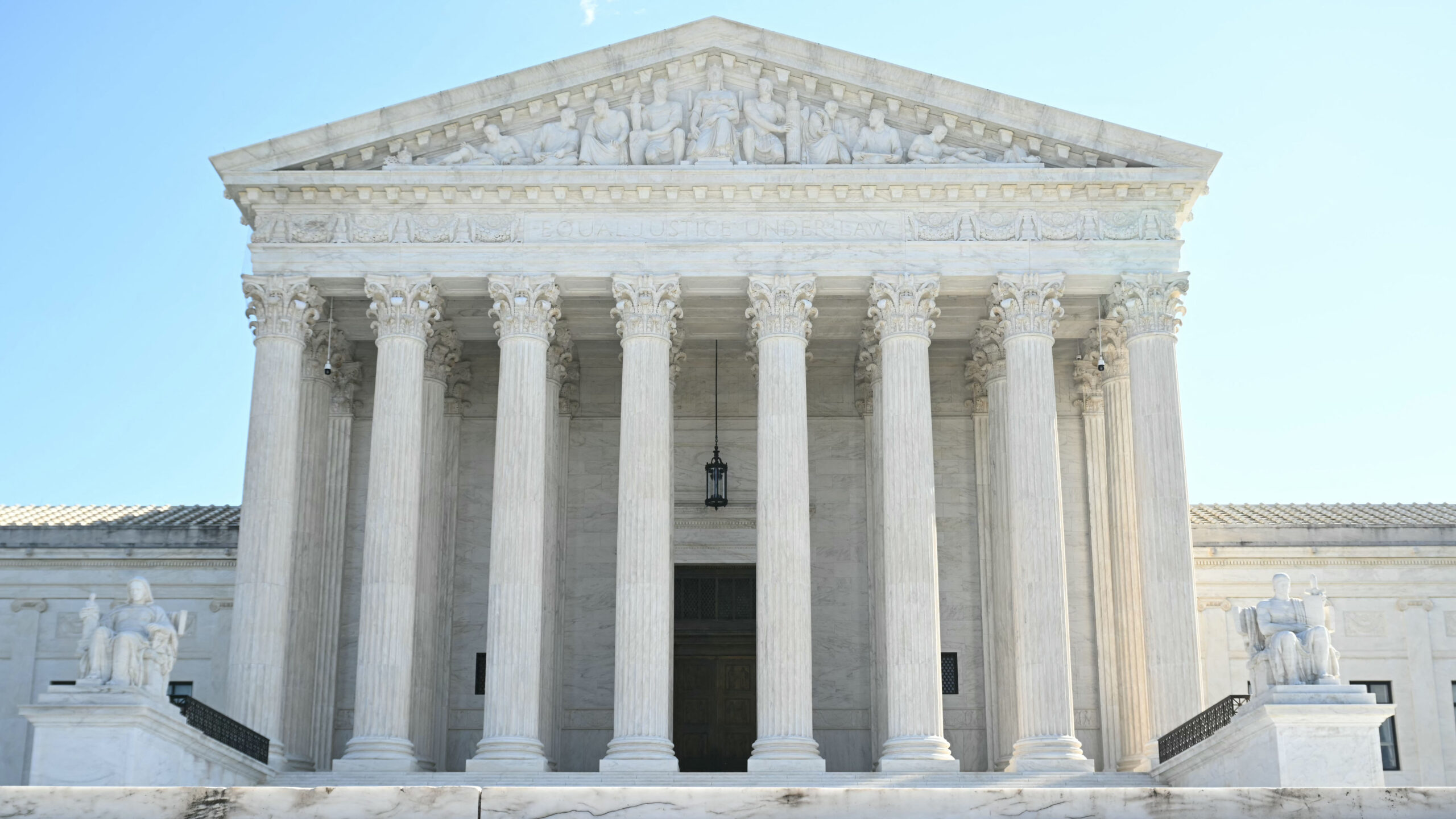
That brings me to why Iowa is going to the Supreme Court of the United States rather than simply filing a brief in California.
On July 13, 12 states sued in a federal courthouse in San Francisco and, a week later, obtained an order halting a $110 billion transaction. That order does not stop at the California border. It reaches into Iowa, into all 38 states led by Republicans and Democrats alike that reviewed this deal and declined to challenge it. Iowa examined the same evidence and reached a different judgment: that this merger helps our economy and our citizens. Twelve states have overridden that judgment for the entire country, and Iowans never got a vote.
California is once again trying to be the country’s regulator. And once again California is defying common sense to raise costs around the country. That makes this a dispute between states, and the Constitution says those can only be heard in the U.S. Supreme Court. Iowa cannot sue California in a district court, because Congress said so. Intervening in California’s chosen forum raises the same problem — at least until the Supreme Court tells us whether it agrees with Congress that it is the only court that can hear this case. Without that ruling, we would be walking into a case filed by California before a judge with no authority to decide a controversy between states.
Just like California should keep its hands off America’s bacon, California needs to understand that it doesn’t get to decide what Americans can choose to watch or stream. If California believes a transaction that 68 regulators approved is nevertheless illegal, it is free to make that argument. But it should make it in the one court with the authority to bind all of us, and it should make it now, before the bill for the delay comes due.
***
Brenna Bird is the Attorney General of Iowa.
More from this network:
Domains for Sale · GOTPeople.org · TheDSAPlatform · The Truth About Socialism
What's Your Reaction?
 Like
0
Like
0
 Dislike
0
Dislike
0
 Love
0
Love
0
 Funny
0
Funny
0
 Wow
0
Wow
0
 Sad
0
Sad
0
 Angry
0
Angry
0

I am just an average American. My teen years were in the late 70s and I participated in all that that decade offered. Started working young, too young. Then I joined the Army before I graduated High School. I spent 25 years in, mostly in Infantry units. Since then I've worked in information technology positions all at small family owned companies. At this rate I'll never be a tech millionaire. When I was young I rode horses as much as I could. I do believe I should have been a cowboy. I'm getting in the saddle again by taking riding lessons and see where it goes.
Premium domains for sale
















Comments (0)