

Tropical Storm Bertha Makes Landfall, Bringing Flood, Wind Threats
Premium domains for sale
Freedom Is Back In Style
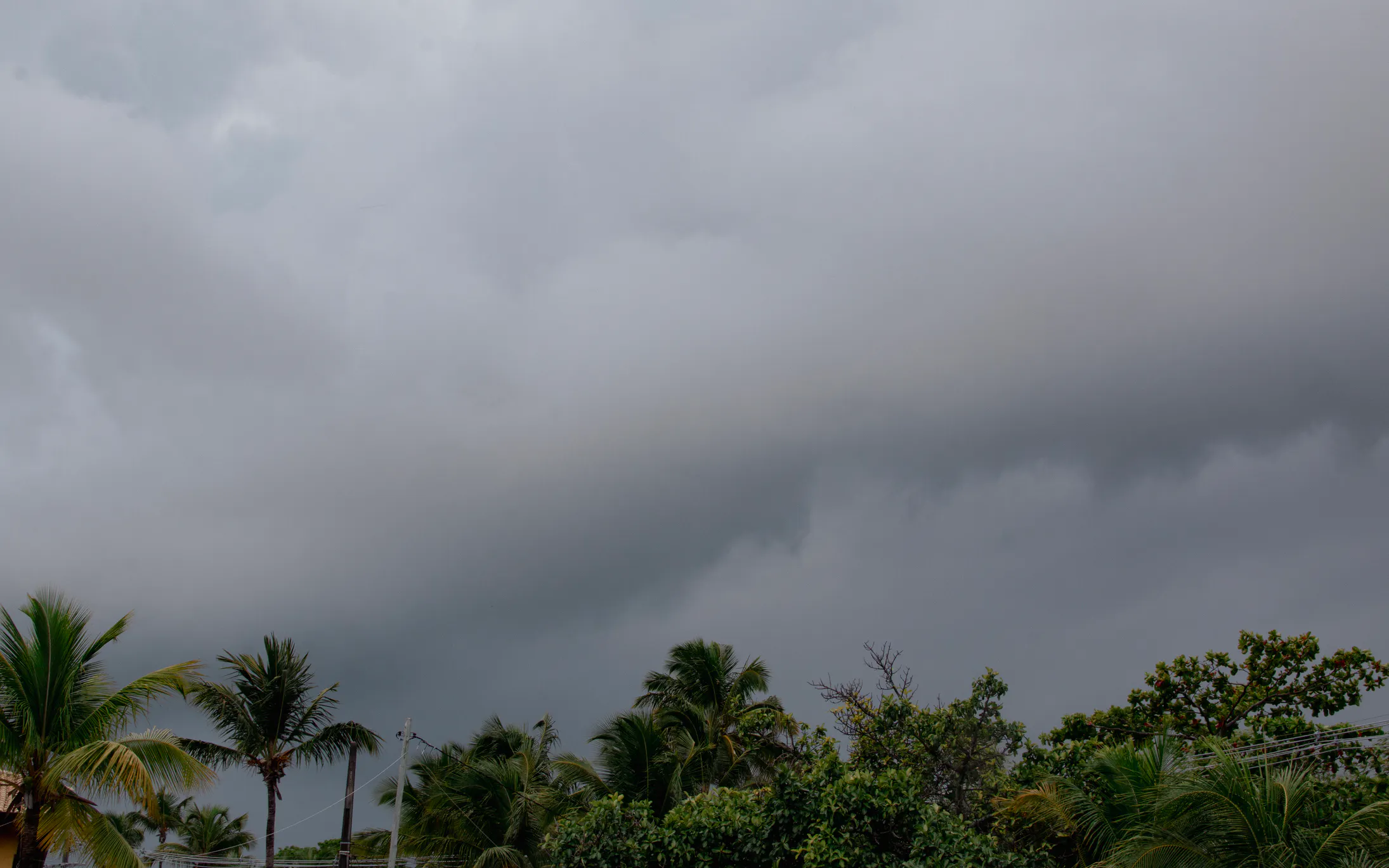
Tropical Storm Bertha made landfall in southeastern Louisiana on Wednesday afternoon, bringing heavy rain, strong winds, storm surge, and the threat of isolated tornadoes to parts of the Gulf Coast.
Freedom Is Back
In Style
Premium domains for sale
The storm came ashore around 2 p.m. CDT near the Biloxi Wildlife Management Area in St. Bernard Parish with maximum sustained winds of 45 mph. Coastal flooding from storm surge was already being reported as Tropical Storm Warnings remained in effect for the New Orleans metropolitan area and the Lake Pontchartrain region.
Forecasters warned residents across southeastern Louisiana and portions of coastal Mississippi to expect sustained tropical-storm-force winds, heavy rainfall, and the potential for isolated tornadoes through Thursday.
Farther east, Bertha also generated dangerous surf and rip current conditions along Alabama’s Gulf Coast. AccuWeather reported double red flags at Orange Beach, warning beachgoers of life-threatening surf and rip currents. Waves were expected to build between 9 and 11 feet, and swimmers who ignored the warnings could face fines or arrest.
Tropical Storm Bertha brought high surf, storm surge, and coastal flooding advisories to Alabama’s Gulf Coast on Tuesday evening, creating hazardous conditions along the shoreline. pic.twitter.com/GsE51kqB3v
— AccuWeather (@accuweather) July 22, 2026
The storm also caused significant beach erosion in Alabama. At least six vehicles were submerged at the western end of Dauphin Island, while flooding forced officials to close portions of Dauphin Island Parkway near Dog River and restrict access to the eastbound I-10 Bayway ramp.
Bertha is the second named storm in the 2026 Atlantic hurricane season, following Tropical Storm Arthur in June.
Forecasters said Bertha remains somewhat disorganized as strong upper-level winds continue to disrupt the storm’s structure. Despite that, the system is expected to produce hazardous conditions across portions of the Gulf Coast.
The greatest threats remain damaging wind gusts, creating rough surf conditions, flooding and storm surge. ” Florida’s Panama City Beach experienced wind gusts up to 42 mph on Tuesday, while portions of Florida’s Panhandle experienced gusts as high as 50 mph.
Forecasters also warned that a storm surge of up to three feet is possible along parts of the immediate Gulf Coast, per Yale Climate Connections.
More from this network:
Domains for Sale · GOTPeople.org · TheDSAPlatform · The Truth About Socialism
What's Your Reaction?
 Like
0
Like
0
 Dislike
0
Dislike
0
 Love
0
Love
0
 Funny
0
Funny
0
 Wow
0
Wow
0
 Sad
0
Sad
0
 Angry
0
Angry
0

I am just an average American. My teen years were in the late 70s and I participated in all that that decade offered. Started working young, too young. Then I joined the Army before I graduated High School. I spent 25 years in, mostly in Infantry units. Since then I've worked in information technology positions all at small family owned companies. At this rate I'll never be a tech millionaire. When I was young I rode horses as much as I could. I do believe I should have been a cowboy. I'm getting in the saddle again by taking riding lessons and see where it goes.
Premium domains for sale























Comments (0)