

Voting for the villain: Why Spencer Pratt is LA's last, best hope
Premium domains for sale
Freedom Is Back In Style
Earlier this month I saw our old house in Pacific Palisades again, risen from the ashes in all its beautifully unremarkable splendor. In fact, the entire cul-de-sac had been restored, and when I followed Dulce Ynez to Jacon and then out onto Marquez, I passed all the familiar shops. There was Ronny’s Market, open for business, just as it was that Monday night 15 months ago when I stopped in for beer and toilet paper.
Freedom Is Back
In Style
Premium domains for sale
A mile or so down Sunset, Gelson’s supermarket was back too, along with the churches and the schools and the yogurt shops. So were other, more personal landmarks — sites of playdates and family dinners and Halloween parties, homes with addresses as familiar as my own.
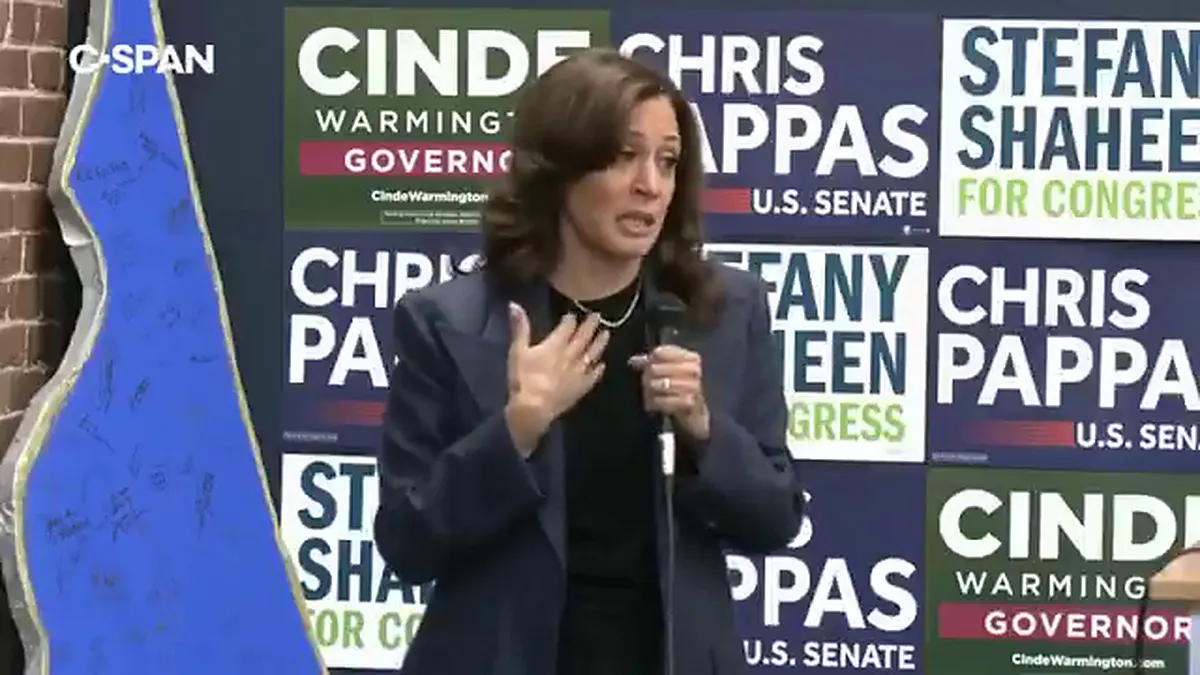
We all remember Bass’ first public appearance during the fire: ambushed by a Sky News reporter as soon as she got off the plane from Ghana.
Like a ghost, this eerie figment of memory vanished the moment I went to get a closer look. One click on street view and I was back among the barren empty lots and charred ruins we had all come to accept as the new Pacific Palisades.
Map in the face
Why did Google Maps revert to pre-fire imagery of the Palisades (and Altadena, for that matter) sometime in mid-May?
It’s not unusual for Google to rely on older aerial photos for some maps, but after our town burned to the ground, the company seemed to make a special effort to document its destruction and slow recovery.
Anyone wanting to remember the complete and total devastation of the Palisades can go into Google Earth’s history and see the town flattened like Dresden in the first update, published just three weeks after the fire. Click through and you get a new aerial image roughly once a month until that September — at which point it’s as if somebody looked at the slow pace of rebuilding and decided it wasn’t worth the effort to take pics every month. And so the Palisades circa early fall 2025 remained the default.
Until sometime last month. Suddenly, with a looming mayoral election putting renewed scrutiny on incumbent Karen Bass’ much-criticized handling of the disaster, the most powerful tech company on the planet memory-holed what happened. Nothing to see here, folks.
At least, that’s how the “conspiracy theory” goes.
Wack job
Conspiracy theory: That’s what people like us — educated, affluent, well traveled — call such speculation. The phrase rolls off the tongue with a knowing, detached amusement — betraying just a hint of condescension for the benighted masses too paranoid to accept the unnamed Google spokesperson’s perfectly reasonable explanation:
This is a technical issue triggered by a recent, routine update to satellite imagery in Google Maps and Earth, which accidentally restored old imagery from before the fires. We’re fixing it ASAP.
Now that’s a response the old me could have gotten behind. Of course! A “technical issue.” “Routine update … accidentally restored …” It all checks out. I mean … I think. I use Google. I read the Economist. I know upper-level management at Netflix. My kid goes to the same school as the guy who designed the Cybertruck.
I don’t know exactly how it all works, but I believe the science — and I’m definitely not going to waste anyone’s time (“We’re fixing it ASAP”) with embarrassing, half-understood accusations. That’s what a conspiracy theorist does.
Hopelessly demoted
Why does that label sting? To paraphrase the old saw about capitalism, most of us see ourselves as temporarily embarrassed elites, no less capable or in control than the people we vote for. To express anger and frustration at them implies dependence. I’ve always thought that the most embarrassing thing about being a conspiracy theorist isn’t that it makes you look gullible. It’s that it shows everybody how helpless you feel.
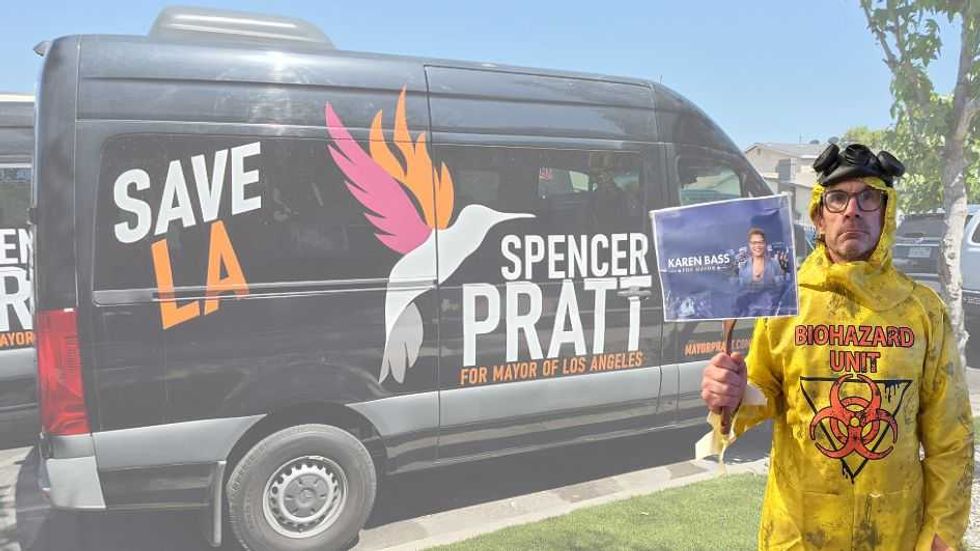
Well, after days spent sweating through cheap paper hazmat suits, awkwardly scrabbling over ash-covered piles of twisted metal and carbonized particleboard in search of any remotely recognizable token of our previous lives, I’m no longer so self-conscious.
Months of misplaced documents, unfiled claims, and phone calls in which I invariably subject well-meaning strangers to me at my meanest, most self-pitying worst have made me realize there’s only so much we can control.
Most crucially, almost a year and a half of gaslighting, buck-passing, and bureaucratic bulls**t have made me so desperate for the straightforward, unvarnished truth that I no longer care about asking for it politely.
In other words, brothers and sisters, pass me the tinfoil hat, because I’m ready to start connecting some dots.
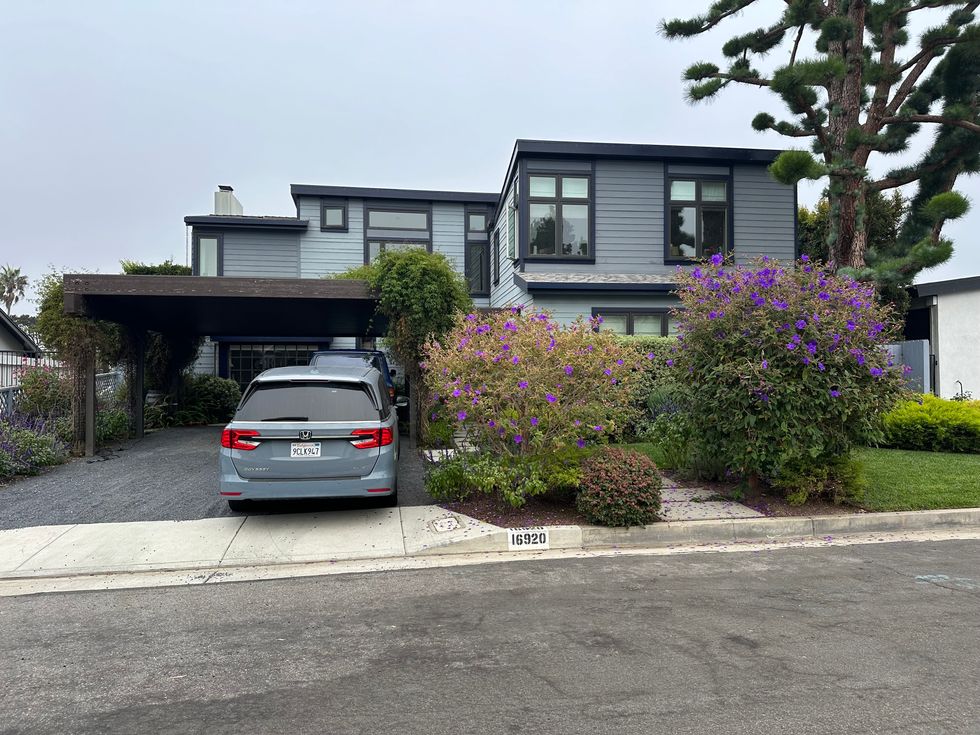 The author's house before ...
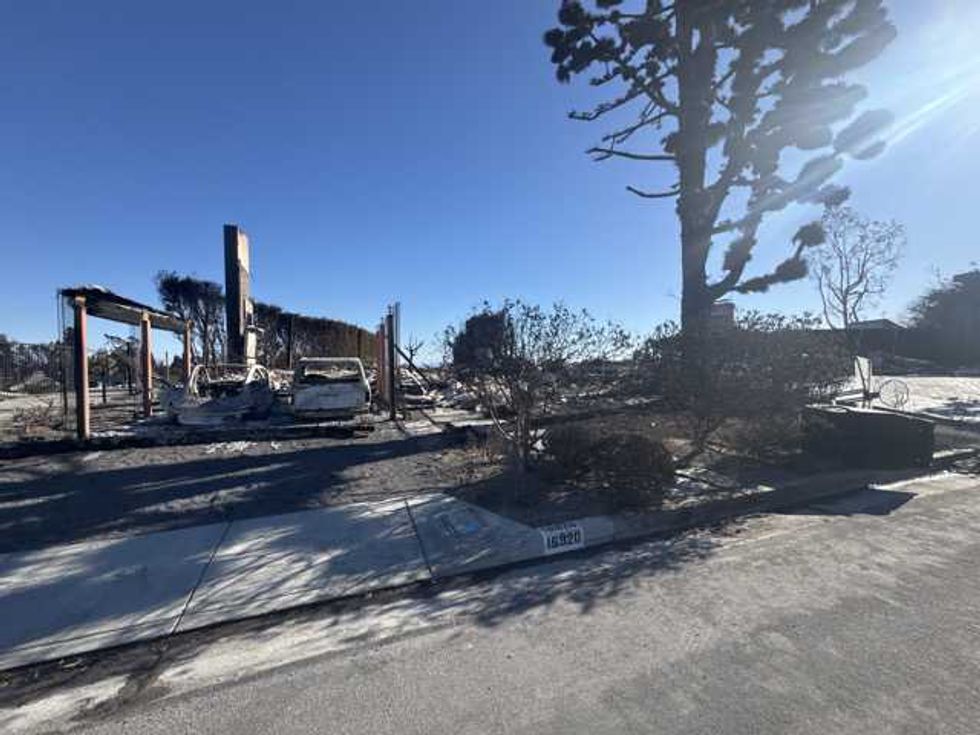 ... and after. Photos courtesy Matt Himes
Loudmouth at large
Did Karen Bass or someone on her team actually call up someone at Google and ask them to make her re-election bid just that much easier? I don’t know. I don’t care.
Anyone with a modicum of imagination — and nothing fires up the imagination like coming face-to-face with the kind of apocalyptic destruction you’ve previously only seen in Michael Bay movies — can tell you the timing of this curious digital switcheroo doesn’t look good. Would it hurt Google to admit it?
Credit where it’s due: The only reason the company deigned to say anything at all was likely because of Spencer Pratt. He wasn’t the first to bring it to Google's attention, but he was apparently the first person loud enough to merit an official response.
That’s because from the moment his own house burned down, Pratt started talking and hasn’t stopped. He has built a loyal local following by relentlessly calling out everybody he thinks failed the Palisades: Karen Bass, the LAFD, Gavin Newsom.
There were plenty of times he probably should have kept his mouth shut. Sometimes he seemed whiny or self-pitying. He was given to exaggeration and didn’t always aim his attacks precisely. But he also didn’t care what people thought, and this let him state the most obvious truths and ask the most basic questions that nobody else would touch.
Heel turn
Pratt is a former reality-star villain who thinks he’s “qualified” to run Los Angeles. That’s the joke his detractors never tire of telling. But the joke only works if you start with a specific idea of leadership.
Mayor Karen Bass exemplifies it. She has decades of public-sector experience and an easy familiarity with the levers of power. She understands the intricacies of policy and the necessity of compromise. She’s not very charismatic or compelling, but she knows how to project the kind of calm managerial competence that lets good liberals like us relax and take our eyes off the news.
But suddenly we were the news, and the last thing we wanted was to be “managed.”
We all remember Bass’ first public appearance during the fire: ambushed by a Sky News reporter as soon as she got off the plane from Ghana, she stared straight ahead for two and a half excruciating minutes, saying nothing, as if by standing completely still she could make herself disappear.
Bass found her words in time for the first official press conference, of course. But by then it was clear that the standard-issue pablum about unity and strength and resilience was just another defensive strategy to keep predators at bay.
Maybe that’s why the Google maps thing struck a nerve. It would have been easier to ignore if it didn’t seem like the crudely literal embodiment of Karen Bass’ primary political instinct during these long months of recovery: to put this whole mess behind her as quickly and as painlessly as possible.
RELATED: Dispatch from Pacific Palisades: A harrowing view of California's competency crisis
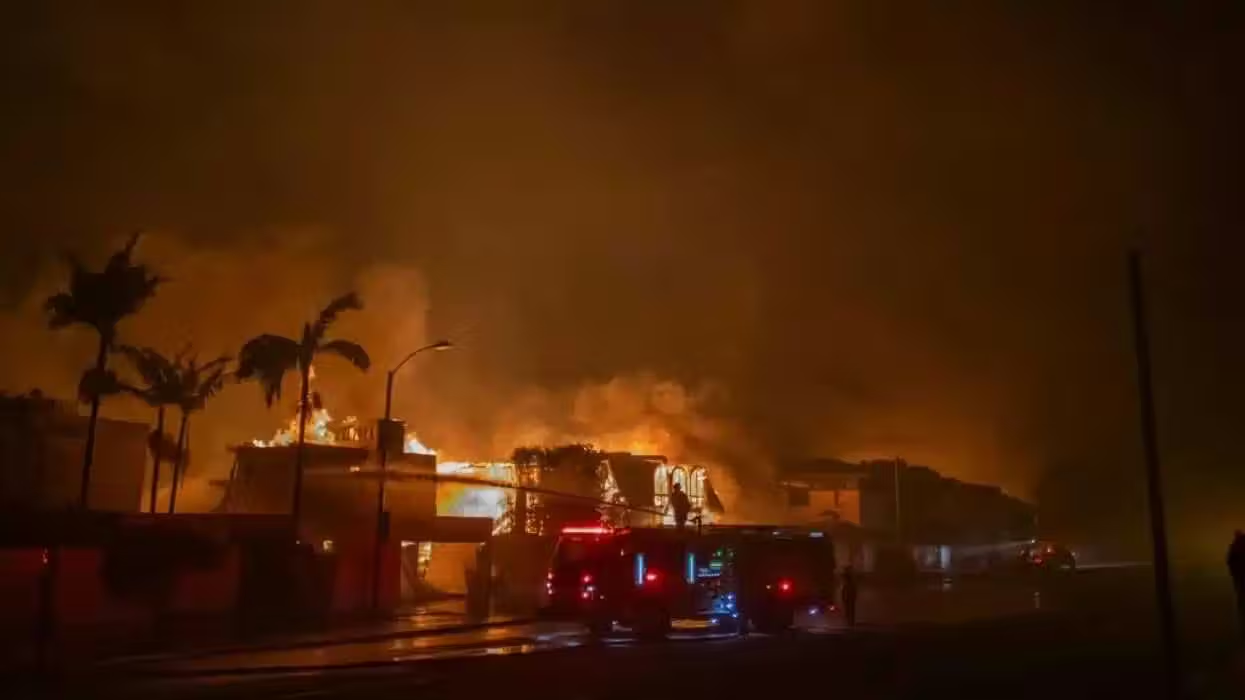 Apu Gomes/Getty Images
Prattriots in control
It’s easy not to think about leadership until it fails you. Spencer Pratt as mayor? It never would have occurred to me; I doubt it ever occurred to him. Yet the fact remains that when thousands of people felt abandoned, confused, angry, and unheard, he was willing to make a spectacle of his own rage and pain on their behalf.
Was it self-indulgent? A way of making it all about him? Maybe at first. But at some point, Pratt was no longer just talking about himself. He was speaking for us too, saying things many of us were saying in private, while making it clear that none of the usual tactics — the bad-faith appeals to civility, patience, unity — were going to work on him. As they say in the reality biz, he wasn’t here to make friends.
It’s June 2026 now, and many of the things Spencer Pratt was mocked for saying no longer sound especially controversial. So much so that Jimmy Kimmel can go on his show and say of course Los Angeles' current leadership is useless; everybody’s always known that; kudos to Pratt for saying so, but anyone who thinks that’s a reason to hand him the city is an idiot.
Sure, Pratt can identify the problem, but he has no idea how to fix it.
Skin in the game
But was identifying the problem really that easy? Kimmel didn’t do it. A few days after the fire, he was back on the air, fighting back tears as he praised the firefighters and condemned “our future president and his gaggle of scumbags” for daring to criticize Newsom and Bass.
I’ve talked to many of my fellow Palisadians about that long, terrible day, and two things hold true for everyone, regardless of the political views. Nobody saw a single fire truck come to help them. And nobody was thinking about Donald Trump.
Spencer Pratt has made a lot of us understand that leadership is not merely a matter of credentials or expertise. For those of us used to treating politics as a lifestyle choice, it took being brought to our knees to admit that we needed something more. It’s so simple a 5-year-old could understand it: Tell the truth about what happened, accept responsibility for what went wrong, and vow to prevent it from happening again.
In this post-Christian age, we like to think of ourselves as rational, self-reliant people who are above such symbolic gestures. Yet many of us occupy positions where we take it for granted that our concerns will be heard and our questions answered. The shock of the fire was compounded by a second shock: the realization that nobody in authority was really listening.
For once, Los Angeles is behind the times; a lot of Americans have known this for years. That could explain the interest the entire country has taken in this local contest. If the hopeful schemers and would-be main characters of our country’s broken-down dream factory can see themselves clearly, anyone can.
More from this network:
Domains for Sale · GOTPeople.org · TheDSAPlatform · The Truth About Socialism
What's Your Reaction?
 Like
0
Like
0
 Dislike
0
Dislike
0
 Love
0
Love
0
 Funny
0
Funny
0
 Wow
0
Wow
0
 Sad
0
Sad
0
 Angry
0
Angry
0

I am just an average American. My teen years were in the late 70s and I participated in all that that decade offered. Started working young, too young. Then I joined the Army before I graduated High School. I spent 25 years in, mostly in Infantry units. Since then I've worked in information technology positions all at small family owned companies. At this rate I'll never be a tech millionaire. When I was young I rode horses as much as I could. I do believe I should have been a cowboy. I'm getting in the saddle again by taking riding lessons and see where it goes.
Premium domains for sale













Comments (0)