

What If We Could Cure Genetic Disorders Without Destroying Embryos?
Premium domains for sale
Freedom Is Back In Style
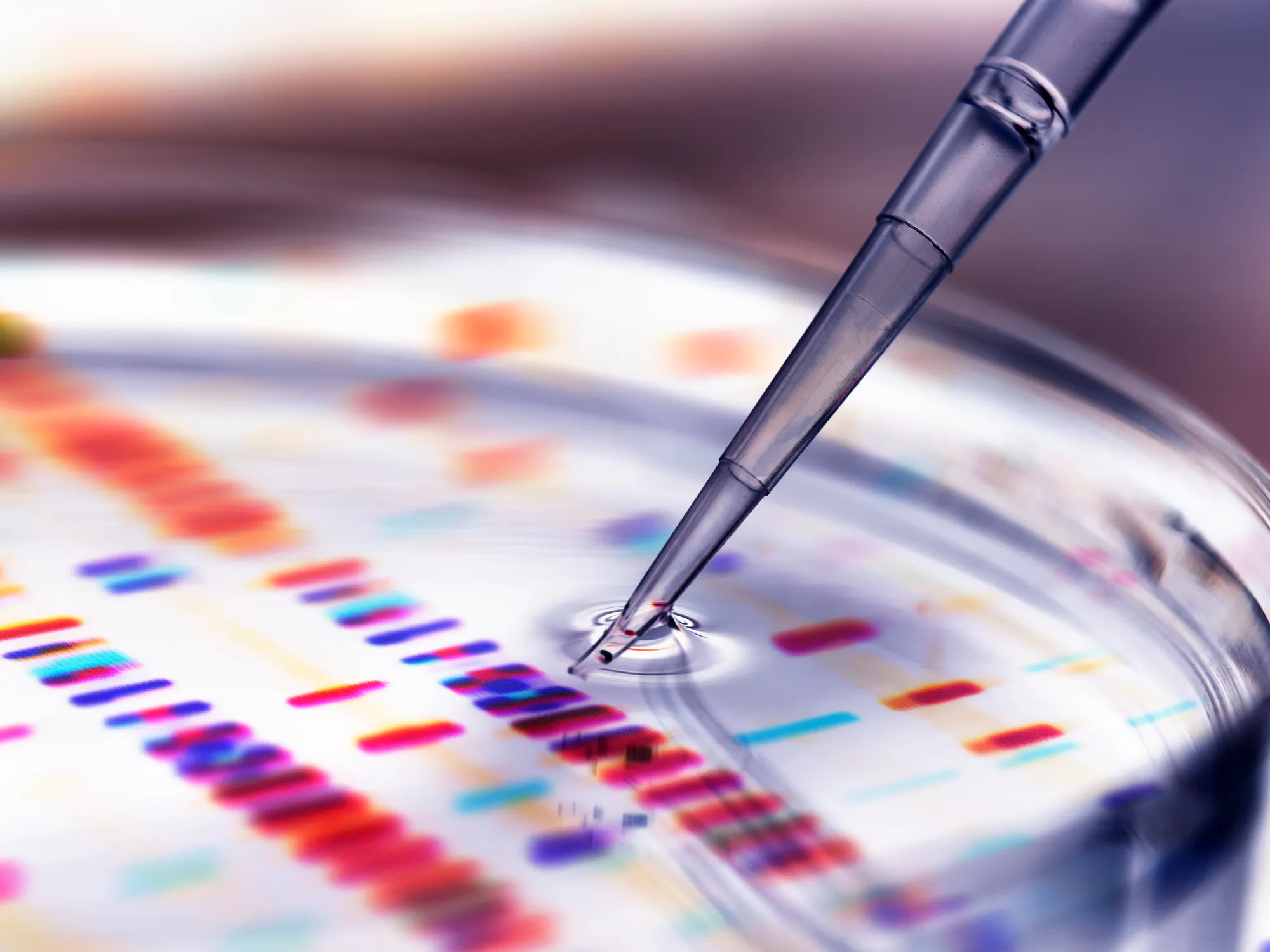
For the first two years of his life, Travis Smith had never heard his mother say, “I love you.” Not because she didn’t say it, but because a single misspelling in his DNA meant the message never arrived. Recently, however, that changed. A one-time gene therapy called Otarmeni delivered a working copy of a broken gene into Travis’s inner ear, and for the first time, sound traveled from the world into his brain.
Freedom Is Back
In Style
Premium domains for sale
This is what restorative gene editing looks like: not designer babies, eugenics, nor engineering the perfect child. In this case, it looks like a little boy finally hearing his mother’s voice and learning his own name. And it raises an important question: If we can pioneer the technology to heal children from rare genetic conditions, why are we still screening and discarding human embryos based on their genetic desirability?
At a heartwarming press conference in the Oval Office, President Donald Trump announced that the Food and Drug Administration had approved a gene-replacement therapy from the biotechnology company Regeneron. While there are many potential genetic mutations that can result in hearing loss or deafness, Otarmeni or OTOF, “targets an ultra-rare genetic condition caused by a mutation that prevents the body from making a protein required for hearing,” as CNBC reported.
Rather than relying on cochlear implants or never achieving normal hearing levels, the OTOF trial found that 80% of kids went from being nearly or completely deaf to hearing. After a longer follow-up, 42% eventually reached normal hearing, including being able to hear whispers.
The main limitation is that there are over 6,000 mutations across 150-200 deafness genes that doctors have found correlate with hearing loss. OTOF targets one specific and rare genetic cause of deafness, which affects about 50 babies a year in the United States. But what is so promising is that the success of this therapy opens the door to similar treatments for other genetic conditions, including many of the other causes of deafness.
Before Otarmeni, the options for a child born with this condition were limited: a cochlear implant, a life without hearing, or, increasingly, the use of embryonic genetic screening to prevent the child from being born at all. This therapy does something none of those options do. It finds the broken gene, fixes it, and gives the child what he’s missing. This “root cause approach” is why so many leaders in the Make America Healthy Again movement are such strong supporters of restorative gene therapies.
This is not, however, the first time that a seemingly innovative genetic technology has addressed deafness. For example, in the early 2000s, a lesbian couple used embryonic genetic screening, sperm donation, and in vitro fertilization (IVF) to intentionally select a child who would be deaf — in part because they were deaf and wanted to share the fullness of deaf culture with their child. As Kian Sadeghi, the founder of Nucleus Genomics, said in an interview on X:
This might not be what you’d choose — but to them, it is their “best” baby. This touches on an idea we hold to be deeply true: there’s no universal definition of “best.” Parents bring their own values, experiences, and communities into that decision. Respecting that means accepting choices we wouldn’t make ourselves.
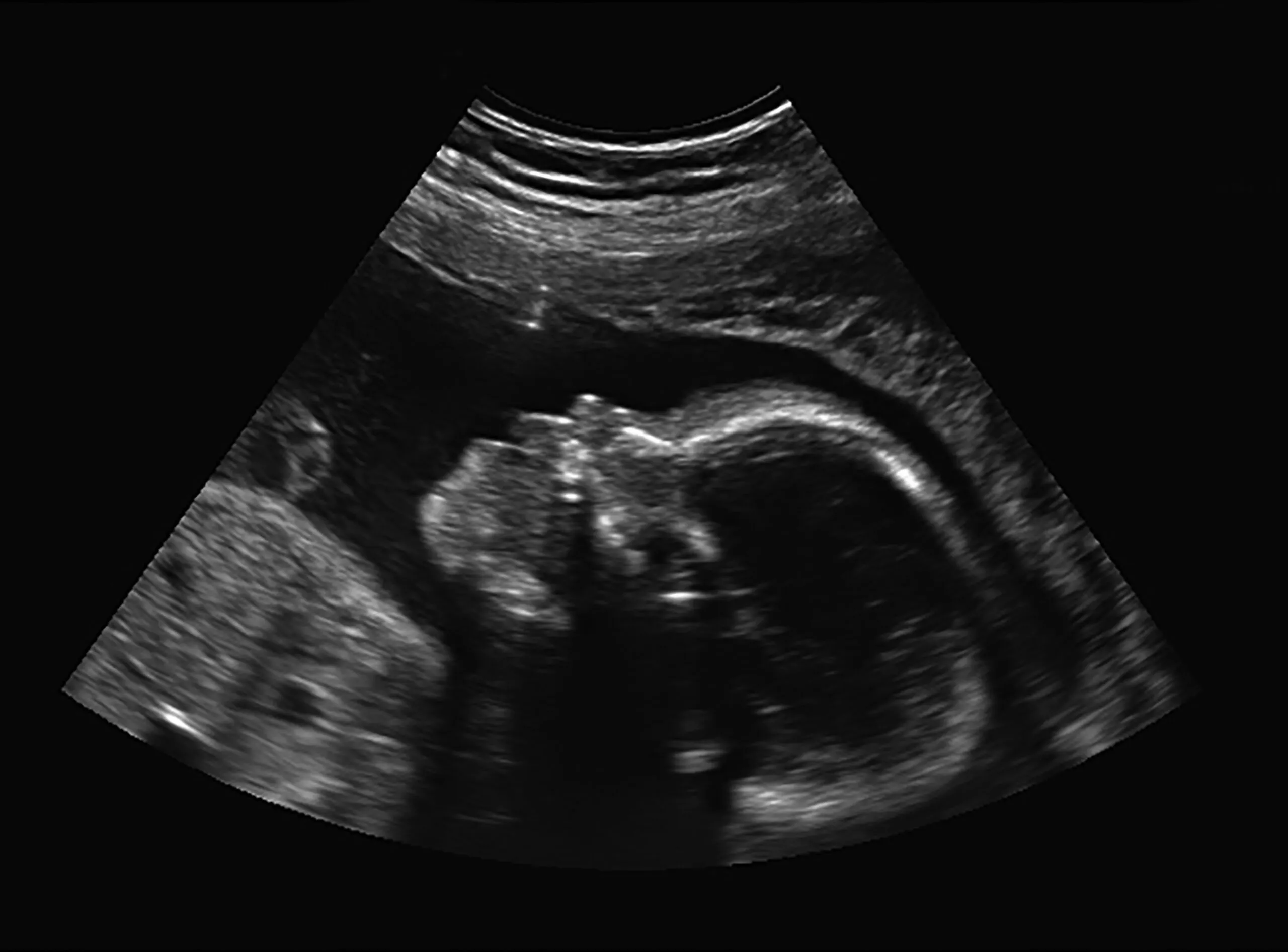
Those names alone may be setting off alarm bells in your mind, and rightly so. Nucleus Genomics is one of Silicon Valley’s most recent examples of consumer eugenics: a company that sells parents advanced genetic tests to screen — not diagnose or heal — their human embryos for up to 2,000 conditions, including hearing loss.
Not only was that decision criticized internationally as a wake-up call about how technology was veering toward eugenics rather than a “do no harm” use of medicine, but Kian’s reason for invoking it is even more troubling. He wants to normalize embryonic genetic screening as a legitimate way for parents to choose their best child, even when that means destroying or indefinitely freezing human embryos in the pursuit of the “best” child.
Interestingly, Orchid Health — a similar company — has had users screen their human embryos to avoid any embryonic children with, as Fortune describes it, “a genetic mutation that could cause profound deafness in their children.” In criticizing this use of technology, The New Atlantis editor Ari Schulman does not mince words: “Cancer screening prevents disease by helping the patient live. Embryo screening prevents disease by killing the patient.”
We can use genetic technology to harm and destroy human life, as embryonic screening makes plain, or we can use it to heal the child in front of us. The same condition, genetic deafness, can produce radically different solutions depending on whether we approach medicine as restoration or selection.
And if we keep investing in technology that destroys or freezes human embryos rather than developing real cures, we will stifle the very innovation that makes a story like Travis Smith’s possible. Such issues demand real answers, not market solutions, to ensure that our technology is used in innovative, restorative, and life-affirming ways.
***
Emma Waters is a Policy Analyst in the Center for Technology and the Human Person at The Heritage Foundation.
More from this network:
Domains for Sale · GOTPeople.org · TheDSAPlatform · The Truth About Socialism
What's Your Reaction?
 Like
0
Like
0
 Dislike
0
Dislike
0
 Love
0
Love
0
 Funny
0
Funny
0
 Wow
0
Wow
0
 Sad
0
Sad
0
 Angry
0
Angry
0

I am just an average American. My teen years were in the late 70s and I participated in all that that decade offered. Started working young, too young. Then I joined the Army before I graduated High School. I spent 25 years in, mostly in Infantry units. Since then I've worked in information technology positions all at small family owned companies. At this rate I'll never be a tech millionaire. When I was young I rode horses as much as I could. I do believe I should have been a cowboy. I'm getting in the saddle again by taking riding lessons and see where it goes.
Premium domains for sale












Comments (0)