

Your new house comes with a green surcharge
Premium domains for sale
Freedom Is Back In Style
Colorado's Energy Code Board has published its Model Low Energy and Carbon Code. The standards are sold as an efficiency measure. In practice, they lock years of new mandates into every home built in the state — and every mandate raises the price of housing.
Freedom Is Back
In Style
Premium domains for sale
Colorado lawmakers and utilities increasingly blame AI data centers for rising electricity bills. Data centers consume enormous amounts of power, and their growth deserves scrutiny. But they are a convenient scapegoat for a broader and more durable source of higher housing costs: state and local building and energy codes.
Policymakers who genuinely want cheaper housing should stop pretending affordability can survive endless mandates.
Colorado’s 2022 Building Greenhouse Gas Emissions law required local governments to adopt “electric-ready” and “solar-ready” provisions beginning in 2023. The new low-carbon model code tightens those requirements further.
In practice, every new home must be wired for a 208/240-volt electric-vehicle charger and sized to accommodate a future heat pump, electric water heater, and induction stove — whether or not the buyer wants or ever installs them. Multifamily projects must reserve charging spaces as a matter of course.
These requirements arrive well ahead of consumer demand. Fewer than 2% of vehicles on American roads are fully electric, while EVs and plug-in hybrids combined accounted for only about 7% of new vehicle sales in early 2026. Yet builders must oversize electrical panels and run extra copper wiring for a future many buyers may never use.
Builders aren’t absorbing those costs. They’re added to the mortgage.
New York offers another example. In 2023, the state passed the All-Electric Buildings Act, banning fossil-fuel hookups in most new residential construction and extending the requirement to commercial buildings later in the decade. A legal challenge and pressure over housing affordability forced Democratic Gov. Kathy Hochul’s administration last year to delay enforcement pending an appellate ruling.
The cost is substantial. New-construction electrification requires heat pumps, all-electric appliances, additional labor, and upgraded electrical systems. An analysis commissioned by the New York State Association of Realtors estimated an added cost of $12,000 to $23,000 per unit.
State regulators argue that all-electric homes may save money over time. Builders and realtors dispute those projections. Either way, long-term operating savings do not erase the upfront price. That initial cost determines whether a project can be financed, whether it gets built, and whether a buyer can qualify for the mortgage.
RELATED: Holy cow, the climate crowd is full of bull
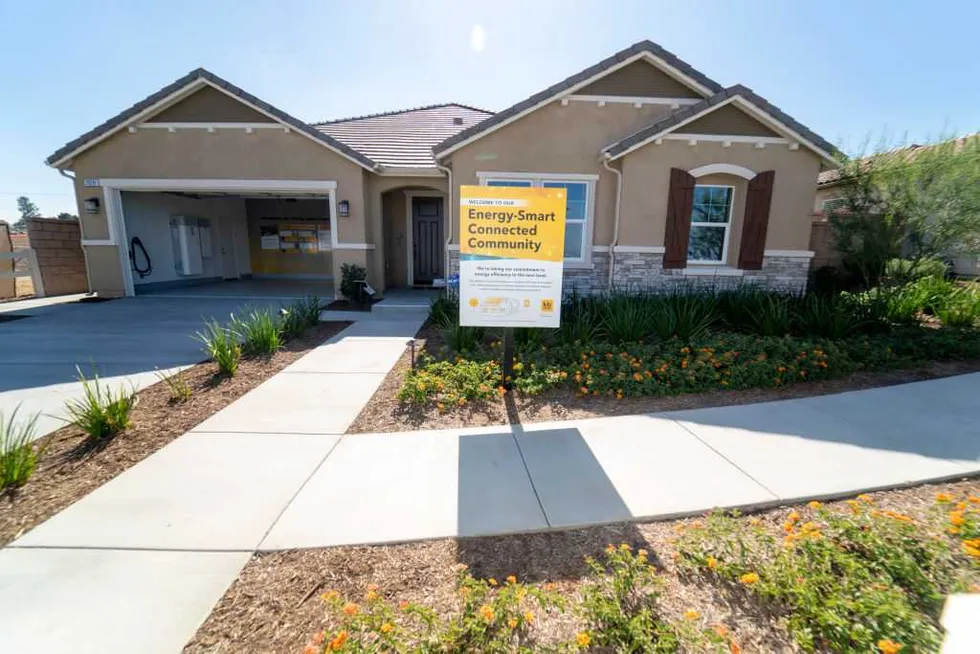
 Michael Ciaglo/Getty Images
California shows what happens when supply restrictions accumulate for decades. The state's median home value exceeds $775,000, more than twice the roughly $370,000 national median. Restrictive zoning, prolonged approvals, high fees, and litigation risk have already constrained supply. California's 2025 Energy Code, effective in 2026, pushes new buildings further toward electric systems and tighter performance standards.
Supporters argue that electrification lowers emissions, reduces utility costs, and is cheaper to install during construction than to retrofit later. Some of that may be true. It still does not justify forcing every buyer to pay for electrical capacity and equipment he may never use.
If EV readiness and full electrification reliably paid for themselves within a few years, builders in competitive markets would advertise them as selling points. Builders adopted granite and quartz countertops, recessed lighting, smart thermostats, and other features because buyers valued them enough to pay. The need for a statewide mandate suggests the economics remain unattractive for many households.
Mandates also erase trade-offs. A first-time buyer may prefer a smaller electrical panel and a lower price. A retiree may have no intention of owning an electric vehicle. A rural homeowner may rely on propane or natural gas because it is cheaper or more dependable. Energy codes deny those buyers the option to decide which features justify the cost.
RELATED: Unaffordable housing is still ruining the party
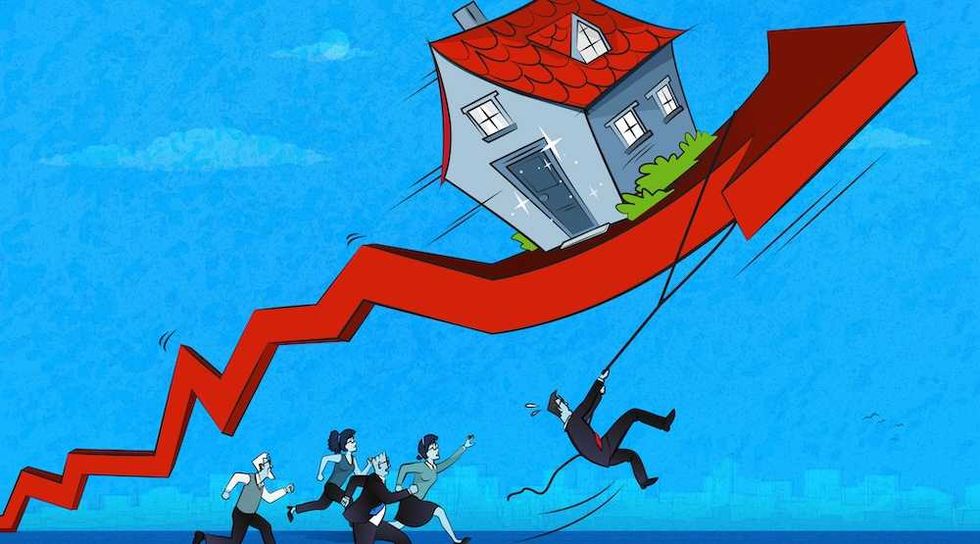 Cemile Bingol/iStock/Getty Images
Data centers are an easy villain because their electricity demand is visible, concentrated, and new. Building codes are quieter. They spread smaller costs across every new house, apartment, and commercial project for years. That makes them less dramatic — and potentially more damaging.
A data center may strain one region's grid. A statewide building mandate raises the cost of every new unit built under it.
Policymakers who genuinely want cheaper housing should stop pretending affordability can survive endless mandates. Colorado, New York, and California are showing what happens when officials demand more equipment, more wiring, and more compliance while insisting that homes remain affordable.
Voters should hold lawmakers accountable for codes that raise construction costs long after the current AI buildout slows. Housing does not become affordable through promises. It becomes affordable when governments stop forcing buyers to purchase features they neither chose nor need.
More from this network:
Domains for Sale · GOTPeople.org · TheDSAPlatform · The Truth About Socialism
What's Your Reaction?
 Like
0
Like
0
 Dislike
0
Dislike
0
 Love
0
Love
0
 Funny
0
Funny
0
 Wow
0
Wow
0
 Sad
0
Sad
0
 Angry
0
Angry
0

I am just an average American. My teen years were in the late 70s and I participated in all that that decade offered. Started working young, too young. Then I joined the Army before I graduated High School. I spent 25 years in, mostly in Infantry units. Since then I've worked in information technology positions all at small family owned companies. At this rate I'll never be a tech millionaire. When I was young I rode horses as much as I could. I do believe I should have been a cowboy. I'm getting in the saddle again by taking riding lessons and see where it goes.
Premium domains for sale























Comments (0)