

As A Therapist, I’ve Watched One Dangerous Idea Take Over America
Premium domains for sale
Freedom Is Back In Style
This article is part of Upstream, The Daily Wire’s new home for culture and lifestyle. Real human insight and human stories — from our featured writers to you.
Freedom Is Back
In Style
Premium domains for sale
***
When I wrote an article last fall asking whether “Trump Derangement Syndrome” is real, the reaction was immediate. Within hours my inbox filled with messages that went far beyond disagreement. I was called a fascist sympathizer, accused of defending the indefensible, and told I had blood on my hands. Some messages wished me dead. Others were long, angry rants that barely engaged in the argument at all. These people had effectively proved my original point in the article about their mental state.
A surprising number of those messages came from therapists. The people who talked most about emotional regulation and self-awareness were showing none of it. The outrage seemed to grant permission — to escalate, to attack, to abandon restraint. And it didn’t pass. Months later, after a follow-up piece, the same anger resurfaced with the same intensity, as if nothing had been processed, only reactivated.
At a certain point, it no longer seemed to be about the argument. Instead, it felt like displacement; people needed somewhere to put their anger, and the column provided that target. I see a version of this every week in my office. When people feel overwhelmed or unsettled, they look for something concrete to attach those feelings to. A person, a situation, or a political figure becomes the focus. The anger feels justified because it’s tied to something real.
That dynamic isn’t new, but it’s no longer confined to the therapy room. In my new book “Therapy Nation,” I argue this mindset has spread far beyond individual psychology and into the culture itself — shaping how people argue, relate, and make sense of conflict. Patients tell me they “had no choice” but to lash out at a partner, cut off a friend, or retaliate at work because they felt disrespected. These aren’t fringe cases. They’re ordinary people who have absorbed a simple idea: If you feel hurt, you’re justified.
That idea quietly reshapes how people interpret everyday life. A difficult boss becomes abusive. A disagreement becomes harm. A social slight becomes trauma. Words such as toxic, narcissistic, unsafe, and triggered get applied to situations that used to require patience or perspective. Once something is framed as harm, the response starts to feel automatically legitimate.
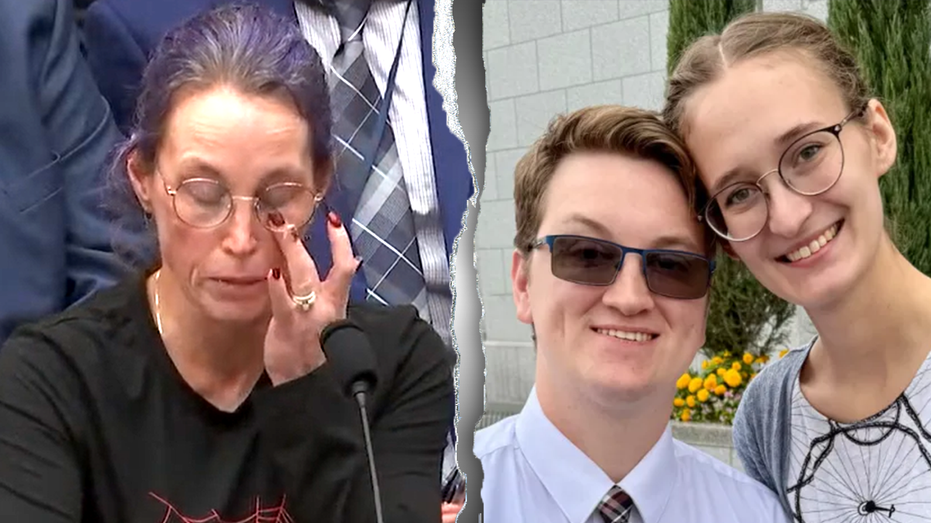
Empathy isn’t the problem. The way we use it is. When discomfort is recast as damage, grievance becomes an emotional permission slip. People begin to believe that because they feel wronged, whatever they do next must be warranted. You can see the extreme version of this when violence is filtered through grievance rather than rejected outright, but the same logic shows up in ordinary life: strained friendships, tense workplaces, families that can no longer tolerate disagreement without treating it as a personal attack.
Social media accelerates the dynamic. Outrage performs well. The more certain and aggrieved you sound, the more attention you receive. Over time grievance stops being a reaction and becomes part of how people see themselves. And once it becomes identity, it’s hard to let go. Patients hold onto slights long after they’ve stopped being useful because letting them go would mean giving up the story that organizes their sense of self. The same pattern plays out in politics, where people define themselves less by what they believe than by what they oppose.
This cuts across ideological lines. I see it in conservative patients who feel constantly targeted and in progressive patients who interpret disagreement as a form of harm. The content differs, but the pattern is the same: Discomfort is treated as danger. Once someone adopts that posture, it becomes harder to question his or her own assumptions.
None of this means emotional pain doesn’t matter. It does. But pain is not the same as injury, and it doesn’t automatically justify how someone responds. A functioning society depends on the ability to feel strongly without letting those feelings trump logic, relationships, and more. We’re losing that ability. When a culture can no longer distinguish between feeling wronged and being wronged, every disagreement escalates and every slight becomes a moral test.
The alternative is emotional clarity. Discomfort is not danger. Disagreement is not harm. Feeling offended does not entitle someone to act without restraint. Resilience means being able to feel something without letting it distort reality. Responsibility means deciding what to do with that feeling.
Right now we are drifting in the other direction. Grievance is becoming a kind of secular religion — one that offers identity, certainty, and, increasingly, permission to be cruel. A culture organized this way doesn’t just become more divided. It becomes more unstable.
***
Jonathan Alpert is a psychotherapist in New York City and Washington, D.C., and author of the forthcoming book “Therapy Nation.” Find him on X @JonathanAlpert.
More from this network:
Domains for Sale · GOTPeople.org · TheDSAPlatform · The Truth About Socialism
What's Your Reaction?
 Like
0
Like
0
 Dislike
0
Dislike
0
 Love
0
Love
0
 Funny
0
Funny
0
 Wow
0
Wow
0
 Sad
0
Sad
0
 Angry
0
Angry
0

I am just an average American. My teen years were in the late 70s and I participated in all that that decade offered. Started working young, too young. Then I joined the Army before I graduated High School. I spent 25 years in, mostly in Infantry units. Since then I've worked in information technology positions all at small family owned companies. At this rate I'll never be a tech millionaire. When I was young I rode horses as much as I could. I do believe I should have been a cowboy. I'm getting in the saddle again by taking riding lessons and see where it goes.
Premium domains for sale






















Comments (0)