

Bipartisan Committee to Study Ohio Data Centers
Premium domains for sale
Freedom Is Back In Style
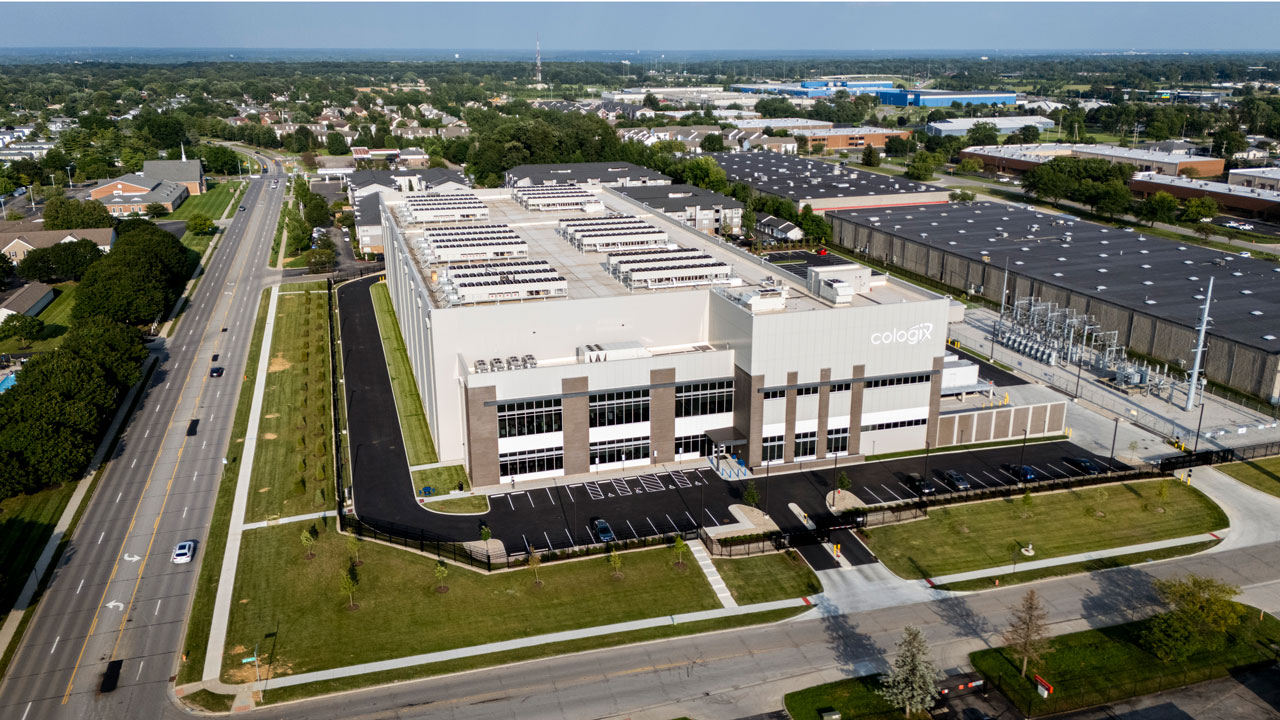
With data centers increasingly in the news—and increasingly contentious— a bipartisan committee in Ohio has been created to study the impact of these large facilities, both the benefits they could bring to residents of the Buckeye State, as well as concerns.
Freedom Is Back
In Style
Premium domains for sale
The Ohio Joint Data Center Committee, consisting of six Republicans and two Democrats from the state House and Senate will begin holding meetings May 27, according to the State Newshouse.
State Sen. Brian Chavez, a Republican and co-chair, called the committee “a fact-finding effort.” State Rep. Adam Holmes, another co-chair and also a Republican, emphasized the idea to “build more informed opinions on data center development.”
There are currently 232 data centers built in Ohio, making it sixth in the nation, The Columbus Dispatch pointed out. Supporters say data centers are crucial to America’s technological and national security future, in addition to generating tax revenue, employment opportunities, and allowing municipalities to strengthen local infrastructure.
Patrick Hedger, director of policy at NetChoice, spoke to The Daily Signal, calling data centers “the backbone of the modern internet and the modern technology sector.”
Not only do data centers create construction jobs, but they also create permanent jobs ranging from positions for high school graduates to those making six-figure salaries, Hedger explained. He also argued that the presence of data centers sends a good message to the community as examples of “positive secondary effects.”
“It’s a good signal that it’s a business-friendly environment” and “signals that there’s a good workforce and that there is good infrastructure nearby as well,” which he said those centers contribute to paying for, as well as paying property taxes.
The President’s Podcast, a project of Ohio Senate Republicans, addressed data centers with a conversation between host John Fortney and Senate Finance Committee Chairman Jerry Cirino, a Republican, and also cited the cost benefits. Cirino said taxes from data centers “help ease the tax burden on homeowners.”
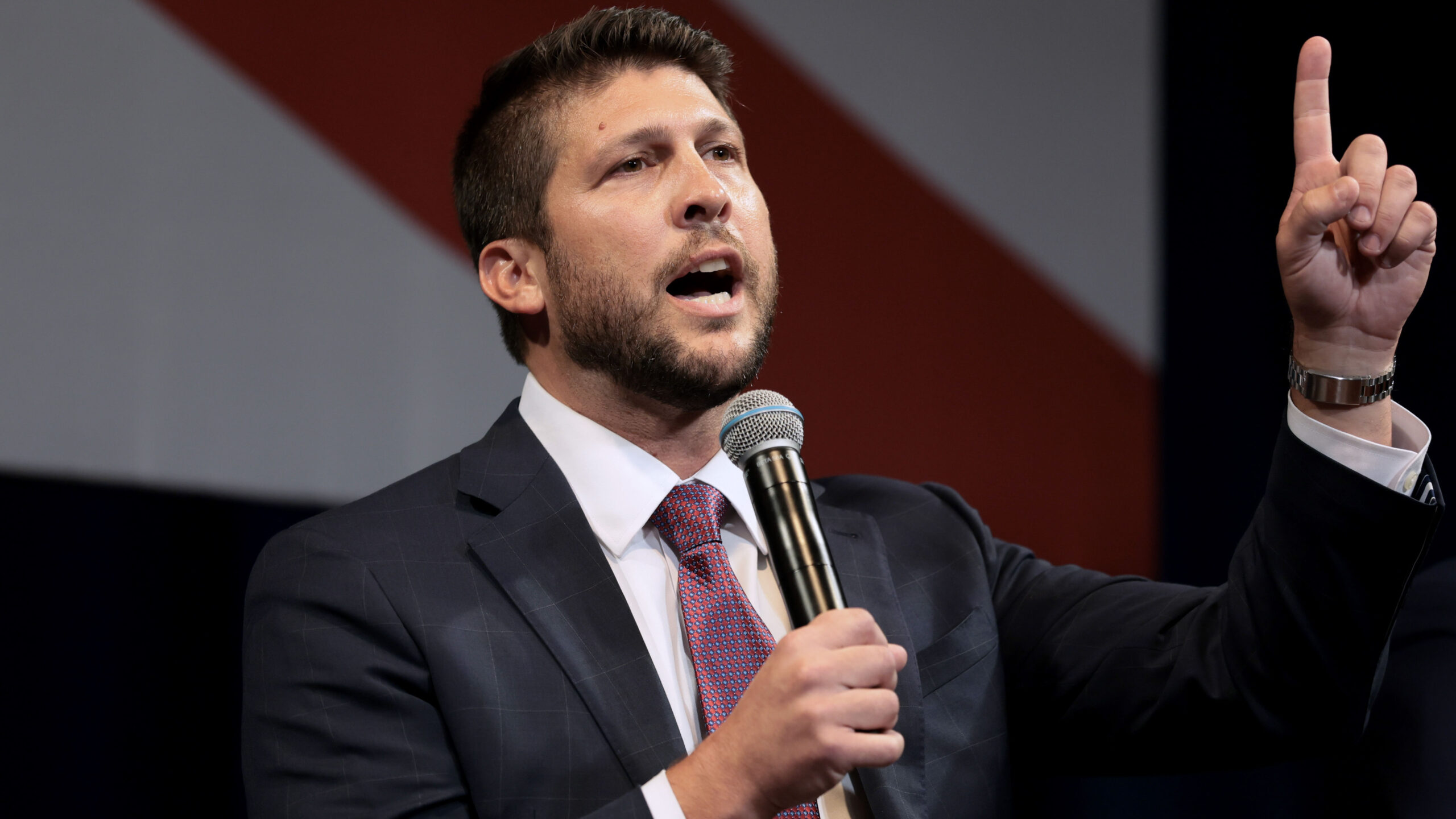
Critics cite environmental concerns with data centers, including land and water use, with residents concerned about higher utility costs. Legislation has been introduced by U.S. Rep. Greg Landsman, D-Ohio, designed to “protect residents and small businesses from rising electricity costs caused by artificial intelligence data centers.”
Holmes addressed concerns from those opposed to data centers. “We’re well aware of initiatives to limit Ohio data center development during this critical point in America’s history,” he said. “This public concern has become a priority issue for us. That could have dramatic impact on Ohio and America’s future.”
There’s an effort to ban data centers that use more than 25 megawatts monthly, with a preliminary total of 25,000 signatures collected by Ohio Residents for Responsible Development. The group needs 413,487 valid signatures in half of Ohio’s 88 counties by July 1 to make the ballot.
Hedger countered the opposition, noting data centers “absolutely” have to do with national security.
“There’s a lot of misinformation out there about what’s happening in electricity markets. Electricity markets are very heavily regulated. It’s the whole point of the utility model. And so it is already the law in all 50 states that public utility commissions cannot offload the cost of a large user onto the residential retail base,” Hedger said, pointing out that “data centers are paying their way.”
“It’s important that we’re not offshoring that infrastructure, especially when it’s powering some of the more critical applications, data processing, in our economy,” Hedger added. “We do see evidence of foreign disinformation, coming from Russia and China, trying to undermine America’s infrastructure.”
That national security concern centers on where data centers are located. “Do we want to have data centers and control of information flow in the United States, in Ohio, or do we want to have it someplace else in another country?” Cirino asked. He warned about the United States having previously depended on China.
The Daily Signal’s Tony Kinnett also addressed opposition to data centers, noting that it “is really starting to fall apart as a tool for the Left” because data centers actually take up less water than feared and are building plants that are putting more power into the community.
Foreign involvement in anti-data center campaigns was a major topic of conversation for Fortney, who described the effort as “international,” with funding tied to organizations involved in a gerrymandering 2024 ballot initiative from “leftwing foreign billionaire donors.”
Regardless of whether initiative makes its way onto the ballot, data centers could be an issue in statewide elections. During a Turning Point USA event last month at Ohio State University, Republican Vivek Ramaswamy said he doesn’t see the issue as “an either-or” when it comes to agricultural concerns involving data centers.
“We will do economic development in a way that brings high-paying jobs to the state,” Ramaswamy said, acknowledging that “we have to protect our farmland and keep our electric bills low by making sure we’re also producing more energy in the state.”
Dr. Amy Acton, the Democratic nominee, has a section on her website addressing her “Affordability Plan,” which involves “Tackling High Energy Bills,” and includes “Cost Guardrails for Data Centers.”
More from this network:
Domains for Sale · GOTPeople.org · TheDSAPlatform · The Truth About Socialism
What's Your Reaction?
 Like
0
Like
0
 Dislike
0
Dislike
0
 Love
0
Love
0
 Funny
0
Funny
0
 Wow
0
Wow
0
 Sad
0
Sad
0
 Angry
0
Angry
0

I am just an average American. My teen years were in the late 70s and I participated in all that that decade offered. Started working young, too young. Then I joined the Army before I graduated High School. I spent 25 years in, mostly in Infantry units. Since then I've worked in information technology positions all at small family owned companies. At this rate I'll never be a tech millionaire. When I was young I rode horses as much as I could. I do believe I should have been a cowboy. I'm getting in the saddle again by taking riding lessons and see where it goes.
Premium domains for sale


















Comments (0)