

Forget Lip Filler. Gen Z’s New Beauty Obsession Is Far More Dangerous.
Premium domains for sale
Freedom Is Back In Style
Lip filler was the definitive female status symbol for a decade. With a single appointment and topical anaesthesia, it allowed women (and in some cases, teenage girls) to telegraph money and social cachet to everyone in their immediate vicinity and millions of strangers on the internet. The dissemination of this aesthetic through social media feeds normalized to a younger demographic, turning one’s body into a 3D rendering of whatever was hot that season.
Freedom Is Back
In Style
Premium domains for sale
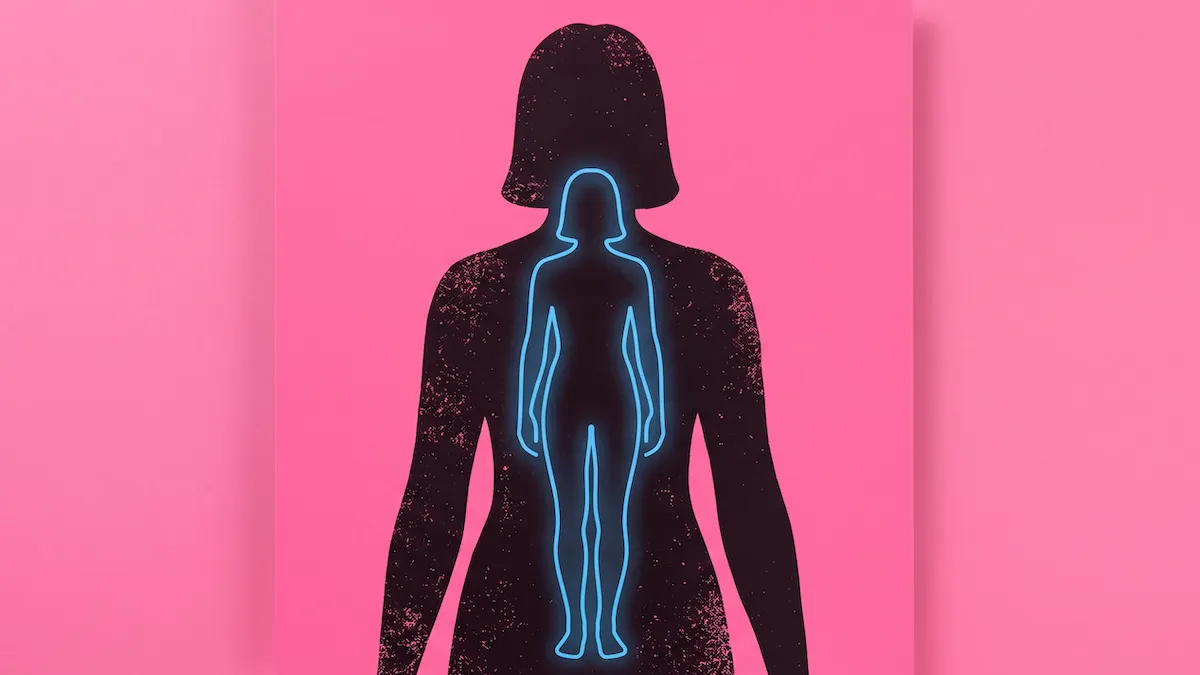
As 2000s thinness — echoing 1990s heroin chic — returns front and center as the preferred female form, Gen Z has now imbibed an unrelenting pursuit of thinness while also acquiring new weaponry: GLP-1s.
As described in a recent article from The Cut, young women on campus are chasing skinniness to gain popularity, date upwards, and join top sorority houses. In addition to harboring disordered eating habits, many find themselves choosing between cocaine and Ozempic to meet their weight loss goals.
GLP-1s allow this cohort to enter an entirely new reality. Individuals taking a GLP-1 can expect to lose 15-25 percent of their body weight after about a year.
We’ve all witnessed how drastically these medications can slim a person’s silhouette — in the case of some celebrities, to a worrying extent. It is no wonder that 12% of U.S. adults have used a GLP-1. Among adolescents and young adults, GLP-1s are particularly popular with females and those living in the South.
Clinicians have raised concerns that these medications may exacerbate eating disorders in those who are at risk and that using a GLP-1 for casual weight loss could become a new form of disordered eating.
We also need more data to know the long-term side effects of these drugs. Potential downsides include nausea, vomiting, stomach paralysis, intestinal obstruction, brain injury, and vision loss. To date, more than 4,000 patients have filed lawsuits against manufacturers, alleging a failure to sufficiently warn about the drugs’ risks, and that number is expected to grow.
Some individuals who choose to take a GLP-1 don’t exercise, suggesting their decisions were motivated more by the ease and speed of weight loss than health concerns. Others are obtaining the medication through telehealth companies, WhatsApp groups, suppliers in foreign countries, and friends, which means they aren’t getting proper medical guidance and likely aren’t taking it safely.
But it’s understandable why young women are going this route, as failing to conform can be social death. In dating, both sexes face increasing competition to look their best because they aren’t just competing with those in their town or on campus, but the most attractive people around the world.
Young women know that the men they are interested in are lusting after supermodels and influencers with millions of followers. Because men have a form of direct access to these high-status women, through “liking” their photos and tagging them in comments, everyday women must compare themselves to, and find a way to compete with, their peers with perfect bodies.
Women who fear they can’t compete will do whatever they can to optimize what they were given. Initially seen as innocent fun and aspirational, photo-editing apps and filters have left a sinister imprint on young people’s perception, brainwashing them into believing that it’s possible to make a radical change in the way they look and that the process will be easy. As well, greater use of appearance-focused social media can increase the risk of eating disorders and weight concerns.
Once a young woman starts taking a GLP-1, it’s not all well and good because she will need to determine at what point she will stop. When will she feel satisfied that she is thin enough? Unless she plans to be on the medication for life, there is a possibility of regaining the weight after two years of stopping.
Millennials who grew up in the 2000s dealt with a different set of obstacles than Gen Zers living through the Y2K revival today. We didn’t have access to injectables or med spas, which is a blessing. Our beauty status signals were limited to non-surgical cues, such as strategically applied bronzer and realistic hair extensions.
We wrangled with the same unforgiving, body-conscious clothing trends, such as low-rise denim and tiny tank tops. But millennials weren’t inundated with “relatable” influencers deceptively promoting an ideal that they themselves can’t achieve naturally.
For instance, one influencer interviewed by The Cut, who posted openly about being in recovery for an eating disorder, attributed her thinness to doing Pilates when she was, in fact, taking a semaglutide compound (similar to Ozempic). When her followers would ask for her workout routines, she admitted feeling “a little weird” about not being upfront with them. (Having said that, it’s not acceptable to accuse someone you don’t know of taking a GLP-1 or having an eating disorder, as some people are naturally thin.)
As these medications become the status quo, speaking openly about taking one may nevertheless reinforce stigma against different body types. It can promote the belief that a person has no excuse to be overweight because a quick-fix solution exists, even if its side effects are alarming.
In my opinion, someone who is, or has a history of, struggling with disordered eating or negative body image should talk to a mental health professional instead of focusing on her weight.
As for my advice to young women who feel trapped in this high-stakes rat race: The things we care about when we are young will inevitably change as we get older. The choices that bring momentary happiness aren’t worth it if they cost you something valuable in the future. You don’t need to be a size zero for men to find you attractive. Don’t risk your health or mental well-being for a glow-up, no matter what you stand to gain.
Beauty standards will always be unattainable, and just as the overfilled lip has fallen from grace, so, too, will each successive fad. The beauty industry is currently valued at 700 billion dollars, and as someone who worked in it years ago, I can promise you: It’s always hungry for more.
***
Dr. Debra Soh is a sex neuroscientist and the author of “Sextinction: The Decline of Sex and the Future of Intimacy.” She was featured in Matt Walsh’s film “What Is A Woman?” Visit her at DrDebraSoh.com.
This article is part of Upstream, The Daily Wire’s new home for culture and lifestyle. Real human insight and human stories — from our featured writers to you.
More from this network:
Domains for Sale · GOTPeople.org · TheDSAPlatform · The Truth About Socialism
What's Your Reaction?
 Like
0
Like
0
 Dislike
0
Dislike
0
 Love
0
Love
0
 Funny
0
Funny
0
 Wow
0
Wow
0
 Sad
0
Sad
0
 Angry
0
Angry
0

I am just an average American. My teen years were in the late 70s and I participated in all that that decade offered. Started working young, too young. Then I joined the Army before I graduated High School. I spent 25 years in, mostly in Infantry units. Since then I've worked in information technology positions all at small family owned companies. At this rate I'll never be a tech millionaire. When I was young I rode horses as much as I could. I do believe I should have been a cowboy. I'm getting in the saddle again by taking riding lessons and see where it goes.
Premium domains for sale





















Comments (0)