

How an NYC socialite's riches preserve America's beautiful, bustling past
Premium domains for sale
Freedom Is Back In Style
Let us give thanks to America’s ultra-rich from a bygone era. Without them, our world would be poorer in beauty.
Freedom Is Back
In Style
Premium domains for sale
That sounds like I’m making a joke, doesn’t it? The received opinion in America today is that the ultra-wealthy are slavering predators bent on “capitalisming” poor Gen Z coffee shop employees into penury.
That’s one of the best parts about the Shelburne Museum — very little is behind velvet ropes.
Well, I’m not joking, and the received opinion is baloney.
Tour de force
Whereas the anti-wealth advocates generally make their points by taking to the streets and screaming like lunatics, I'm going to try a different approach. I trust you'll find it more pleasant.
Allow me to take you on a short tour of one of the finest civic legacies bestowed upon my state of Vermont: the Shelburne Museum. I hope this product of one socialite's generosity inspires you to see what treasures may have been bequeathed to your town by a philanthropist of old.
I thank God for the ultra-rich of the past who practiced the lost art of noblesse oblige. Scottish-American industrialist Andrew Carnegie built more than 1,600 public libraries in the U.S. alone. Your town may have one. You know them by their quality, their gracious architecture, their built-in hardwood book cases and grand stairs.
Compare a Carnegie library to a modern concrete, glass, and steel monstrosity such as the Seattle Public Library.
American Versailles
Vermonters have Electra Havemeyer Webb to thank for the idyllic paradise on the shores of Lake Champlain called the Shelburne Museum. The 45-acre property has 30 buildings, one of the last steamships to ply the lake, a preserved general store and apothecary, and more. The footpath through the property is about a mile, and it takes you through rolling hills dotted with original buildings from the colonial era through the 19th century.
I imagine that it’s a bit like the Queen’s Hamlet at Versailles. Marie Antoinette constructed a working toy village at a short distance from the main palace, an idealized country village with a mill, a dairy, and charming bridges over streams. She liked to retreat from the frenetic court, and she used the Hamlet as a sort of proto-Montessori school to teach her children.
The Shelburne Museum is like an American version. All the old buildings are actually old buildings, not replicas. Most were transported to the museum grounds from other parts of Vermont and New England.
As you walk by the original saltbox-style house from the 1700s, you see the town jail built in stone on the other side of the path. It’s just two cells with doors of iron bars, but at least they gave the prisoners (likely just the town drunks) a stove for winter heat.
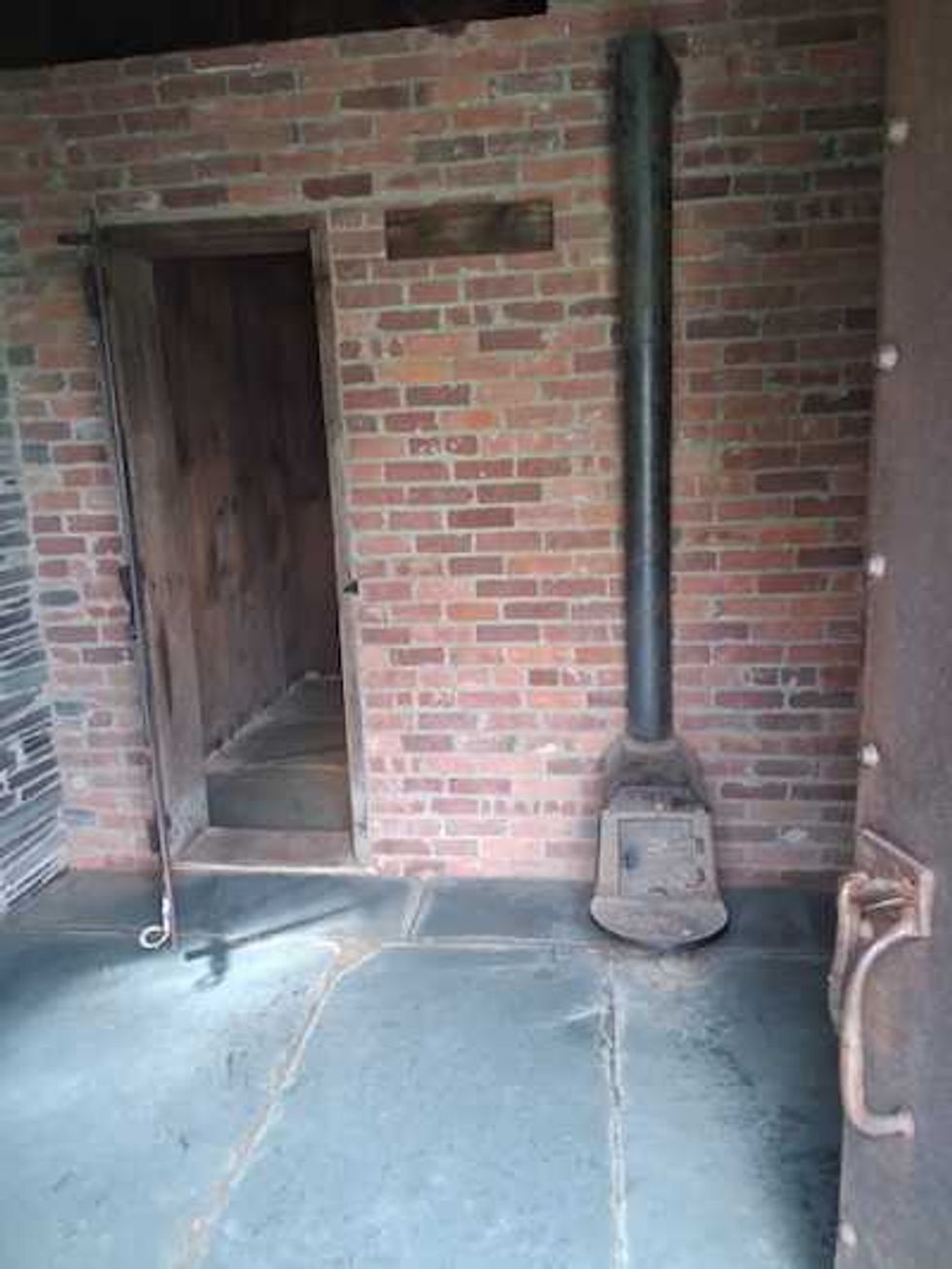 Josh Slocum
Up the path a bit you’ll find a working printshop that still uses an old Heidelberg press. The docents will ink up plates and press flyers right in front of you to show how events were advertised and how news was printed for distribution before the digital age, all on working antique machines.
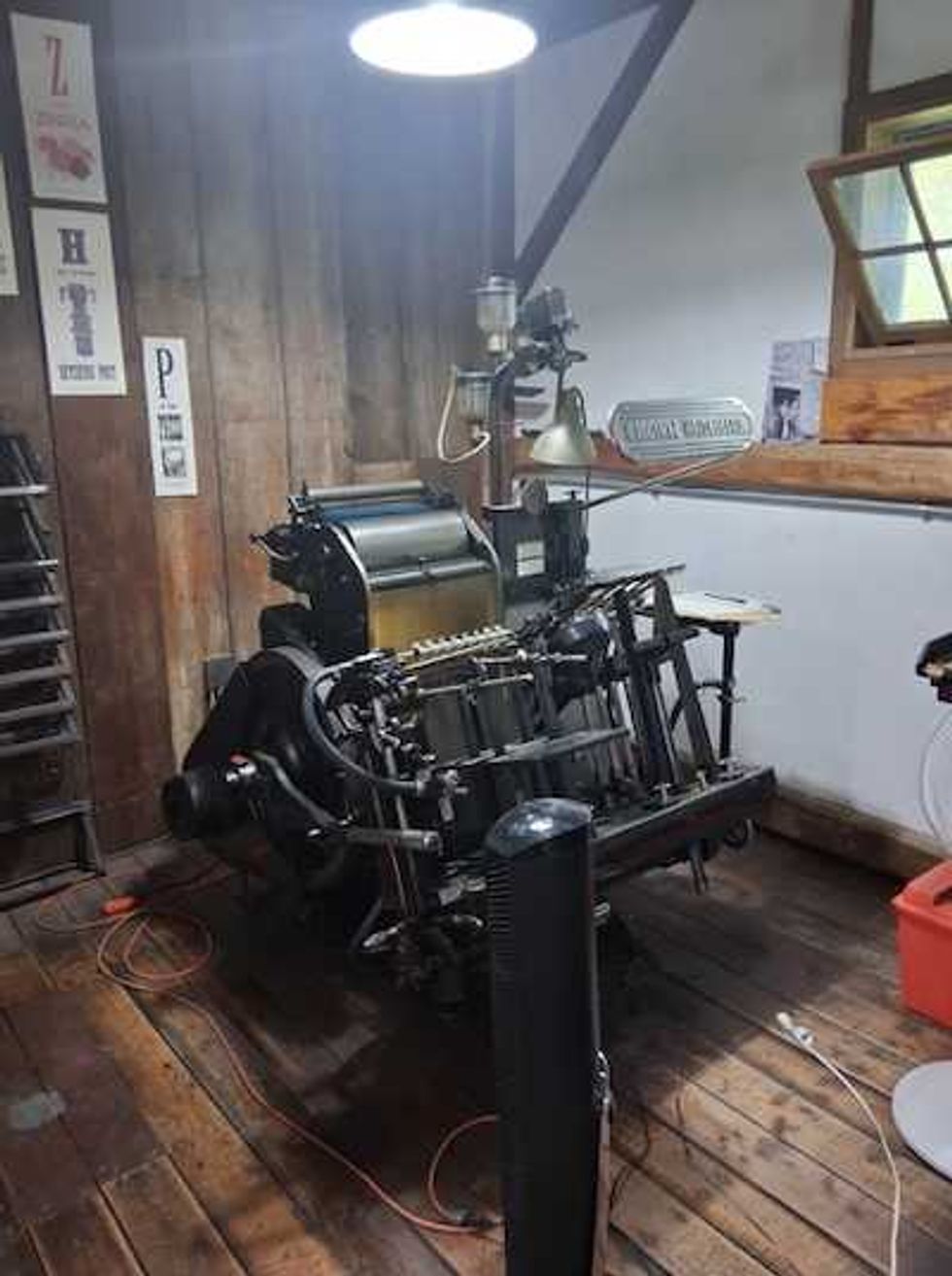 Josh Slocum
Full steam ahead
Heiress to a sugar refining fortune, Webb was raised among the upper crust of New York City and taught to appreciate high European culture. But at a young age it was American craft that caught her eye. She devoted her time and fortune to amassing a vast collection of early American antiques, art, and everyday objects. By founding the museum in 1947, she opened that collection to the people of Vermont.
What she left is a true gift in the best philanthropic spirit of America’s old money. Mrs. Webb saved one of the last steamships to traverse Lake Champlain and had it hauled by rail onto dry land to be preserved. If you’re ever in town, bring your kids. Imagine the sense of magical whimsy when you crest a hill and see a 19th-century steamship over the horizon.
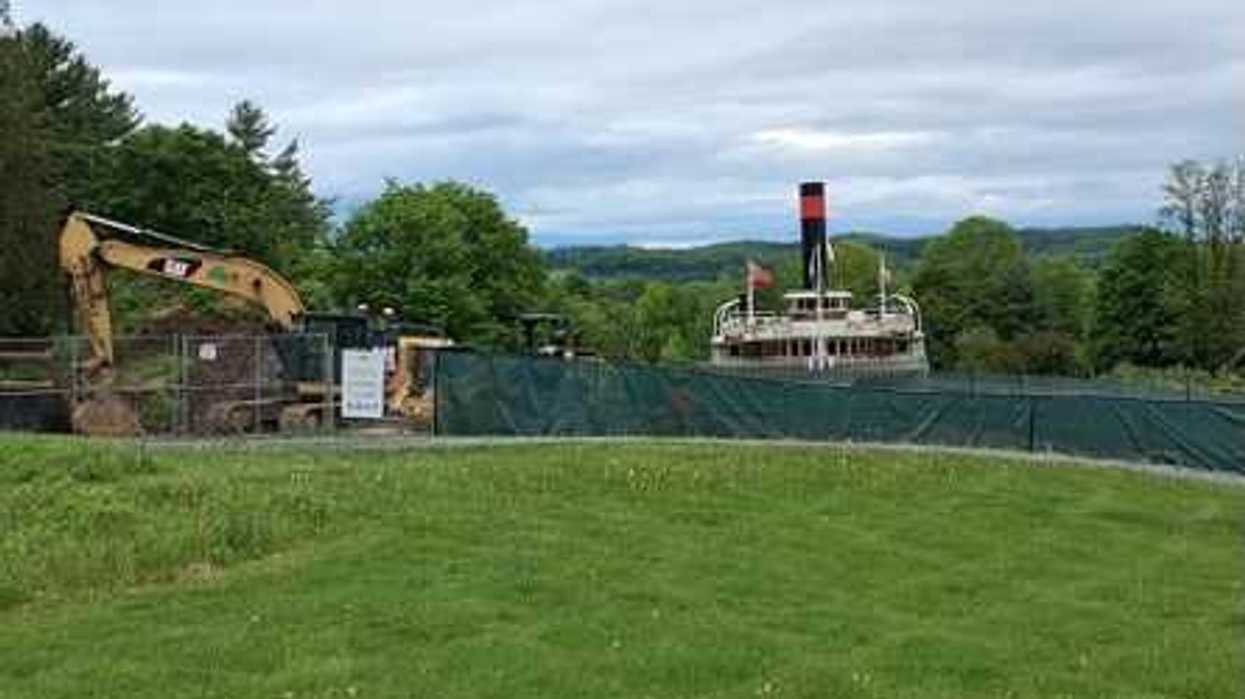 Josh Slocum
Go aboard, and find yourself immersed in Edwardian splendor. This is what travel used to look like.
See those chairs? You can sit in them. That’s one of the best parts about the Shelburne Museum — very little is behind velvet ropes. You get to touch most things, and you get to watch old machines come to life and do the job for which they were built.
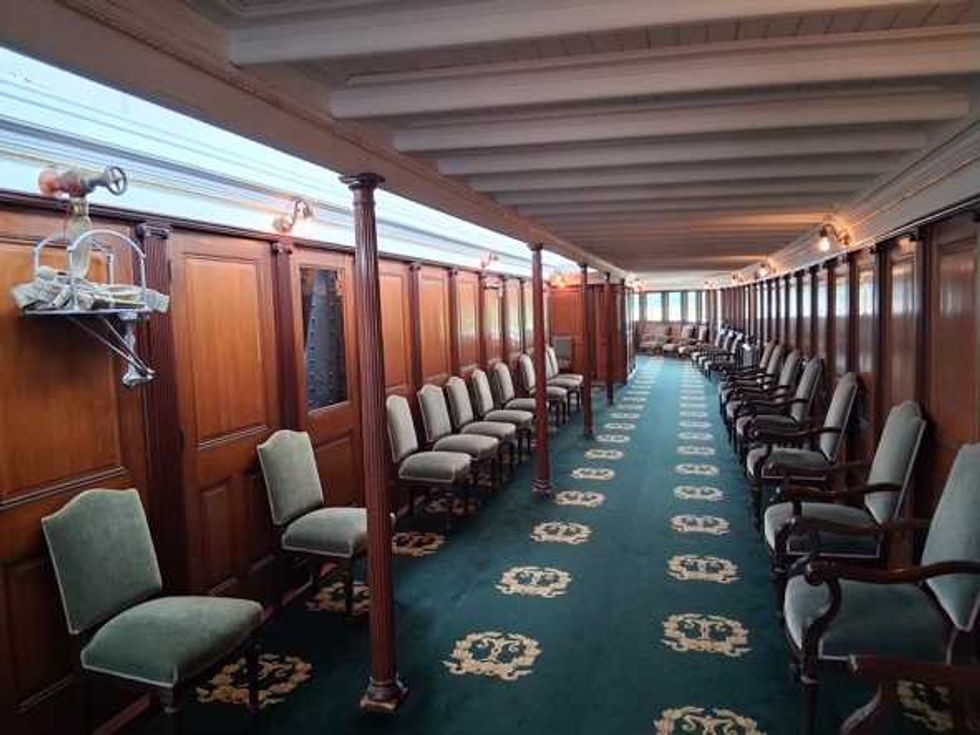 Josh Slocum
The place is a paradise for boys who love mechanical toys. Go downstairs below the waterline, and you’re next to the towering vertical beam steam engine that turned the red paddle wheels and propelled the Ticonderoga at a brisk-for-the-time 17 miles per hour.
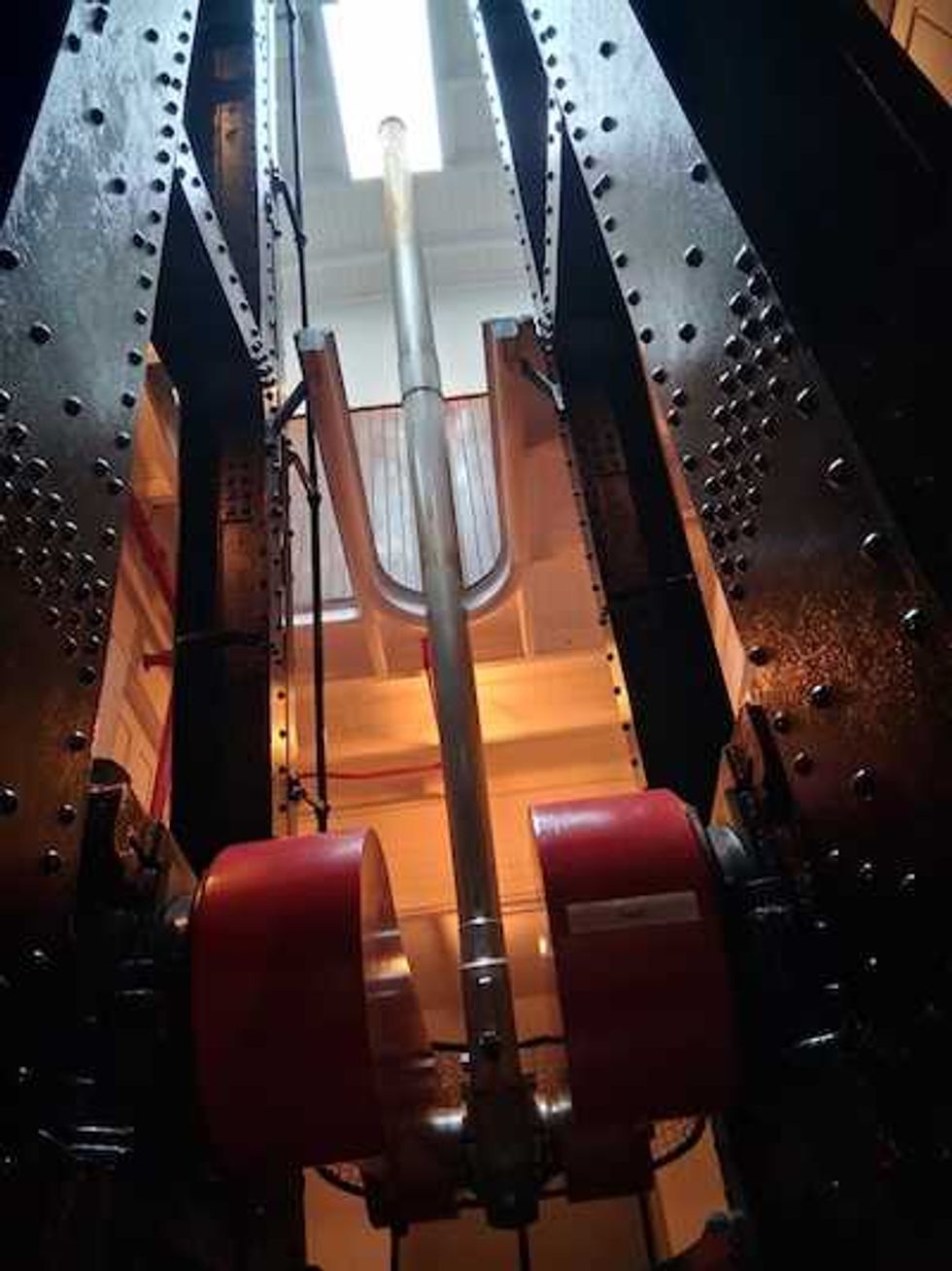 Josh Slocum
Keeping the flame
RELATED: Kerosene lamps: Your escape from the sickly glare of LEDs
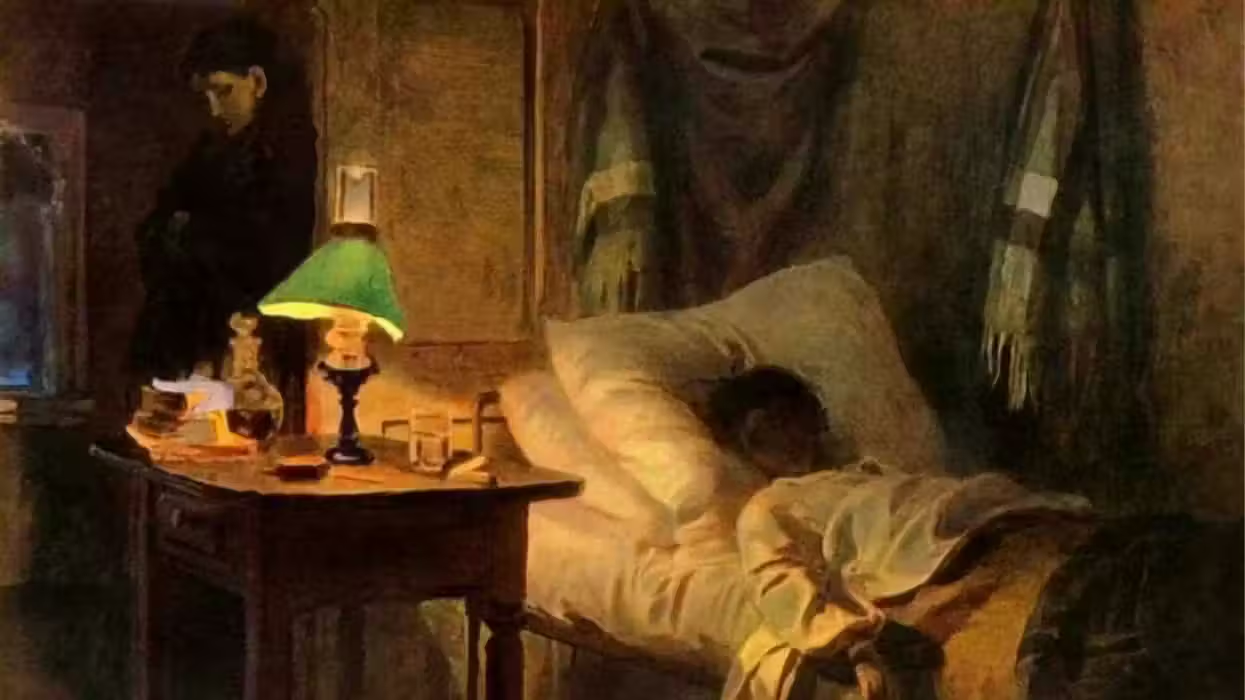 The Print Collector/Getty Images
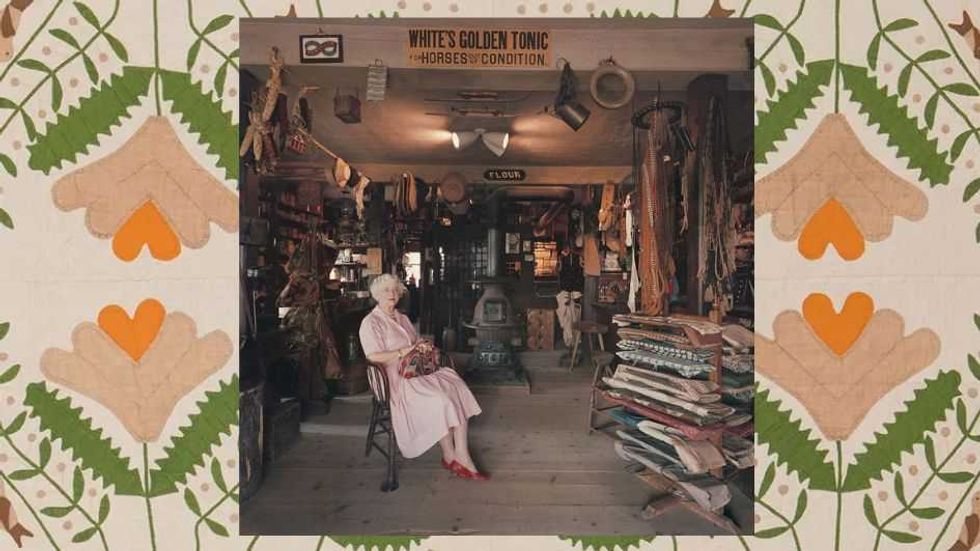
Let’s walk on to the general store. Again, this is no twee recreation of Ye Olde Time Store.
It’s a real general store, and everything inside it is from the period. The enormous cast iron stove sits in the middle of the room. On either side are goods behind the counter: tobacco, canned vegetables, molasses from a barrel, hardtack for the sailors.
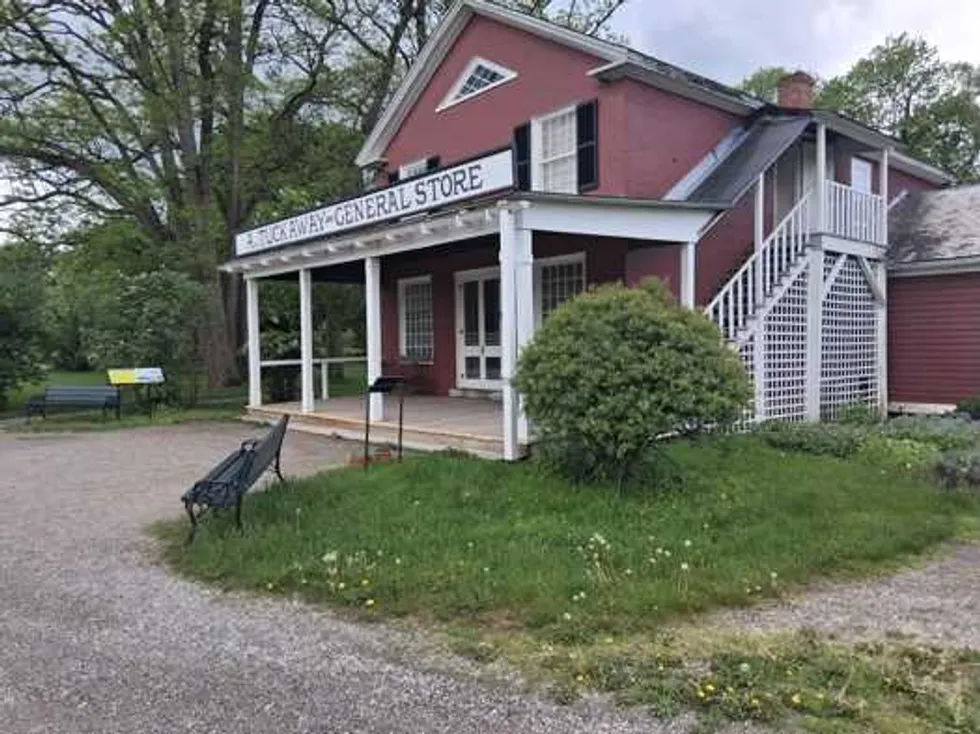 Josh Slocum
The docent, a gentleman in his 80s in natty tweed, conducted me to the back room where the barber shop is preserved. Beyond that is the small tavern room where men would come after work to drink ale and rum while playing cards.
Beyond that is what may be one of the most perfectly preserved and extensively stocked apothecary shops (a forerunner of the drugstore) in the United states. Look at these cabinets full of what must be almost the entire range of patent medicines sold in the U.S. at the turn of the 20th century.
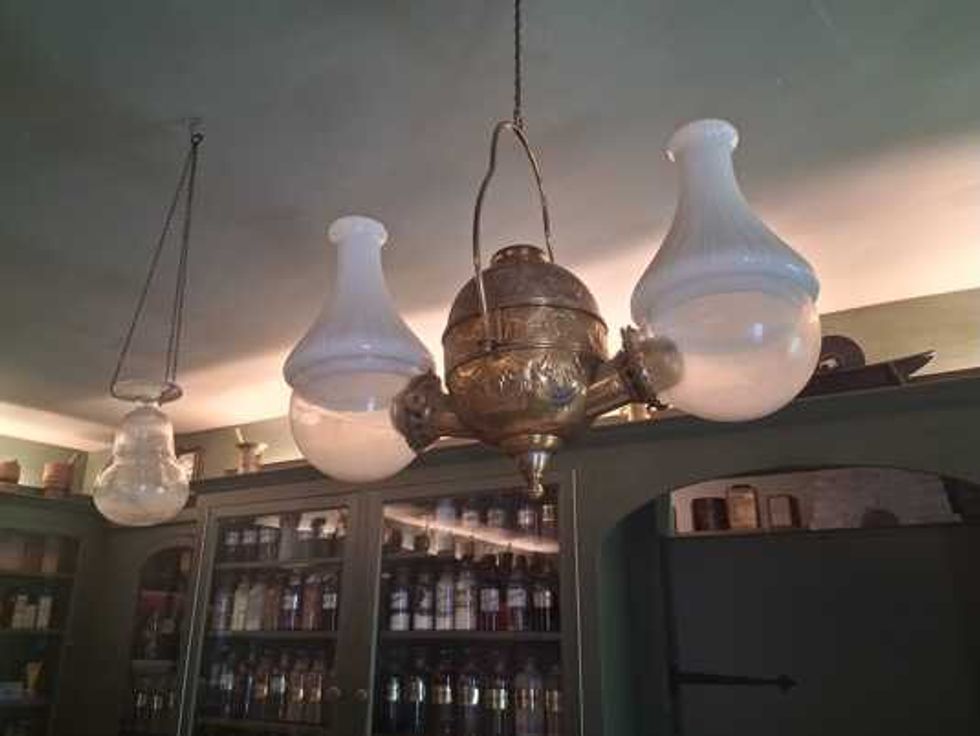 Josh Slocum
And that lamp is one of the best-preserved examples I have seen of the most sought-after and expensive kerosene lamp of its day (I’m a collector).
The Angle Lamp was so named because it placed the wick burner at an angle, rather than vertically. Combined with the specially shaped milk glass shades, the Angle Lamp was the first oil-burning lamp designed to throw light downward and outward. It became a mainstay of workshops, where good lighting was a necessity.
The docent told me the museum officials had no idea of the lamp’s history or its place in commercial lighting, and they were delighted to note down more detail about a part of their collection. That’s another charming aspect of the Shelburne Museum; the people who work and volunteer there love what they do and are happy to learn as much from visitors as they teach.
And wouldn’t you like to get your hands on some of the remedies that can no longer be legally sold?
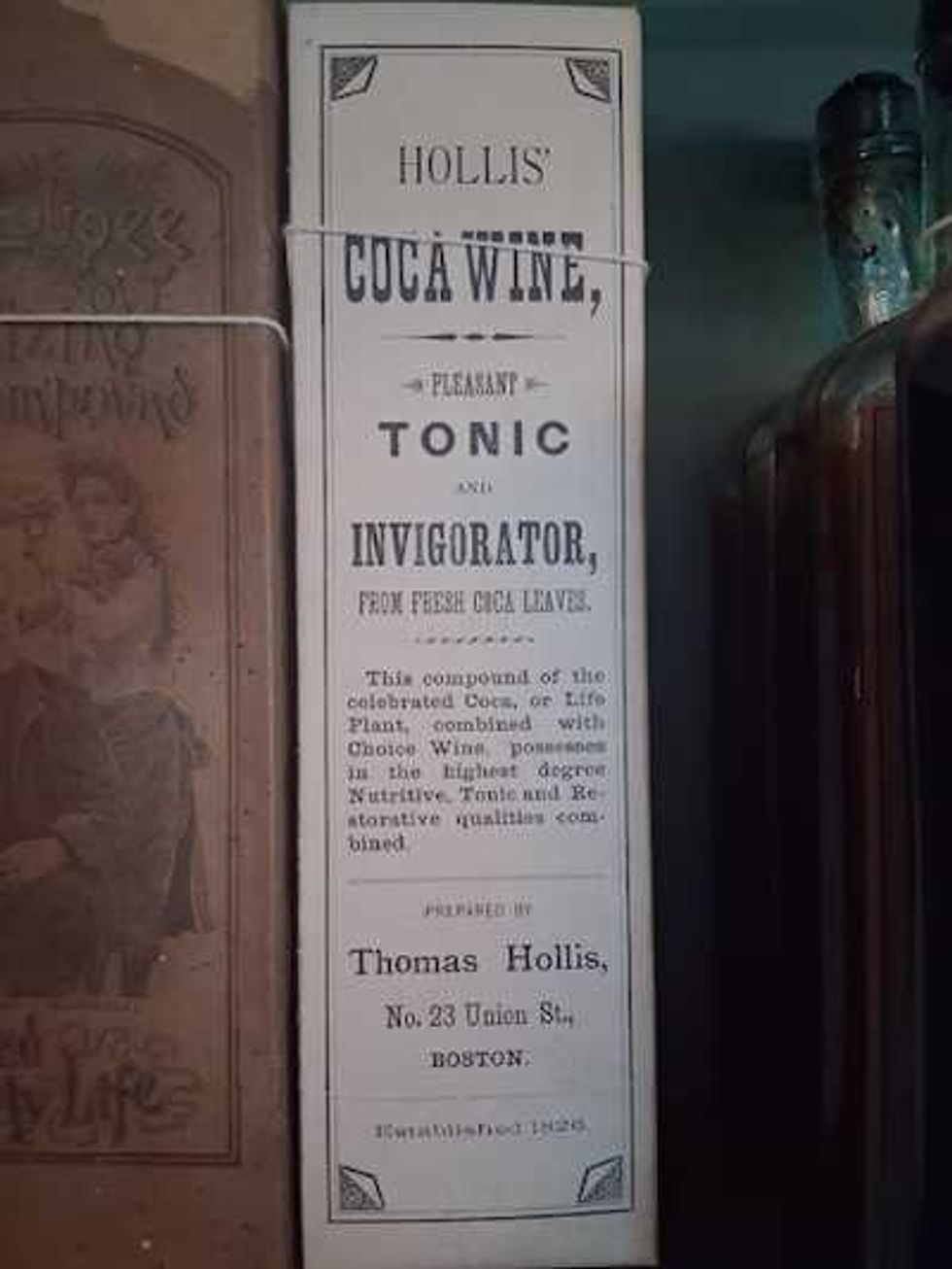 Josh Slocum
A doll's house
Do you have girls who love dolls and life in miniature? Be sure to take them to the third floor of one of the last buildings on the path. The exhibit of dollhouses and dioramas is magical.
Here’s the lobby in one dollhouse set up as a late 19th-century hotel.
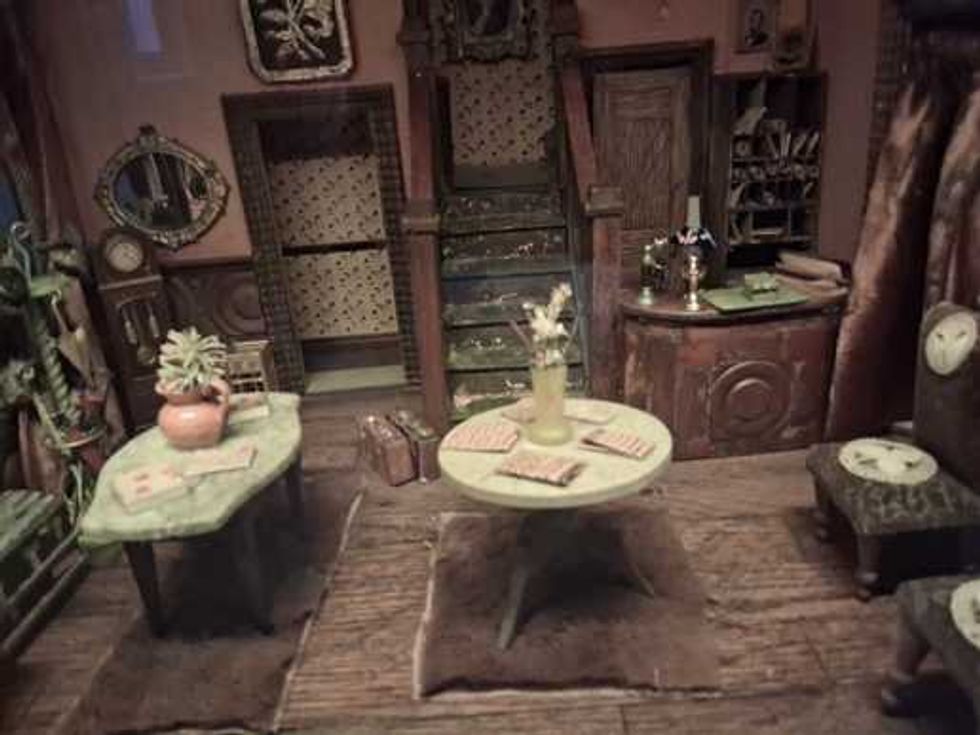 Josh Slocum
Some of the others are so detailed you could fool yourself into believing you were looking at a full-size room.
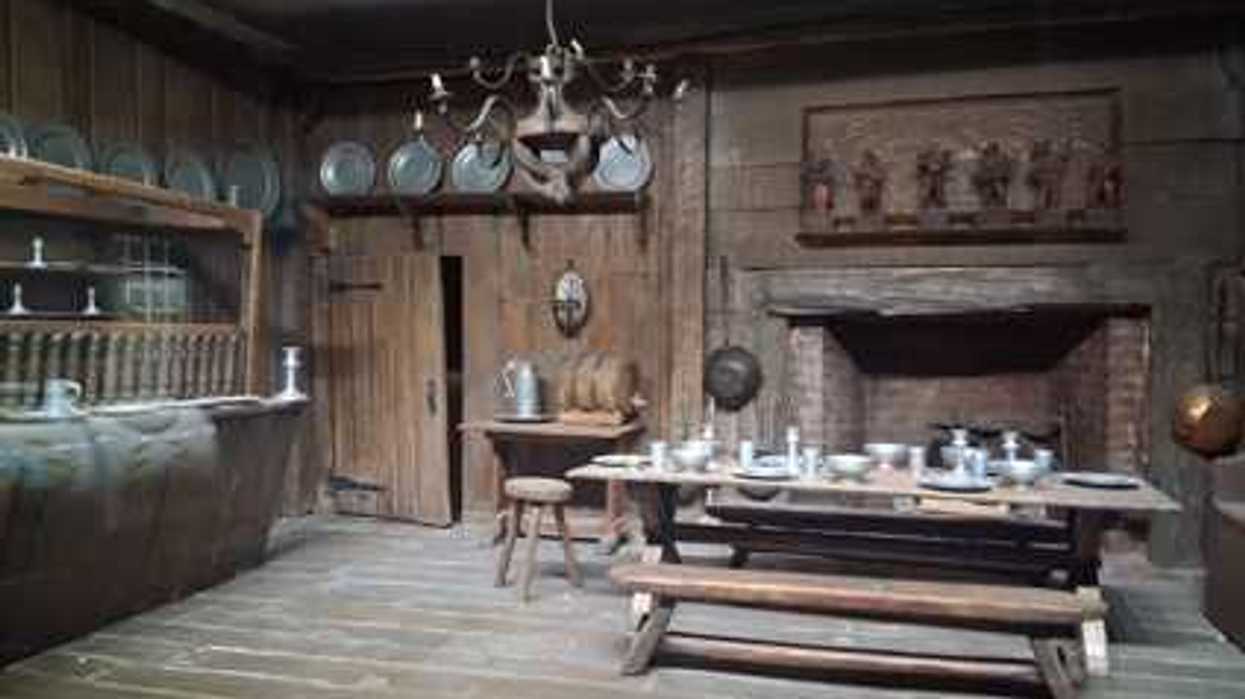 Josh Slocum
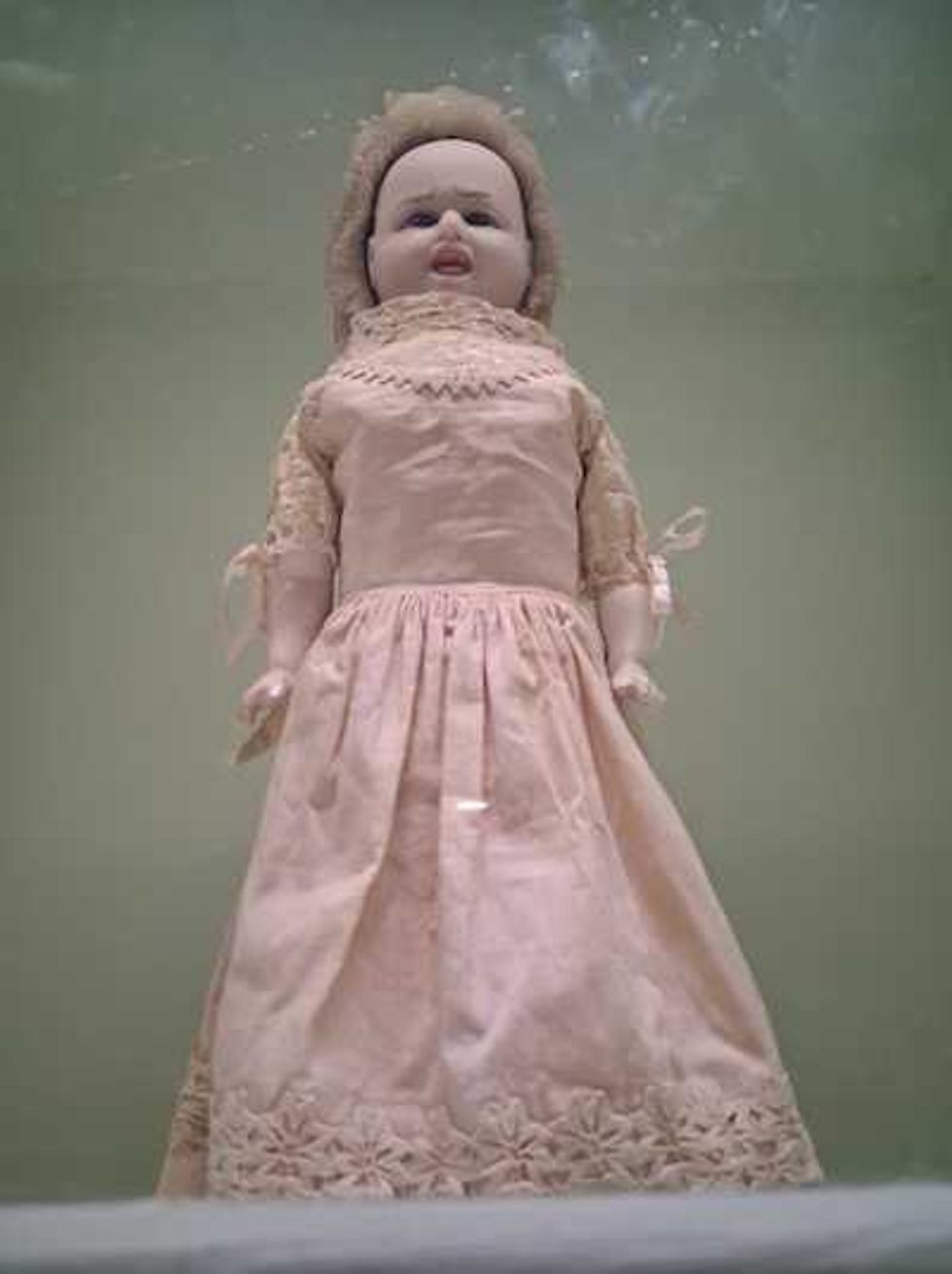
No collection of doll-related ephemera would be complete without That One Cursed Doll, and the Shelburne does not disappoint.
 Josh Slocum
Good luck sleeping.
De gustibus
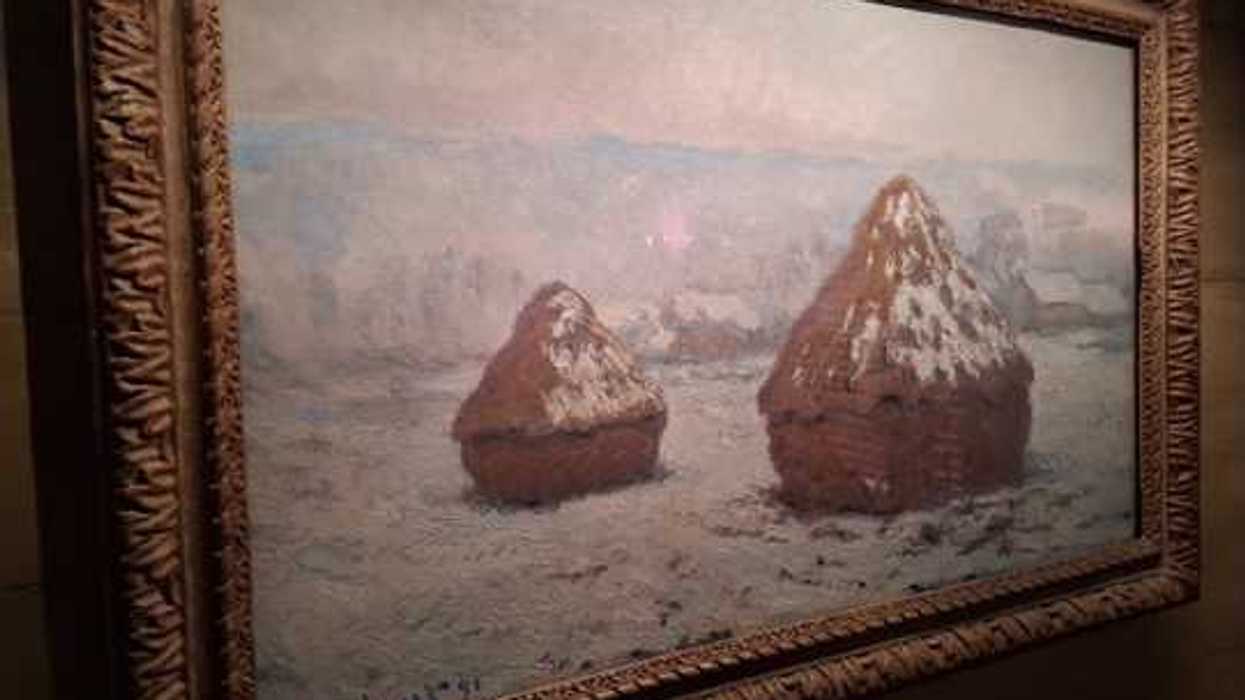
Your correspondent finds it difficult to write a column without finding something to mock, and fortunately Mrs. Webb provided for this with her collection of Impressionist paintings. The main home on the property features at least two Monets, and I’m here to tell you they look worse in person than they do in museum catalogs.
I mean, look at this:
 Josh Slocum
My friend is an artist who made a beeline for the Monets. We stood in front of this representation of some primitive huts, and she didn’t say anything. I did.
“Well, it’s s**t, isn’t it?” I said.
“Yeah. That’s really ugly,” she replied.
Not all fine art is actually fine. Sorry.
But noblesse oblige is very fine indeed. It is, in fact, noble. Without the Mr. Carnegies and Mrs. Webbs, our country would be impoverished in beauty and the ability of the public to experience it. It takes robber-baron levels of wealth to collect, to curate, and, eventually, to bequeath to the public examples of the finest uplifting, aspirational, and enchanting machines and objets d’art that show the best of what man and woman can create.
This is something only the rich can do for us. Let’s hear it for Mrs. Webb.
More from this network:
Domains for Sale · GOTPeople.org · TheDSAPlatform · The Truth About Socialism
What's Your Reaction?
 Like
0
Like
0
 Dislike
0
Dislike
0
 Love
0
Love
0
 Funny
0
Funny
0
 Wow
0
Wow
0
 Sad
0
Sad
0
 Angry
0
Angry
0

I am just an average American. My teen years were in the late 70s and I participated in all that that decade offered. Started working young, too young. Then I joined the Army before I graduated High School. I spent 25 years in, mostly in Infantry units. Since then I've worked in information technology positions all at small family owned companies. At this rate I'll never be a tech millionaire. When I was young I rode horses as much as I could. I do believe I should have been a cowboy. I'm getting in the saddle again by taking riding lessons and see where it goes.
Premium domains for sale






















Comments (0)