

Lena Dunham Chased Every Progressive Fantasy. Then Everything Fell Apart.
Premium domains for sale
Freedom Is Back In Style
This article is part of Upstream, The Daily Wire’s new home for culture and lifestyle. Real human insight and human stories — from our featured writers to you.
Freedom Is Back
In Style
Premium domains for sale
***
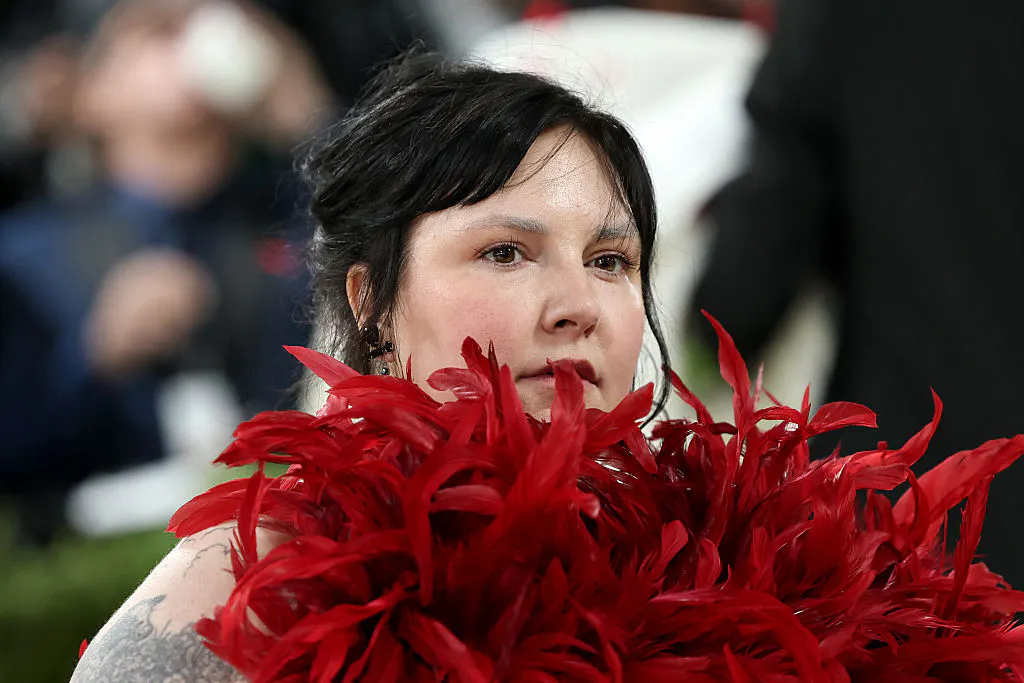
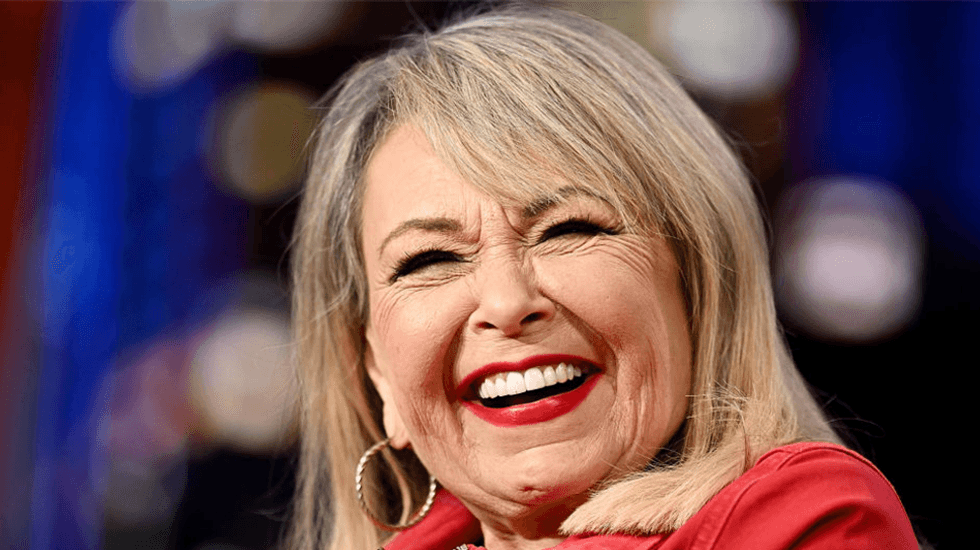
A funny thing started happening as I trudged through Lena Dunham’s new memoir, “Famesick.” I started hating her a little less. Like so many conservatives, my thoughts on Dunham were surface-level. She was an insufferable liberal, a narcissistic celebrity, and, as she made clear in her last published work, a person with an appalling lack of personal boundaries, even around children.
I watched “Girls” back in the day because I was the right demographic. At that point, I was still figuring out who I was, just like the main characters. The show was sharp, funny, and honest. Much like Dunham, it turns out. It’s just too bad she spent so much of her life chasing after all the wrong things.
I never read her first memoir, “Not That Kind of Girl,” which came out in 2014 and inspired so much controversy. That essay collection famously included revelations that Dunham “examined” her younger sister’s genitals, and then when she got called out for it, the actress attacked her detractors for thinking it was gross.
“The right-wing news story that I molested my little sister isn’t just LOL – it’s really f*cking upsetting and disgusting. And by the way, if you were a little kid and never looked at another little kid’s vagina, well, congrats to you,” she posted in 2014.
“Famesick” is less about the questionable decisions of minors and more about Dunham’s rise to fame and how it never made her truly happy.
She comes across as deeply insecure (“I still thought that true love was performed with the one-sided devotion of a kicked dog”), obsessed with her reputation, clinging desperately to failing relationships (especially the toxic partnership with “Girls” co-showrunner Jenni Konner), and keen on informing readers how popular she once was and how much sex she was having. Dunham vacillates between bragging and doom spiraling while keeping the focus always on her inner turmoil.
“People on the internet were cruel to me, but nobody was crueler to me than I was to myself,” she says at one point. The whole thing reeks of wanting to be liked, and to be remembered for once being liked.
Dunham also takes time to reflect on the fallout from her first book, writing, “I was shocked when a conservative media site analyzed the book carefully, pulling choice passages and coming to the conclusion that I had engaged in sexually inappropriate childhood behavior with my sibling.” This referred specifically to the media watchdog site Truth Revolt, where Daily Wire Editor Emeritus Ben Shapiro served as editor in chief.
Dunham wrote that she wasn’t too worried about the backlash at first because she assumed “any logical person” would interpret the negative reaction as being “an attempt to cherrypick sections to create a narrative that spoke to the idea that I — and by extension, the majority of feminists — were not crusaders for justice but, in fact, wanton perverts.”
“I didn’t consider what I’d written to be particularly salacious,” the actress went on. “And anyway, what about the things I hadn’t included? I’d decided against describing the time, age four, I announced to a group of near-strangers that my punishment at home for misbehavior was having ‘a fork stuck up my vagina.’ (It was not.) I don’t know where I came up with that, but I’ve always been confused by anyone who doesn’t recognize that children are inherently innocent, and yet their imaginations are endless and deranged.”
“What I had been guilty of on the page, what the internet should have charged me with and given me a short sentence for, was poor phrasing — maybe a second count for TMI,” Dunham wrote, noting how her sister has since started identifying as a boy and going into some detail about their distant, complicated relationship.
“Famesick” is also full of medical drama and, eventually, a raging pill addiction. Dunham is ill for most of the book, in and out of the hospital for various conditions and surgeries, which eventually culminates in her having a full hysterectomy to counteract the painful reality of endometriosis.
I was surprised to find out that Dunham did originally want to be a mother. She also spent thousands of dollars attempting to have biological children via IVF, only for it all to end in failure.
“I had never had a single doubt about wanting children,” she wrote, mourning the loss of what would never be. It was surprising only because she’s such a devout pro-abortion feminist who had a significant amount of success in Hollywood. The yearning for children doesn’t match the stereotype. It also made her a more sympathetic character.
Ultimately, Dunham is selfish and flawed, earnest yet delusional, self-obsessed but trying to change. I’ve always preferred memoirs because fiction writers so often fail to capture that nuance of multi-faceted personalities. Watching someone make bad decisions over and over hits harder when it’s all based on true events.
For the first time maybe ever, I found myself agreeing with Slate for pointing out that this book was so readable in part because Dunham is truly skilled at her craft. The progressive website’s review called it “an ideal celebrity memoir with the added bonus of being written by someone who can actually write.”
The Atlantic’s review praised Dunham’s growth over the last decade, noting that in “Famesick,” she had “actually learned from her garrulous and unfiltered excesses — she’s got stories to tell in Famesick that blow the roof off, but she’s wielding them with precision this time around.”
Dunham is truly lost as a person. She fondly recalls having dinner with Robert De Niro and Bruce Springsteen, mourns President Donald Trump winning the election, and campaigns for Hillary Clinton. She’s about as incorrect on every conceivable topic as a person can be. And yet, my feelings throughout the book weren’t anger. They were closer to pity.
I began to associate Dunham’s plight with every career-focused feminist who, at around the mid-point of life, is realizing that enduring happiness won’t come from professional success or fickle fans.
Dunham isn’t pure evil, even if she’s not the victim she thinks she is. She’s infuriating and sympathetic in tandem. And ultimately, she’s just another flawed human who, through her warped ideology, made her life a lot harder than it had to be.
More from this network:
Domains for Sale · GOTPeople.org · TheDSAPlatform · The Truth About Socialism
What's Your Reaction?
 Like
0
Like
0
 Dislike
0
Dislike
0
 Love
0
Love
0
 Funny
0
Funny
0
 Wow
0
Wow
0
 Sad
0
Sad
0
 Angry
0
Angry
0

I am just an average American. My teen years were in the late 70s and I participated in all that that decade offered. Started working young, too young. Then I joined the Army before I graduated High School. I spent 25 years in, mostly in Infantry units. Since then I've worked in information technology positions all at small family owned companies. At this rate I'll never be a tech millionaire. When I was young I rode horses as much as I could. I do believe I should have been a cowboy. I'm getting in the saddle again by taking riding lessons and see where it goes.
Premium domains for sale















Comments (0)