

New Vaccine Shows Early Signs Of Stopping Cancer Spread
Premium domains for sale
Freedom Is Back In Style
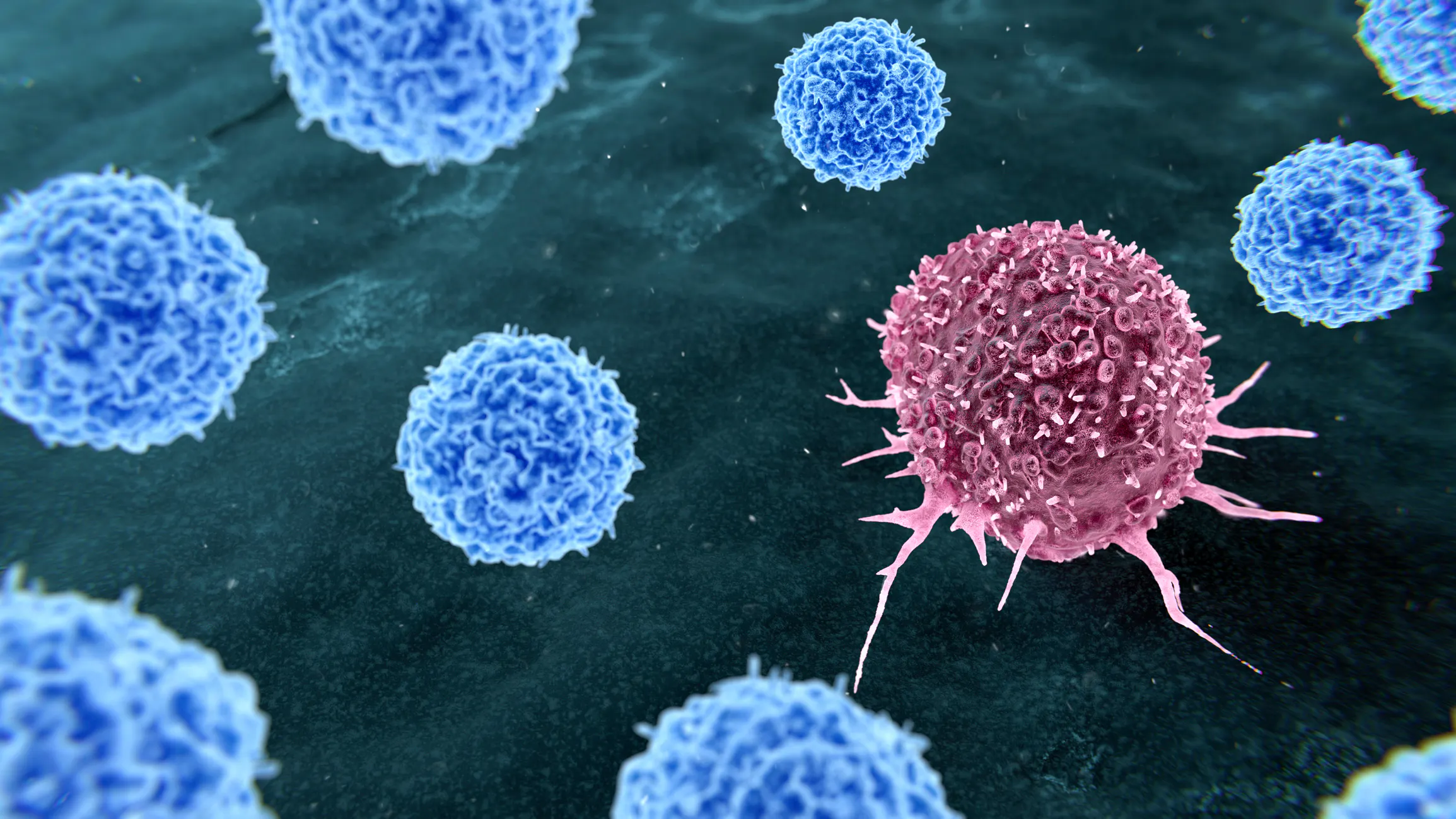
An experimental cancer vaccine has kept high-risk melanoma from returning for longer and reduced the risk of it spreading in a late-stage trial.
Freedom Is Back
In Style
Premium domains for sale
Moderna and Merck said Wednesday in a press release that their experimental personalized mRNA vaccine, Intismeran, combined with Merck’s Keytruda, met both its primary and secondary goals in a late-stage trial of high-risk melanoma patients who had already undergone surgery. The coupling prolonged the time before the cancer returned and reduced the chance it would spread to other organs.
The late-stage trial was conducted on more than 1,000 people, according to The Wall Street Journal. Every participant had already undergone surgery to remove a melanoma. Roughly half received the personalized vaccine along with Keytruda. The rest received Keytruda by itself. Treatment lasted about a year. The aim was to lower the odds that the cancer would return after the tumor was gone.
“I have a feeling that this is just the beginning of a new field,” Jane Healy, a vice president of oncology at Merck, told The Wall Street Journal. The goal for patients, she said, is “to give them longer without having to worry about treatments for cancer.”
The companies withheld their exact figures on the duration patients stayed free of progressing disease and how long they lived overall. Those numbers are scheduled to be presented at a medical meeting later this year. How strong and how well tolerated the benefit proves to be will shape both regulatory chances and eventual use.
No personalized mRNA cancer vaccine had previously succeeded in a late-stage trial. The outcome follows prolonged efforts to design treatments that target the unique mutations present in each patient’s tumor.
The outcome gives Moderna a potential entry into the cancer-drug market, which exceeds $240 billion, at a time when its COVID-19 vaccine revenue has been falling. Merck, meanwhile, could gain another product to help offset the coming loss of exclusivity on Keytruda.
Moderna’s stock jumped “more than doubled” Wednesday morning, and Merck shares rose more than 10%, per the Journal.
“We are now an oncology company,” Moderna Chief Executive Stéphane Bancel said. “By Christmas, you could have a company that’s going back into sales growth for the first time in four years.”
Each dose is made personalized to the patient. Once the melanoma is surgically removed, a blood sample and tumor biopsy are sent for analysis. Researchers pin down mutations specific to that patient’s cancer cells that are most likely to be noticed by the immune system. Those genetic targets are then written into mRNA and turned into a vaccine. Manufacturing takes about six weeks from the time of the biopsy. In the meantime, patients begin Keytruda to keep the disease in check, WSJ reported.
The two companies started working together on these types of vaccines in 2016. They chose melanoma first because the tumors typically contain many mutations. Additional trials are already running in bladder cancer, a frequent type of lung cancer, and kidney cancer.
More from this network:
Domains for Sale · GOTPeople.org · TheDSAPlatform · The Truth About Socialism
What's Your Reaction?
 Like
0
Like
0
 Dislike
0
Dislike
0
 Love
0
Love
0
 Funny
0
Funny
0
 Wow
0
Wow
0
 Sad
0
Sad
0
 Angry
0
Angry
0

I am just an average American. My teen years were in the late 70s and I participated in all that that decade offered. Started working young, too young. Then I joined the Army before I graduated High School. I spent 25 years in, mostly in Infantry units. Since then I've worked in information technology positions all at small family owned companies. At this rate I'll never be a tech millionaire. When I was young I rode horses as much as I could. I do believe I should have been a cowboy. I'm getting in the saddle again by taking riding lessons and see where it goes.
Premium domains for sale





Comments (0)