

Oil could hit $200 per barrel if these conditions are met in Middle East: Citi
Premium domains for sale
Freedom Is Back In Style
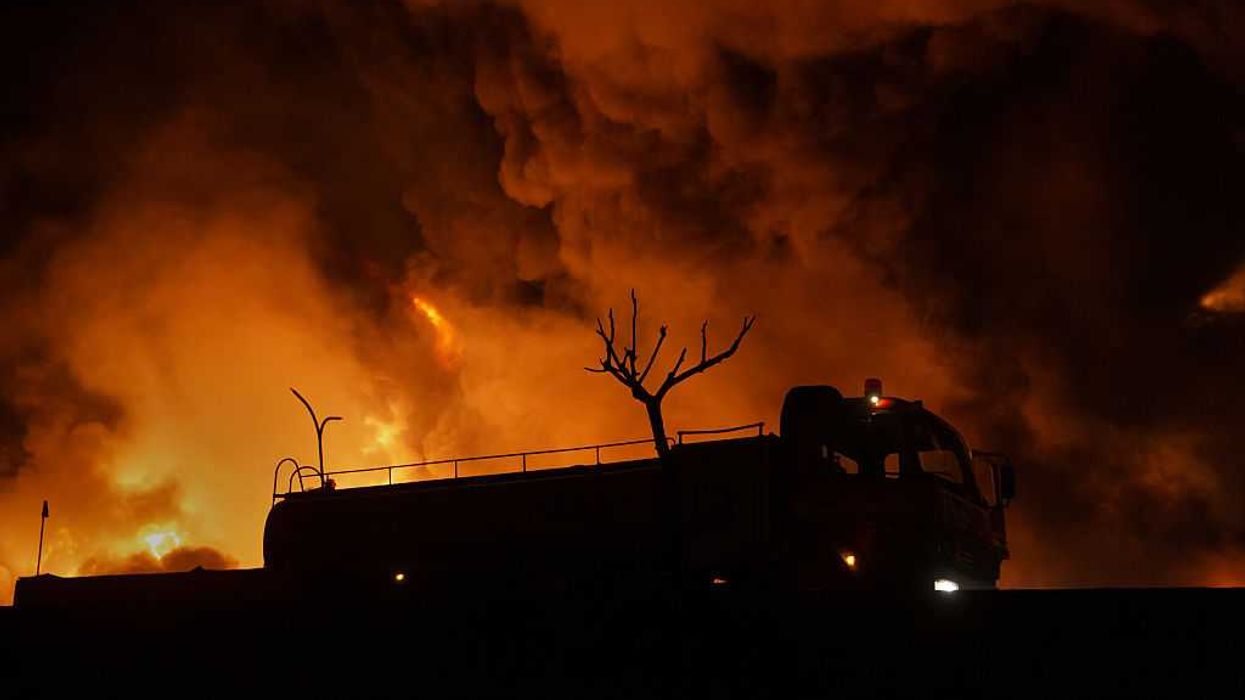
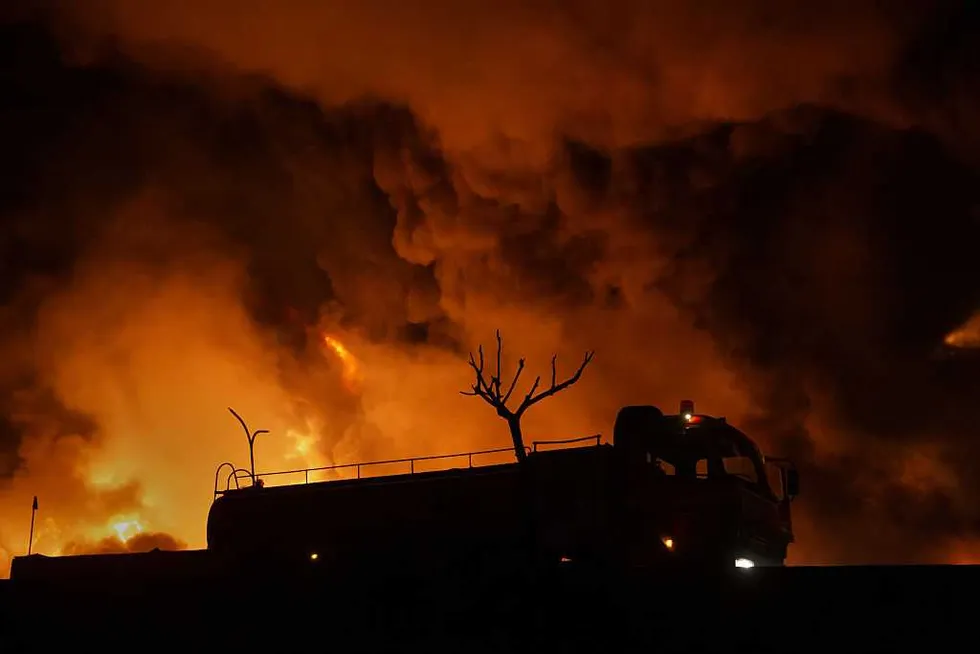
Brent crude, the primary global benchmark for oil prices, rose higher than $120 per barrel in early summer 2022, largely on account of the fallout from the war in Ukraine and increased demand in countries reopening after suffering through years of self-imposed COVID restrictions.
Freedom Is Back
In Style
Premium domains for sale
Freedom Is Back
In Style
Premium domains for sale
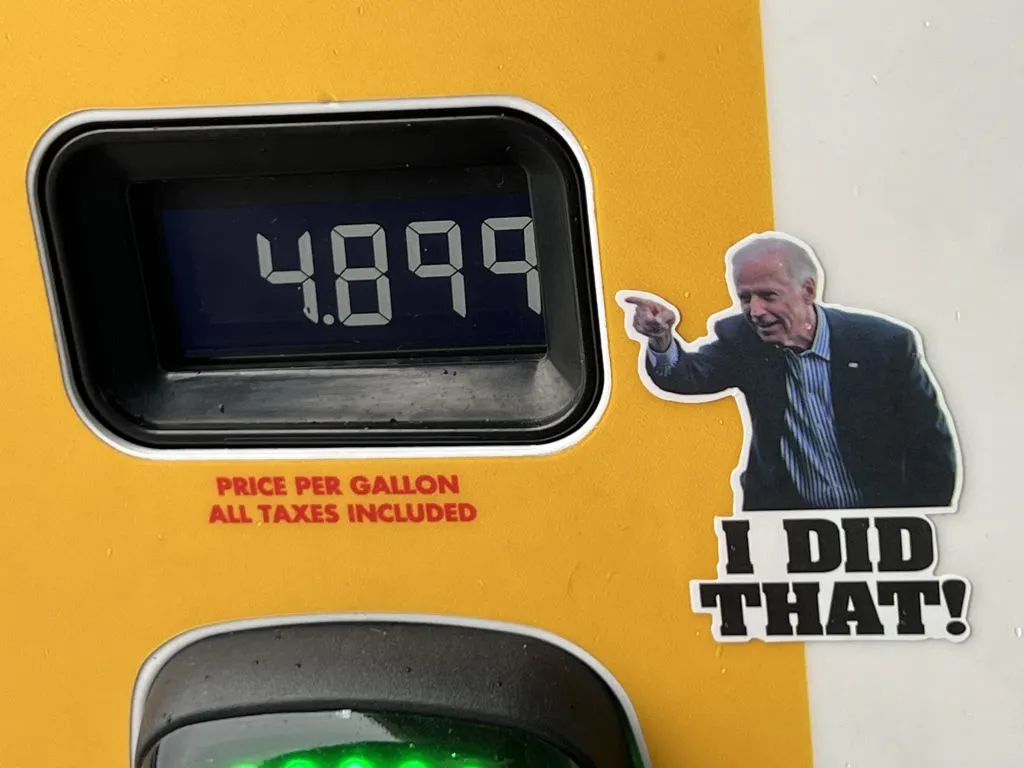
At the time, this generated a great deal of excitement and consternation, especially when U.S. gas prices soared to a record high of roughly $5 a gallon.
Americans may soon long for the days of $120 per barrel.
'Consumers continue to feel the sting of rising oil, gasoline, and diesel costs as geopolitical tensions in the Middle East remain elevated.'
Analysts at Citi said in a note on Wednesday that Brent crude — which recently saw an intraday high of nearly $120 a barrel and is presently trading over 65% above its level at the beginning of the year — could hit $200 a barrel if Tehran executes "broad energy infrastructure attacks" or keeps the Strait of Hormuz blocked until June, Investing.com reported.
Iran appears keen to satisfy both of these conditions.
Following the initial joint U.S. and Israel strikes on Feb. 28, Iran targeted energy facilities in its backyard, prompting various companies to wind down their production and shutter their facilities.
RELATED: Trump blasts allies over reluctance to join Iran conflict: 'WE DO NOT NEED THE HELP OF ANYONE!'
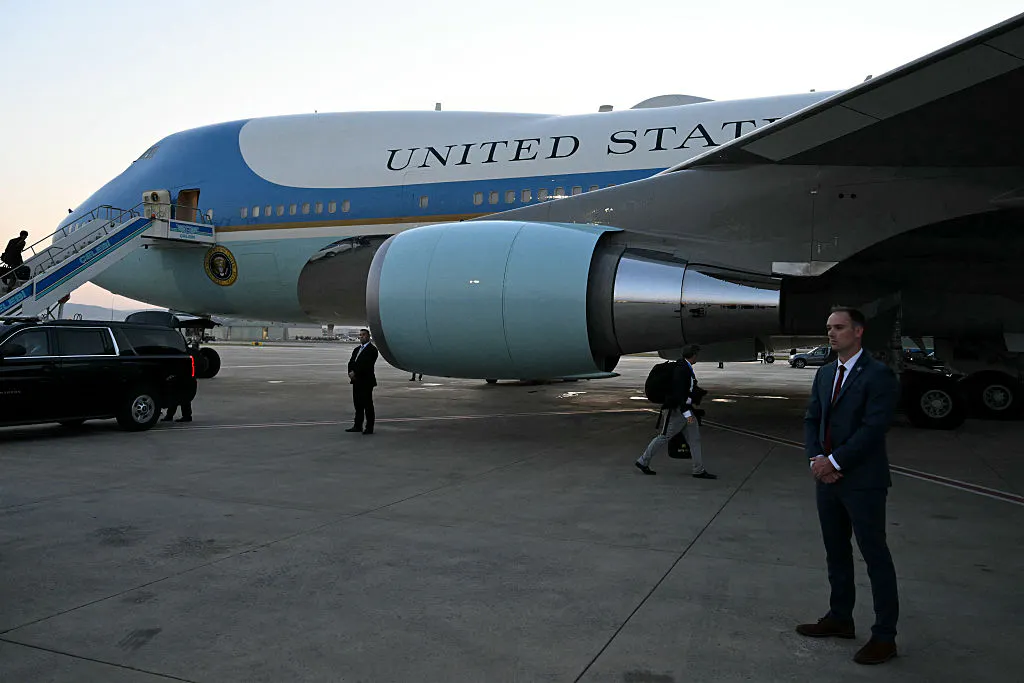
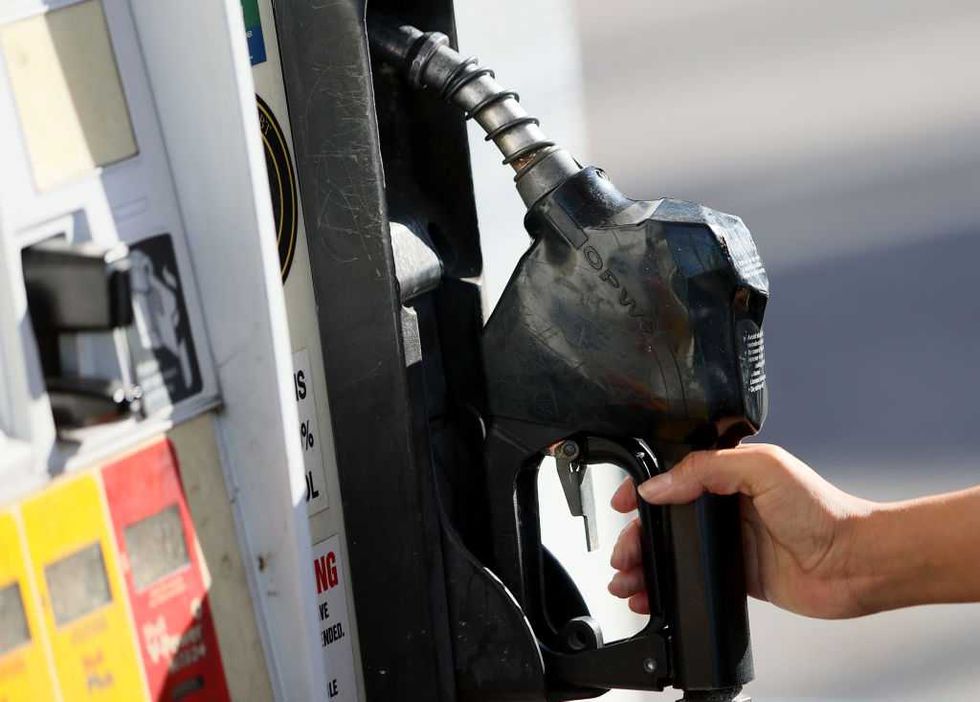 Photo by Joe Raedle/Getty Images
Qatar's state-run QatarEnergy, for instance, shut down its LNG production complex following Iranian drone strikes at two of its facilities. OilPrice.com recently noted that even if the hostilities in the region ended immediately, it could take several weeks to restart production.
On Wednesday, Tehran issued a warning via state media to several Middle Eastern oil facilities — the Samref Refinery and Jubail Petrochemical Complex in Saudi Arabia; the Al Hosn Gas Field in the United Arab Emirates; and the Mesaieed Petrochemical Complex, Mesaieed Holding Company, and Ras Laffan Refinery in Qatar — notifying them of imminent strikes "in the coming hours," Reuters reported.
"These centers have become direct and legitimate targets and will be targeted in the coming hours," the warning said. "Therefore, all citizens, residents, and employees are requested to immediately leave these areas and move to a safe distance without any delay."
The warning, which was followed by a jump in the per-barrel price of Brent crude, came in the wake of airstrikes against the South Pars gas field, the world's largest natural gas reserve which is shared by Iran and Qatar.
A source confirmed to the Jerusalem Post that several energy facilities in South Pars and the Iranian city of Asaluyeh were struck by the Israeli Air Force on Wednesday. Two senior Israeli officials told Axios that the attack was coordinated with and approved by the Trump administration.
Amid the attacks and threat of attacks on energy infrastructure, analysts at Citi wrote, "Brent prices will rally as the conflict continues over the coming days, to $110-120/bbl," adding that could be the "price or market event which drives the U.S. to end its military operation" or alternatively drives global powers to "forcefully reopen the Strait."
President Donald Trump has implored the international community to aid the U.S. in reopening the strait, emphasizing that China and other nations are far more reliant than America on the supply flowing down the strait.
According to Reuters, China received 1.6 billion barrels of crude oil over the past 14 months via the Strait of Hormuz; the rest of Asia collectively received 1.6 billion barrels; India received 1 billion barrels; Japan and South Korea each received 800 million barrels; the U.S. and Europe each received around 200 million barrels; and the rest of the world received a combined 300 million barrels.
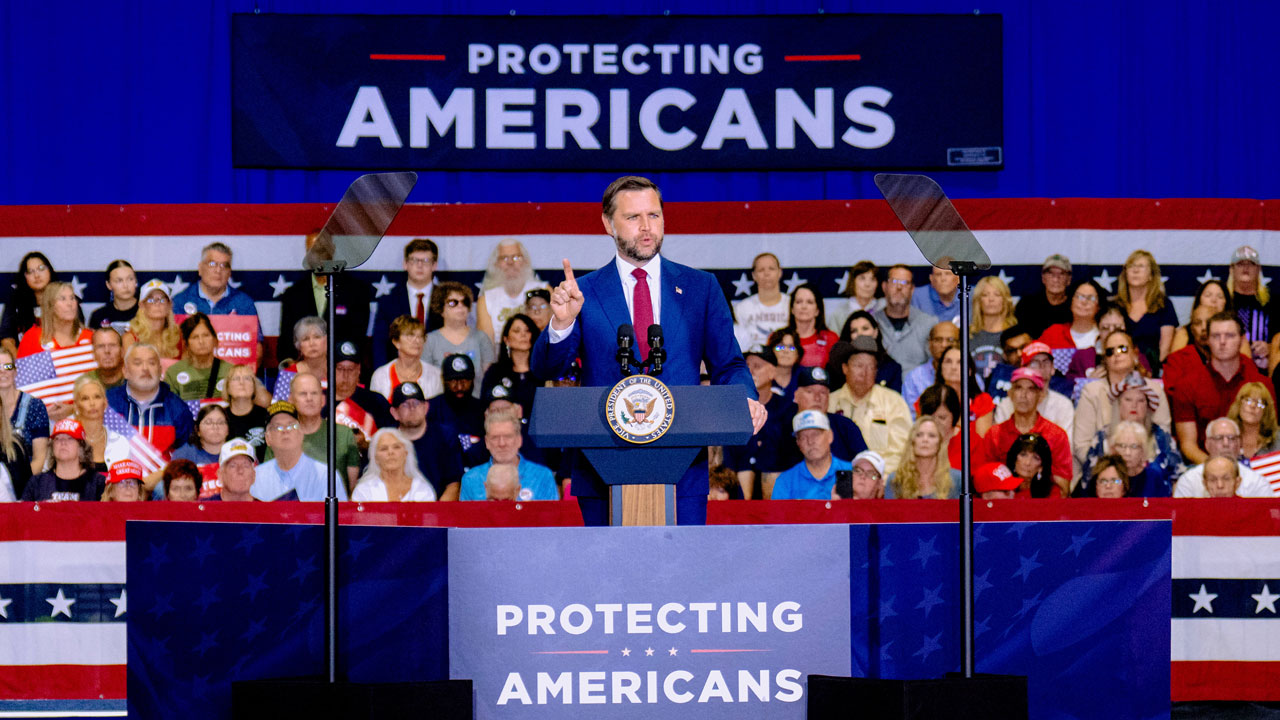
Citing sources familiar with the matter, Bloomberg reported that Vice President JD Vance and other administration officials plan to meet at the American Petroleum Institute on Thursday to meet with oil executives.
"We look forward to convening key officials — including Vice President Vance, Energy Secretary [Chris] Wright, bipartisan leaders in Congress, and governors — to discuss the role of American oil and natural gas in supporting reliable energy supply amid global volatility," Andrea Woods, a spokeswoman for the institute, told Bloomberg. "Our industry is focused on providing insight into market dynamics and strengthening American energy leadership and resilience for the long term."
The price-tracking service GasBuddy noted that as of Monday, the national average price of gasoline was up 80 cents per gallon from a month ago and 66.1 cents higher than a year ago.
"Consumers continue to feel the sting of rising oil, gasoline, and diesel costs as geopolitical tensions in the Middle East remain elevated, pushing gasoline prices to their highest levels in years while diesel could soon approach the $5-per-gallon mark nationally," said Patrick De Haan, head of petroleum analysis at GasBuddy.
"Until we see a meaningful resumption of oil flows through the Strait of Hormuz, upward pressure on fuel prices is likely to persist," De Haan continued. "At the same time, seasonal forces are beginning to intensify as several regions complete the transition to summer gasoline, creating a double headwind that could continue driving pump prices higher in the weeks ahead."
Like Blaze News? Bypass the censors, sign up for our newsletters, and get stories like this direct to your inbox. Sign up here!
More from this network:
Domains for Sale · GOTPeople.org · TheDSAPlatform · The Truth About Socialism
What's Your Reaction?
 Like
0
Like
0
 Dislike
0
Dislike
0
 Love
0
Love
0
 Funny
0
Funny
0
 Wow
0
Wow
0
 Sad
0
Sad
0
 Angry
0
Angry
0

I am just an average American. My teen years were in the late 70s and I participated in all that that decade offered. Started working young, too young. Then I joined the Army before I graduated High School. I spent 25 years in, mostly in Infantry units. Since then I've worked in information technology positions all at small family owned companies. At this rate I'll never be a tech millionaire. When I was young I rode horses as much as I could. I do believe I should have been a cowboy. I'm getting in the saddle again by taking riding lessons and see where it goes.
Premium domains for sale














Comments (0)