

Sam Altman says NSA can't use OpenAI — then tells staff they don't have a say in military actions
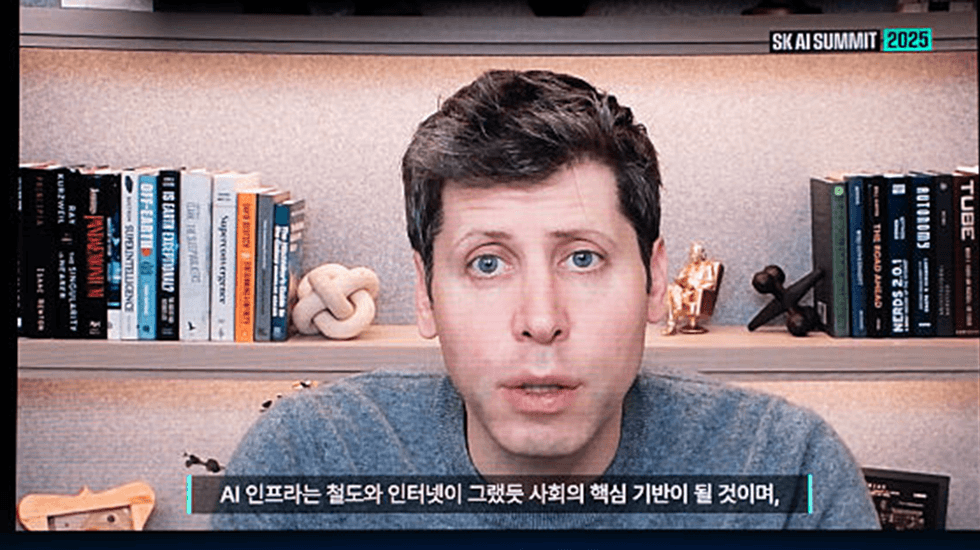
Before telling employees they do not get a say in how the government uses OpenAI services, CEO Sam Altman said intelligence agencies are no longer allowed to use OpenAI as they see fit.
Live Your Best Retirement
Fun • Funds • Fitness • Freedom
On Monday, Altman cited the Fourth Amendment as a reason to change OpenAI's contract with the federal government.
'The Department also affirmed that our services will not be used by Department of War intelligence agencies.'
Altman said the company would amend its deal to include the following text: "Consistent with applicable laws, including the Fourth Amendment to the United States Constitution ... the AI system shall not be intentionally used for domestic surveillance of U.S. persons and nationals."
The text added, "For the avoidance of doubt, the Department understands this limitation to prohibit deliberate tracking, surveillance, or monitoring of U.S. persons or nationals, including through the procurement or use of commercially acquired personal or identifiable information."
Altman expressed a desire for a "democratic process" that could protect the civil liberties of Americans, while adding that the Department of War agreed to the new terms that keep his product out of the hands of the intelligence community.
"The Department also affirmed that our services will not be used by Department of War intelligence agencies (for example, the NSA). Any services to those agencies would require a follow-on modification to our contract."
Unfortunately for Altman, his post was hit with a hard community note that claimed this was "the opposite" of what he told employees the next day.
RELATED: Gamers REVOLT over age-verify scheme subjecting users to 'suspicious entity detection'
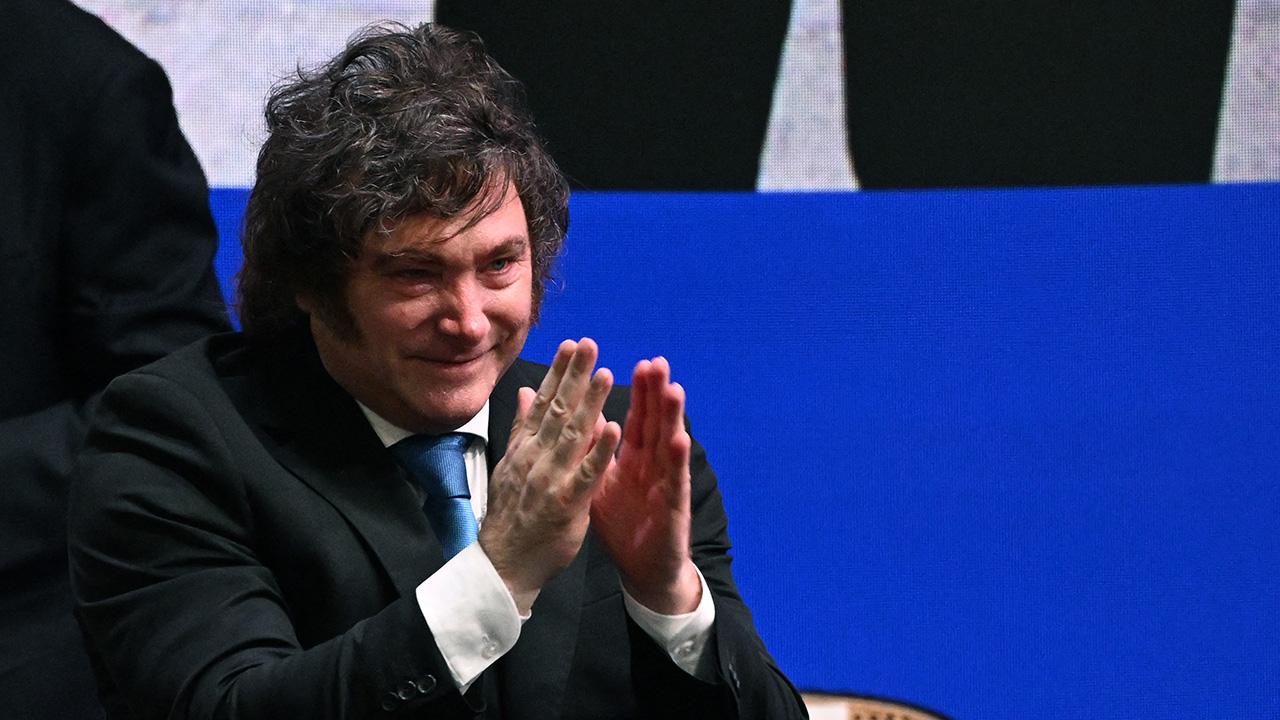
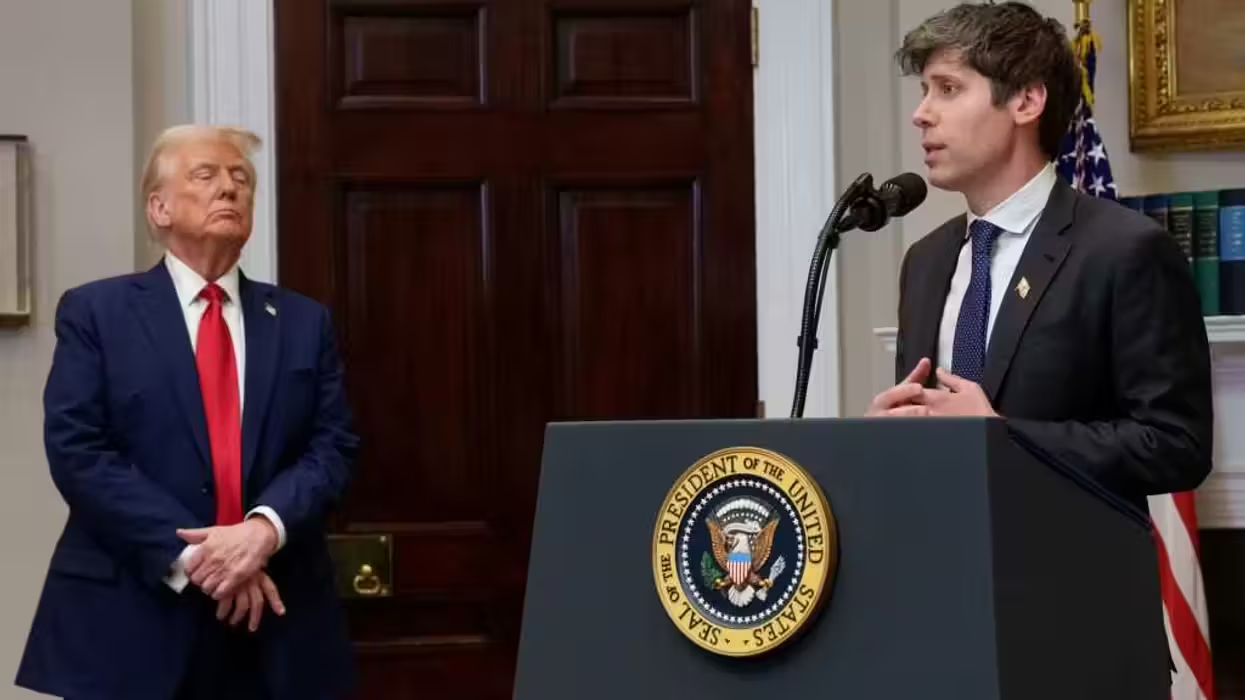 Photo by Andrew Harnik/Getty Images
As CNBC reported, Altman told staff at an internal meeting that the company does not get a say in how the government uses OpenAI for operations.
"So maybe you think the Iran strike was good and the Venezuela invasion was bad," Altman reportedly said on Tuesday. "You don't get to weigh in on that."
OpenAI does not "get to make operational decisions" regarding how its AI is used by the Department of War, the CEO added.
Altman also reportedly told his team that while the Pentagon respects his company's expertise, the agency made it clear that the final decisions rest solely with Secretary Pete Hegseth.
RELATED: Sam Altman slams ICE in message to OpenAI employees: 'What's happening ... is going too far'
The about-face seems even more bizarre when considering Altman's follow-up post on X from Monday evening. In it, he described "alignment, democratization, empowerment, and individual agency" as the principles he cares most about.
At the same time he explained how AI needs to be "democratized" for the world as an open product, he wondered how he would feel if his product could have prevented an attack on U.S. soil but was not used by the government.
"I think there are real dangers coming to the world, and maybe pretty soon; I tried to put myself in the mindset of how I'd feel the day after an attack on the US or a new bioweapon we could have helped prevent."
This is more in tune with what he told his employees on Tuesday, which also included that he hoped the government would be "willing to work with us, even if our safety stack annoys them."
Like Blaze News? Bypass the censors, sign up for our newsletters, and get stories like this direct to your inbox. Sign up here!
What's Your Reaction?
 Like
0
Like
0
 Dislike
0
Dislike
0
 Love
0
Love
0
 Funny
0
Funny
0
 Wow
0
Wow
0
 Sad
0
Sad
0
 Angry
0
Angry
0

I am just an average American. My teen years were in the late 70s and I participated in all that that decade offered. Started working young, too young. Then I joined the Army before I graduated High School. I spent 25 years in, mostly in Infantry units. Since then I've worked in information technology positions all at small family owned companies. At this rate I'll never be a tech millionaire. When I was young I rode horses as much as I could. I do believe I should have been a cowboy. I'm getting in the saddle again by taking riding lessons and see where it goes.


Comments (0)