

Savannah Guthrie Returns To ‘Today’ After Mother’s Kidnapping, And Her First Moments Speak Volumes

Premium domains for sale
Freedom Is Back In Style
This article is part of Upstream, The Daily Wire’s new home for culture and lifestyle. Real human insight and human stories — from our featured writers to you.
Freedom Is Back
In Style
Premium domains for sale
***
“Welcome to ‘TODAY’ … it is good to be home,” Savannah Guthrie said through a camera-ready smile at NBC’s Studio 1A in Rockefeller Center. Wearing a yellow floral dress as sunny as the roses on set, she made her much-anticipated return to the anchor desk on Monday after a two-month hiatus as the search for her 84-year-old mother, Nancy Guthrie, continues. “Here we go, ready or not, let’s do the news,” she said.
As the famous face of the cause célèbre, Savannah has endured forensic scrutiny over her own behavior following her mother’s disappearance on February 1. Body language experts dissected her crossed arms while holding her siblings’ hands. Legal analysts drilled down on her measured pleas to alleged kidnappers. And podcasters noted her drab, reworn clothing and puffy, makeup-free face.
But Savannah’s latest enterprise — simply returning to the network where she’s worked for more than 14 years — stripped her essence to the bone, raising one question about humanity’s greatest heartbreak. Is it ever “too soon” to move on?
Moments after her reintroduction, Savannah was in tears, walking arm-in-arm with Jenna Bush Hager to greet the audience outside. Holding hands to hearts and biting quivering lips, excited tourists donned yellow remembrance ribbons and held up images of Savannah and Nancy from better days. Homemade T-shirts read “Welcome Home Savannah,” while other signs gave shout-outs to family members watching from home. The bustling chaos put an odd frame around Savannah’s return.
It’s unfair to compare Savannah choking up while saying, “I’ve received so many letters, so much kindness” to the whooping girls with the “VISITING FROM VIRGINIA BEACH” poster. And why should these carefree fans be forced to empathize with someone else’s walk through the valley of the shadow of death? They might be going to the Jellycat Diner at FAO Schwarz after this, not forming a search party to look for Nancy Guthrie.
Like anyone grieving a parent or child, Savannah seems to have narrowly avoided total consumption. Just a day before her return to the morning show, she participated in an Easter Sunday message for her church, Good Shepherd New York. Confirming God’s promise of “a new life that never ends in death,” she added a boldfaced footnote when she said, “There are moments when that promise seems irretrievably far away. When life itself seems far harder than death.” Admitting “utter abandonment” as well as a “deep disappointment with God,” she wondered aloud if Jesus had ever felt the sort of pain she was feeling. He knew his exact destiny; he had all the answers.
“God does not ask us to be stoics with standards of pain, with zen-like remove or shallow sloganeering about the hard battles God gives to his toughest soldiers,” she said. Noting the darkness of the three days between Jesus’ death and the empty tomb, she added, “And so it went for me, this portal opening, as I stared at yet another incongruently luminous desert sunset amidst my spirit’s utter darkness.”
Once she broke the ice on “TODAY,” Savannah cracked jokes with an expert guest about perimenopause, shared the couch for news about a “Spaceballs” sequel, and checked in on the status of the Artemis moon mission.
If you’ve experienced grief, you’re familiar with how disorienting it can make news segments on, say, baby eagles feel. Competitors praised Savannah for being “incredibly resilient,” while the New York Times propped her up for “learning to live with not knowing.” These types of phrases fold into a neat little envelope. Return to sender.
Fans who saw themselves in the news anchor posted, “Her job is to be bubbly and joyful on TV — I can’t imagine how hard it will be to put on that face every morning.” Another commented, “Going back to work is going to be hard whenever she does it so might as well do it now.”
Looking ahead, someone else wrote, “I can’t imagine reporting on daily stories of other prominent murders, kidnappings, losses of life, and tragedies or any story involving families without completely losing it.”
Jewish tradition offers a merciful guideline for reintroducing the obligations of daily life over the course of a year following the passing of a loved one. Several other religions hold space for the soul’s transition to the afterlife (and the most intense period of mourning for the living) over the span of 40 days. Modern psychology typically suggests that a healthy grieving experience lasts anywhere from six months to two years. Give or take a few lifetimes.
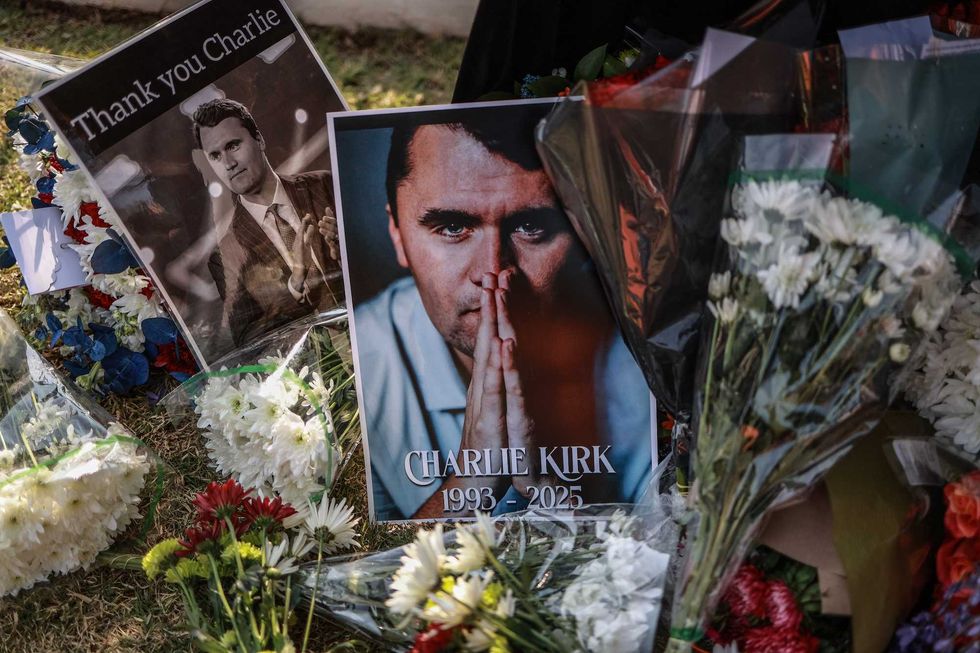
Almost immediately after Charlie Kirk was killed in cold blood last year, his wife, the new Turning Point USA CEO Erika Kirk, was smeared for “not grieving correctly,” with the wildest conspiracies also suggesting she was somehow to blame for Charlie’s death. “I am getting so much noise from everyone,” Erika recalled. “You get people analyzing everything about you. They think they know everything about you. They know nothing about you. They see you on TV, they think, ‘Oh, she’s this, she’s that.’”
“My silence does not mean that I am complacent,” she told Fox News. “We are all grieving in our own way … trying to find the answer to something that happened that was so evil.”
We can’t help but start a countdown on a grief timeline. But our timing for each other is never right.
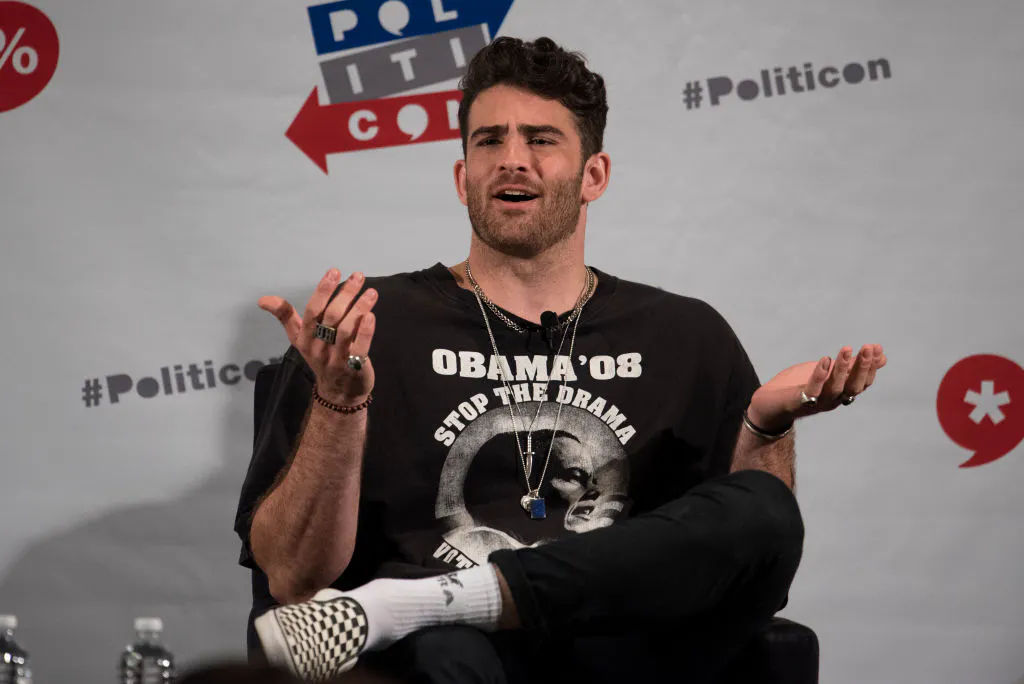
“I want to smile. And when I do, it will be real,” Savannah told former “Today” cohost Hoda Kotb less than two weeks before returning to the air. “I’m not gonna be the same, but maybe it’s like that old poem, more beautiful in the broken places.”
My youngest sister died of brain cancer at age 8. I was 15 at the time, and I remember smiling so much at her memorial service that my teeth hurt. Trying to live up to the praise I was getting for being “so strong,” I went back to school the week following her funeral. I can’t recall what friends whispered to me by my locker, or what my fractured family ever did to stay together, but I wonder if soccer practice, piano, and homework helped keep me tethered to a new reality I needed to face.
Can we be okay with no working blueprint for the “right amount of time” to grieve? Can we accept that by some miracle, our hollowed-out souls can coexist with a daily routine, and even allow us to thrive? Maybe gallows humor and inconvenient, bittersweet memories aren’t bugs in our systems, but are instead features of our divine design. We wouldn’t be human if we easily got over the people we’re hoping never to forget.
More from this network:
Domains for Sale · GOTPeople.org · TheDSAPlatform · The Truth About Socialism
What's Your Reaction?
 Like
0
Like
0
 Dislike
0
Dislike
0
 Love
0
Love
0
 Funny
0
Funny
0
 Wow
0
Wow
0
 Sad
0
Sad
0
 Angry
0
Angry
0

I am just an average American. My teen years were in the late 70s and I participated in all that that decade offered. Started working young, too young. Then I joined the Army before I graduated High School. I spent 25 years in, mostly in Infantry units. Since then I've worked in information technology positions all at small family owned companies. At this rate I'll never be a tech millionaire. When I was young I rode horses as much as I could. I do believe I should have been a cowboy. I'm getting in the saddle again by taking riding lessons and see where it goes.
Premium domains for sale





















Comments (0)