

Senators Push to Increase Use of SAVE Program to Identify Noncitizens on Voter Rolls
Premium domains for sale
Freedom Is Back In Style
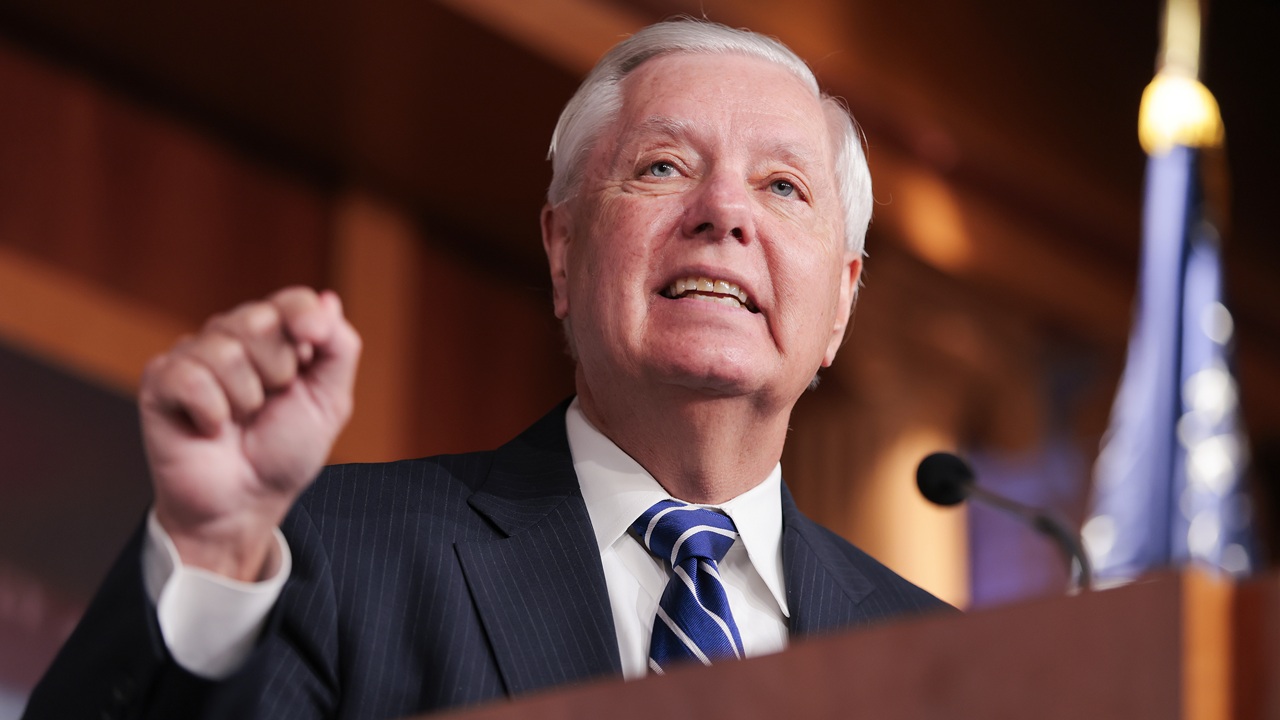
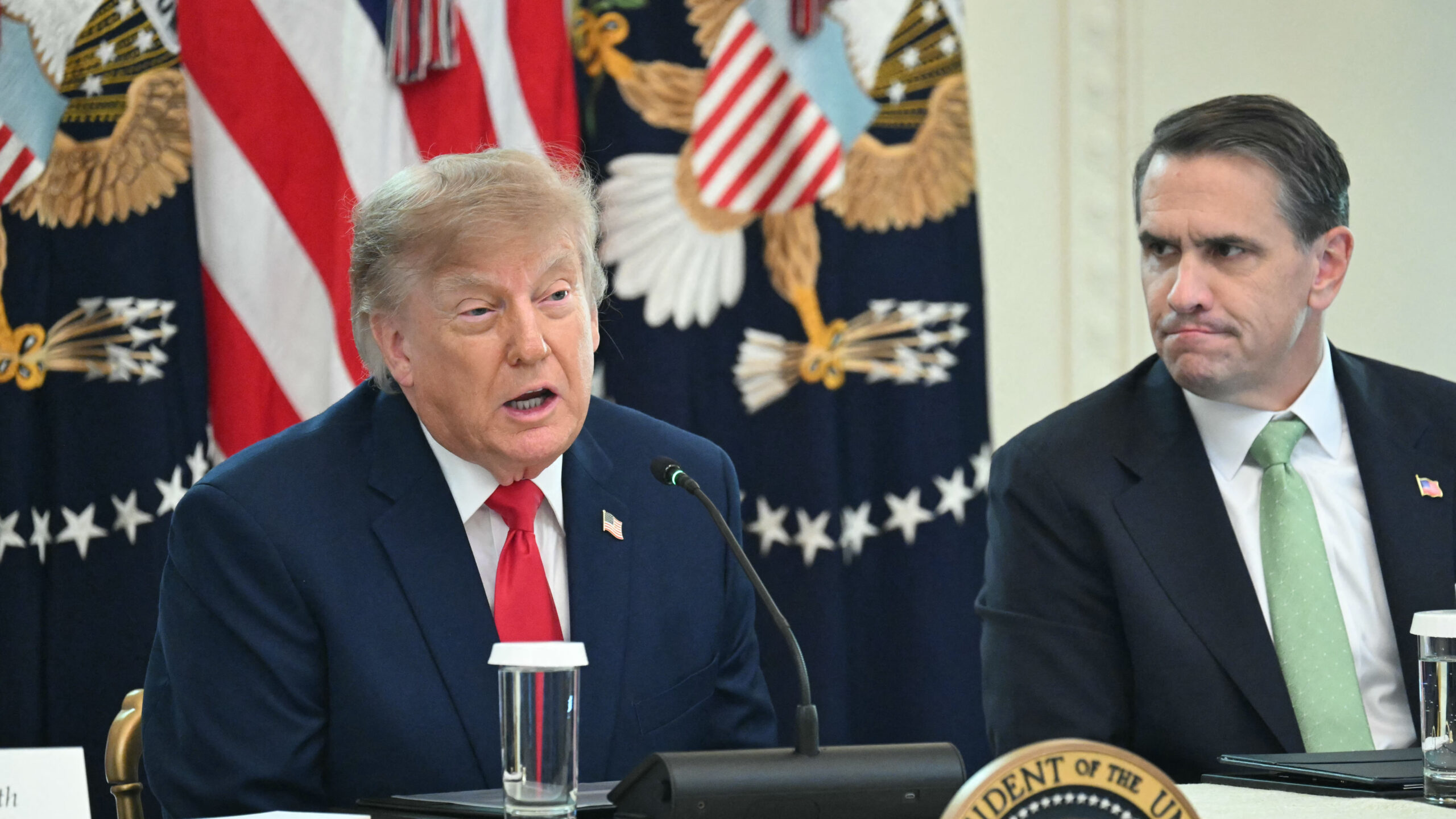
Last week, two senators, Marsha Blackburn, R-Tenn., and Lindsey Graham, R-S.C., chairman of the Senate Committee on the Budget, introduced the Election Security Partnership Act.
Freedom Is Back
In Style
Premium domains for sale
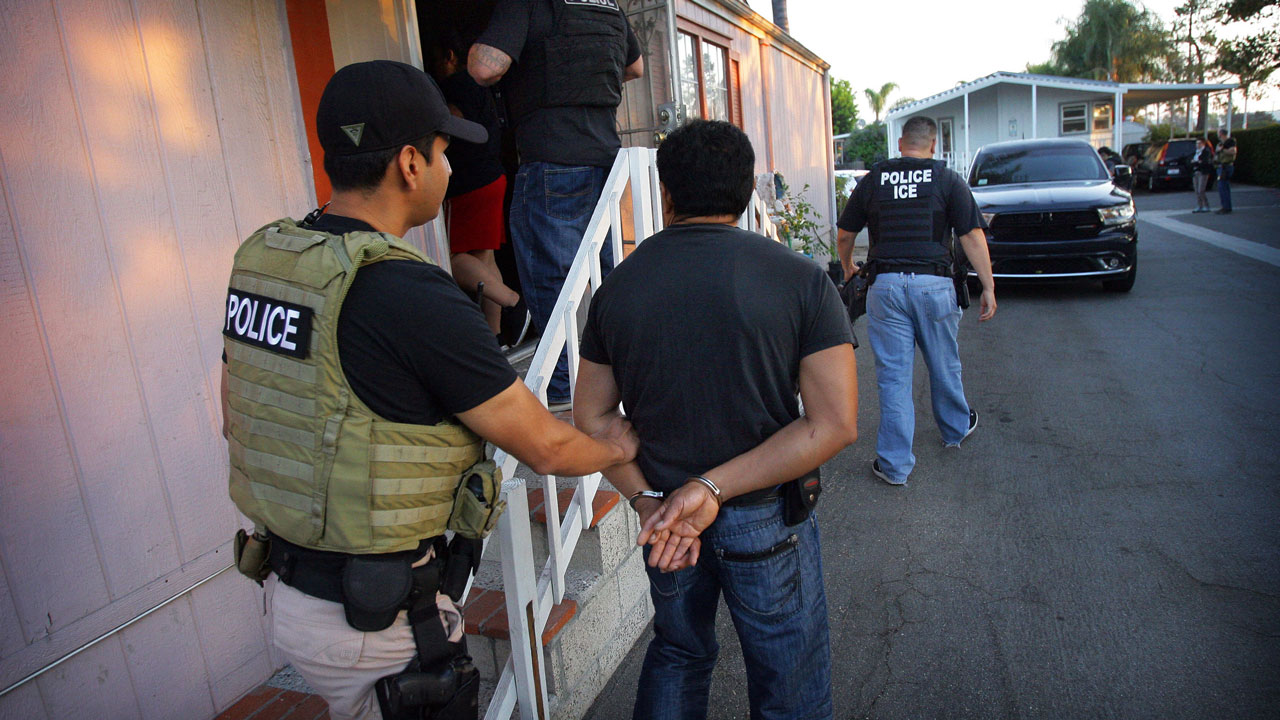
If passed, it would provide federal grants to encourage states to submit their voter registration lists through the Systematic Alien Verification for Entitlements (SAVE) Program at the United States Citizenship and Immigration Services, a component of the Department of Homeland Security, a program recently redesigned to help states identify noncitizen and deceased voters.
Since federal law already prohibits illegal aliens from voting in federal elections (18 U.S.C. 611), this commonsense proposal merely assists states in quickly identifying those persons who, either intentionally or inadvertently, ended up on the voter rolls of the states.
The SAVE Program, expanded by the Trump administration in early 2025, now allows states and counties to compare their voter registration lists with citizenship and legal status information. The comparison would verify the citizenship status of applicants who register to vote or identify if a current registrant is a non-citizen. States may then receive the necessary documentation of citizenship or the legal status of applicants.
According to USCIS, only 26 states have established a memorandum of agreement for voter citizenship verification with SAVE. The proposed legislation is an attempt by Congress to increase the number of states participating by offering federal funds to use the federal SAVE Program and take steps to improve the accuracy of their voter registration lists.
Maintaining accurate and secure voter lists can incur costs, such as new technology and mailings. According to the press release from the co-sponsors, the federal grants could also potentially be used to fund other election priorities, such as election administration, election technology, and election security.
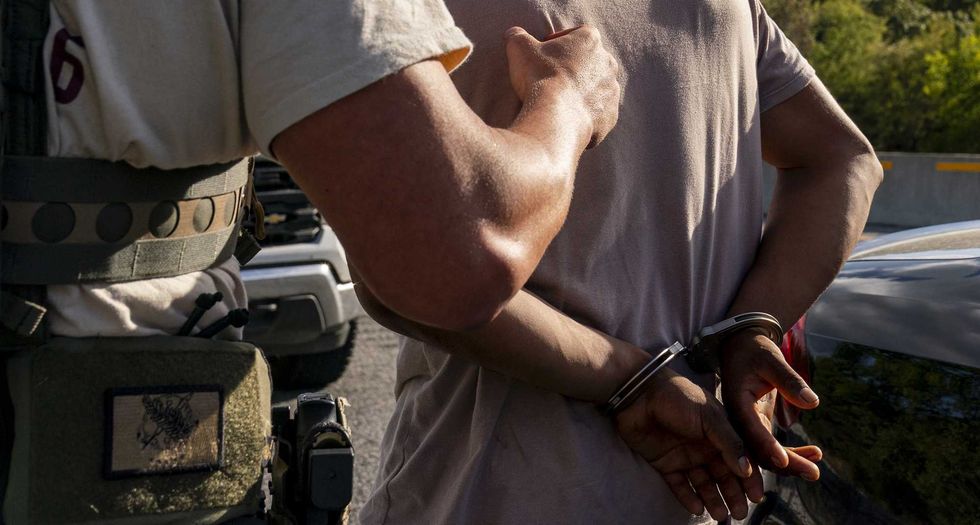
There have been examples of noncitizens who successfully registered to vote and illegally voted in multiple presidential elections. For example, in North Carolina, a Canadian citizen was sentenced to federal prison for making false claims of citizenship to vote in 2022 and 2024. In Maryland, a Colombian national assumed the identity of a U.S. citizen, registered, and voted in the 2020 and 2024 presidential elections.
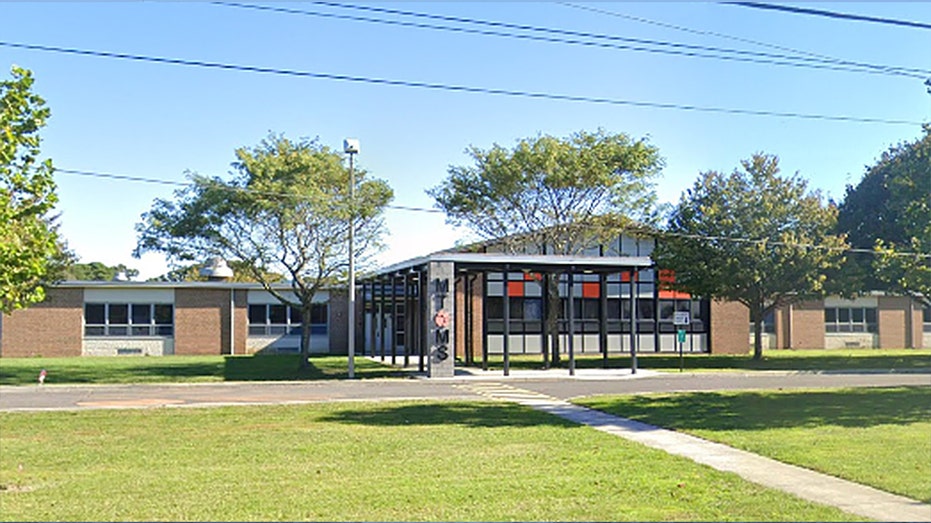
Of course, readers may remember Ian Roberts, the Guyanese national, who headed Des Moines Public Schools as superintendent, and who was found to be registered to vote in Maryland after being taken into custody. He was sentenced to two years for a variety of immigration and gun crimes, but has remained on the Maryland voter rolls.
There is increasing evidence that many states fail to implement any operational process of confirming citizenship, and significant failures have resulted in noncitizens being erroneously placed on official voter registration rolls across the country.
The improved SAVE Program has assisted states by providing a new online tool to fix an old problem in state-specific systems not often designed to catch noncitizens attempting to vote. In a recent federal legal complaint filed by Louisiana against the federal Election Assistance Commission to force the commission to approve proof of citizenship instructions in federal registration applications, the state detailed the irregularities and illegal voting they found when they compared the state registration rolls and voting history with the federal SAVE databases.
The analysis was shocking. It showed that 403 noncitizens had remained on Louisiana’s voter registration rolls over multiple election cycles. When officials took legal steps to remove the registrants by offering them the opportunity to provide evidence of citizenship, none of the 403 individuals were able to provide any valid documentation of citizenship. The noncitizen registrants were subsequently removed from voter rolls, and many were referred to prosecution.
Of the 403 noncitizens on the voter registration rolls, 83 had voted in at least one Louisiana election, and the remaining 320 had registered but had never voted in an election. Before their removal, 83 individuals had cast a total of 440 votes throughout their voting history before their removal. While the bad news was that hundreds of noncitizens were unfortunately identified on the official voter list, the good news is that the state made a concerted effort to review the voter list and made significant progress to remove known noncitizens from the voter rolls.
The SAVE Program does not just identify noncitizens; it also helps with identifying deceased voters. For example, North Carolina used the SAVE Program to review their entire voter registration list of 7.4 million records and identify approximately 34,000 deceased voters. The state is still reviewing the list of identified deceased and noncitizens prior to final removal.
The SAVE database was also able to identify deceased registrations of North Carolinians who had moved out of state prior to passing away. That information had never been communicated back to North Carolina election officials.
In explaining her proposal, Blackburn highlighted the popularity of maintaining accurate voter rolls, saying, “More than 80% of Americans want government officials at every level of government to eliminate all voter fraud, and they are fed up with Congress not acting. I will not rest until we pass election integrity measures in any way possible, which is why I am introducing the Election Security Partnership Act to ensure every state is using the SAVE Program and following Tennessee’s lead to restore faith in America’s elections.”
Graham pointed out that, “free, fair, and secure elections are the bedrock of our republic. However, Democrat-led states across the country have failed to enact common-sense election integrity measures to combat fraud and cheating.”
While the federal government should not have to pay states to clean up the voter registration rolls, the proposed grant program to use the SAVE database may incentivize states to do what they should already be doing and prioritize the accuracy of registration and voting.
More from this network:
Domains for Sale · GOTPeople.org · TheDSAPlatform · The Truth About Socialism
What's Your Reaction?
 Like
0
Like
0
 Dislike
0
Dislike
0
 Love
0
Love
0
 Funny
0
Funny
0
 Wow
0
Wow
0
 Sad
0
Sad
0
 Angry
0
Angry
0

I am just an average American. My teen years were in the late 70s and I participated in all that that decade offered. Started working young, too young. Then I joined the Army before I graduated High School. I spent 25 years in, mostly in Infantry units. Since then I've worked in information technology positions all at small family owned companies. At this rate I'll never be a tech millionaire. When I was young I rode horses as much as I could. I do believe I should have been a cowboy. I'm getting in the saddle again by taking riding lessons and see where it goes.
Premium domains for sale












Comments (0)