

Vance: Iran Deal Has ‘Successful Foundation’
Premium domains for sale
Freedom Is Back In Style
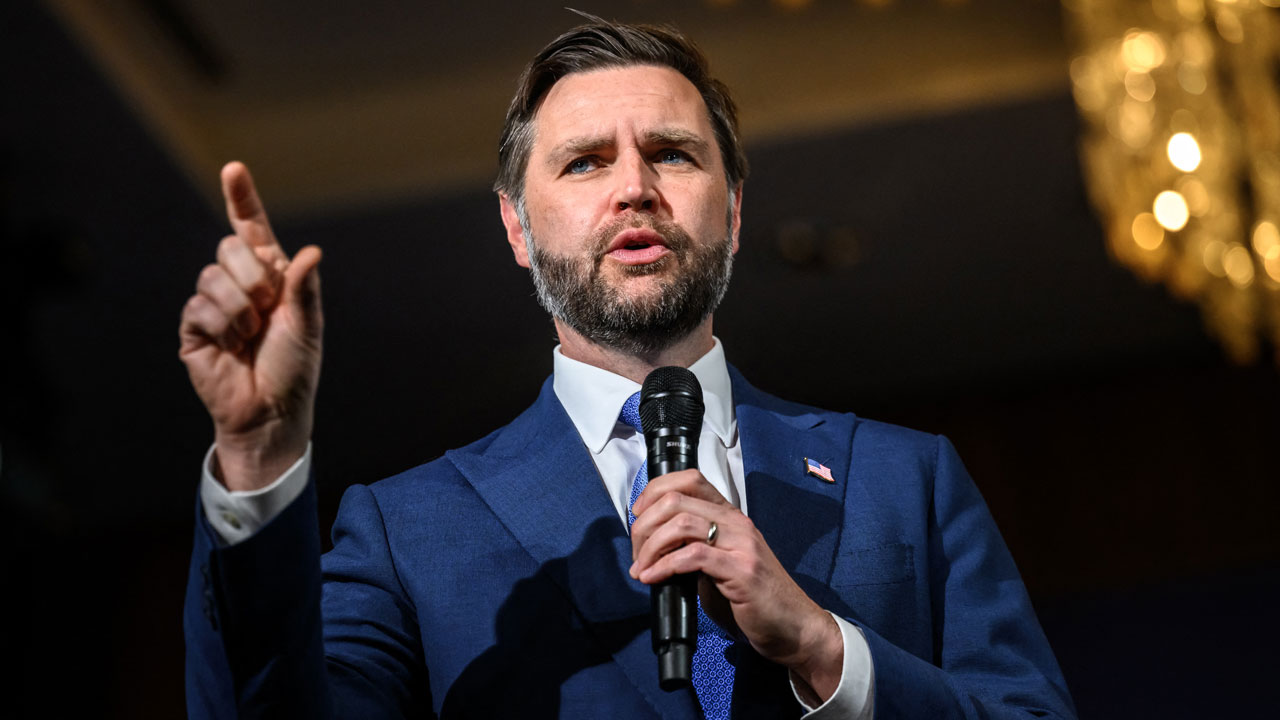
Vice President JD Vance spoke optimistically of peace talks between the United States and Iran on Monday, even as President Donald Trump has threatened to resume strikes if Iran doesn’t rein in regional allies, and congressional stakeholders have questioned whether America is getting a fair deal.
Freedom Is Back
In Style
Premium domains for sale
On Monday morning, Vance departed from Switzerland after talks with Iran in which Qatar and Pakistan served as intermediaries.
“The final deal is the house,” Vance said Monday morning. “We set the foundation. We haven’t built the house, but we’ve laid a successful foundation to get to a good place for the American people.”
Vance suggested Iran had indicated its willingness to allow International Atomic Energy Agency inspectors into the country to inspect its nuclear programs, although Iran has not said as much publicly.
He added “technical teams” would take over the negotiations that the memorandum of understanding has made possible.
The vice president also addressed the easing of sanctions, saying negotiators were considering unfreezing Iranian money so it could “go to buy American soy, American corn, and American wheat for the benefit of the Iranian people.”
Curt Mills, executive editor of the American Conservative, who has been critical of the administration’s military invention, said that the attempts to include pro-business provisions in the deal set these talks apart from those of the past.
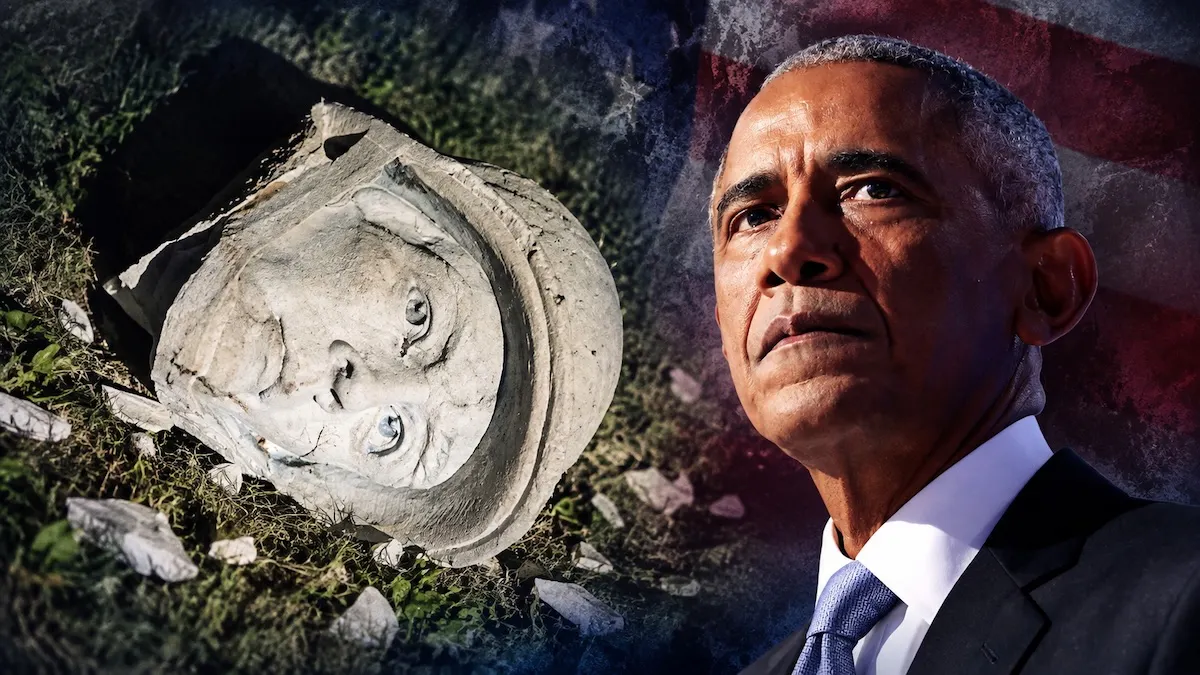
“There’s going to obviously be every effort to make this different and, frankly, sexier than the … Obama deal,” Mills told the Daily Signal, referring to President Barack Obama’s Joint Comprehensive Plan of Action, which attempted to curtail Iran’s ability to produce a nuclear weapon.
Trump was first elected president in 2016 as a harsh public critic of the deal, which, as a candidate, he called “the worst deal ever negotiated.”
Mills said talk of easing sanctions and a $300 billion fund for reconstruction in Iran is likely related to the fact American negotiators Jared Kushner and Steve Witkoff are investors in the region and because “the Iranians need to rebuild their country.”
Talk of freeing up money for the reconstruction in Iran has been controversial on Capitol Hill, including among Republicans.
Sen. Ted Cruz, R-Texas, recently told reporters, “I don’t want to see us send a penny to the ayatollah.”
Sen. John Cornyn, R-Texas, has similarly expressed concerns that Iran would “use the money that is being released to rebuild their ballistic missile arsenal and begin to enrich [uranium] again.”
The developing deal has had no cheerleaders among congressional Democrats.
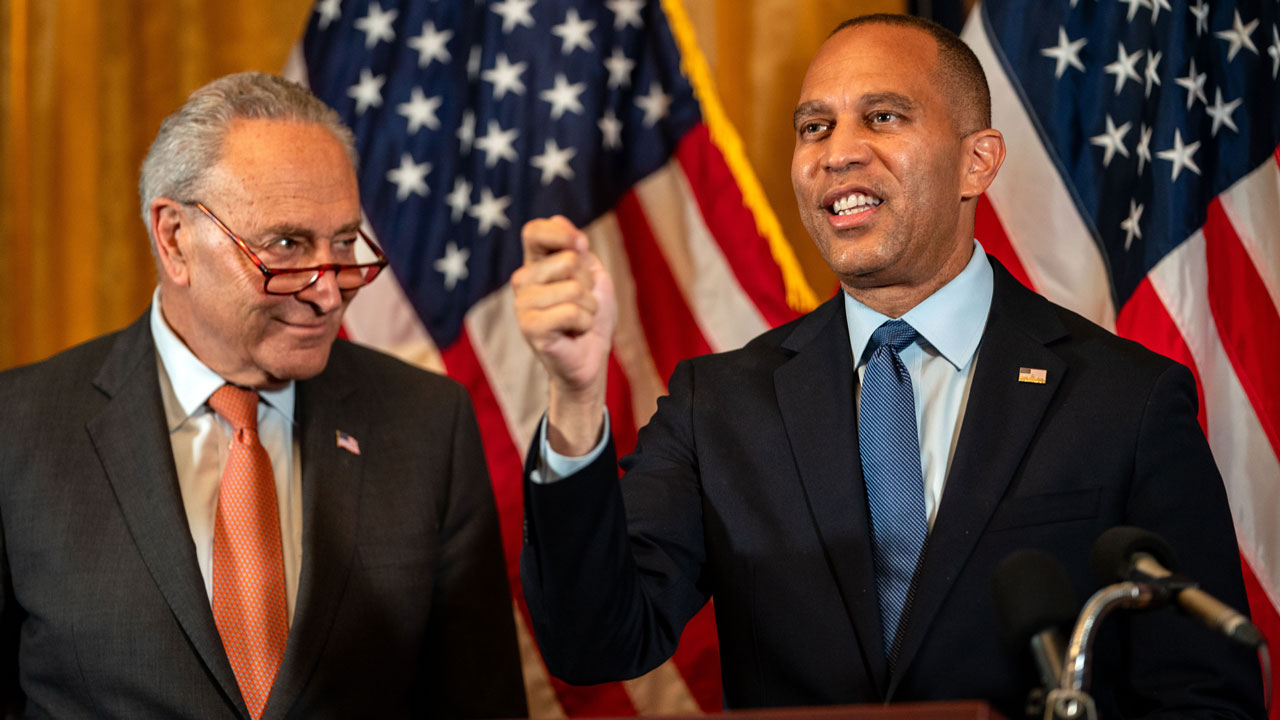
“Everyone that bought Trump’s book, ‘The Art of the Deal,’ ought to ask him for a refund,” Sen. Chuck Schumer, D-N.Y., said on the floor on Thursday amid reports of potential reconstruction aid for Iran.
The U.S. Constitution says the president’s treaty power requires “the Advice and Consent of the Senate … provided two thirds of the Senators present concur.”
However, the Joint Comprehensive Plan of Action was signed by Obama without congressional approval, side-stepping the Constitution’s treaty clause.
Congress then passed the Iran Nuclear Agreement Review Act in 2015, requiring the president to allow Congress to review future Iran nuclear deals.
The vice president’s conciliatory tone is a far cry from Trump’s public angling and occasional threats of military strikes.
On Sunday, the president urged Iran to rein-in proxies in Lebanon, threatening to “hit Iran very hard again” if they disobeyed.
Israeli and Hezbollah forces have continued to exchange strikes during the current ceasefire. Israel and Lebanon are not signatories of the memorandum of understanding that laid the groundwork for the current negotiations.
The same day, Trump said that if Iran shut off the Strait of Hormuz, then they “won’t have a country.”
Vance told reporters that Iranian negotiators in Switzerland “did threaten to walk out” after the president’s remarks, which he defended as a response to Iranian “trash talk.”
“What we told the Iranians yesterday is, when you guys engage in what us millennials might call ‘trash talk,’ you can’t expect the president of the United States not to respond and not to correct the record,” Vance said.
“So, yes, there was a little bit of threatening, there was a little bit of whining,” he added. “But at the end of the day, the talks continued and we made great progress.”
Related Posts



More from this network:
Domains for Sale · GOTPeople.org · TheDSAPlatform · The Truth About Socialism
What's Your Reaction?
 Like
0
Like
0
 Dislike
0
Dislike
0
 Love
0
Love
0
 Funny
0
Funny
0
 Wow
0
Wow
0
 Sad
0
Sad
0
 Angry
0
Angry
0

I am just an average American. My teen years were in the late 70s and I participated in all that that decade offered. Started working young, too young. Then I joined the Army before I graduated High School. I spent 25 years in, mostly in Infantry units. Since then I've worked in information technology positions all at small family owned companies. At this rate I'll never be a tech millionaire. When I was young I rode horses as much as I could. I do believe I should have been a cowboy. I'm getting in the saddle again by taking riding lessons and see where it goes.
Premium domains for sale










Comments (0)