

We’re losing children to diseases we already defeated
Premium domains for sale
Freedom Is Back In Style
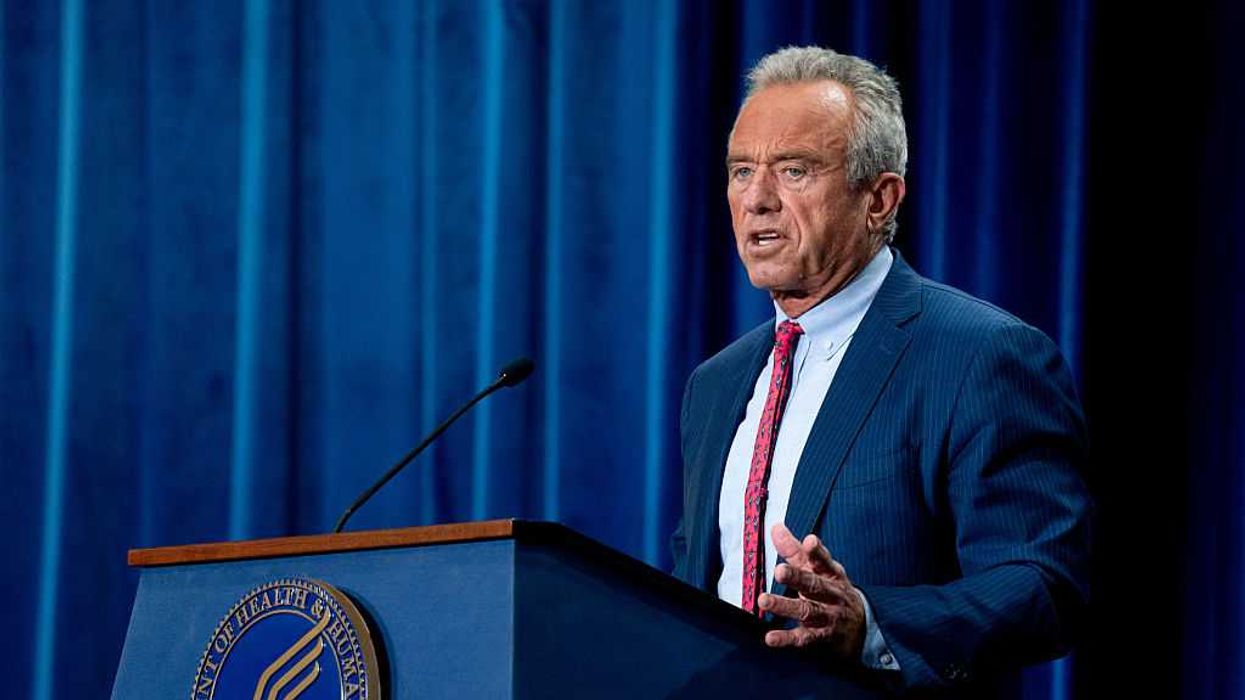
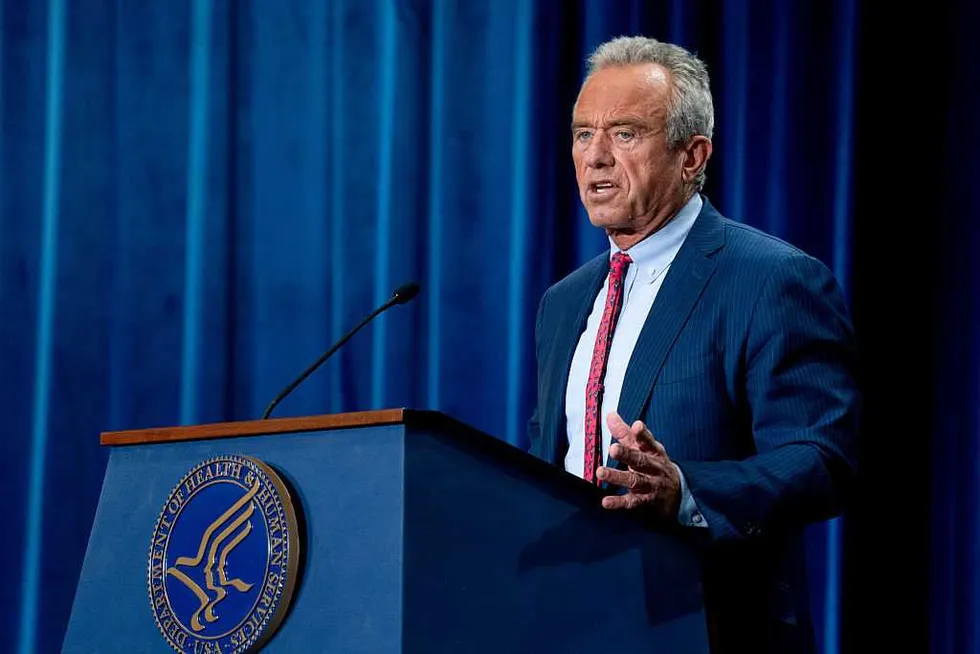
Over the past year, the Food and Drug Administration has done important work drawing attention to how food choices affect health. Health and Human Services Secretary Robert F. Kennedy Jr. deserves credit for shining a light on food additives and America’s dependence on processed foods.
Freedom Is Back
In Style
Premium domains for sale
Freedom Is Back
In Style
Premium domains for sale
I’m a registered nurse and a mother. I applaud that work. But I also need to ask a hard question: Why aren’t childhood vaccines getting the same attention and urgency?
We don’t force anyone to vaccinate. We shouldn’t. But we do owe families accurate information about the real risks of preventable diseases and the real protection vaccines provide.
I’ve spent years in intensive care watching people of all ages fight respiratory illness. Even with experience, it’s brutal to see a patient cling to life through ventilators, intubation, or ECMO machines.
Last year, I watched in horror as a measles outbreak took the lives of two unvaccinated children in Texas. Whooping cough killed two infants in Louisiana. Closer to home, my own child caught whooping cough. It was frightening and exhausting to see how coughing fits made it almost impossible for him to catch his breath.
He was old enough to have received his vaccines. I believe that reduced the severity of his illness and likely kept him out of the hospital. That experience leaves me with one request to RFK: Give childhood vaccines the same serious focus you’ve given food safety.
Kennedy says he cares about children. I believe him. That’s why I’m urging him to speak clearly about routine childhood immunizations — because I’ve seen what happens when preventable diseases return.
Hospitals are treating illnesses that routine vaccines usually prevent or blunt. Last year, the CDC reported an increase in meningococcal disease, a dangerous illness that immunization can prevent. South Carolina is dealing with a record-breaking measles outbreak. These diseases can bring devastating outcomes: brain swelling from measles; brain damage, limb loss, or deafness from meningococcal infection.
Gaps in routine immunization also open the door to pathogens we once had under control. A paralytic polio case in an unvaccinated person in New York in 2022 underscored what’s at stake: Irreversible paralysis still remains possible when vaccination rates fall.
Childhood vaccines rank among public health’s most effective tools. They prevent outbreaks and protect children from serious infections and lifelong complications. They also fit comfortably inside a conservative framework. They’re voluntary. They’re widely available. They’ve been used for decades. Parents make informed choices for their families.
RELATED: MAHA is sick: RFK’s FDA is drifting the wrong way
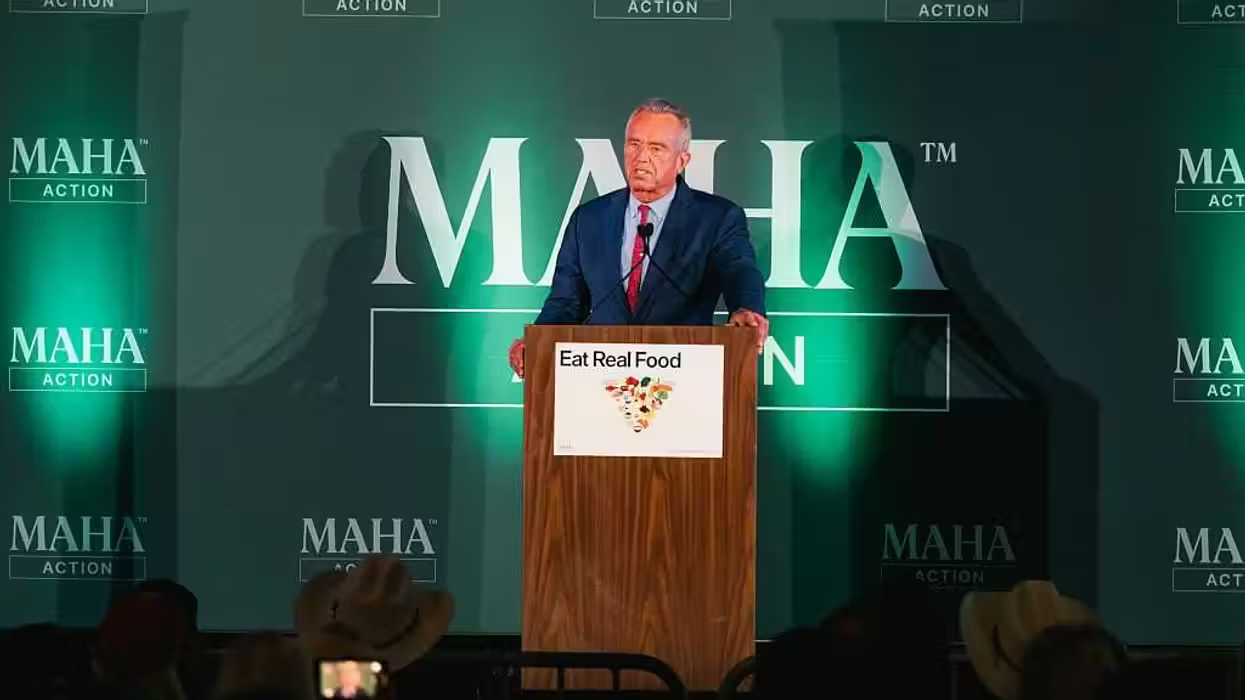 Jordan Vonderhaar/Bloomberg via Getty Images
High vaccination rates also protect the most vulnerable. They reduce transmission, which helps safeguard infants too young to be vaccinated and children with medical conditions that keep them from receiving certain shots. That means fewer hospitalizations, less strain on health care systems, and healthier schools and communities.
That’s why recent messaging from Washington worries me. Telling Americans to “talk to your doctor” sounds reasonable, until you face the reality on the ground. Roughly one-third of Americans lack access to primary care, and many children don’t have a regular provider. For millions of families, “talk to your doctor” translates to “you’re on your own.”
Parents in small towns and working-class neighborhoods don’t always have easy access to specialists who can walk them through immunization questions. They want to do the right thing. They need clear, trustworthy guidance from national health leaders — not signals that create doubt about vaccines that protect kids.
Vaccine conversations can get sensitive fast. Parents have questions, and they deserve honest answers. But they also deserve clear, consistent leadership that says what decades of evidence has shown: Routine childhood immunization works, and it protects children.
We don’t force anyone to vaccinate. We shouldn’t. But we do owe families accurate information about the real risks of preventable diseases and the real protection vaccines provide.
As a nurse, I work to prevent harm. As a mother, I refuse to accept a return to diseases we already know how to stop. As a conservative, I don’t want to break systems that save lives.
We can make America healthy again by tackling chronic disease and by protecting kids from preventable infections. These goals don’t compete. They reinforce each other.
What's Your Reaction?
 Like
0
Like
0
 Dislike
0
Dislike
0
 Love
0
Love
0
 Funny
0
Funny
0
 Wow
0
Wow
0
 Sad
0
Sad
0
 Angry
0
Angry
0

I am just an average American. My teen years were in the late 70s and I participated in all that that decade offered. Started working young, too young. Then I joined the Army before I graduated High School. I spent 25 years in, mostly in Infantry units. Since then I've worked in information technology positions all at small family owned companies. At this rate I'll never be a tech millionaire. When I was young I rode horses as much as I could. I do believe I should have been a cowboy. I'm getting in the saddle again by taking riding lessons and see where it goes.
Premium domains for sale




Comments (0)