

What Washington Learned In The 30 Years Since Welfare Reform
Premium domains for sale
Freedom Is Back In Style
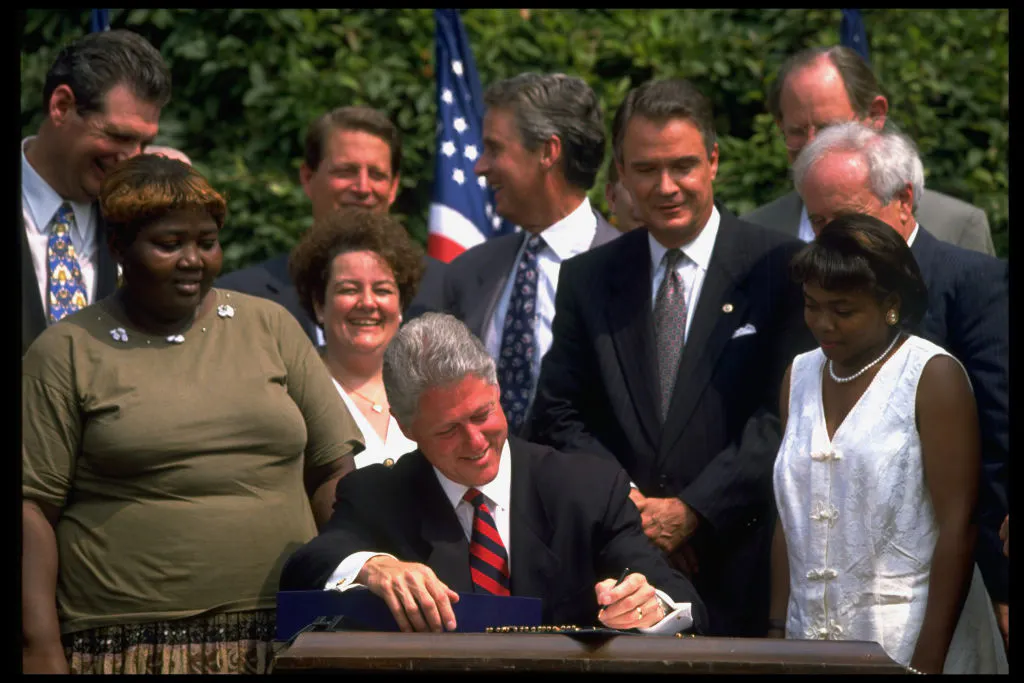
On August 22, 1996, President Bill Clinton signed the Personal Responsibility and Work Opportunity Reconciliation Act, fulfilling his promise to “end welfare as we know it.” Democrats and Republicans had spent years fighting over the details and arrived at the same conclusion: Welfare should help people get back to work, not pay them to stay home.
Freedom Is Back
In Style
Premium domains for sale
Bipartisan welfare reform was a momentous achievement. But 30 years later, we’ve learned that lasting reform can’t be one celebratory moment. It must be an ongoing process, with ironclad resistance to loopholes and “interpretation.”
What they replaced was a system that for decades had all but guaranteed the opposite.
Under the old Aid to Families with Dependent Children, an open-ended entitlement, the more a state grew its welfare rolls, the more federal money it collected. There were no enforceable work requirements, nor were there any limits on how long a family could stay on the program, trapping generations of Americans in the cycle of dependency.
The 1996 law swapped the open-ended entitlement for a fixed block grant called Temporary Assistance for Needy Families (TANF), set a five-year lifetime limit, and required states to show that a real share of their caseload was working, training, or looking for a job, with penalties attached if they came up short.
It worked.
Cash welfare caseloads fell by an estimated 59% between the mid-1990s and the early 2000s. Roughly 2.4 million people moved from welfare to work between 1996 and 2000, accounting for 18% of all employment growth in the country. The U.S. Department of Agriculture’s own model found that the shift added 1.6 percentage points to real GDP. Millions of families traded government checks for a paycheck they earned.
That’s the celebration side of this 30th anniversary. The other side is the hard lessons welfare reform advocates have had to learn since its implementation.
A work requirement is only as strong as its enforcement, and wherever the 1996 law left gaps open for interpretation, states and federal agencies found the cracks, moved in, and their erosion over time created chasms.
It started with the administration that signed the bill. In its final days, President Clinton’s Agriculture Department gave states a way to waive work requirements for able-bodied adults in areas with plenty of jobs. Congress had written that waiver for communities where work was genuinely scarce. States gerrymandered the maps to exempt as many people as they could.
In TANF, states exploit the Caseload Reduction Credit. A state can hit its federal work participation goal just by kicking people off the program or letting them leave, which makes the percentage of remaining workers look better even if the people who left never found jobs. They can make that goal even easier by counting extra money the state already spends on other programs and benefits for low-income people, which gives them bonus points that lower the percentage they have to reach. Thanks to this credit loophole, 39 states effectively have no work requirement for TANF — all but shutting down the vision Democrats and Republicans had for welfare in 1996.
Instead of addressing the manipulation, Washington kept widening the gaps for states to exploit.
And they weren’t even subtle about it. President Barack Obama considered just letting states waive the cash welfare work requirement altogether, instead of what they were doing: abusing loopholes.
During the pandemic, President Joe Biden opened the floodgates to record numbers of ineligible enrollees by suspending food stamp work requirements and freezing Medicaid eligibility checks for several years — even when the market recovered.
The radical shift from “Welfare shouldn’t be a way of life” to “welfare for all” in just three decades is alarming and made the One Big Beautiful Bill all the more critical — and historic.
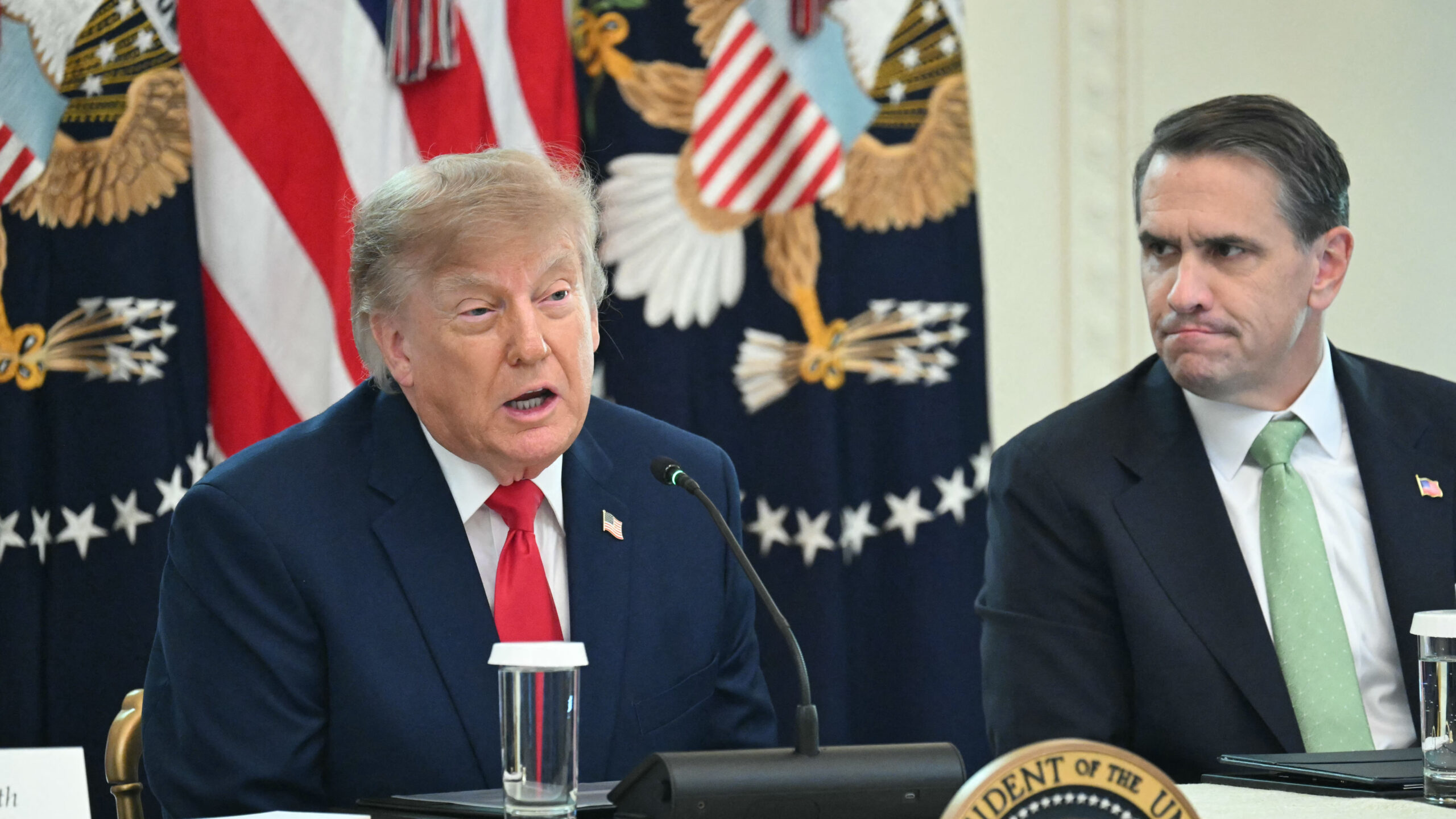
President Donald Trump and congressional Republicans learned from all the loopholes and pivots, and guidance that eroded life-changing welfare reform and shut it down.
The One Big Beautiful Bill scales back the waivers and exemptions, closes loopholes, extends work requirements to Medicaid for the first time at the federal level, locks in food stamp spending levels, ends the provider-tax scheme states used to pull down extra Medicaid dollars, and makes states pay a share when their error rates run high. It leaves far less to interpretation than the 1996 law did.
This new law has proven once more that reform is a process, not just a moment. Even with much less wiggle room, states are already suing to block the law and testing workarounds to game the system instead of trying to reduce fraud and corruption in their welfare systems.
Thirty years ago, both parties agreed that welfare should be a bridge back to work. Thirty years later, President Trump and Republicans in Congress are rebuilding that bridge, learning from the tough lessons, and protecting the safety net for the truly needy by closing the loopholes that have eroded it for decades.
***
Jonathan Bain is a Senior Research Fellow at the Foundation for Government Accountability.
More from this network:
Domains for Sale · GOTPeople.org · TheDSAPlatform · The Truth About Socialism
What's Your Reaction?
 Like
0
Like
0
 Dislike
0
Dislike
0
 Love
0
Love
0
 Funny
0
Funny
0
 Wow
0
Wow
0
 Sad
0
Sad
0
 Angry
0
Angry
0

I am just an average American. My teen years were in the late 70s and I participated in all that that decade offered. Started working young, too young. Then I joined the Army before I graduated High School. I spent 25 years in, mostly in Infantry units. Since then I've worked in information technology positions all at small family owned companies. At this rate I'll never be a tech millionaire. When I was young I rode horses as much as I could. I do believe I should have been a cowboy. I'm getting in the saddle again by taking riding lessons and see where it goes.
Premium domains for sale






















Comments (0)