

Whose past predicts your future?
Premium domains for sale
Freedom Is Back In Style
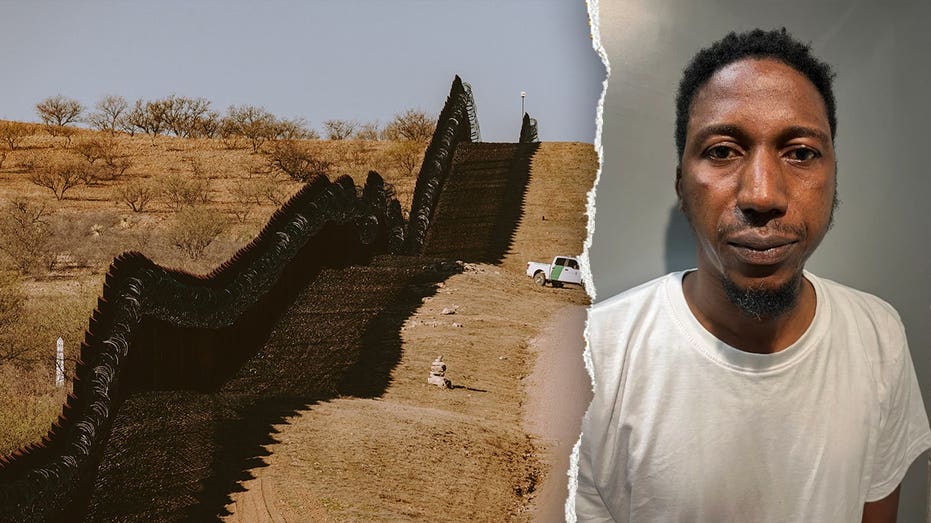
Watching the reports out of Old Dominion University following the terrorist attack last month, the details came in the way they always do. Confusion. Fear. Families waiting for answers that arrive agonizingly slow.
Freedom Is Back
In Style
Premium domains for sale
There are no clever observations for moments like this. Only grief, a sober anger at what has been done, and a quiet respect for those who move toward danger despite the risks.
In the hours that followed, law enforcement stood before the microphones and said something familiar about the terrorist.
Past behavior predicts future performance.
The gospel does not offer a refined version of our past. It replaces it.
It was not delivered with edge or indignation. It sounded more like a sigh, the kind that comes from seeing the same pattern unfold one too many times.
We all understand what that means.
As Americans stood in grief, that phrase was repeated as the events were recounted. Members of the media, pundits, and political officials picked it up as well, and it echoed for days. And it lingered. You know how some phrases land hard and stay with you?
Past behavior predicts future performance.
I couldn’t shake it. It followed me for several weeks. As Easter approached, that phrase pressed further.
While the pattern is clearly seen in terrorists and career criminals, the harder question is whether that diagnosis is limited to them. Or does that diagnosis reach further — into the human condition itself?
The apostle Paul describes the same struggle with unsettling honesty, doing what he does not want to do and returning to what he knows he should leave behind. The issue is not merely what we do, but what we are by nature.
That uncomfortable truth points to something we recognize much closer to home — not in acts of terror or even criminal behavior, but in patterns we cannot seem to break. We see that uncomfortable truth in the anger that resurfaces, the grudges we carry, the actions we excuse and quietly return to.
Our actions are different in degree, certainly. They are not the same in consequence — but not unrelated.
Scripture does not blur those distinctions, but it does press deeper than behavior. And that is where the discomfort settles in.
RELATED: Scripture or slogans — you have to choose
 Godong/Universal Images Group/Getty Images
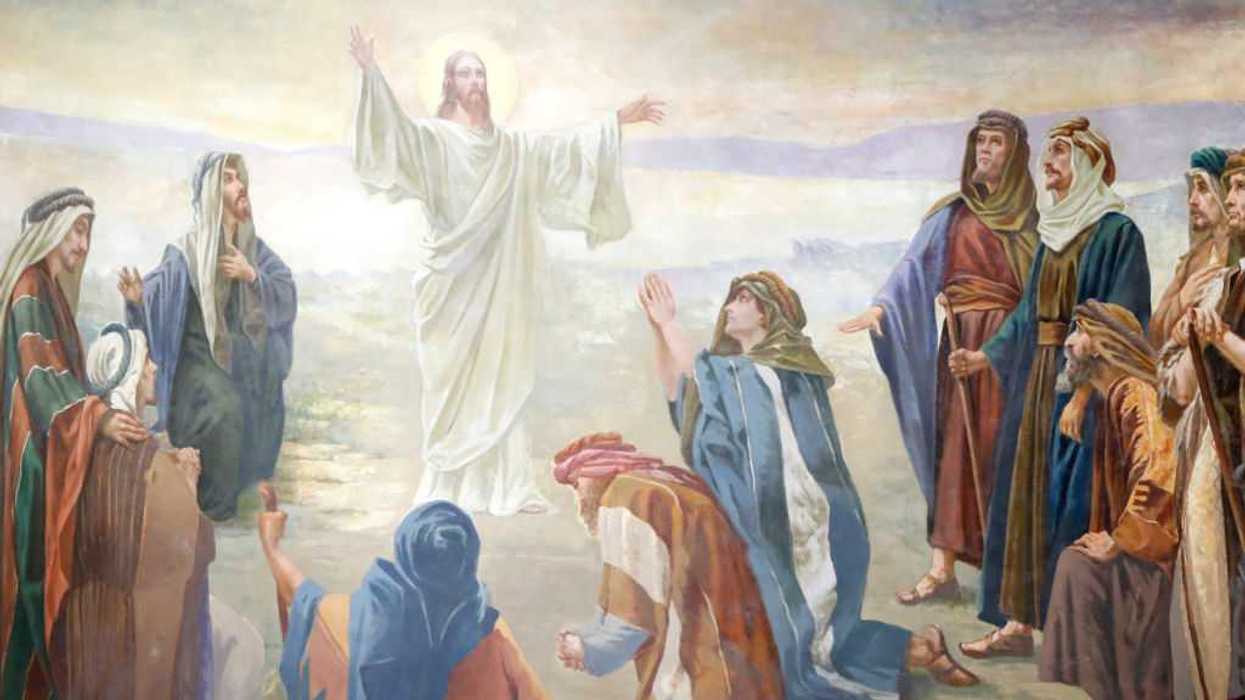
Because if this is not just “out there,” then we are not merely observers of the pattern. It’s one thing to recognize the pattern in others. It’s another to consider whether it touches us as well. And that raises a question most of us would rather not sit with for long.
Are we simply watching something broken in the world, or are we looking at something that runs through us as well?
Because if it is the latter, then the problem is not occasional, but continual.
It is not just in headlines, it is in our hearts. And that is a harder place to stay.
Because if the future depends on us, then the trajectory is not uncertain. It is already set.
Our culture often insists that we are basically good people.
If so, then why would we need a savior? If not, then what are the implications?
The men who framed this country wrestled with that thought. They did not build a system on the assumption that people would consistently do what is right or that they are basically good. They built a government filled with oversight that restrains what is wrong, because they knew what resides in the human heart eventually shows up in government.
Which raises a harder question than any press conference can answer.
What breaks the pattern?
Because history suggests we do not. We adjust, we regulate, we respond, and all of that has its place. But none of it reaches far enough to change what drives the pattern in the first place.
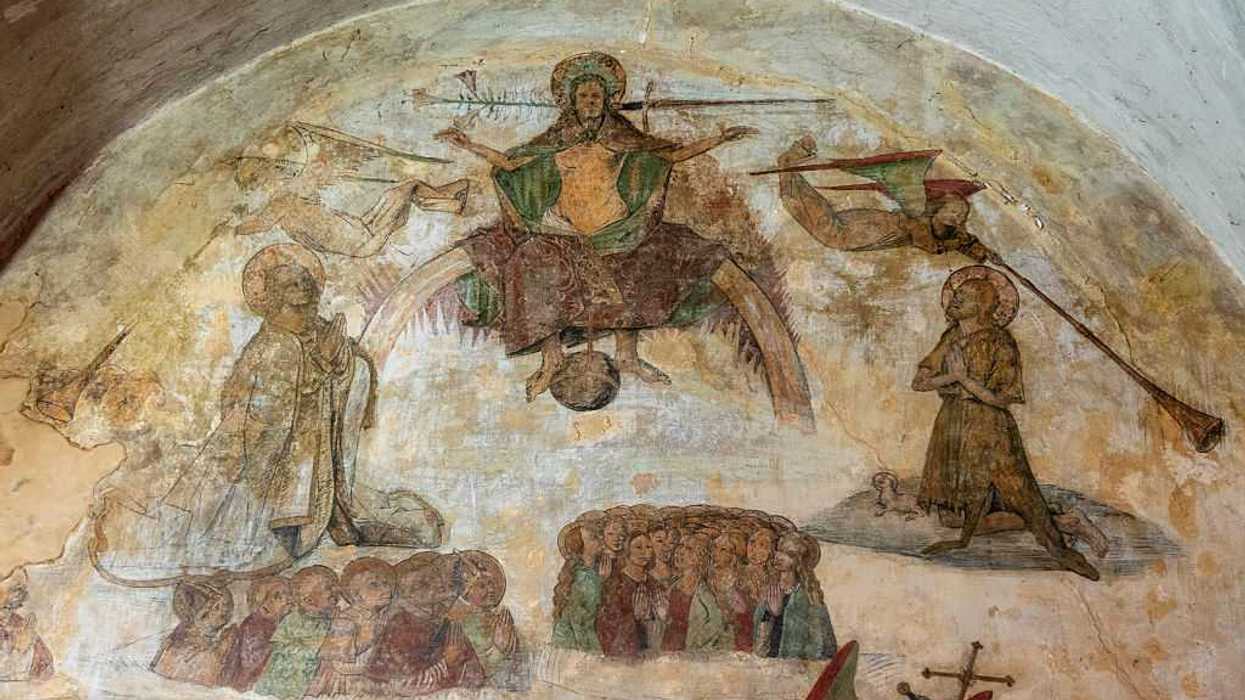
And this is precisely where Easter speaks.
RELATED: Where Easter really comes from
 Bernard Jaubert/UCG/Universal Images Group/Getty Images
It's not that people try harder or gradually become better versions of themselves. Left to ourselves, we cannot change. We must be changed.
The gospel does not offer a refined version of our past. It replaces it. Not my record, but His. Not a cleaned-up life, but a different standing altogether.
What Scripture calls sin is not managed at the cross. It is judged. And what we could not produce is given.
That is why the Resurrection matters.
Because death has always been the final confirmation that the pattern holds. It is where every life, left to itself, arrives. But if death itself is overturned, then the pattern it confirms is no longer absolute.
Something has interrupted it.
The apostle Paul captured it in a single phrase:
“And such were some of you” (1 Corinthians 6:11).
Were.
Left to ourselves, the pattern holds. It always has. But Easter declares that we are not left to ourselves.
Past behavior may predict future performance. It often does. But it is no longer the final authority.
Because the One who stepped into history, took our past upon Himself, and walked out of the grave now defines the future of all who belong to Him.
Not a second chance or a fresh start, but a new standing.
Not my record, but His. And that changes everything.
More from this network:
Domains for Sale · GOTPeople.org · TheDSAPlatform · The Truth About Socialism
What's Your Reaction?
 Like
0
Like
0
 Dislike
0
Dislike
0
 Love
0
Love
0
 Funny
0
Funny
0
 Wow
0
Wow
0
 Sad
0
Sad
0
 Angry
0
Angry
0

I am just an average American. My teen years were in the late 70s and I participated in all that that decade offered. Started working young, too young. Then I joined the Army before I graduated High School. I spent 25 years in, mostly in Infantry units. Since then I've worked in information technology positions all at small family owned companies. At this rate I'll never be a tech millionaire. When I was young I rode horses as much as I could. I do believe I should have been a cowboy. I'm getting in the saddle again by taking riding lessons and see where it goes.
Premium domains for sale


















Comments (0)