

Why gas prices won’t be dropping — and how you can minimize the pain
Premium domains for sale
Freedom Is Back In Style

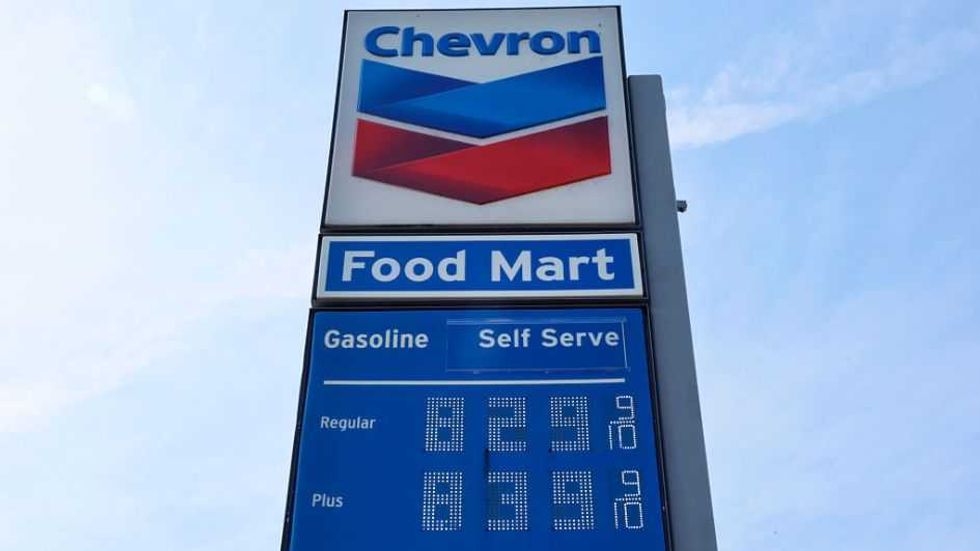
On the latest episode of “The Drive with Lauren and Karl,” Karl Brauer and I talked about something every driver notices before almost anything else: the number on the pump.
Freedom Is Back
In Style
Premium domains for sale
And lately, those numbers have been going the wrong direction.
Sitting in a drive-through line for coffee, food, or dry cleaning may not feel like a big deal, but zero miles per gallon is still zero miles per gallon.
I was reminded of that the hard way when I filled my diesel SUV and saw the price climb past $5 a gallon. Karl had it even worse in California, where he paid more than $6 a gallon and described a friend filling a heavy-duty Ram for $167.
That’s not a small nuisance. For many drivers, it’s a direct hit to the household budget.
Fleeting relief
The frustrating part is that gas prices had started to moderate. As domestic production improved, prices eased. Diesel came down. Regular gas came down. Drivers finally got a little breathing room.
Now that relief is fading.
The reason is simple: Fuel prices do not respond only to what is happening at your local gas station. They respond to what is happening around the world. Global instability, supply concerns, and broader energy-market pressure push prices up quickly. And when that happens, drivers feel it immediately.
That is especially true in places like California, where prices are already higher than the rest of the country. When fuel rises nationally, it rises even more there.
For consumers, that means the practical question is no longer why it’s happening. It’s what to do about it.
Shop around
There is no magic fix, and no one is suggesting drivers can “budget” their way out of a price spike. But there are a few ways to reduce the damage.
The first is obvious: Shop around.
Apps like GasBuddy, AAA, and other fuel price trackers can help drivers compare prices before they fill up. The information is not always perfect, but it’s often good enough to spot the worst stations and find better options nearby. Membership clubs like Costco or BJ’s can also make a meaningful difference if you already belong and can tolerate the wait.
And that is the catch. When gas prices spike, everyone has the same idea. Those discount stations get crowded fast.
Fuel for thought
That makes another point more important than people realize: Avoid wasting fuel when you do not need to.
That means thinking harder about the little convenience habits most drivers don’t notice when gas is cheap. Sitting in a drive-through line for coffee, food, or dry cleaning may not feel like a big deal, but zero miles per gallon is still zero miles per gallon. If you can park, go inside, and get out faster, that saves fuel and time.
The same goes for trip planning.
If prices stay high, it makes sense to consolidate errands, reduce unnecessary driving, and stop making multiple short trips when one will do. It sounds simple because it is simple. But simple matters when every fill-up costs more than it should.
RELATED: Start-stop was just hit by the EPA. Now comes the real test.
 Heritage Images/Getty Images
No safe haven
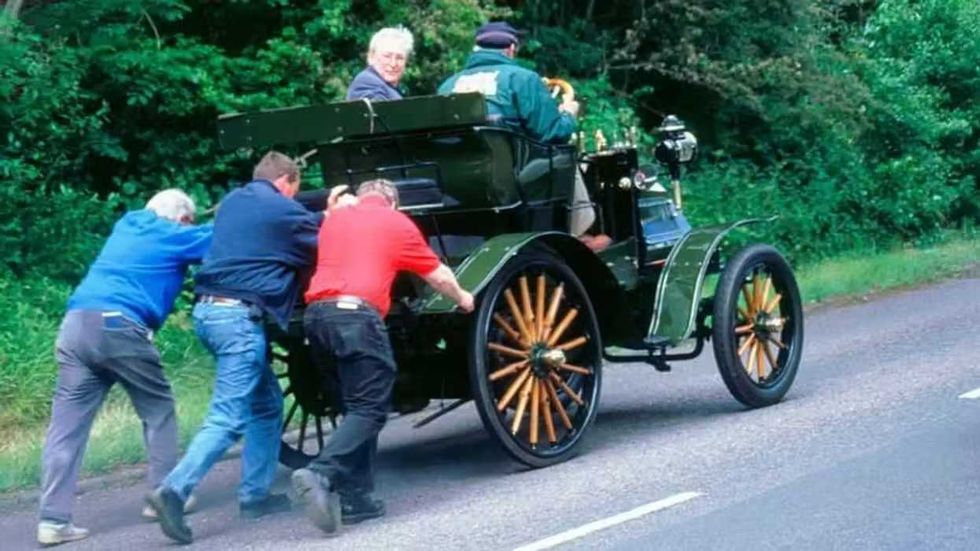
Vehicle condition matters too.
Checking tire pressure once a month can make a real difference in fuel economy. Underinflated tires increase rolling resistance and cost you money over time. It’s not glamorous, but it’s one of the easiest ways to improve efficiency without changing vehicles or spending money.
The same logic applies across power trains.
If you drive a hybrid, you still use fuel. If you drive an EV, electricity has gotten more expensive too. There is no completely insulated category of driver anymore. Energy costs hit everyone one way or another.
That reality matters because it resets the conversation. This is not just about gas stations. It is about transportation costs broadly rising again.
Domino effect
And once that happens, everything else gets more expensive too.
Delivery fees go up. Services cost more. Operating a truck or SUV becomes harder to justify for some families, even if they need the capability. People start changing habits not because they want to, but because they have to.
That is why fuel prices always matter politically and economically. They are not just one more cost. They touch almost everything.
For now, the best drivers can do is limit waste, shop smart, and be realistic. Prices may come down again eventually, but they are not likely to stabilize until the broader global picture does.
Until then, drivers are back where they’ve been too many times before: staring at the pump and doing the math.
More from this network:
Domains for Sale · GOTPeople.org · TheDSAPlatform · The Truth About Socialism
What's Your Reaction?
 Like
0
Like
0
 Dislike
0
Dislike
0
 Love
0
Love
0
 Funny
0
Funny
0
 Wow
0
Wow
0
 Sad
0
Sad
0
 Angry
0
Angry
0

I am just an average American. My teen years were in the late 70s and I participated in all that that decade offered. Started working young, too young. Then I joined the Army before I graduated High School. I spent 25 years in, mostly in Infantry units. Since then I've worked in information technology positions all at small family owned companies. At this rate I'll never be a tech millionaire. When I was young I rode horses as much as I could. I do believe I should have been a cowboy. I'm getting in the saddle again by taking riding lessons and see where it goes.
Premium domains for sale



















Comments (0)