

‘Will Not Tolerate’: Rubio Hits Cuban Bank For Helping Blacklisted Iranian Lender
Premium domains for sale
Freedom Is Back In Style
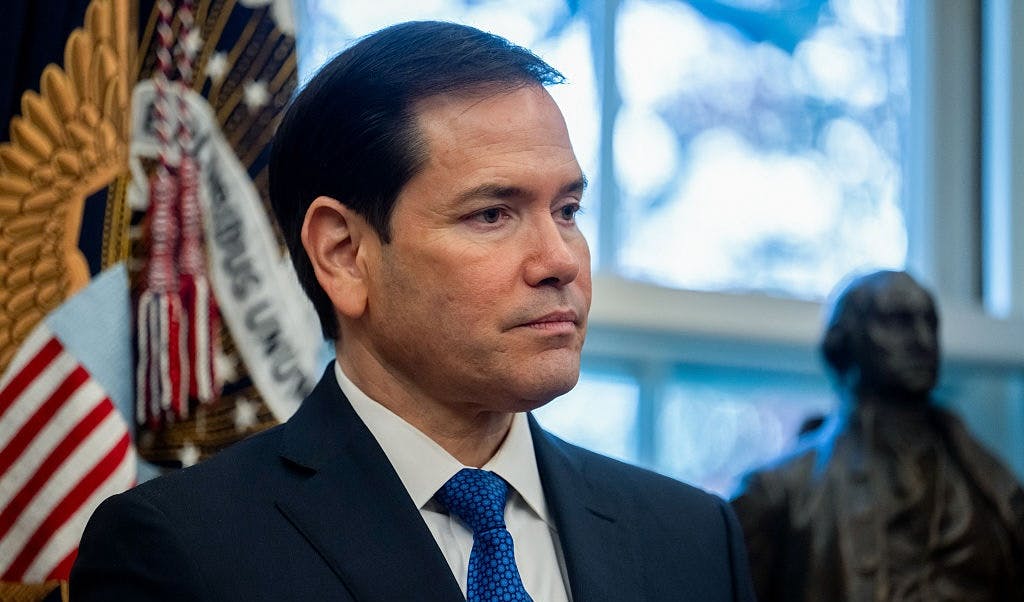
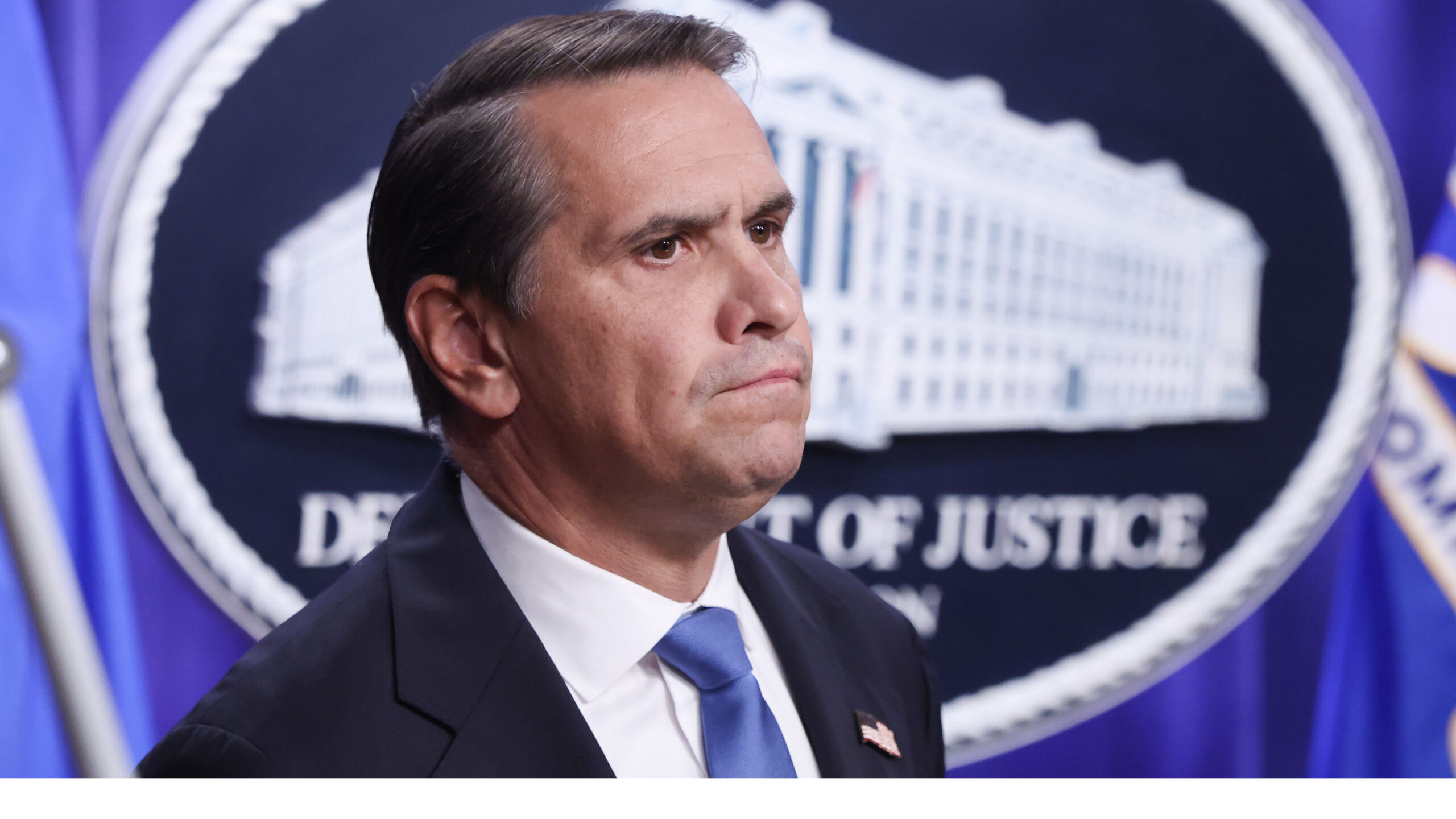
Secretary of State Marco Rubio dropped the hammer on Communist Cuba’s banking system Thursday, sanctioning a state-owned bank he says has been servicing a blacklisted Iranian lender for years.
Freedom Is Back
In Style
Premium domains for sale
Banco Internacional de Comercio S.A., known as BICSA, has provided services to Iran’s Karafarin Bank since at least 2022, according to the State Department. Treasury sanctioned Karafarin in 2020 as part of a crackdown on Iran’s financial sector.
“For too long, Communist Cuba has been allowed to operate as an outpost for malign actors and terror groups,” Rubio declared, singling out Iran as “the world’s number one state sponsor of terrorism.”
“The Trump Administration will not tolerate a rogue state hosting hostile foreign military, intelligence and terror operations less than a hundred miles from the American homeland,” he warned.
The move came alongside a Treasury action targeting Iranian financial actors. Rubio vowed to keep hunting down the Cuban regime’s financial and security ties to Iran and other “dangerous and hostile” actors.
The sanctions block any BICSA assets in the U.S. or in the possession or control of U.S. persons. U.S. persons were already generally prohibited from doing business with the bank without authorization. The action also put foreign banks on notice: certain dealings with sanctioned parties could expose them to sanctions. The executive order authorizes penalties against foreign persons operating in Cuba’s financial, energy, defense, mining, or security sectors.
Karafarin sits on Treasury’s Specially Designated Nationals list, restricting its access to the global financial system. That makes a lifeline from Havana all the more valuable.
The Cuba–Iran romance goes back to the 1979 Islamic Revolution, built on a shared hatred of Washington rather than trade.
Fidel Castro visited Tehran in 2001 and defended Iran’s nuclear program. In 2006, Cuba was one of only three countries, along with Syria and Venezuela, to vote against referring Iran’s nuclear dossier to the U.N. Security Council.
A July State Department report branded Iran one of Cuba’s main strategic partners. It accused Havana of providing intelligence, political and strategic support to Tehran and its terror proxies.
When the U.S. and Israel went to war with Iran in February, President Miguel Díaz-Canel’s government condemned the strikes as a violation of international law. After Supreme Leader Ali Khamenei was killed, Díaz-Canel signed a condolence book, and Cuba pledged its “unwavering support” to Tehran.
Thursday’s action is the latest blow in a relentless pressure campaign. It comes six weeks after Washington blacklisted another state-owned lender, Banco Exterior de Cuba.
The sanctions were issued under a May 1 executive order authorizing sweeping penalties on the island. In June, Rubio used that order to sanction Díaz-Canel himself, along with his wife and stepson. He also hit Raúl Castro’s son Alejandro Castro Espín, a key figure in Cuba’s intelligence apparatus, and Cuba’s Ministry of the Revolutionary Armed Forces, which controls huge chunks of the economy.
Rubio, the son of Cuban exiles, has pushed back on reports of a softer approach. In March he blasted a New York Times story claiming Washington was negotiating a leadership swap in Havana, accusing the media of relying on “charlatans & liars.”
The message from the State Department is clear: Cuba’s ties to Tehran come with a price.
More from this network:
Domains for Sale · GOTPeople.org · TheDSAPlatform · The Truth About Socialism
What's Your Reaction?
 Like
0
Like
0
 Dislike
0
Dislike
0
 Love
0
Love
0
 Funny
0
Funny
0
 Wow
0
Wow
0
 Sad
0
Sad
0
 Angry
0
Angry
0

I am just an average American. My teen years were in the late 70s and I participated in all that that decade offered. Started working young, too young. Then I joined the Army before I graduated High School. I spent 25 years in, mostly in Infantry units. Since then I've worked in information technology positions all at small family owned companies. At this rate I'll never be a tech millionaire. When I was young I rode horses as much as I could. I do believe I should have been a cowboy. I'm getting in the saddle again by taking riding lessons and see where it goes.
Premium domains for sale









Comments (0)