

You came for a fair trial. Your jury came to change the world.
Premium domains for sale
Freedom Is Back In Style
A jury has one job: to decide a criminal case on the evidence and the law. That’s it. When jurors approach a verdict as a chance to advance a cause, even the strongest prosecution can fail before the first witness testifies.
Freedom Is Back
In Style
Premium domains for sale
Comments after the Lindsay Clancy mistrial raise troubling questions about whether some jurors understood why they were there. They also suggest that prosecutors had a serious problem by the time the jury took its oath.
No juror’s political ambition, sympathy, or preferred message can relieve that juror of the duty to follow the law.
Every stage of a trial gives lawyers a chance to shape how jurors see the case. An opening statement establishes a theory. Testimony and exhibits support it. Closing arguments offer a final opportunity to persuade. But no argument can overcome a juror’s refusal to follow the court’s instructions. Jury selection must identify people who intend to use a verdict to send a message rather than judge the case before them.
I have tried high-pressure cases as a New Jersey prosecutor and obtained convictions in multiple homicides. I have also lost trials. I know how difficult this work is. My concern goes beyond individual prosecutors' performance: Did the selection process produce a jury prepared to decide this case solely on its merits?
Juror Paula Devlin said the panel “knew that this was a turning point, and this would be something that could change something to make it better for other women in the future, for other families.”
Devlin was seeking social change. But she and her fellow jurors had a narrower obligation: decide whether prosecutors proved Clancy’s criminal responsibility beyond a reasonable doubt. A desire to improve life for other women cannot answer that question.
Jurors also described the prosecution as harsh, biased, and unprofessional while praising the defense’s compassion. Lawyers can alienate jurors, and criticism of their conduct does not itself establish bias. But compassion for a defendant cannot substitute for applying the legal standard. Devlin’s remarks give prosecutors reason to examine whether some jurors confused those duties.
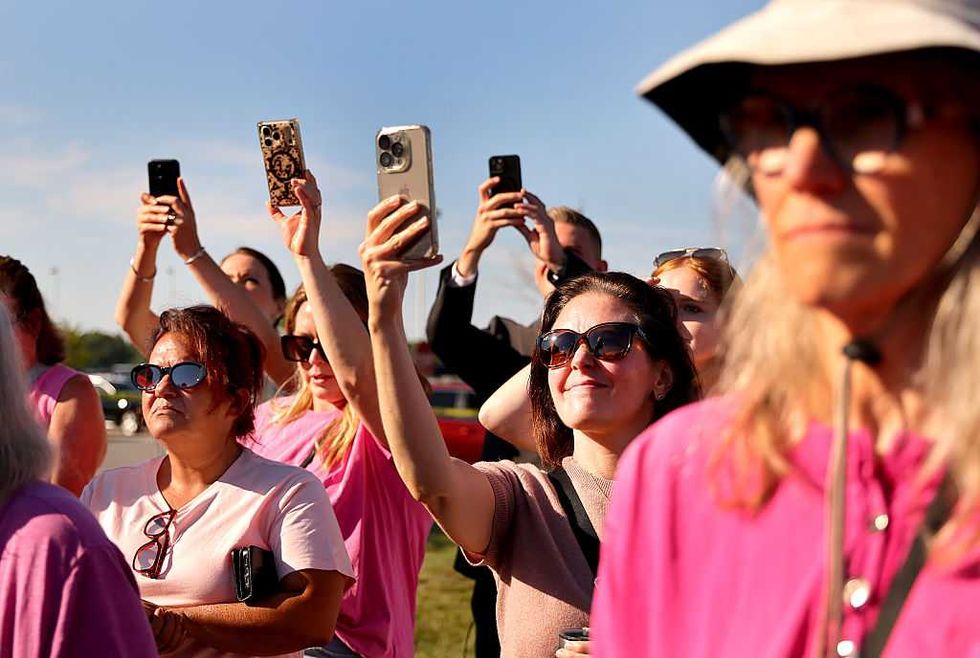
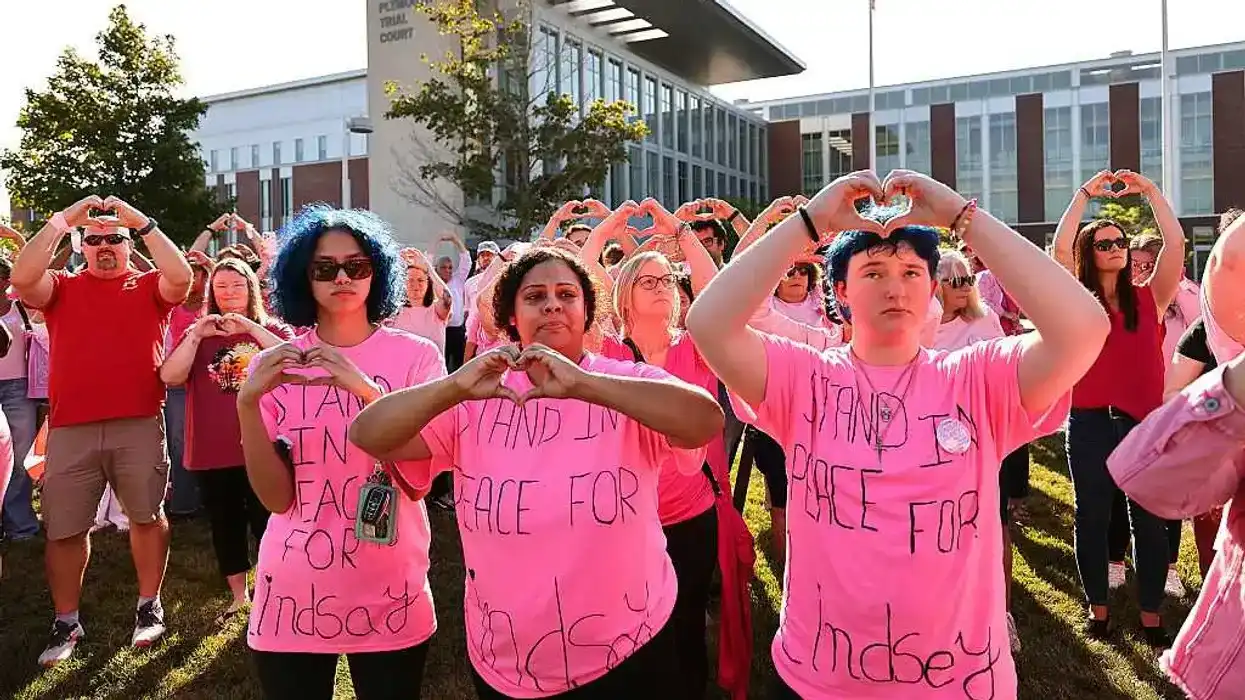
Courtroom observers reported jurors wearing pink and purple during deliberations. Clancy’s supporters wore pink outside the courthouse as a signal of solidarity. Clothing alone cannot establish a juror’s motive or prove exposure to outside commentary. Combined with the interviews, however, those reports warrant scrutiny rather than dismissal.
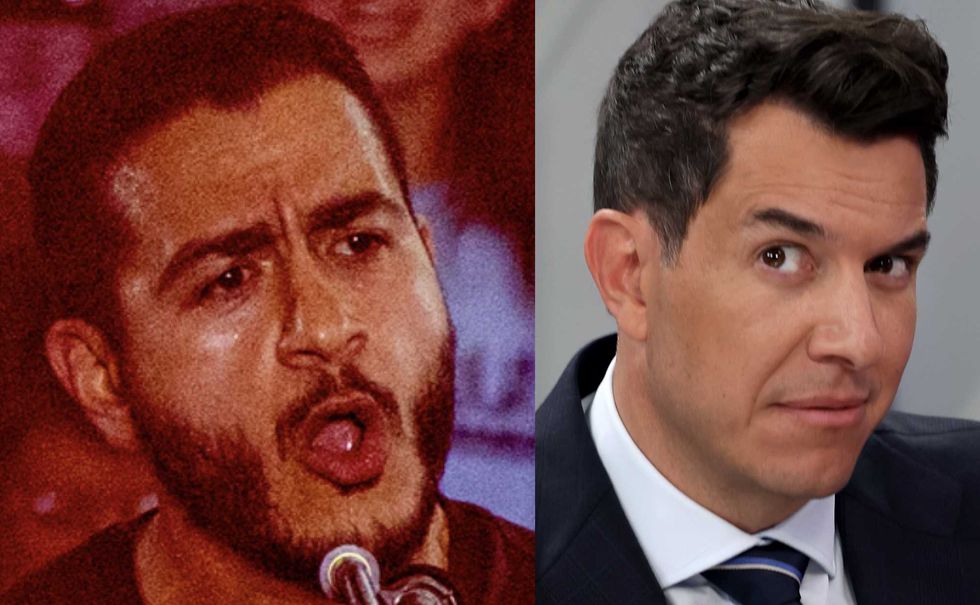
The lone holdout, Michael P. Desronvil, has faced a different kind of scrutiny. He is black and has publicly identified himself as a Republican. Reporting disclosed a dismissed domestic violence charge and a civil restraining order. Neither amounts to a criminal conviction. Allegations deserve examination, but their existence does not by itself establish that he could not serve impartially.
RELATED: The myth of the ‘good person’
 Calvindexter/Getty Images
Desronvil has said he had no doubts and believed the evidence showed Clancy knew what she was doing. A juror may reach that conclusion if the evidence and the court’s instructions support it. He has no obligation to join jurors who see the case as a “turning point” for other women.
His obligation to follow the law remains just as strict as theirs. Other jurors accused him of refusing to apply the reasonable-doubt standard, an account he disputes. The defense has also asked the judge to investigate allegations involving his cellphone use and the truthfulness of his answers during jury selection and subsequent questioning. Those claims require evidence and judicial review. An unpopular vote alone proves no misconduct.
Some or all of the 11 jurors who favored finding Clancy not criminally responsible may have reached that position after a good-faith assessment of the evidence. Massachusetts law places a large burden on prosecutors once the evidence raises criminal responsibility. The defendant need not prove legal insanity.
The state must prove criminal responsibility beyond a reasonable doubt. A defendant lacks that responsibility if, because of a mental disease or defect, she lacked substantial capacity either to appreciate the wrongfulness of her conduct or to conform it to the law. In a case involving a postpartum-psychosis defense and competing experts, prosecutors face a difficult task.
A retrial could produce another deadlock. Neither that possibility nor the first jury’s division resolves the concern Devlin’s comments raise. Jurors must reach their conclusions through the evidence and instructions, regardless of the social outcome they hope to achieve.
Outside the courthouse, the effort to recast the killings as a cause has helped fuel a campaign of falsehoods against Patrick Clancy, the children’s father. Online accusations claimed he killed the children and framed his wife, hired a body double, or maintained a longtime affair and remarried within months. Other claims asserted that he already had a baby with his second wife. Credible evidence has not supported those accusations.
RELATED: How groupthink replaces truth
 John Tlumacki/The Boston Globe/Getty Images
The defense did not dispute that Lindsay Clancy strangled the children. Her lawyer has rejected the theories implicating Patrick. Patrick remarried in April 2026, more than three years after the killings. His lawyer described a “relentless, escalating, and destructive defamation campaign” that produced real-world threats.
Nothing establishes that the jurors participated in that campaign. But the abuse of a grieving father illustrates the danger of deciding in advance whom a case must vindicate. Sympathy for Lindsay Clancy cannot justify inventing guilt for Patrick, any more than concern for other women can determine her criminal responsibility.
Jury selection cannot expose every hidden motive. Judges limit questioning, and lawyers must work within those limits. Still, prosecutors should examine the selection process when jurors later describe a case as an opportunity for social change.
The next jury must understand its task before testimony begins. It must decide whether the state has proved its case. No juror’s political ambition, sympathy, or preferred message can relieve that juror of the duty to follow the law.
More from this network:
Domains for Sale · GOTPeople.org · TheDSAPlatform · The Truth About Socialism
What's Your Reaction?
 Like
0
Like
0
 Dislike
0
Dislike
0
 Love
0
Love
0
 Funny
0
Funny
0
 Wow
0
Wow
0
 Sad
0
Sad
0
 Angry
0
Angry
0

I am just an average American. My teen years were in the late 70s and I participated in all that that decade offered. Started working young, too young. Then I joined the Army before I graduated High School. I spent 25 years in, mostly in Infantry units. Since then I've worked in information technology positions all at small family owned companies. At this rate I'll never be a tech millionaire. When I was young I rode horses as much as I could. I do believe I should have been a cowboy. I'm getting in the saddle again by taking riding lessons and see where it goes.
Premium domains for sale
















Comments (0)