

Blockading the Strait of Hormuz is not worth the risk
Premium domains for sale
Freedom Is Back In Style
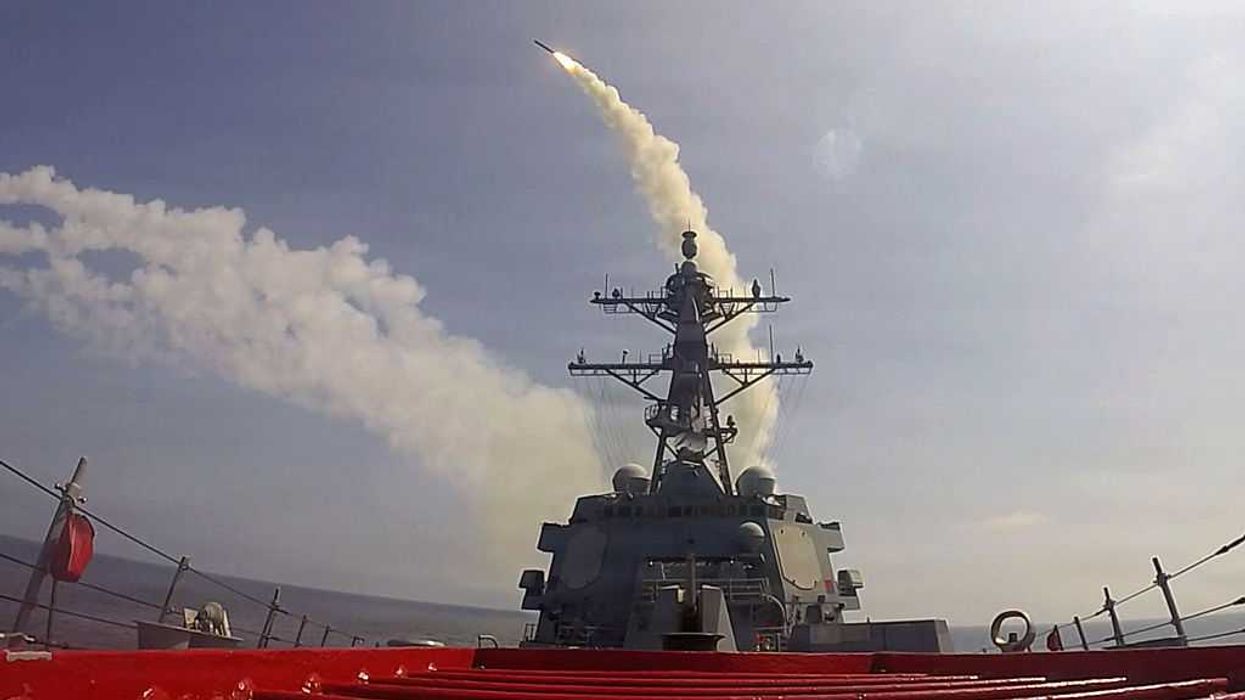
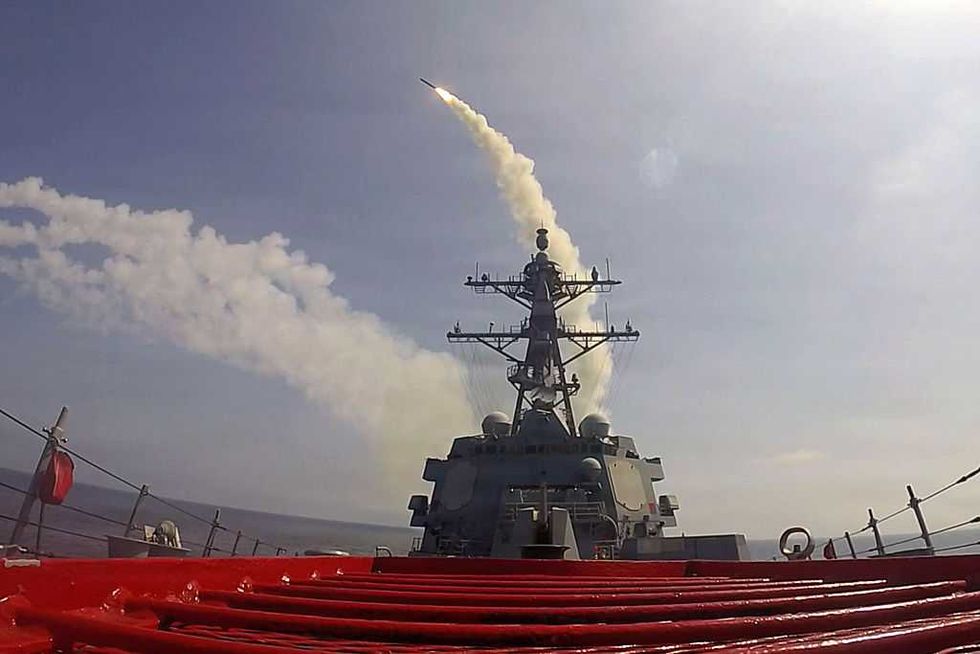
As the United States Navy moves to blockade the Strait of Hormuz, the world is watching for a show of force. What they will find instead is a fleet hollowed out by a decade of social engineering and administrative sclerosis.
Freedom Is Back
In Style
Premium domains for sale
You cannot project American sovereignty abroad with a military that is busy managing its own decline at home. More importantly, this naval escalation risks suffocating the most promising diplomatic opening in decades.
The permanent class of experts would rather risk a catastrophic naval engagement than concede that a regional partner can resolve a crisis.
The current standoff in the Middle East has reached a critical juncture. The Pentagon has confirmed the commencement of a formal naval blockade of Iranian ports. This decision follows a dramatic surge in global oil prices, which have now breached the $104-per-barrel mark.
The current situation in the Strait of Hormuz is a diagnostic test of a failing American foreign policy establishment that seems intent on sabotaging the mediation efforts currently led by Pakistan.
For the past week, Islamabad has served as the epicenter of a historic diplomatic effort. These talks represented the first direct, high-level engagement between Washington and Tehran in nearly 50 years. By facilitating marathon negotiations between American officials and Iranian representatives, Pakistan demonstrated that regional stability is best managed by regional actors.
This diplomatic track offered an off-ramp from a conflict that would likely bankrupt the global economy and further overextend American resources. Even as peace efforts continue, however, the American deep state has pivoted back to a posture of maritime confrontation.
The defense establishment has become a microcosm of the broader bureaucracy plaguing the American government. Procurement cycles for new vessels span decades, and the internal culture has shifted toward ideological compliance rather than mission readiness. Put simply: Institutional rot has degraded the military's ability to do its job.
Reports indicate that the availability of operational carrier strike groups is significantly lower than projected. Attempting to enforce a blockade with a hollowed-out fleet is a dangerous venture and could undermine the leverage the American delegation sought to build in Islamabad.
From a regional perspective, the sudden shift toward a blockade looks less like a strategic necessity and more like an attempt by the Washington bureaucracy to reclaim control of the narrative.
Critics of the modern bureaucracy have long argued that a nation cannot remain a great power if its governing structures are no longer accountable to the reality of the world. By ignoring the diplomatic progress in Pakistan in favor of a naval show, the administrative state is prioritizing its own relevance over a sustainable peace.
RELATED: The Trump-Vance dynamic is the key to solving the Iran problem
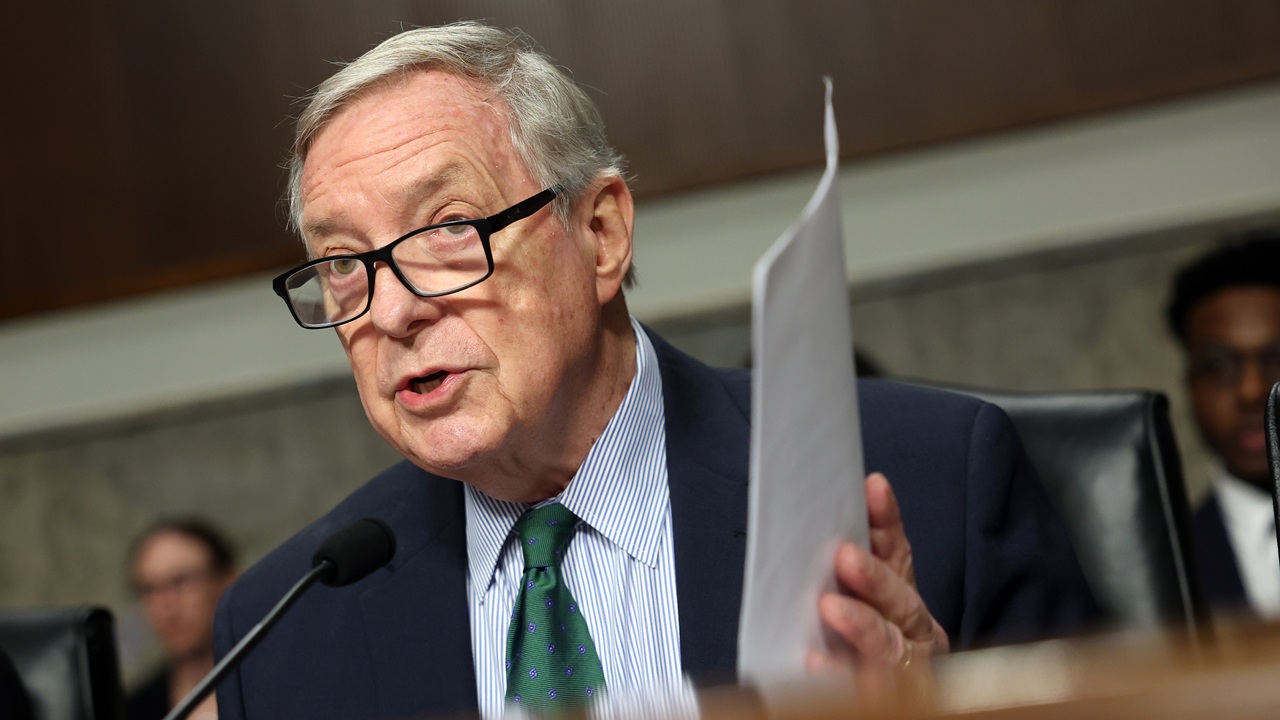
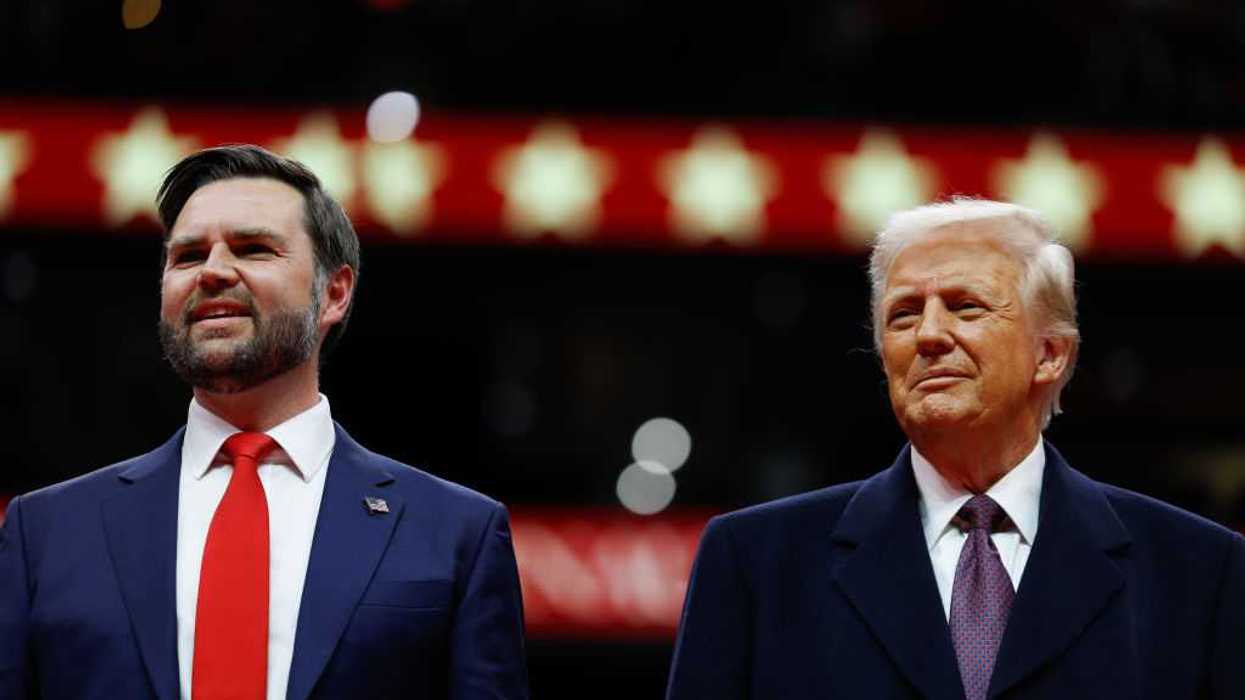 Anna Moneymaker/Getty Images
This bureaucratic reflex reveals a deeper pathology within the American capital. The permanent class of experts would rather risk a catastrophic naval engagement than concede that a regional partner can resolve a crisis. This is the definition of a paper tiger mentality: a desperate projection of power abroad to mask the total lack of accountability and efficiency at home.
The Trump administration has the opportunity to embrace a new model of burden sharing. Real leadership requires the courage to let regional partners take the lead in mediation, rather than allowing the interventionist bureaucracy to launch a new conflict.
Blockading the Strait of Hormuz risks an escalation that the Navy is ill-prepared to handle. Such an escalation would also risk alienating the regional partners who have worked toward peace talks and ceasefire agreements.
The blockade should be viewed as the American administrative state’s refusal to accept a world where it isn’t the sole arbiter of every crisis.
The path forward is clear. American leaders must recognize that the greatest threats to Washington are not just the regimes in Tehran or Beijing, but the internal decay of American institutions.
To secure peace, the United States must support the diplomatic process rather than drowning it in the Persian Gulf.
More from this network:
Domains for Sale · GOTPeople.org · TheDSAPlatform · The Truth About Socialism
What's Your Reaction?
 Like
0
Like
0
 Dislike
0
Dislike
0
 Love
0
Love
0
 Funny
0
Funny
0
 Wow
0
Wow
0
 Sad
0
Sad
0
 Angry
0
Angry
0

I am just an average American. My teen years were in the late 70s and I participated in all that that decade offered. Started working young, too young. Then I joined the Army before I graduated High School. I spent 25 years in, mostly in Infantry units. Since then I've worked in information technology positions all at small family owned companies. At this rate I'll never be a tech millionaire. When I was young I rode horses as much as I could. I do believe I should have been a cowboy. I'm getting in the saddle again by taking riding lessons and see where it goes.
Premium domains for sale













Comments (0)