

Border states need to take action before it’s too late
Premium domains for sale
Freedom Is Back In Style
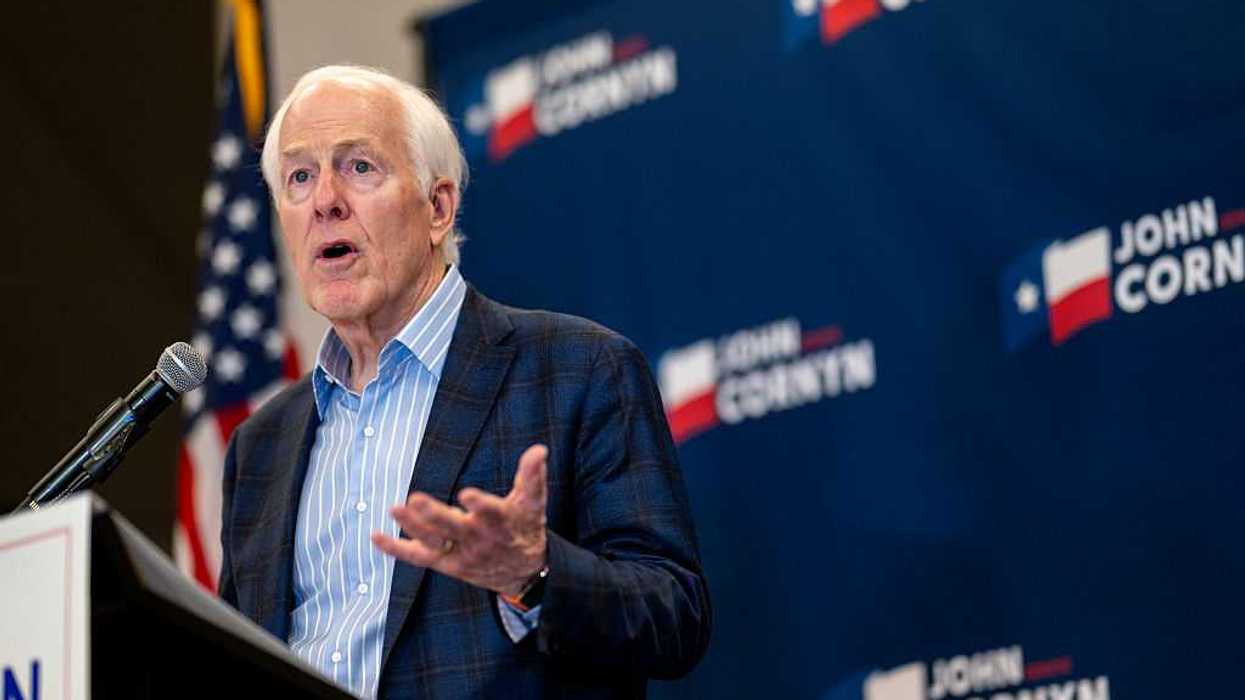
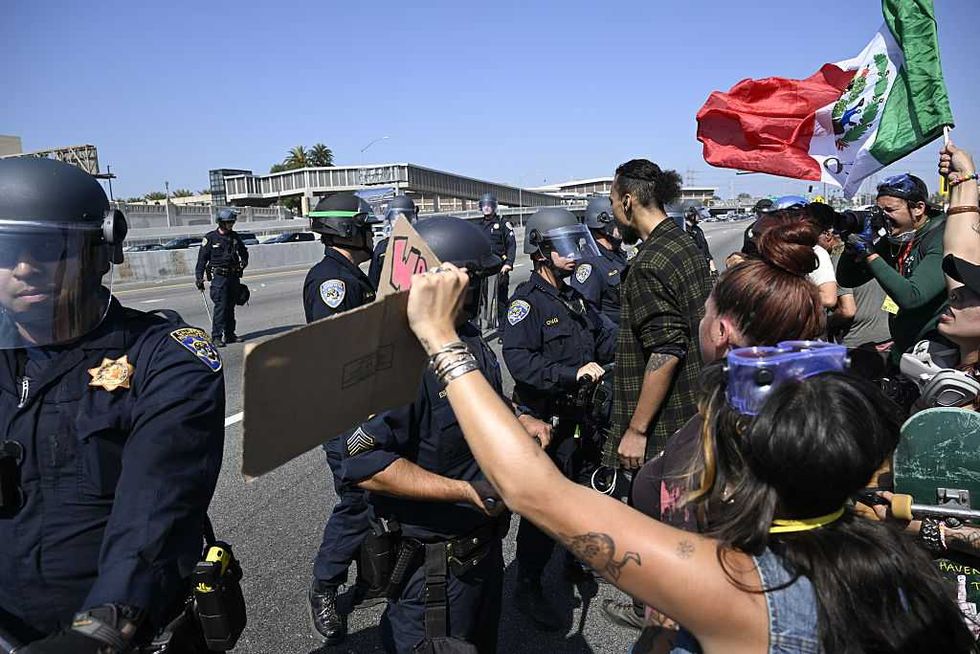
Illinois Rep. Delia Ramirez (D) recently said the quiet part out loud: If Democrats regain power, they intend to “melt ICE” and “dismantle the Department of Homeland Security.”
Freedom Is Back
In Style
Premium domains for sale
Not reform. Not recalibrate. Dismantle.
At this point, no one should be surprised, but everyone should be paying attention.
The window for aligned federal action is limited, and states must be prepared to carry that work forward regardless of what happens in Washington.
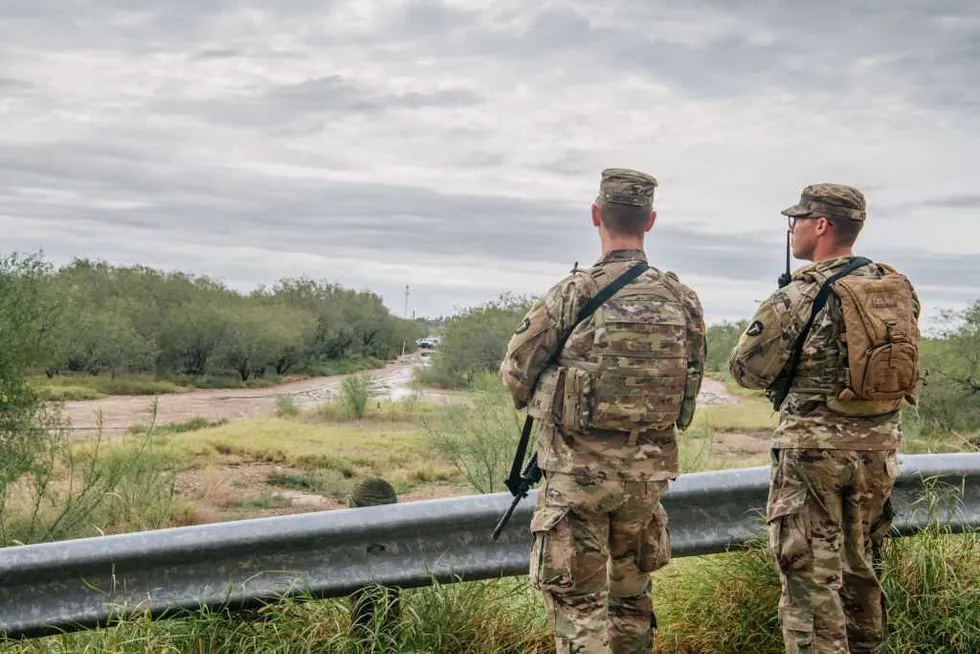
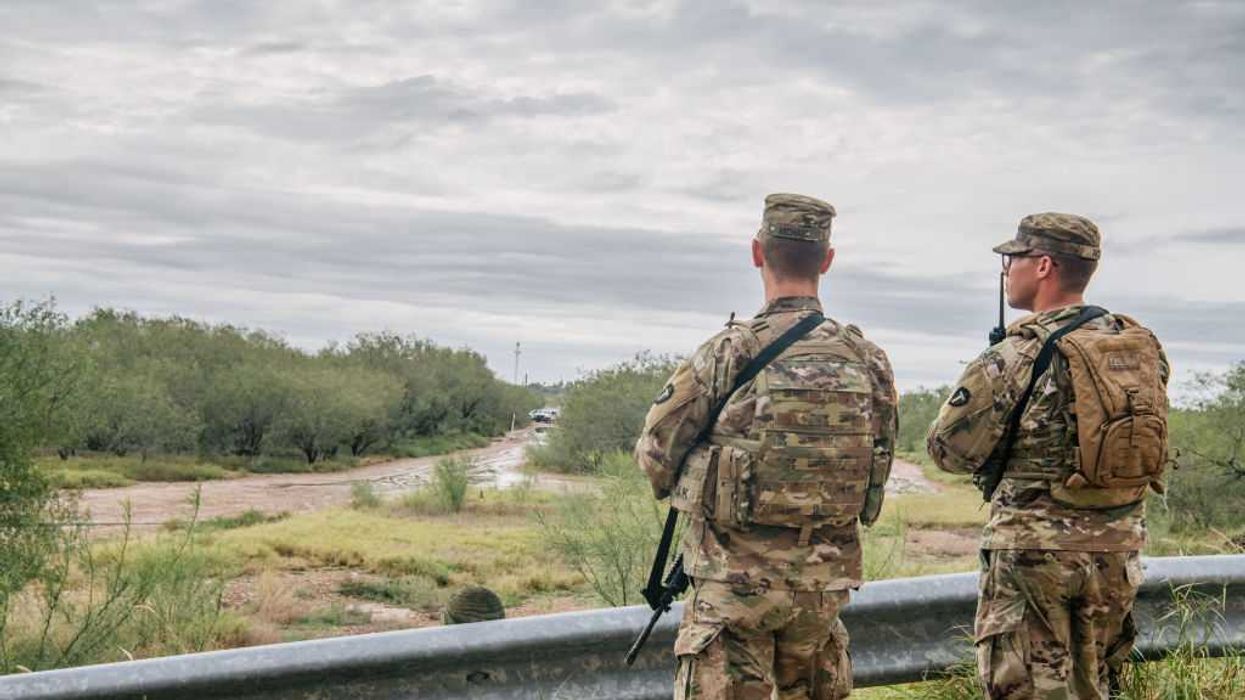
Over the past several years, we have seen what a serious approach to border security can look like. Under President Donald Trump, the federal government has taken long overdue steps to restore enforcement at the border, disrupt cartel operations that extend into American communities, and reassert the basic principle that immigration law should be enforced.
But the job is nowhere near finished.
Cartel networks are still heavily embedded in trafficking routes, financial systems, and communities across the country. Interior enforcement remains inconsistent. Local and state cooperation is uneven at best. And despite real progress, the broader homeland defense framework is still fragile — dependent on political will, which can shift overnight.
That fragility is exactly what Ramirez’s comments expose. We are not debating hypotheticals; we are being explicitly told what will happen when the balance of power shifts.
The same agencies tasked with protecting the homeland would be targeted for dismantlement, the enforcement tools that have begun to regain ground would be stripped away, and the limited progress made in confronting transnational criminal networks would be reversed.
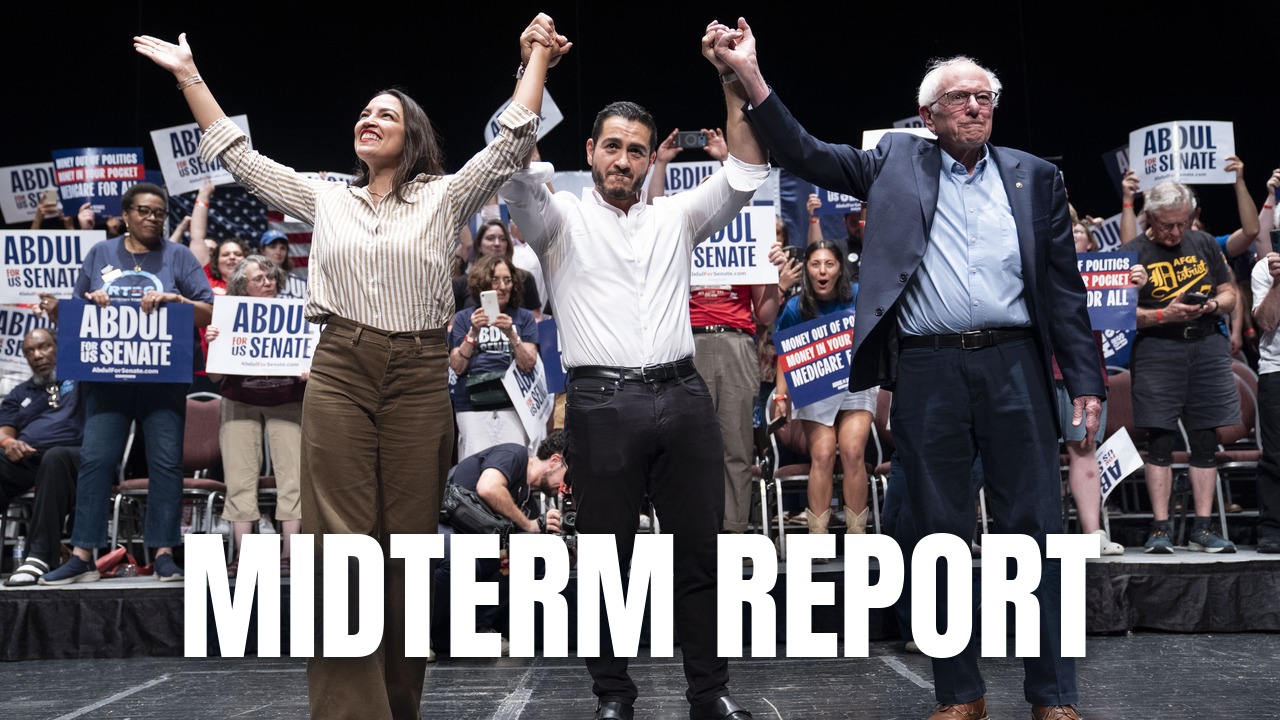
This threat is not just rhetoric from some far-left politician. Polling trends are already pointing toward a potential shift in power in the 2026 midterms. That means the window for aligned federal action is limited, and states must be prepared to carry that work forward regardless of what happens in Washington.
RELATED: My message to President Trump: Don’t mess with Texas politics
 Brandon Bell/Getty Images
Key legislation like the SAVE America Act remains stalled, and DHS is still not fully funded to meet the scale of the challenge, caught in the middle of ongoing congressional budget standoffs. Structural reforms that would lock in enforcement gains for the long-term have yet to materialize. In other words, even with unified control, the system is struggling to deliver the level of security the country requires.
So what happens when that control goes away? We don’t have to guess — we’ve been told.
Washington Rep. Pramila Jayapal (D) has said that under Democratic control, officials carrying out deportations could face mass prosecutions, while taxpayers would be expected to fund reparations for the “trauma” inflicted on foreign nationals.
The largest deportation effort in American history would be halted. Federal enforcement would be curtailed. The focus of immigration policy would shift away from American communities and toward accommodating foreign nationals.
And once that signal is sent from Washington, it will cascade downward — into statehouses, city councils, and law enforcement agencies across America.
This fight cannot be viewed as strictly federal. As I’ve written before, it starts at home. It depends on governors willing to lead, legislatures willing to fund enforcement, and local law enforcement willing to uphold the law consistently and without apology.
Sheriffs, police chiefs, and county officials are not peripheral actors in this system; they are fundamental to whether it succeeds or fails.
That responsibility is especially urgent in red states. And right now, Texas has an opportunity to lead.
RELATED: Senate Republicans tried to cave on Trump's agenda
 Stefani Reynolds/Bloomberg/Getty Images
The Texas Legislature has already laid the groundwork with its 2026 Interim Charges, taking on everything from hostile foreign networks operating inside our state to strengthening and equipping the new Texas Division of Homeland Security. But our interim work only matters if it turns into action.
As we head into the 90th Legislature, and while there is still alignment in the White House, Texas has an opportunity to go further — building a real, state-led homeland defense framework that doesn’t depend on shifting priorities in Washington. That means passing laws with teeth, funding enforcement, closing loopholes, and making it clear that in Texas, the rule of law is not optional.
Because when the political winds shift, and they always do, the difference between a secure nation and a vulnerable one will come down to what was built beforehand. The left’s intentions are no longer implied, they are explicit. The time for debate about what might happen is over. The only question now is whether we have the will to act before those promises become policy.
More from this network:
Domains for Sale · GOTPeople.org · TheDSAPlatform · The Truth About Socialism
What's Your Reaction?
 Like
0
Like
0
 Dislike
0
Dislike
0
 Love
0
Love
0
 Funny
0
Funny
0
 Wow
0
Wow
0
 Sad
0
Sad
0
 Angry
0
Angry
0

I am just an average American. My teen years were in the late 70s and I participated in all that that decade offered. Started working young, too young. Then I joined the Army before I graduated High School. I spent 25 years in, mostly in Infantry units. Since then I've worked in information technology positions all at small family owned companies. At this rate I'll never be a tech millionaire. When I was young I rode horses as much as I could. I do believe I should have been a cowboy. I'm getting in the saddle again by taking riding lessons and see where it goes.
Premium domains for sale












Comments (0)