

Duke Law Case Shows Why the Fight Against DEI in Higher Education Isn’t Over
Premium domains for sale
Freedom Is Back In Style
The battle to end DEI in higher education is one that can only be won through attrition against a stubborn enemy that won’t back away from the ideology that created it.
Freedom Is Back
In Style
Premium domains for sale
One might think that the Students for Fair Admissions v. Harvard Supreme Court decision that prohibited racial discrimination in college admissions would have put an end to the issue. It didn’t. At least some of America’s top schools unsurprisingly appear to be doing their best to dance around the courts and the law.
For those who’ve paid attention to how higher education has behaved in recent decades, it was clear that many schools would find ways to cheat the system. It’s all the rage these days for students and administrators, I guess.
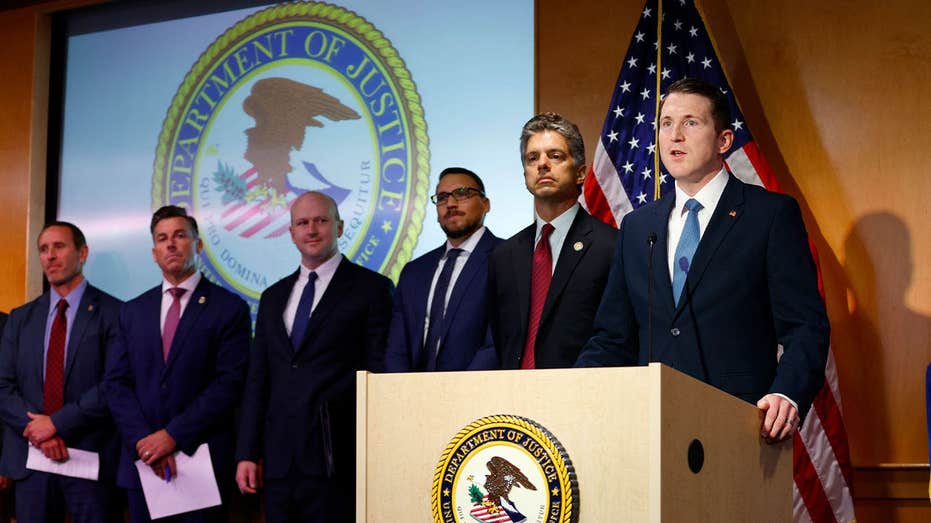
That looks to be the case at Duke Law school. The Department of Justice recently accused the school of responding to the Supreme Court decision by creating a stealthier way to discriminate.
The Department of Justice said that following the Students for Fair Admissions v. Harvard decision “Duke Law emphasized racial diversity in admissions and engaged in a deliberate effort to preserve race-based outcomes for its incoming classes.”
The school highlighted “DEI” as one of the school’s “most important values” in late 2023 according to internal communications obtained by the DOJ and pledged to “work even harder” to admit “a racially diverse class.”
The DOJ memo said that following the Supreme Court decision, Duke Law revised its mission statement to include “equal justice, public service, and a ‘diversity of perspective and experience.’” The school then asked applicants to state how they would demonstrate commitment to those principles.
According to documents obtained by the DOJ, school admissions reviewers were told to tag this section and look for answers that captured “specific applicant characteristics that are commonly correlated with race.”
The result has been that black and Hispanic applicants have had a “substantially higher likelihood of admission to Duke Law than a white or Asian applicant with the same academic credentials.”
That means, the DOJ concluded that while admissions reviewers could say they haven’t seen demographics data, “Duke Law directed its admissions staff to highlight applicant information that could be used to advance Duke Law’s racial diversity goals.”
The result appears to show up in the numbers since there was a significant gap in LSAT numbers by race. That’s the standardized test students take before applying to law school.
“In 2024 and 2025, the median LSAT scores of rejected white and Asian applicants exceeded the median LSAT scores of admitted black applicants,” the memo said.
That’s hard to square if the school really wasn’t trying to at least somewhat select by race.
Duke responded to the accusations by saying that the school is following the law “in a manner that is consistent with our academic mission.”
The Justice Department remains unconvinced.
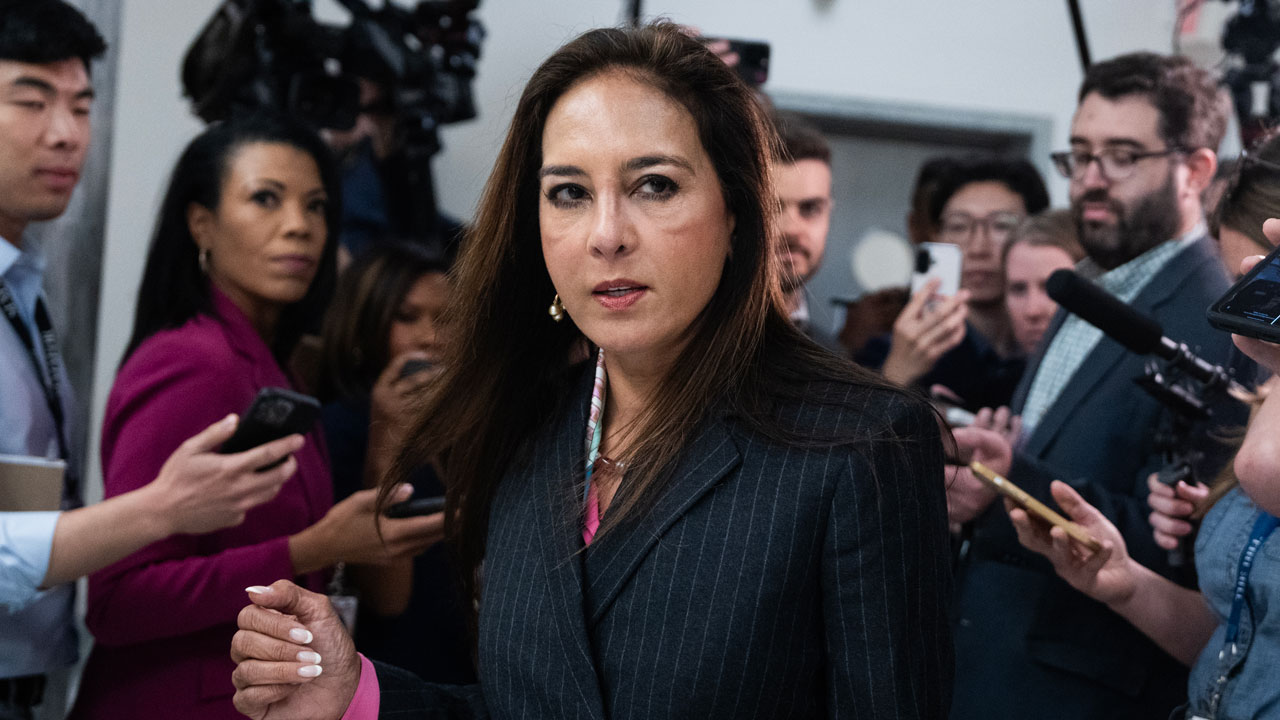
“Duke Law School doesn’t get a free pass to discriminate against white and Asian students simply because it thinks it has good intentions,” Assistant Attorney General Harmeet K. Dhillon of the Justice Department’s Civil Rights Division said in a statement. “Using ‘diversity’ essay questions to identify preferred races for admission is still illegal discrimination based on race, and this Department is committed to eliminating it everywhere we find it, including in our nation’s law schools.”
This is an important case and a good sign that the DOJ is serious about enforcing the Supreme Court decision.
America’s elite schools have demonstrated a fanatical devotion to racial discrimination in the name of DEI.
As we’ve seen time and again, American colleges and universities have responded to nearly every law and court decision demanding they stop with the DEI racism by coming up with clever ways to skirt the rules.
The University of California spent decades coming up with clever ways to discriminate following the passage of Proposition 209, which banned affirmative action. They pioneered a “holistic” application process to get closer to the racial composition they wanted. They allowed race-based scholarships conducted by private organizations. And they even dropped SAT and ACT standardized testing requirements.
But after further lawsuits and maybe a little bit of sobering up, those California schools backed away somewhat from the insanity. Even the standardized tests are starting to make a return.
The lesson being that the only way to cure wokeness and DEI, especially in higher education, is through intense, relentless pressure.
Ensuring a certain level of racial diversity regardless of student merit is practically a religious prerogative. They aren’t going to back away without a fight and they aren’t going to reform themselves.
Some may even wish to continue the fight against the Trump administration’s enforcement of the law no matter what.
In the Duke Chronicle, one student wrote a long diatribe about how the school should go on to the end and fight the DOJ on the lawsuit. He argued that the administration has a bad case because the numbers of black and Hispanic students are lower in percentage than the national population.
Of course, that glides over the central issue that schools are supposed to choose students based on merit rather than race.
Big bucks are at stake. Schools that decide to go to the mat for DEI face the threat of losing federal funding. Most aren’t willing to take that risk given how dependent they are.
But they will if they think they have friends in the White House who won’t keep them accountable. Don’t forget that.
More from this network:
Domains for Sale · GOTPeople.org · TheDSAPlatform · The Truth About Socialism
What's Your Reaction?
 Like
0
Like
0
 Dislike
0
Dislike
0
 Love
0
Love
0
 Funny
0
Funny
0
 Wow
0
Wow
0
 Sad
0
Sad
0
 Angry
0
Angry
0

I am just an average American. My teen years were in the late 70s and I participated in all that that decade offered. Started working young, too young. Then I joined the Army before I graduated High School. I spent 25 years in, mostly in Infantry units. Since then I've worked in information technology positions all at small family owned companies. At this rate I'll never be a tech millionaire. When I was young I rode horses as much as I could. I do believe I should have been a cowboy. I'm getting in the saddle again by taking riding lessons and see where it goes.
Premium domains for sale


















Comments (0)