

Foreigners who hate each other, disrespect women are creating serious problems for the Canadian military
Premium domains for sale
Freedom Is Back In Style
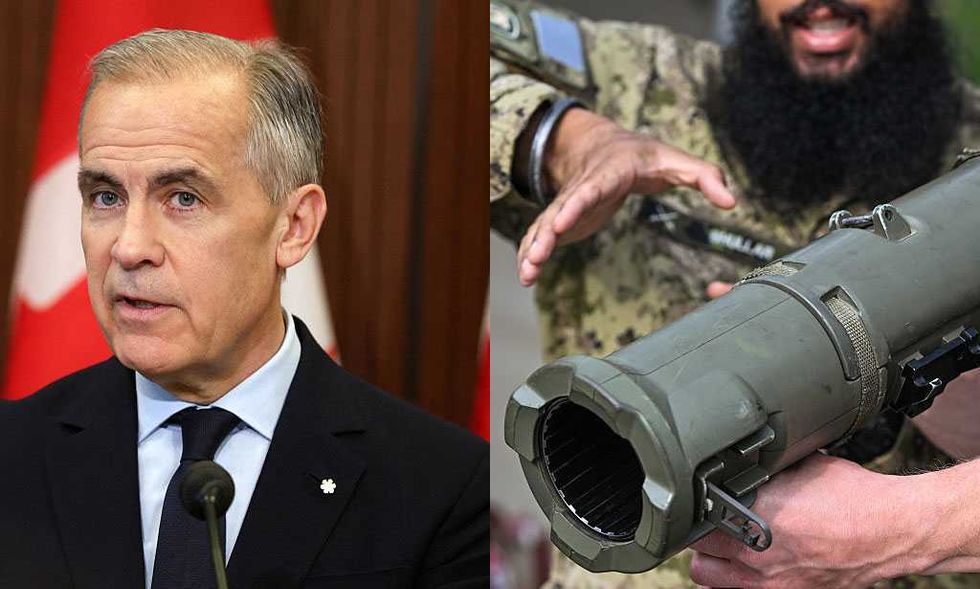
David McGuinty, Canada's liberal defense minister, boasted late last month that the DEI-ed Canadian military had surpassed its regular force recruiting target for the second consecutive year, enrolling 7,310 new members in fiscal year 2025-26. That brings the total of full-time military members to 67,827. Another 25,054 souls are in the reserves.
Freedom Is Back
In Style
Premium domains for sale
"The Canadian Armed Forces' continued recruiting success signals more than progress — it reflects a renewed strength at the core of our military," said McGuinty.
'I think we are representative of the Canadian demographic.'
What McGuinty neglected to mention in his optimistic press release was that nearly 20% of these recruits aren't actually Canadians, thanks to a 2022 decision by then-Trudeau Defense Minister Anita Anand — the daughter of Indian migrants — to drop the military's citizenship requirement.
It has become abundantly clear that having multitudes of permanent residents from the third world join up in exchange for expedited naturalization isn't so much a value added as a massive liability.
A damning and confidential Canadian Forces Leadership and Recruit School report that was authored by Lieutenant-Colonel Marc Kieley and obtained both by Juno News and the National Post highlights some of the various problems foreign recruits have created for the military.
RELATED: US calls Canada’s bluff on defense spending; 'pauses' 86-year-old alliance
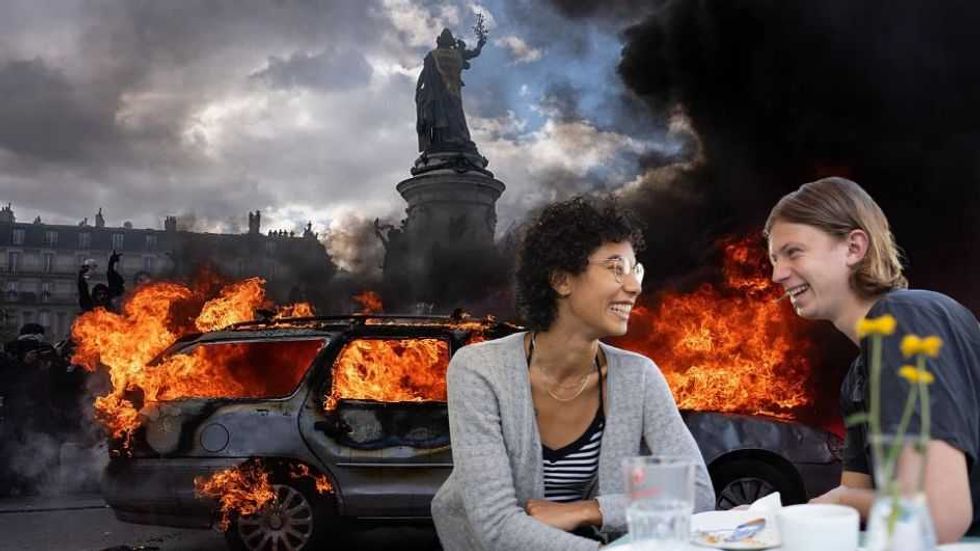
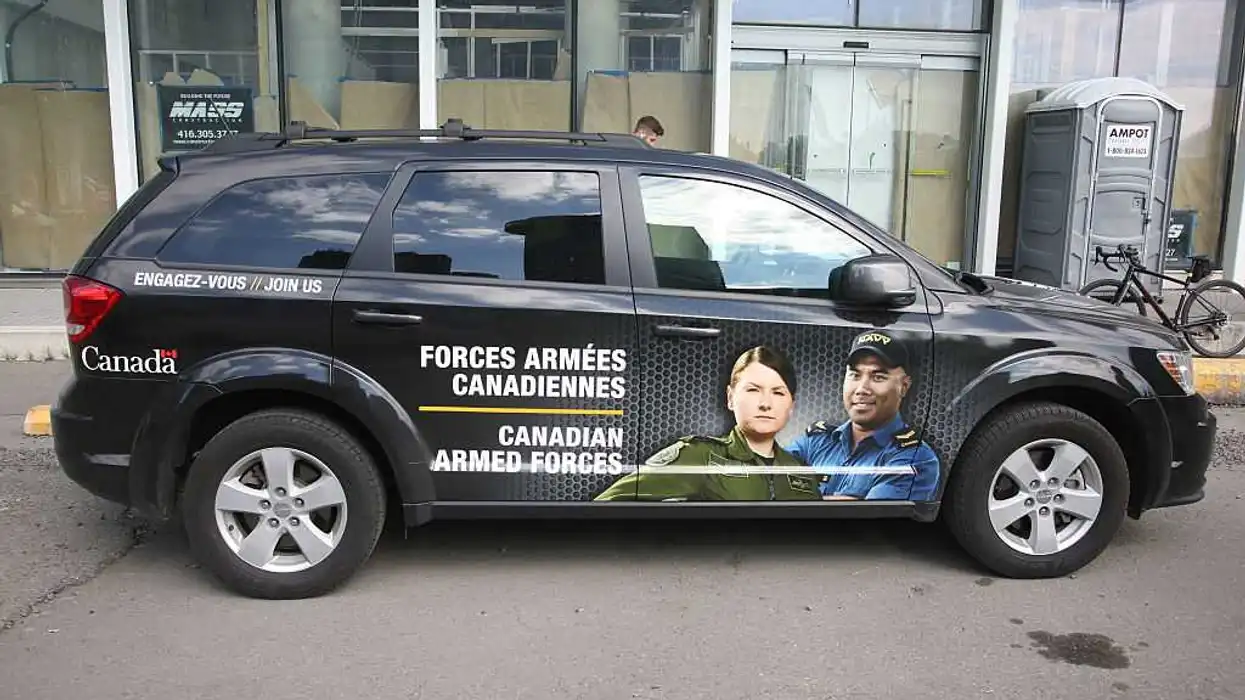 Creative Touch Imaging Ltd./NurPhoto/Getty Images
The report, which was also leaked online, notes that in Quebec's first noncitizen Francophone platoon, only 48% managed to graduate and there were constant ethnic clashes, specifically between the Cameroonian and Ivory Coast candidates.
More generally, noncitizen recruits in the Canadian military — some of whom had been in the country for only three months — have demonstrated a profound lack of "respect toward women" superiors and peers.
"For many candidates, it is the first time they have lived with members of a different sex, and for some it is also the first time they have been expected to treat women as their peers," said the report. "Platoons are also reporting inter-candidate cultural frustrations, with lack of respect towards women being the most common concern."
Some foreigners apparently also have issues taking orders from younger superiors.
"Older candidates from certain cultural backgrounds are also more likely to experience friction when responding to younger CFLRS instructors due to cultural hierarchies based on age," said the confidential report.
In addition to a failure of baseline competency, ethnic infighting, communication issues, and a rampant disrespect for women and junior officers, foreigners also have unrealistic expectations going into their training.
The report noted, for instance, that a "surprising number of permanent resident candidates believed they would simply go home after basic training" and that foreigners in officer training "are more likely to imagine a CAF officer position as a public service job, rather than a military occupation."
Physical fitness is also an issue for those recruits McGuinty is hoping will renew the Canadian military's strength. Permanent residents failed the initial basic training fitness screening test last year at a rate of 14.79% compared to 7.89% for citizens within the same period.
There has been some internal pushback.
According to the report, "On French (officer) platoons, where permanent residents have made up 50%-80% of all candidates, there have been more emotional responses, with Francophone staff openly raising the question of whether it is appropriate for officer commissions to be granted to non-Canadian citizens."
Commodore Pascal Belhumeur, a spokesman for the Canadian Department of National Defense, told the National Post, "I think the Canadian Armed Forces that we are recruiting is a representation of Canadian society now."
According to Statistics Canada, 23% of the persons presently in Canada are immigrants.
"If you look at the number of Canadians that are foreign-born and the number of people who we’re bringing into the Canadian Armed Forces, I think we are representative of the Canadian demographic," said Belhumeur, adding that the military is "proud to reflect the diversity of Canadian society."
Like Blaze News? Bypass the censors, sign up for our newsletters, and get stories like this direct to your inbox. Sign up here!
More from this network:
Domains for Sale · GOTPeople.org · TheDSAPlatform · The Truth About Socialism
What's Your Reaction?
 Like
0
Like
0
 Dislike
0
Dislike
0
 Love
0
Love
0
 Funny
0
Funny
0
 Wow
0
Wow
0
 Sad
0
Sad
0
 Angry
0
Angry
0

I am just an average American. My teen years were in the late 70s and I participated in all that that decade offered. Started working young, too young. Then I joined the Army before I graduated High School. I spent 25 years in, mostly in Infantry units. Since then I've worked in information technology positions all at small family owned companies. At this rate I'll never be a tech millionaire. When I was young I rode horses as much as I could. I do believe I should have been a cowboy. I'm getting in the saddle again by taking riding lessons and see where it goes.
Premium domains for sale






Comments (0)