

Trump Makes Rare Move To Bailout Ally’s Collapsing Currency
Premium domains for sale
Freedom Is Back In Style
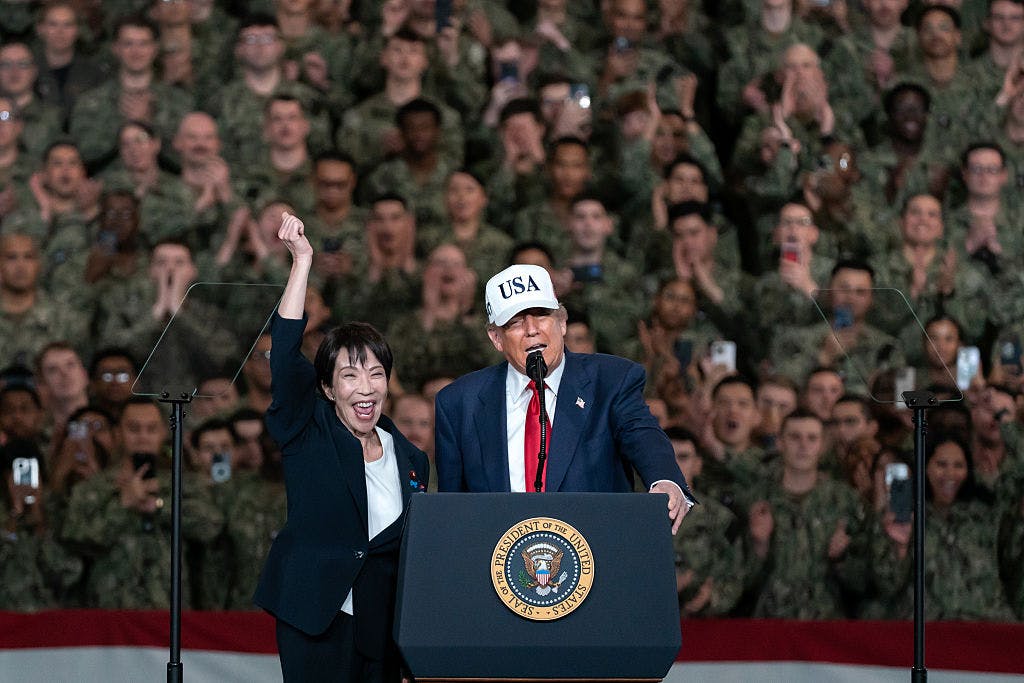
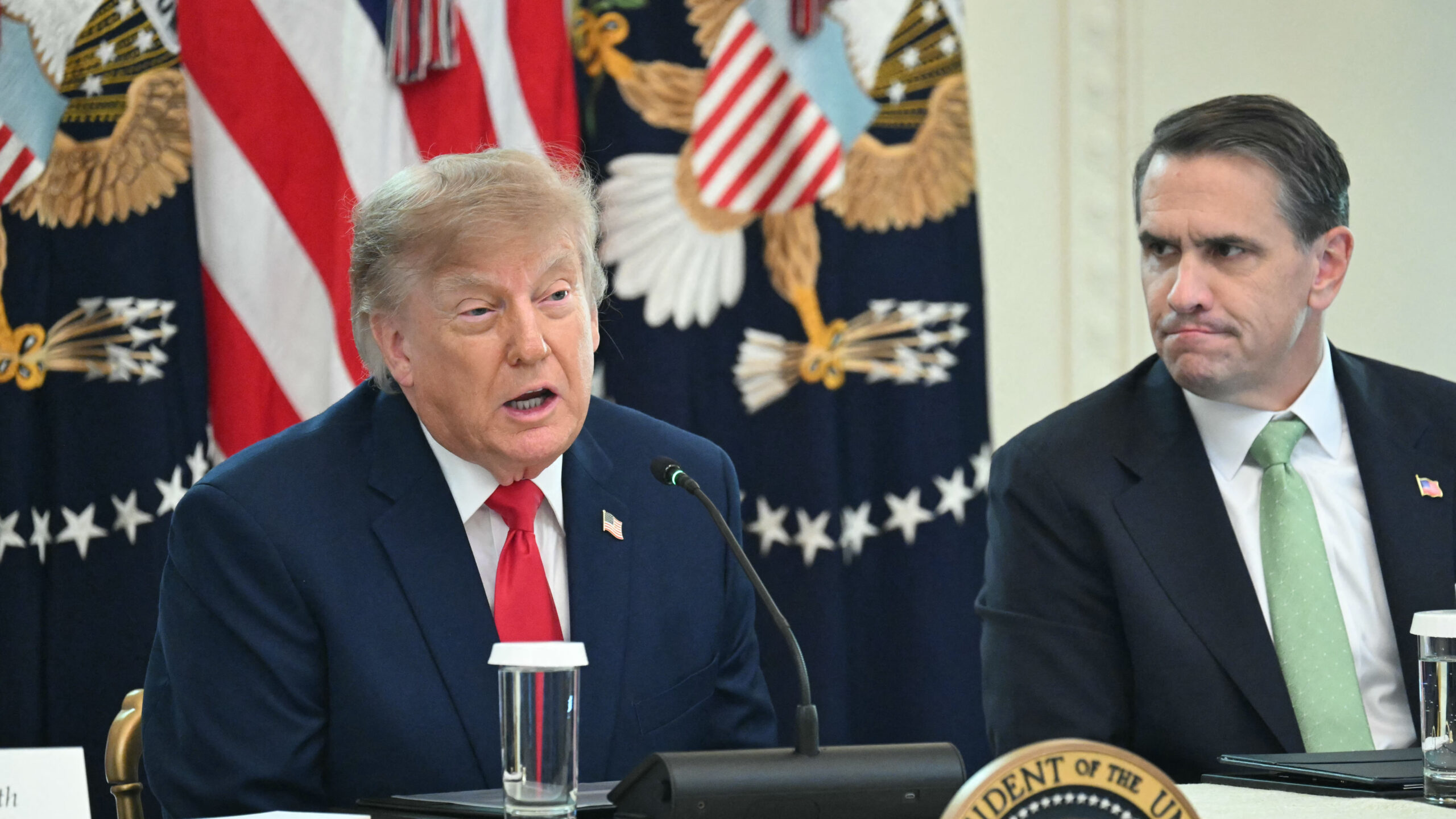
The United States and Japan jointly intervened in currency markets for the first time since 1998, with President Donald Trump calling the move a “signal of friendship” toward one of America’s closest allies.
Freedom Is Back
In Style
Premium domains for sale
Asked Monday why the United States stepped in to help strengthen Japan’s currency, Trump said the decision reflected the close relationship between the two nations while emphasizing that the move would also benefit the United States.
“Everybody wants help from our country,” Trump said. “We have a good relationship with Japan. We are very strong, very strong financially. And they have a weakening yen and they wanted a little bit of help. And we are always there for Japan. Japan’s been very good for us with the exception of Pearl Harbor. It was really more than anything else, it was a signal of friendship.”
The coordinated intervention, reportedly valued at between $5 billion and $10 billion, marked the first joint U.S.-Japan effort to purchase yen in nearly three decades.
Even before the operation was publicly announced, Reuters photographers captured Treasury Secretary Scott Bessent’s handwritten notes during a Cabinet meeting at Camp David. Among the items on his to-do list: “Buy Japanese Yen (JPY) $5-$10 bil.”
Japan’s Finance Ministry said it requested U.S. assistance to counter what it described as “excessive volatility and disorderly movements” in the yen after the currency fell to its weakest level against the U.S. dollar since 1986. As part of the operation, the United States reportedly sold euros to purchase yen.
Economists said the Iran war added pressure to Japan’s currency by driving up global energy prices, increasing costs for the import-dependent country.
“The energy price shock triggered by the US-Iran war has been the last catalyst for a weaker yen, which has been reinforced by the recent hawkish shift in Fed policy communication,” senior currency economist Lee Hardman said.
Japan repeatedly warned about the conflict’s economic impact before the intervention. Prime Minister Sanae Takaichi called for de-escalation in June after warning the war was having an enormous effect on the region.
Japanese Finance Minister Satsuki Katayama indicated the two countries could intervene again if necessary. Bessent echoed that position, saying the Treasury Department would “not hesitate to participate in further joint intervention.”
The Federal Reserve has also allowed Japan to borrow money from the Fed, helping it avoid selling U.S. Treasury securities to support the yen.
The yen climbed to a three-month high Monday following the joint currency intervention.
The operation comes amid strengthening ties between Washington and Tokyo under the Trump administration. Last year, Japan pledged to invest $550 billion in the United States under a bilateral trade agreement, and Trump publicly endorsed Takaichi days ahead of her reelection, calling her “a highly respected and very popular leader.”
More from this network:
Domains for Sale · GOTPeople.org · TheDSAPlatform · The Truth About Socialism
What's Your Reaction?
 Like
0
Like
0
 Dislike
0
Dislike
0
 Love
0
Love
0
 Funny
0
Funny
0
 Wow
0
Wow
0
 Sad
0
Sad
0
 Angry
0
Angry
0

I am just an average American. My teen years were in the late 70s and I participated in all that that decade offered. Started working young, too young. Then I joined the Army before I graduated High School. I spent 25 years in, mostly in Infantry units. Since then I've worked in information technology positions all at small family owned companies. At this rate I'll never be a tech millionaire. When I was young I rode horses as much as I could. I do believe I should have been a cowboy. I'm getting in the saddle again by taking riding lessons and see where it goes.
Premium domains for sale










Comments (0)