

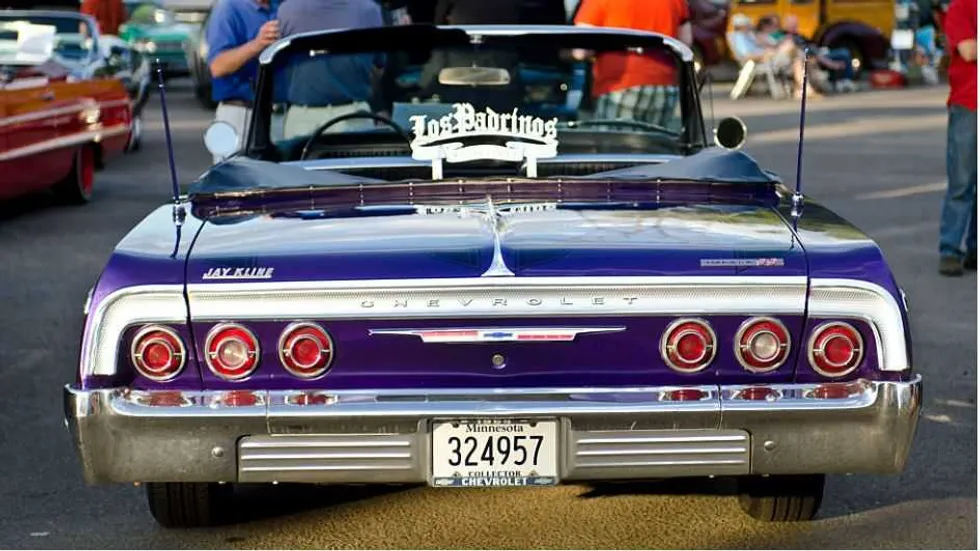
New Minnesota bill could run classic car owners off the road
Premium domains for sale
Freedom Is Back In Style
If you think this is just another harmless piece of paperwork coming out of a state legislature, think again.
Freedom Is Back
In Style
Premium domains for sale
Minnesota’s HF 3865 is being sold as a simple clarification of collector car rules, but the reality is far more consequential. This proposal doesn’t just tweak the language — it redraws the lines around when you’re allowed to enjoy a vehicle you already own. And if it passes as written, classic car owners could find themselves boxed into a narrow window of “acceptable” use, with little room for the freedom that defines car culture.
Classic cars require regular use to remain functional. Sitting idle can lead to mechanical issues, from dried seals to fuel system problems.
For decades, collector vehicle laws have operated on a basic understanding. These vehicles are not daily transportation, and owners accept that limitation in exchange for reduced registration requirements and, in many cases, historic recognition. But within that framework, there has always been a reasonable level of flexibility. Owners could take their vehicles out for a drive, attend informal gatherings, test car repairs, or simply enjoy the result of years of restoration work.
HF 3865 changes that balance.
Centralized rule
The bill establishes a centralized rule governing how all collector-class vehicles can be operated in Minnesota. That includes vintage vehicles, classic cars, and other limited-use automobiles that have historically existed under a more flexible understanding between owners and regulators.
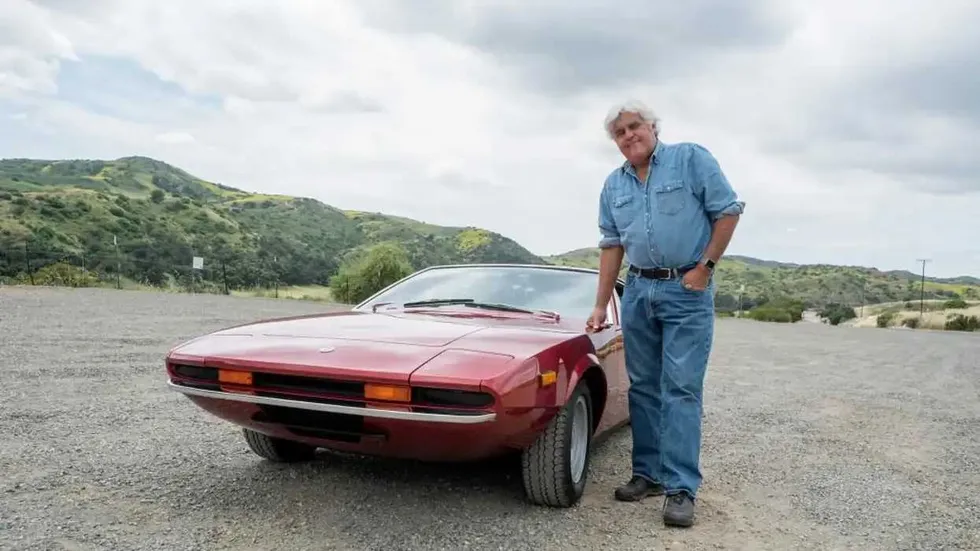
What makes Minnesota’s approach notable is that it cuts against the direction of travel in other states. In California — hardly a state known for regulatory leniency — lawmakers are advancing “Leno’s Law,” a proposal to ease emissions requirements for qualifying collector vehicles based on how rarely they’re driven and the practical limits of testing older cars.
Yes, even California is beginning to recognize that legacy vehicles don’t fit neatly into modern regulatory frameworks. Minnesota, by contrast, is moving to define — and restrict — how those vehicles can be used.
In practice, that shift matters. Once a centralized rule is in place, interpretation falls to regulators, inspectors, and law enforcement — each with their own threshold for what counts as acceptable use. What looks like a narrow clarification on paper can quickly become a broader constraint in reality.
Sunday drivers
That ambiguity doesn’t stay theoretical for long. It shows up in everyday situations: An owner takes a freshly repaired car out for a test drive and gets pulled over — does that qualify as permitted use? A weekend cruise without a formal event destination — allowed, or not? A quick drive to keep seals lubricated and the battery charged — reasonable to the owner, but potentially questionable to an officer enforcing a stricter reading of the rule. When the line isn’t clear, the practical burden often falls on the owner to justify the drive.
The concern isn’t just about what the bill says today, but what it enables tomorrow. When the state defines “appropriate use” for collector vehicles, it creates a framework that can be tightened over time — through enforcement patterns, regulatory guidance, or future amendments. What begins as a modest clarification can evolve into a far more restrictive system.
RELATED: 'Leno’s Law' could be big win for California's classic car culture
 CNBC/Getty Images
Eroding the culture
For owners, this isn’t theoretical. Classic cars require regular use to remain functional. Sitting idle can lead to mechanical issues, from dried seals to fuel system problems. Owners often need to take vehicles out for test drives after repairs or simply to keep them in working condition. Limiting when and why those drives are allowed adds friction to ownership in a way that goes beyond paperwork — it affects whether maintaining these vehicles is practical at all.
There’s also a cultural cost to consider. Classic cars are not just transportation; they’re rolling artifacts of American design, engineering, and craftsmanship. They connect generations and preserve a hands-on relationship with mechanical systems that is increasingly rare. Restricting their use doesn’t just inconvenience owners — it gradually erodes the culture that keeps them alive.
Supporters of HF 3865 may argue that the bill simply clarifies existing rules. But clarity is not always neutral. When clarification narrows behavior, it functions as restriction. And when that restriction applies to how individuals use their private property — particularly in ways that have long been understood as reasonable — it deserves closer scrutiny.
Minnesota lawmakers have a choice to make. They can preserve the balance that has allowed collector car culture to thrive, or they can begin redefining it in ways that may be difficult to reverse.
For classic car owners, the stakes are simple: This isn’t just about regulation. It’s about whether the freedom to enjoy what you own is quietly being rewritten.
More from this network:
Domains for Sale · GOTPeople.org · TheDSAPlatform · The Truth About Socialism
What's Your Reaction?
 Like
0
Like
0
 Dislike
0
Dislike
0
 Love
0
Love
0
 Funny
0
Funny
0
 Wow
0
Wow
0
 Sad
0
Sad
0
 Angry
0
Angry
0

I am just an average American. My teen years were in the late 70s and I participated in all that that decade offered. Started working young, too young. Then I joined the Army before I graduated High School. I spent 25 years in, mostly in Infantry units. Since then I've worked in information technology positions all at small family owned companies. At this rate I'll never be a tech millionaire. When I was young I rode horses as much as I could. I do believe I should have been a cowboy. I'm getting in the saddle again by taking riding lessons and see where it goes.
Premium domains for sale




















Comments (0)