

DEI’s Hidden Cost: The Quiet Consequences Of A Flawed Policy

Premium domains for sale
Freedom Is Back In Style
As a clinical psychologist in the progressive business environment of New York City, I’ve spent years listening to high-functioning professionals who feel trapped by unspoken rules about what they’re “allowed” to say — or even feel — about unfair treatment at work. One story from my practice has stayed with me because it mirrors what so many men (and others) are experiencing right now, while also revealing a deeper, often-overlooked cost of these policies. The vignette below is adapted from my book, “Can I Say That? Why Free Speech Matters and How to Use It Fearlessly” (Skyhorse, 2025).
Freedom Is Back
In Style
Premium domains for sale
Mark came to therapy because he was struggling with intimacy and commitment issues in his relationships with women. During our sessions, as we explored his patterns and past disappointments, he casually mentioned — with a sardonic laugh — that he’d been passed over for promotion at his hedge fund. A human resources colleague had confidentially explained that the company’s diversity mandate meant they needed to hire people who “don’t look like you” — a straight white man. Mark had initially repressed his disappointment, shrugged it off, and convinced himself it was “fine.” He didn’t immediately see any connection between that experience and his difficulties with women until we gently revisited the story. Only when he finally narrated the full experience aloud, journaled about it, and reconnected with the anger and anxiety he had buried did the link become clear. That honest expression not only helped him explore legal options and reclaim his sense of self-efficacy at work, but it also freed him to show up more authentically in his personal life — dropping the guarded persona that had kept him from forming deeper connections with women.
Mark’s story was never abstract to me. And today, it feels prophetic.
The U.S. Equal Employment Opportunity Commission (EEOC) recently filed a federal lawsuit against The New York Times, alleging that the paper discriminated against a longtime white male editor with extensive experience in real estate journalism. Despite meeting every qualification for the Deputy Real Estate Editor role — including the very expertise listed in the job posting — he was excluded from final interviews. The position went instead to an external multiracial female candidate with little to no real estate experience, the lawsuit alleges. According to the EEOC, the Times’ own race- and sex-based diversity goals directly influenced the decision.
This is exactly the kind of institutional pressure I describe in my book as one of the hidden dangers of self-censorship. When talented professionals like Mark (or this New York Times editor) are told, implicitly or explicitly, that their demographic profile disqualifies them from advancement, they face eroded self-efficacy, increased vulnerability to anxiety and depression, and the intellectual deprivation that comes from not being able to speak openly about what’s happening.
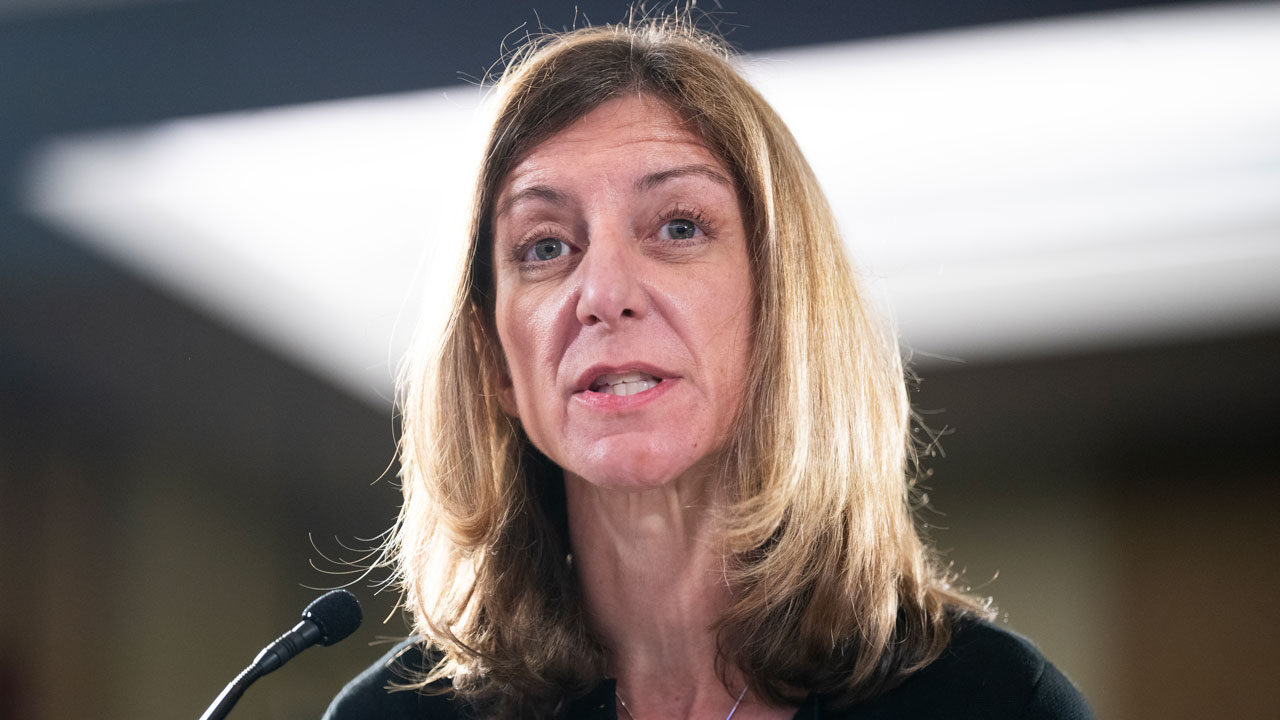
The New York Times case is far from isolated. Under EEOC Chair Andrea Lucas, the agency has actively encouraged white men experiencing race or sex discrimination to come forward, emphasizing that Title VII protects everyone, including supposedly privileged demographic groups. We’re seeing a wave of complaints and actions — investigations into companies like Nike, a $500,000 settlement with a Planned Parenthood affiliate over alleged discrimination against white employees, and more men finding the courage to document and challenge what they’ve quietly endured.
What these forced diversity programs often fail to acknowledge is the relational damage they inflict. By institutionalizing favoritism based on race, sex, or other demographics, they don’t just create individual distress and unfairness — they actively weaken relationships between the very groups they claim to want to place on equal footing. When high performers sense that advancement is no longer tied primarily to merit, suspicion and resentment naturally follow. Colleagues begin to wonder, “Was that promotion earned, or engineered?” Women and minorities may face quiet, valid doubts about whether their success is viewed as legitimate, while men like Mark carry unspoken grievances that erode trust and authenticity in both professional and personal interactions. The result is division, mistrust, and a subtle fracturing of the very social bonds these initiatives purport to strengthen.
In my practice and in the book, I explain why this matters far beyond politics or any single hiring decision. When we stifle honest conversation about fairness in promotions, hiring, and culture, we lose the cognitive gifts of language that help us organize chaotic thoughts, enhance problem-solving through open dialogue, build insight, and reduce anxiety by naming what’s real. Self-censorship doesn’t protect anyone — it breeds resentment, isolation, and the very groupthink that undermines healthy workplaces and relationships. It also weakens the authentic connections that are essential for emotional resilience across all lines of difference.
Mark’s breakthrough came when he stopped performing acceptance and started using the practical tools in Part Two of the book: narrating his experience, journaling, taking ownership of past self-censorship, and eventually speaking up. The healthy response to a sense of injustice is action. Taking appropriate legal steps — like filing an EEOC complaint — is not only justified but emotionally satisfying, helping restore self-efficacy and release buried resentment.
I wrote Can I Say That? Why Free Speech Matters and How to Use It Fearlessly, because free speech isn’t just a constitutional principle; it’s a mental health imperative. Suppressing legitimate grievances about merit-based fairness doesn’t create equity — it creates exactly the psychological and cultural stagnation I see in my clients. Words are not violence — but pretending these dynamics don’t exist does cause real harm: to individuals, to organizations, and to the authentic connections that make work and life worthwhile.
If you’re a man (or anyone) who has been quietly passed over, I encourage you to do what I helped Mark do: name it, document it, and consider your options — whether that’s internal advocacy, legal consultation through the EEOC, or simply reclaiming your voice with the people you trust. The tools are in the book for a reason.
We deserve workplaces where competence speaks louder than checkboxes, and where we can talk honestly about how to get there — without sowing the very division these programs were meant to heal. That starts with being willing to say what’s true — even when it’s uncomfortable.
***
Dr. Chloe Carmichael is an IWF fellow emeritus, clinical psychologist, and author of “Can I Say That? Why Free Speech Matters and How to Use It Fearlessly” (Skyhorse, 2025).
More from this network:
Domains for Sale · GOTPeople.org · TheDSAPlatform · The Truth About Socialism
What's Your Reaction?
 Like
0
Like
0
 Dislike
0
Dislike
0
 Love
0
Love
0
 Funny
0
Funny
0
 Wow
0
Wow
0
 Sad
0
Sad
0
 Angry
0
Angry
0

I am just an average American. My teen years were in the late 70s and I participated in all that that decade offered. Started working young, too young. Then I joined the Army before I graduated High School. I spent 25 years in, mostly in Infantry units. Since then I've worked in information technology positions all at small family owned companies. At this rate I'll never be a tech millionaire. When I was young I rode horses as much as I could. I do believe I should have been a cowboy. I'm getting in the saddle again by taking riding lessons and see where it goes.
Premium domains for sale










Comments (0)