

Google's Fitbit overhaul is actually great. There's just one catch.
Premium domains for sale
Freedom Is Back In Style
It took years after acquiring Fitbit, but Google is finally shaking up its health and fitness products and services. Last month, the tech giant officially replaced the well-established Fitbit app with Google Health, and it launched the brand new Google Fitbit Air tracker with an ultra-minimal design that’s built for 24/7 use. I’ve tested them both for two full weeks, and here’s how they stack up.
Freedom Is Back
In Style
Premium domains for sale
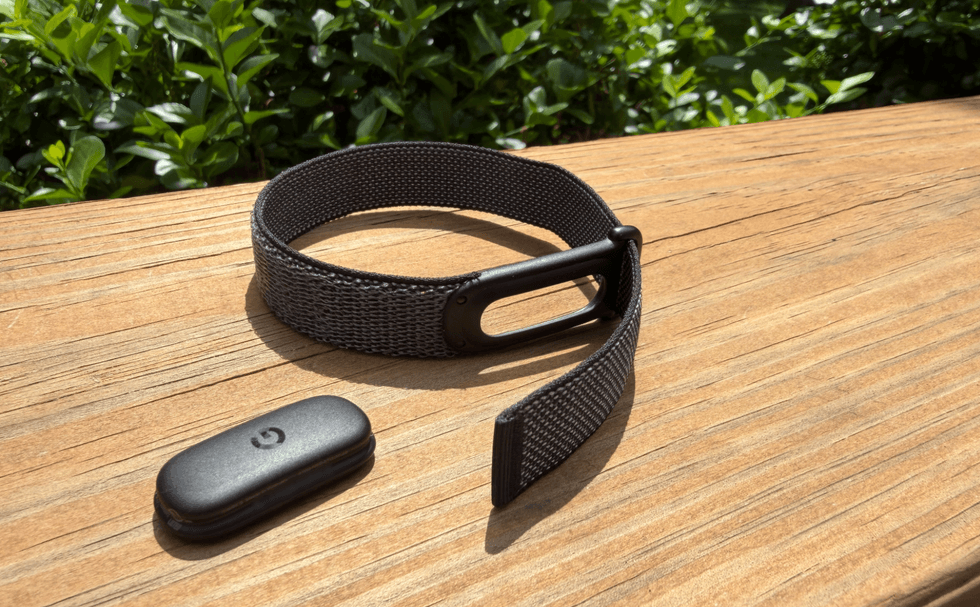
Fitbit Air returns to the company’s roots in more ways than one. It doesn’t feature a screen like the Charge series. It doesn’t receive notifications like Versa smartwatches. It doesn’t come with any bells, whistles, or distractions. It’s a no-muss, no-fuss fitness band that tracks what Fitbit does best – steps, workouts, heart rate, oxygen levels, sleep.
While there’s a lot to like about Fitbit Air, there are a few negatives.
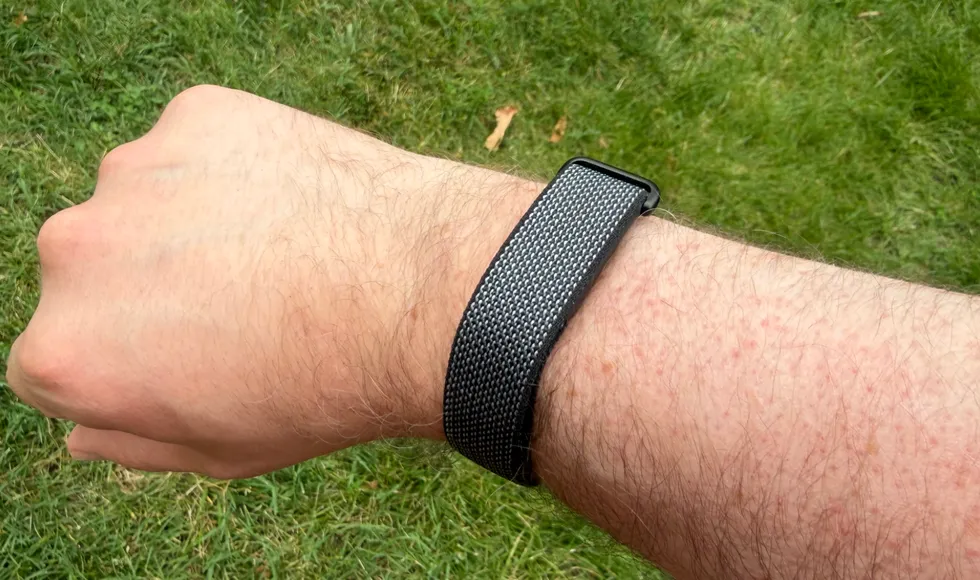
The device itself is a tiny pebble that houses the electronics, battery, and heart rate sensor. Its size alone is pretty impressive, considering the original Fitbit was about the size of a simple pedometer. The pebble fits into specially made straps meant to be worn on the wrist. It comes with the fabric Performance Loop band that is both soft and comfortable. You can also buy a secondary silicone Active band that’s great for sweaty workouts or polyurethane Elevated Modern band that’s meant to dress up the tracker when you go out.
Once it’s on the wrist, Fitbit Air is extremely lightweight. During my two-week test, I forgot I had it on half the time, which is exactly what you want from a device that’s meant to be worn 24/7. Despite its tiny weight and size, Fitbit Air can last approximately seven days between charges, though you may get a little more or less depending on how often you work out.
The most important part, though, is the data. How accurate is this tiny device? To compare, I wore Fitbit Air alongside my Apple Watch that has been on my wrist every day since 2015. Let’s see where they agree and how they differ.
Steps
During the test period, Apple Watch marked a higher daily step count 70% of the time while Fitbit Air was higher 30% of the time. The largest disparity left a 605-step gap (approximately a quarter of a mile) between devices at the end of the day, while they were only 15 steps apart on the closest day. There was a lot of variation between the two, making it difficult to decide which one was more accurate, so I resorted to a 100-step controlled test, where both devices accurately counted exactly 100 steps each. Ultimately, the difference between daily metrics likely boils down to the way both devices misinterpret slight hand movements — like typing on a keyboard all day — as steps.
Heart rate
Each device measures heart rate differently, with Fitbit Air logging data every several seconds and Apple Watch measuring heart rates every 4-6 minutes. This logging algorithm gives Fitbit Air more heart data to track over time, providing a clearer look at your heart health. For the most part, my Apple Watch and Fitbit Air agreed, with both devices crafting similar heart rate graphs each day. The only place where Fitbit Air falls short is during strenuous workouts. Sometimes, the heart rate sensor misses sudden rate spikes or lags behind by several seconds before it registers, potentially leading to inaccurate workout tracking.
RELATED: How the iPhone crushed young women's fertility
 Godong/Universal Images Group/Getty Images
To end on a high note, though, Fitbit Air includes high/low heart rate notifications and irregular rhythm alerts to detect potential heart issues, which I thankfully didn’t get a chance to test during my review phase. Overall, Fitbit Air’s heart rate performance and safety features are impressive for its size.
Oxygen
Unlike Apple Watch, which lets you take an oxygen reading on demand, Fitbit Air only measures oxygen passively while you sleep. This data can then be used to help identify possible air obstructions or conditions, like sleep apnea. Comparing the two, Apple Watch was usually 0.5%-1% points lower than Fitbit Air, which is a huge discrepancy in the sensitive world of pulse oximetry. To be fair, though, wrist-based oxygen measurements are rarely as accurate as finger-based devices. The most important thing for fitness bands is how consistent the measurements appear from night to night, and both devices highlighted similar data trends.
Sleep
As someone who rarely gets enough sleep, tracking my good nights against my bad is critical for balancing energy, work, and responsibilities during the day. Thankfully, I’m happy to say that Fitbit Air excels at sleep tracking. Compared to my Apple Watch, both devices usually agreed on when I fell asleep and woke up within minutes of each other. There were even a few times when I woke up in the middle of the night for an hour and went back to sleep, which Fitbit Air captured perfectly. The coolest part is that you don’t have to put Fitbit Air into sleep mode (like Apple Watch) or tell it when you’re lying down for bed. It simply looks for physiological cues within your set bedtime and logs sleep automatically as you drift away. If you want more insight into your sleep health, Fitbit Air is a great place to start.
 Zach Laidlaw
So what's the catch?
While there’s a lot to like about Fitbit Air, there are a few negatives worth mentioning: It doesn’t have a GPS sensor like most premium Fitbit devices and watches, and it doesn’t come with an altimeter either. This means that you’ll need to carry your phone with you on outdoor walks or runs to map your journey and record elevation information; otherwise, your workout data may not be as accurate or informative. Depending on your activity level, though, this may not even be an issue for you.
By the end of the test period, I walked away (slight pun intended) very impressed with this little device. It excels in heart rate detection, sleep tracking, and long battery life, and it’s more than good enough when it comes to monitoring workouts and oxygen at night. At only $99, Fitbit Air is easy to recommend to anyone who wants to get fit or simply keep tabs on health — that is, if you don’t mind giving your health data over to Google for at least the life of the product. And when it's time for an upgrade — well, you know the deal.
Like most tech companies these days, Google wants as much of you as possible in its ecosystem for life. Fitbit Air makes it easy and tempting to say yes.
More from this network:
Domains for Sale · GOTPeople.org · TheDSAPlatform · The Truth About Socialism
What's Your Reaction?
 Like
0
Like
0
 Dislike
0
Dislike
0
 Love
0
Love
0
 Funny
0
Funny
0
 Wow
0
Wow
0
 Sad
0
Sad
0
 Angry
0
Angry
0

I am just an average American. My teen years were in the late 70s and I participated in all that that decade offered. Started working young, too young. Then I joined the Army before I graduated High School. I spent 25 years in, mostly in Infantry units. Since then I've worked in information technology positions all at small family owned companies. At this rate I'll never be a tech millionaire. When I was young I rode horses as much as I could. I do believe I should have been a cowboy. I'm getting in the saddle again by taking riding lessons and see where it goes.
Premium domains for sale

























Comments (0)