

Killer Relied On ChatGPT To Cover Up His Crime. Here’s How The State Is Responding.
Premium domains for sale
Freedom Is Back In Style
A gruesome double murder case in Florida is now colliding with a first-of-its-kind legal battle over artificial intelligence, after prosecutors revealed that the accused killer used ChatGPT to ask a series of chilling, highly specific questions in the days surrounding the crime.
Freedom Is Back
In Style
Premium domains for sale
Florida Attorney General James Uthmeier is now moving to fold the case into his ongoing criminal investigation into OpenAI, raising the prospect that the company behind ChatGPT could face legal scrutiny for how its technology is used in violent crimes.
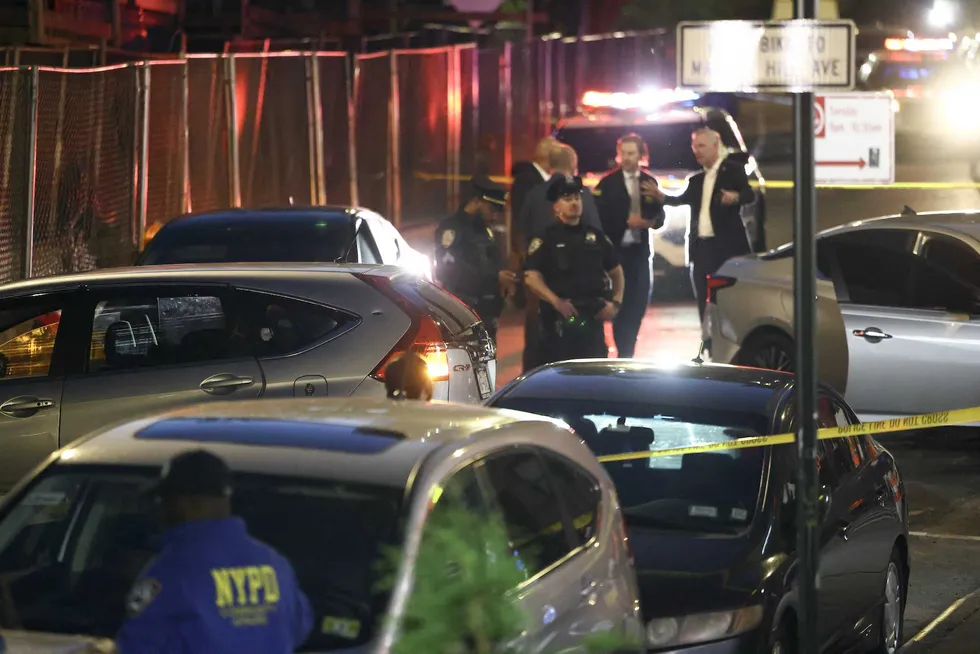
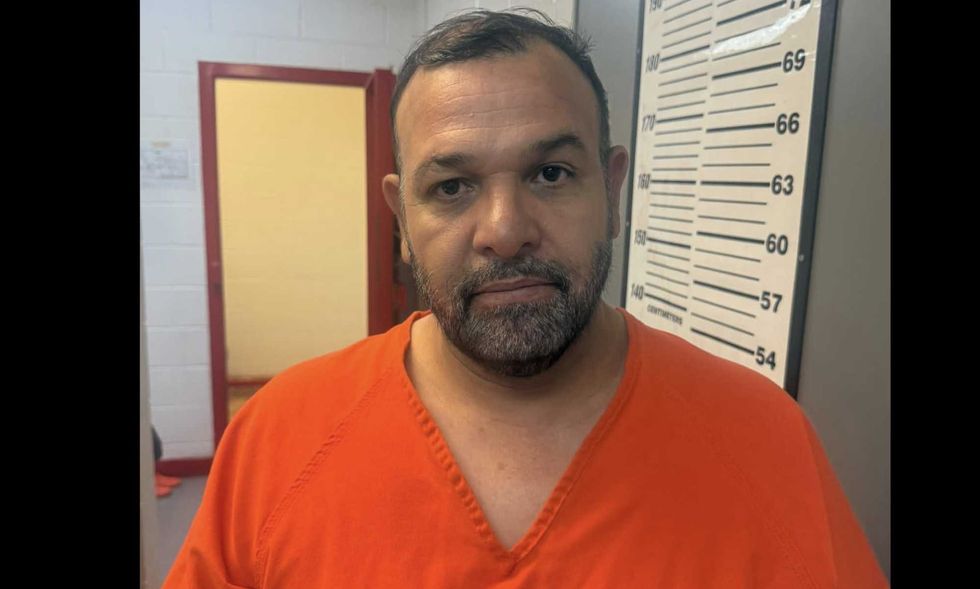
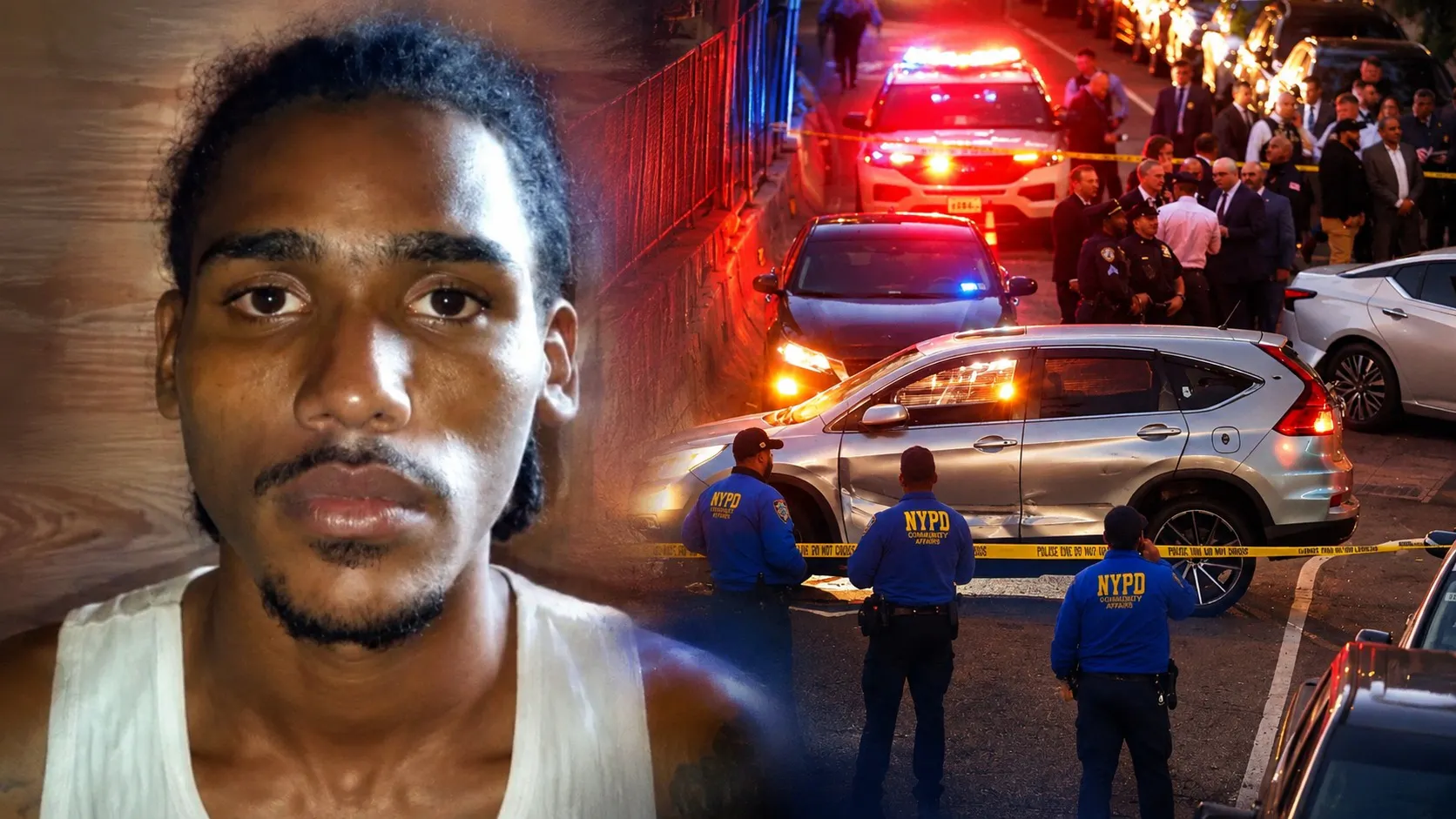
Hisham Abugharbieh, 26, is charged with two counts of first-degree murder in the deaths of University of South Florida doctoral students Zamil Limon and Nahida Bristy, both 27. The two, friends from Bangladesh pursuing advanced degrees, vanished on April 16. Days later, investigators would uncover a trail of evidence pointing to Abugharbieh and a series of disturbing interactions with ChatGPT that are now central to both the murder case and the state’s broader probe into artificial intelligence (A.I.).
According to the Tampa Bay Times report on the killings, Abugharbieh first turned to the chatbot on April 13, asking: “What happens if a human has a [sic] put in a black garbage bag and thrown in a dumpster?” When the program responded that it “sounds dangerous,” he followed up: “How would they find out?” The questions did not stop there.
A day before the victims disappeared, he asked: “Can a VIN number on a car be changed?” and “Can you keep a gun at home without a license?” After the killings, the queries didn’t stop. Prosecutors say he asked: “Has there been someone who survived a sniper bullet to the head?” and “Will my neighbors hear my gun?”
He also reportedly asked: “Are cars checked at the Hillsborough River State Park?” and later, as the investigation intensified, “What does missing endangered adult mean?” Those digital breadcrumbs, obtained by a court-ordered search warrant of the man’s phone, are now being examined alongside a growing mountain of physical evidence.
When investigators searched the apartment Abugharbieh shared with Limon, they found blood traces throughout the residence, including droplets leading from the kitchen to his bedroom and larger patterns consistent with what officials described as “human-sized” blood evidence. Under his bed, detectives recovered trash bags and duct tape.
In a trash compactor at the complex, authorities found Limon’s wallet, glasses, and identification, along with Bristy’s pink phone case and multiple items of blood-stained clothing. A receipt tied to Abugharbieh showed purchases of trash bags, cleaning supplies, and other materials shortly after the victims disappeared.
Surveillance and phone data placed him driving across Tampa Bay the night of April 16, mirroring the last known location pings from Limon’s phone. Prosecutors say he later returned to the area after midnight, near where Limon’s body was ultimately found — stuffed into black trash bags along the Howard Frankland Bridge, bearing multiple stab wounds. Investigators have said they do not believe Bristy is alive, though currently unidentified remains were later recovered nearby.
Against that backdrop, Uthmeier is now escalating the ongoing investigation into OpenAI, arguing that the role of A.I. tools in cases like this cannot be ignored. Uthmeier’s office began probing after a separate Florida mass shooting in which the suspect allegedly used ChatGPT to research attack methods and timing.
“We are expanding our criminal investigation into OpenAI to include the USF murders after learning the primary suspect used ChatGPT,” Uthmeier announced Monday.
In an exclusive statement to The Daily Wire, he made clear the broader implications: “A.I. is being used to create child sexual abuse material, advise kids on how to commit suicide, and carry out violent crimes. We need to know who knew what and when. This investigation is just the first step in determining if OpenAI is criminally liable for these heinous acts, and our office is expanding the investigation to understand the scope of ChatGPT’s role in the USF murders.”
Together, the cases are forming the basis of a novel legal theory: that A.I. developers could bear some responsibility when their systems are used to facilitate real-world violence. For now, Abugharbieh remains jailed without bond as he awaits trial. OpenAI has not publicly responded to the latest developments.
But as investigators continue to piece together both the physical and digital evidence, one thing is becoming increasingly clear: this case may not only determine the fate of a murder suspect, it could help define the legal limits of artificial intelligence in America.
More from this network:
Domains for Sale · GOTPeople.org · TheDSAPlatform · The Truth About Socialism
What's Your Reaction?
 Like
0
Like
0
 Dislike
0
Dislike
0
 Love
0
Love
0
 Funny
0
Funny
0
 Wow
0
Wow
0
 Sad
0
Sad
0
 Angry
0
Angry
0

I am just an average American. My teen years were in the late 70s and I participated in all that that decade offered. Started working young, too young. Then I joined the Army before I graduated High School. I spent 25 years in, mostly in Infantry units. Since then I've worked in information technology positions all at small family owned companies. At this rate I'll never be a tech millionaire. When I was young I rode horses as much as I could. I do believe I should have been a cowboy. I'm getting in the saddle again by taking riding lessons and see where it goes.
Premium domains for sale







Comments (0)