

They’ve Tried To Take Down Bibi Before. Here We Go Again.
Premium domains for sale
Freedom Is Back In Style
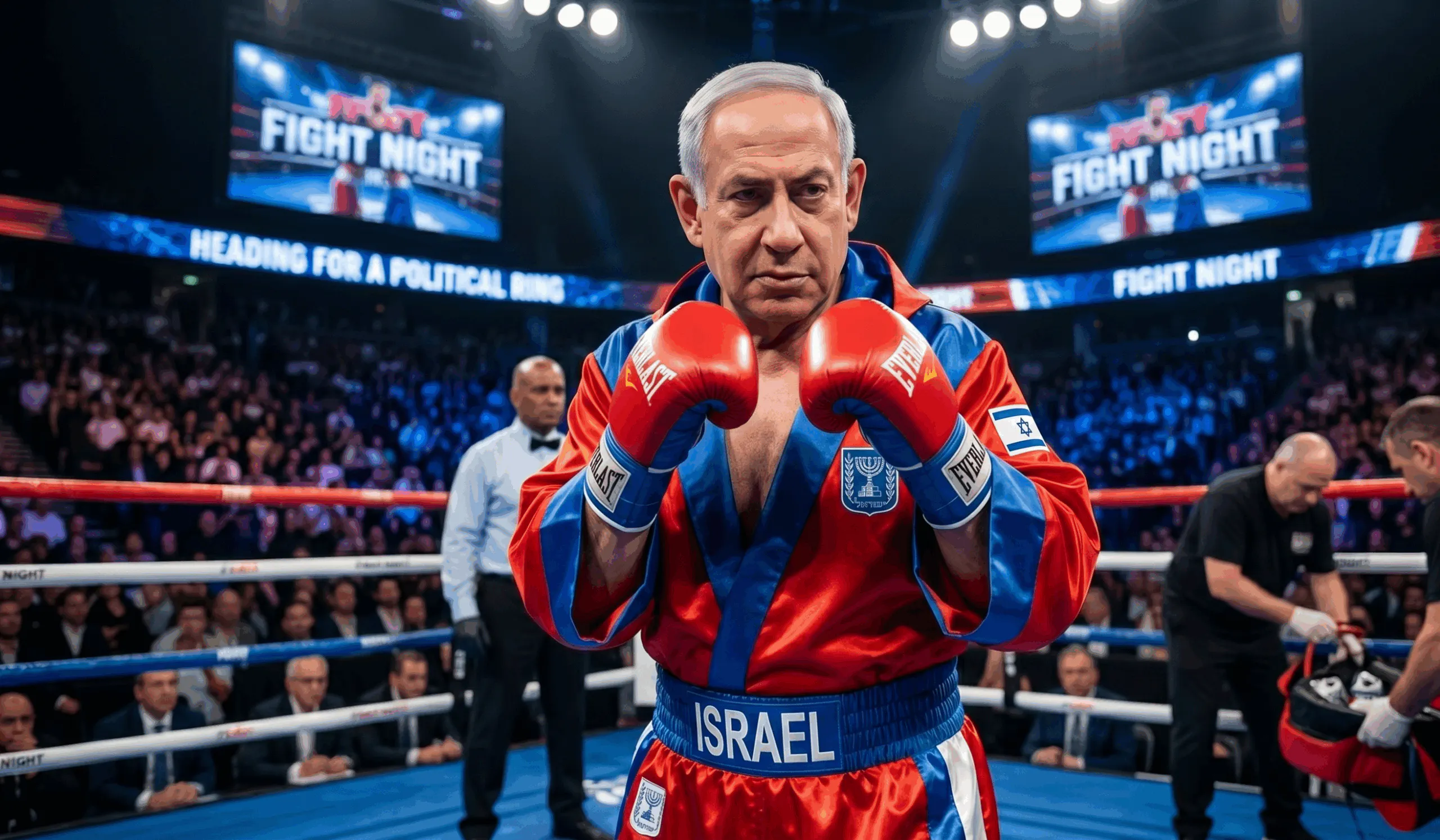
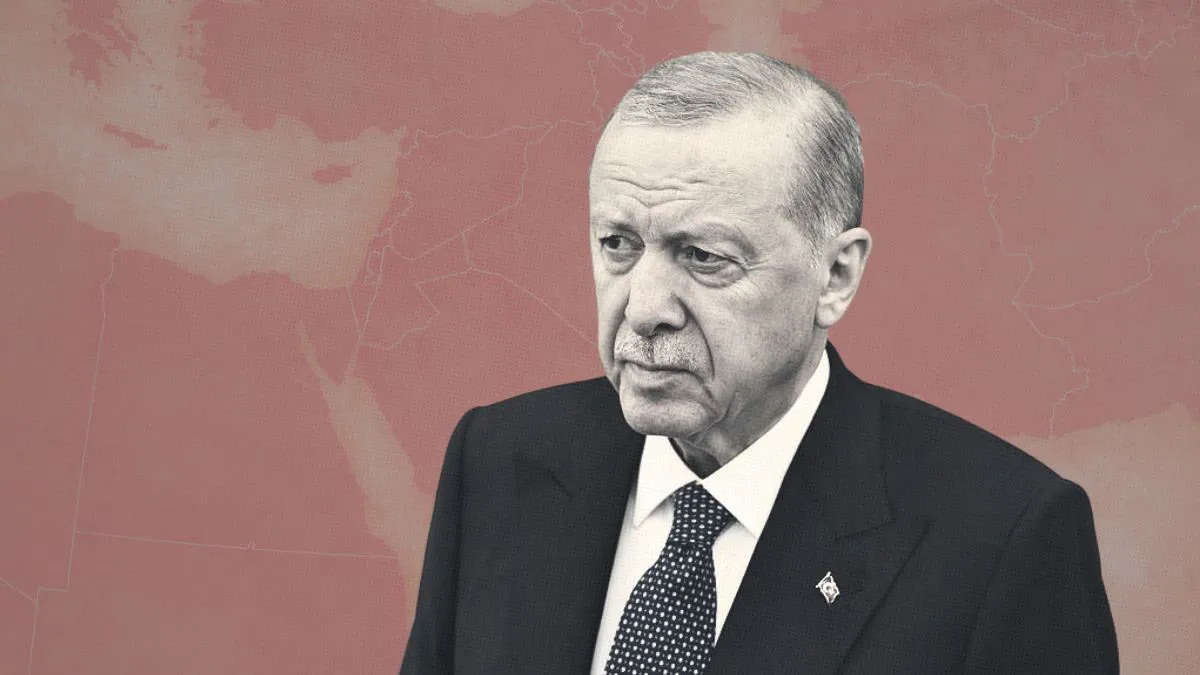
Prime Minister Benjamin Netanyahu is gearing up for yet another political battle as the Israeli Knesset weighs dissolving early ahead of elections expected this fall. For many Israelis, the coming vote will be another referendum on Netanyahu himself.
Freedom Is Back
In Style
Premium domains for sale
After years of political chaos, repeated elections, war, and deep internal divisions, the campaign is shaping up less as a debate over policy and more as a simple question facing the country yet again: whether Israelis want the Bibi era to continue.
Netanyahu is facing political pressure from multiple directions ahead of the upcoming election. His coalition is fracturing over the controversial issue of military exemptions for ultra-Orthodox Israelis, public anger over the failures surrounding the October 7 attacks continues, and opposition parties are attempting to unite.
Netanyahu is no stranger to political survival. Even before the October 7 attacks, Israel had already gone through four elections in just a few years as coalition governments repeatedly fell apart. Netanyahu himself served as prime minister from 1996 to 1999 and then again from 2009 to 2021, becoming the longest-serving prime minister in Israeli history.
His current government is now approaching the end of his four half term in office, which is the maximum allowed under Israeli law and a rare achievement in Israel’s notoriously unstable parliamentary system. Elections must legally be held by October 27 at the latest.
While the Israel Netanyahu governs today is different from the country that existed before October 7, focus is shifting back to deep domestic divisions.
Just prior to the Hamas attacks, Israel was consumed by internal division over Netanyahu’s proposed judicial reforms, with massive protests rocking the country and raising fears of a constitutional crisis.
Then came October 7, the deadliest terrorist attack in Israeli history, followed by war in Gaza and escalating regional conflict involving Iran and its proxies. In the aftermath, a wartime coalition government was formed, temporarily muting some political tensions while all focus was on ensuring the Jewish state’s defense and survival.
Now, even as negotiations with Iran continue to stall and fears of a broader regional war remain, Israeli domestic tensions are once again exploding ahead of a possible election.
At the center of the immediate political crisis is one of the most sensitive issues in Israeli society: military service exemptions for the Haredi, or ultra-Orthodox, community.
Netanyahu’s coalition included and depended on Haredi political parties that oppose drafting young men studying in religious seminaries, or yeshivas, into the Israel Defense Forces. Many ultra-Orthodox leaders fear military service could pull students away from religious studies, expose them to secular and forbidden lifestyles, or place them under non-religious authority structures.
But after nearly three years of war, support has grown significantly among the broader Israeli public for requiring Haredi Israelis to serve alongside their peers. Many Israelis argue the military needs additional manpower to alleviate reservists who have carried an unsustainable burden through repeated deployments since October 7. Others say it is unfair that Haredi communities receive significant economic assistance without their young people serving in the military.
That is not to say that no Haredi Israelis serve in the military. While still a minority, some ultra-Orthodox men do enlist, including in the IDF’s all-ultra-Orthodox Hasmonean Brigade. The brigade, founded after October 7 in response to the needed manpower and the sense of duty that some Haredi men felt to protect their nation, operates as an all-male unit with religious accommodations for its soldiers.
According to Ynet, the brigade has recently carried out raids targeting weapons and terrorist infrastructure in Lebanon, while its first class of soldiers also recently completed officer training courses.
If the Knesset dissolves this week, the timing itself would only move elections up by a matter of weeks, but it would create one significant complication. Israel will enter what is known as a caretaker government, in which the outgoing government continues governing with limited powers until a new coalition is formed after elections in order to avoid a vacuum in leadership.
During that period, key appointments cannot easily be confirmed, which has become a major issue because Israel has still not finalized confirmation of a new Mossad director, a priority Netanyahu reportedly wants completed.
At the same time, caretaker governments can be advantageous to sitting prime ministers by giving them greater operational flexibility with an inactive Knesset. Dissolving the government early could also help ensure elections take place several weeks before the third anniversary of October 7, when public anger and emotions surrounding the attacks could intensify even further.
The opposition is already preparing to make the next election a referendum on accountability for October 7.
Former Prime Minister Naftali Bennett has pledged that if he forms the next government, the very first cabinet meeting would establish a formal commission of inquiry into the failures that led to the October 7 massacre. Several opposition figures argue Israel must fully investigate what went wrong militarily, politically, and institutionally.
Bennett is attempting to rebuild a coalition spanning the Israeli political spectrum. Politically, he is trying to convince centrist and left-leaning voters that he can pull support away from Netanyahu while also reassuring conservatives who abandoned him after he previously partnered with left-wing and Muslim Brotherhood-aligned Arab parties in 2021 to remove Netanyahu from power.
Former IDF Chief of Staff Gadi Eisenkot is also emerging as a major political figure. Viewed as a centrist with strong national security credentials, Eisenkot has become increasingly attractive to voters seeking military credibility without Netanyahu’s polarizing political baggage. His recently-founded Yashar political party has already caught the eye of many Israelis.
Polling shows the opposition could become significantly stronger if alliances form. According to a recent Maariv poll, 55% of Israelis surveyed said Netanyahu should retire from political life, while only 38% said he should continue running. The same poll found that if Eisenkot joined Bennett and left-wing opposition leader Yair Lapid on a joint list, the alliance could potentially win 49 seats in the Knesset. A minimum of 61 seats is needed to form a governing coalition.
It’s important to note that Israeli polling remains notoriously unreliable at this stage because the final political alignments remain unclear. A political insider compared the current numbers to early American presidential straw polls conducted before candidates officially announce their campaigns.
Another insider added that the upcoming election will likely be another referendum on “Bibi,” with many voters sorting themselves into camps that are pro-Netanyahu, anti-Netanyahu, or anti-anti-Netanyahu — meaning voters who may not personally support Netanyahu but are exhausted by what they see as relentless political opposition to him.
One insider described it as a type of political infection similar to Trump derangement syndrome.
“They will do anything to get rid of Bibi, even allying with those they have far deeper ideological disagreements with politically.”
Some of Netanyahu’s supporters see him as advantageous both because he is feared by his country’s enemies and because of his close relationship to President Donald Trump.
While some Americans believe removing Netanyahu from power could significantly alter Israel’s wartime posture, many analysts believe an opposition government would prosecute the wars in Gaza and against Iran-backed forces in largely similar ways.
The bigger question may be whether a government without Netanyahu may be more open to international pressure for a Palestinian state in Gaza and parts of the West Bank, also known as Judea and Samaria. Especially if expanding the Abraham Accords to include Saudi Arabia required concessions on Palestinian statehood. Some Israelis also believe that a different leader could repair their country’s relations with leaders in Europe and Democrats in the United States.
Netanyahu’s age and health may also become factors in the campaign. The 76-year-old prime minister has dealt with heart-related health issues in and recently underwent treatment for prostate cancer.
For now, it appears Netanyahu intends to run again. It’s never been his nature to back down from a fight, especially one that could protect his legacy. But after years of political dominance, coalition maneuvering, and survival, the next Israeli election may become the clearest test yet of whether the country is ready to move beyond the Netanyahu era.
More from this network:
Domains for Sale · GOTPeople.org · TheDSAPlatform · The Truth About Socialism
What's Your Reaction?
 Like
0
Like
0
 Dislike
0
Dislike
0
 Love
0
Love
0
 Funny
0
Funny
0
 Wow
0
Wow
0
 Sad
0
Sad
0
 Angry
0
Angry
0

I am just an average American. My teen years were in the late 70s and I participated in all that that decade offered. Started working young, too young. Then I joined the Army before I graduated High School. I spent 25 years in, mostly in Infantry units. Since then I've worked in information technology positions all at small family owned companies. At this rate I'll never be a tech millionaire. When I was young I rode horses as much as I could. I do believe I should have been a cowboy. I'm getting in the saddle again by taking riding lessons and see where it goes.
Premium domains for sale




Comments (0)